
If you’ve ever spotted that ugly green corrosion on your stainless steel welds or tools, you know it’s a real mood-killer. It makes your hard work look sloppy and can even hide deeper damage. I’ve been welding for years, fixing up classic cars, building custom racks, and repairing machinery in my shop. I’ve tackled green corrosion on everything from stainless steel car trim to my welder’s clamps.
That green stuff, often called verdigris, loves to show up when you least expect it. I’m sharing my hands-on home remedies to remove green corrosion from stainless steel, using simple stuff you probably have lying around. Whether you’re a weekend welder or a pro fabricator, these tips will help you restore that shiny stainless steel finish.
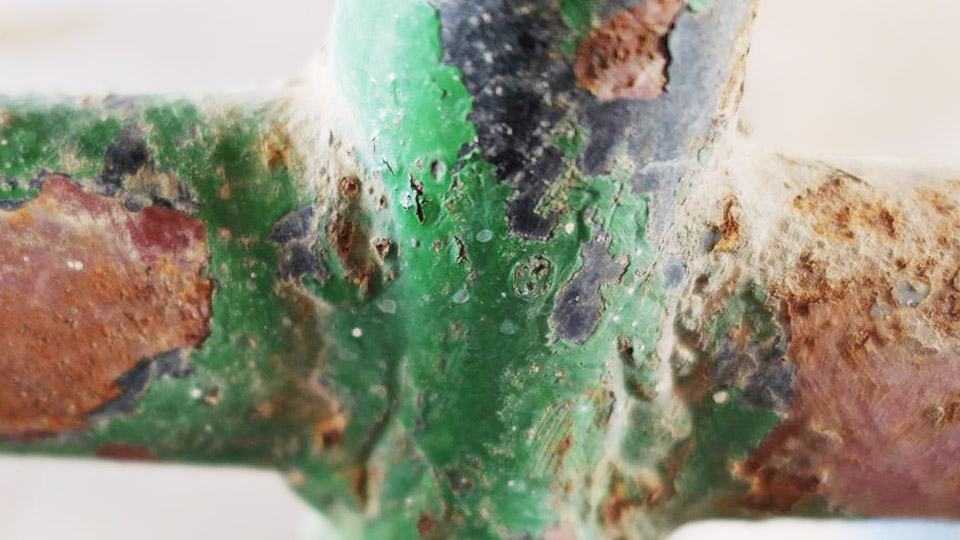
Image by thoughtco
What Is Green Corrosion on Stainless Steel?
Before we start cleaning, let’s figure out what this green corrosion is. Stainless steel is tough, thanks to its chromium content, which forms a protective layer against rust. But in harsh conditions, like salt or moisture, that layer can weaken, letting corrosion sneak in.
The green stuff is usually a mix of oxidized metals, like copper or nickel from alloys, or verdigris from nearby copper parts. I’ve seen it on my stainless steel welds near brass fittings and on tools exposed to salty air.
Here’s what causes it:
Moisture: Humid air or water triggers corrosion. My shop gets damp in summer, and I’ve noticed green spots on tools.
Salt: Road salt or coastal air attacks stainless steel’s protective layer. I found green corrosion on a car’s trim after a beach job.
Chemicals: Grease, coolant, or acidic cleaners can react with stainless steel. I’ve seen green near welds with oil residue.
Contact with Other Metals: Brass or copper touching stainless steel can cause galvanic corrosion, leaving green stains. I noticed this on a welded fuel line.
Understanding the cause helps you clean effectively and keep the green from coming back. Let’s talk about why it’s worth removing.
Why Bother Removing Green Corrosion?
You might think a little green is no big deal, but it’s worth cleaning off. Green corrosion makes your welds or tools look unprofessional, which is a bummer for client projects or show cars. I’ve had folks comment on green spots on my welds before I cleaned them.
Plus, corrosion can hide pitting or damage that could weaken your work, like on car frames or structural welds. Cleaning restores the shine, protects your stainless steel, and makes your projects stand out. It’s also super satisfying to see that metal gleam again!
Safe Home Remedies to Remove Green Corrosion
I’ve tried a bunch of ways to clean green corrosion, and some are real game-changers. Here are my favorite home remedies, using household items you likely have. They’re safe for stainless steel and perfect for welded parts or tools. Always test on a small area first, wear gloves, and work in a well-ventilated space, especially for greasy welds.
White Vinegar Soak: My Top Choice
White vinegar is my go-to for green corrosion. Its acetic acid dissolves the green gunk without harming stainless steel.
- What You Need: White vinegar, a bowl or bucket, warm water, a soft brush, and a microfiber cloth.
- Steps:
- Mix equal parts white vinegar and warm water in a bowl. I use a plastic container to avoid reactions.
- Soak small welded parts for 15-30 minutes. For fixed welds, wrap a vinegar-soaked rag around the green areas.
- Scrub gently with a soft brush or toothbrush. I focus on crevices where green hides.
- Rinse thoroughly with clean water. I use a hose for big parts or a damp cloth for fixed welds.
- Dry completely with a microfiber cloth to prevent water spots.
I used this on a stainless steel car exhaust weld that was green from road salt. After a 20-minute soak and light scrub, it shined like new.
Baking Soda Paste: Perfect for Stubborn Spots
For thick or crusty green corrosion, I turn to baking soda. It’s mildly abrasive and works great with water or vinegar.
- What You Need: Baking soda, water or vinegar, a small bowl, a soft cloth, and a toothbrush.
- Steps:
- Mix baking soda with water or vinegar to make a thick paste. I start with two tablespoons of baking soda and add liquid slowly.
- Apply the paste to green areas with a soft cloth. I rub it in gently to cover the corrosion.
- Let it sit for 10-15 minutes to loosen the gunk.
- Scrub lightly with a toothbrush for tough spots. I’m careful not to scratch the stainless steel.
- Rinse well with water and dry with a microfiber cloth.
This saved a stainless steel clamp that was green from coolant exposure. The paste made it gleam again.
Lemon Juice and Salt Scrub: A Natural Alternative
If I’m out of vinegar, lemon juice is a solid backup. Its citric acid dissolves corrosion, and salt adds scrubbing power.
- What You Need: A lemon, table salt, a soft cloth, and water.
- Steps:
- Cut a lemon in half and sprinkle salt on the cut side. I use about a teaspoon.
- Rub the lemon on green areas, squeezing to release juice. I focus on small welds or bolts.
- Let it sit for 5-10 minutes to break down the corrosion.
- Scrub gently with a soft cloth or brush. I use circular motions for even cleaning.
- Rinse with water and dry with a microfiber cloth.
I used this on stainless steel trim from a car grille. It took longer than vinegar, but the finish was bright and clean.
Ketchup Soak: A Surprising Fix
Believe it or not, ketchup works thanks to its vinegar and acid content. I discovered this when I was desperate and out of vinegar.
- What You Need: Ketchup, a bowl, a soft cloth, and water.
- Steps:
- Apply ketchup to green areas or soak small parts in a bowl of ketchup. I spread it thickly with a spoon.
- Let it sit for 15-20 minutes to loosen the corrosion.
- Wipe off with a damp cloth or scrub lightly with a brush.
- Rinse thoroughly to remove all ketchup residue. I rinse twice to avoid stickiness.
- Dry with a microfiber cloth.
This worked on a stainless steel weld nut from a car frame. It was messy, but the green was gone, and the metal shined.
Cream of Tartar Paste: For Delicate Welds
Cream of tartar is gentle and great for polished stainless steel, like decorative welds or tools.
- What You Need: Cream of tartar, water, a small bowl, a soft cloth, and a toothbrush.
- Steps:
- Mix cream of tartar with water to make a paste. I use one tablespoon of cream of tartar and add water slowly.
- Apply the paste to green areas with a soft cloth. I spread it evenly over the spots.
- Let it sit for 10-15 minutes to work on the corrosion.
- Scrub gently with a toothbrush if needed. I’m extra careful on polished surfaces.
- Rinse with water and dry with a microfiber cloth.
I used this on a stainless steel car badge weld. The paste cleaned the green without scratching the polish.
Methods to Avoid When Cleaning Stainless Steel
I’ve made mistakes cleaning stainless steel, so let me save you some trouble. Here’s what to skip:
- Coarse Abrasives: Steel wool or rough scouring pads can scratch stainless steel. I ruined a tool this way once.
- Bleach or Chlorine: These chemicals can pit stainless steel and worsen corrosion. I learned this after a bad cleaning attempt.
- Leaving Acid On: Don’t let vinegar or lemon juice sit too long—it can etch the surface. I left vinegar on overnight and saw faint marks.
- Metal Brushes: Hard brushes can scratch welds. I stick to soft brushes or cloths.
Preventing Green Corrosion on Stainless Steel
Cleaning is great, but preventing corrosion saves you work. Here’s how I keep my stainless steel welds green-free:
- Dry After Exposure: Wipe welds dry after welding or rain. I do this with my car’s trim after washes.
- Apply a Protective Coating: Use stainless steel polish or automotive wax. I polish my tools to keep them shiny.
- Avoid Contact with Other Metals: Separate brass or copper from stainless steel. I use rubber gaskets to prevent galvanic corrosion.
- Clean Regularly: Wipe down welds every few months to catch corrosion early. I polish my stainless steel before big projects.
- Control Humidity: Store tools or parts in a dry shop. I use a dehumidifier in my garage during summer.
Special Considerations for Welded Stainless Steel
Stainless steel welds show up in cars, tools, or machinery. Here’s what I’ve learned about cleaning different welds:
- Car Trim Welds: These get exposed to weather, so be gentle to preserve polish. I use cream of tartar for grille welds.
- Tool Welds: Tools get greasy, so degrease first. I use dish soap before vinegar on my clamps.
- Structural Welds: Frames or racks may have coolant residue. I rinse thoroughly before cleaning.
- Decorative Welds: Test carefully to avoid scratching. I cleaned a stainless steel badge weld gently to keep its shine.
My Go-To Cleaning Routine
After years of cleaning stainless steel, here’s my routine for removing green corrosion:
- Start with a vinegar soak or rag for small or fixed welds.
- Use a baking soda paste for stubborn green spots.
- Try lemon and salt for delicate or small welds.
- Use ketchup or cream of tartar for quick fixes or polished surfaces.
- Dry thoroughly and polish with wax for protection.
This routine saved a stainless steel weld on a car exhaust. It went from green and crusty to a show-worthy shine.
A Quick Guide to Cleaning Methods
Here’s a table to help you choose the right method:
| Method | Best For | Materials Needed | Time | Precautions |
|---|---|---|---|---|
| White Vinegar Soak | Moderate to heavy corrosion | Vinegar, water, brush, cloth | 15-30 minutes | Rinse thoroughly |
| Baking Soda Paste | Stubborn, thick corrosion | Baking soda, water/vinegar, cloth | 10-15 minutes | Avoid over-scrubbing |
| Lemon and Salt Scrub | Light corrosion, delicate welds | Lemon, salt, cloth, water | 5-10 minutes | Rinse well to avoid stickiness |
| Ketchup Soak | Moderate corrosion, quick fixes | Ketchup, bowl, cloth, water | 15-20 minutes | Remove all residue |
| Cream of Tartar Paste | Polished welds, light corrosion | Cream of tartar, water, cloth | 10-15 minutes | Be gentle to avoid scratches |
My Personal Experience with Green Corrosion
I’ve had my share of battles with green corrosion. Restoring a ’67 Chevy Impala was a big one—the stainless steel exhaust welds were green from years of road salt. I used a vinegar soak, letting them sit for 25 minutes, then scrubbed with a brush. They came out so shiny I could see my reflection.
Another time, I cleaned a stainless steel clamp that was green from sitting in my damp toolbox. The baking soda paste worked like magic, and the clamp looked brand new. My biggest lesson? Catch corrosion early. Regular cleaning and polishing have kept my stainless steel welds sparkling ever since.
Helpful Suggestions for Keeping Stainless Steel Corrosion-Free
Here are my top tips to keep your stainless steel welds shiny:
- Inspect Regularly: Check welds every 3-6 months, especially after wet or salty jobs. I catch green spots early this way.
- Use Soft Tools: Microfiber cloths and soft brushes prevent scratches. I keep a cleaning kit in my shop.
- Protect After Cleaning: Apply stainless steel polish or wax. I polish my car’s trim before shows for a lasting shine.
- Store Smart: Keep tools or parts in a dry, low-humidity shop. I use silica gel packs in my toolbox.
- Know Your Environment: In humid or coastal areas, clean more often. I rinse my welds after salty road jobs.
Make Your Stainless Steel Welds Shine Again
Green corrosion on stainless steel doesn’t have to ruin your welds or tools. With simple home remedies like vinegar soaks, baking soda pastes, or even ketchup, you can wipe out that green gunk and restore a mirror-like finish.
I’ve seen crusty, green welds transform into gleaming, professional pieces with a little effort, and it’s one of the most rewarding parts of welding. By cleaning carefully and preventing future corrosion with polish or proper storage, you’ll keep your stainless steel looking awesome for years.
FAQs
Why does stainless steel get green corrosion?
Green corrosion happens when stainless steel’s protective layer weakens from moisture, salt, or contact with metals like brass. It’s common in harsh shop or road conditions.
Is green corrosion harmful to stainless steel welds?
It’s mostly cosmetic but can hide pitting or damage. I clean it to check for issues and keep welds strong.
Can I use apple cider vinegar instead of white vinegar?
White vinegar is stronger and clearer, so it’s better. Apple cider vinegar can work but may leave residue. I stick to white.
How often should I clean stainless steel welds to remove corrosion?
Clean when you see green corrosion, usually every 6-12 months. I polish my welds before big projects to keep them shiny.
What’s the fastest way to remove green corrosion?
A vinegar-soaked rag is quickest for light corrosion. I wrap it around welds, wait 5-10 minutes, and wipe clean.
How can I prevent green corrosion on stainless steel?
Dry welds after exposure, apply polish or wax, and avoid contact with other metals. I use a dehumidifier in my shop to help.


