
If you’ve ever looked at a clean, smooth stainless steel weld and thought, “I want to be able to do that,” then you’re in the right place. I still remember the first time I picked up a TIG torch.
I was excited, nervous, and had absolutely no idea how much finesse it required. TIG welding stainless steel isn’t just about melting metal—it’s about patience, control, and doing things the right way.
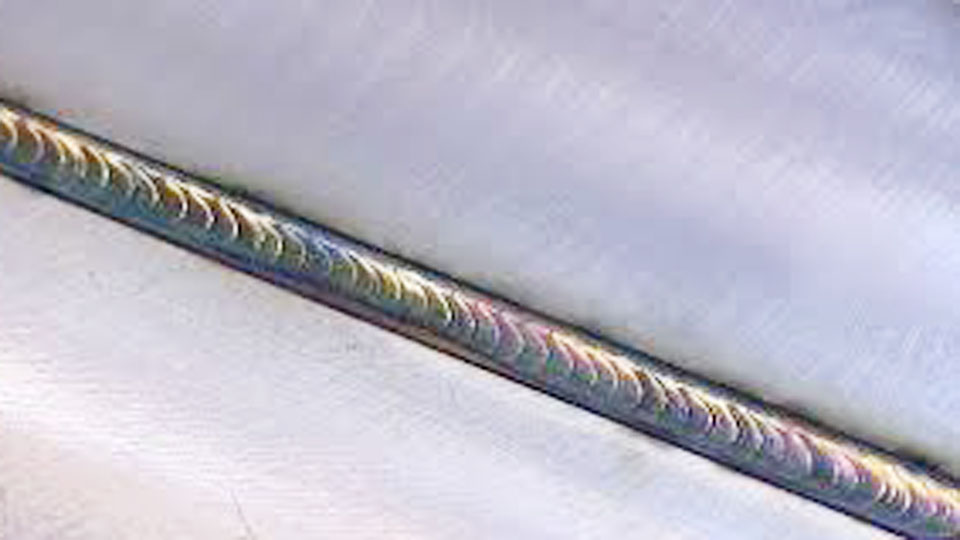
Photos by tooliom
This guide is written just like I’m sitting across from you in a garage or shop, walking you through every step. I’ve spent years working on stainless steel projects and teaching beginners how to get started, so I’ll break everything down in a simple, easy-to-follow way. Let’s make your first stainless steel TIG weld something to be proud of.
TIG Welding and Why Stainless Steel Is Unique
Before jumping into the how-to, let’s take a minute to understand what TIG welding is. TIG stands for Tungsten Inert Gas welding.
It uses a non-consumable tungsten electrode to create the weld, and you typically feed filler rod into the joint by hand. It’s known for producing clean, precise, high-quality welds.
Stainless steel is especially well-suited for TIG because it doesn’t like to be rushed. It heats up quickly, it can warp easily, and it can lose its corrosion resistance if not handled right. So TIG, being slower and more controlled, is a great match.
Equipment You Need to TIG Weld Stainless Steel
One of the first things I tell beginners is this: don’t skip out on good gear. Stainless steel is picky, and if your setup isn’t dialed in, you’ll be fighting an uphill battle.
Here’s what you’ll need:
| Equipment | Description |
|---|---|
| TIG Welder | Look for one with a high-frequency start and AC/DC capability (DC for stainless). |
| Tungsten Electrode | 2% thoriated (red) or ceriated (gray) tungsten is ideal for stainless. |
| Filler Rod | Use ER308L for most stainless welding projects. |
| Argon Gas | 100% argon is the go-to shielding gas for TIG on stainless. |
| TIG Torch | Air-cooled or water-cooled depending on amperage needs. |
| Foot Pedal | This gives you amperage control while you weld, which is essential for finesse. |
| Protective Gear | Auto-darkening helmet, TIG gloves, jacket, and safety glasses. |
| Stainless Steel Brush | Only use one that’s never touched carbon steel to avoid contamination. |
Preparing Your Work Area and Metal
This step is more important than you might think. Stainless steel is unforgiving when it comes to contamination. If there’s oil, dirt, or even residue from carbon steel, it can mess up the weld and the final appearance.
Here’s how I do it:
- Clean the metal with acetone and a clean rag. Don’t use anything that has touched other types of metal.
- Deburr the edges if they’re rough or sharp. Use a dedicated stainless grinder wheel if needed.
- Wipe everything down again. Seriously. Stainless needs to be spotless.
Also, your work area should be free of wind or drafts because that argon shielding gas can blow away and cause porosity in your weld.
Choosing the Right Tungsten and Filler Rod
If someone asks me what the most common mistake is, I’d say it’s choosing the wrong tungsten or rod.
For beginners working on stainless:
- Tungsten: Use 2% thoriated (red) or 2% ceriated (gray) tungsten, sharpened to a point using a dedicated grinding wheel.
- Filler rod: ER308L is a good all-around choice for most 300-series stainless steel like 304 or 316.
Also, your tungsten should be sharp and clean. A blunt or contaminated tip will cause the arc to wander and make it harder to control.
Setting Up the TIG Welder for Stainless Steel
Now let’s set up your machine.
Here’s a solid starting point:
- Polarity: DCEN (Direct Current Electrode Negative)
- Amperage: 50–120 amps depending on material thickness. Start low and go slow.
- Gas Flow Rate: 15–20 CFH of pure argon
- Post Flow: 5–10 seconds to protect the weld while it cools
- Cup Size: #6 to #8 works well, with a gas lens if you’ve got one
If you’re welding 1/16” thick stainless, around 80 amps is a good place to begin.
Getting Comfortable with Torch and Rod Handling
This is where TIG starts to feel like an art form.
I tell beginners to practice without striking an arc first. Hold the torch in your dominant hand, and the filler rod in the other.
Your torch angle should be around 10–15 degrees off vertical, pointing into the direction you’re welding. Keep the rod close but not in the arc.
Try to keep your hands rested and stable—use your pinky or wrist to brace if needed. A tight, controlled movement will help with consistent welds.
Striking the Arc and Starting the Weld
With your setup ready, it’s time to start welding.
- High-frequency start makes this much easier. Just press the foot pedal and the arc jumps to life.
- Begin with a short arc length—about the thickness of a dime.
- Watch the metal change color and form a small molten puddle.
- Once the puddle forms, start feeding the filler rod gently into the leading edge of the puddle.
- Move forward slowly, dipping the rod, moving the torch, and keeping that arc tight.
The rhythm is like: dip, move, pause—dip, move, pause.
It takes time, but once you find the rhythm, it feels really natural.
Controlling Heat and Preventing Warping
One of stainless steel’s quirks is how quickly it heats up. If you apply too much heat, the metal can warp, discolor, or even lose its corrosion resistance.
Here are a few tips:
- Use a chill bar (like copper or aluminum) to help absorb heat.
- Keep your travel speed consistent—don’t linger too long in one spot.
- Let the metal cool between passes if it starts to overheat.
- Use back purging for pipe or open-root welds to protect the backside of the weld.
You’ll learn to read the color of the metal. Straw and gold colors are fine, but when it turns blue or purple, you’re probably getting too hot.
Practicing on Coupons Before Real Projects
You wouldn’t believe how much better your first project will go if you just spend a few hours on practice pieces first. Grab some scrap stainless steel coupons and run beads. Try lap joints, butt welds, and T-joints.
This is your playground to experiment with:
- Torch angle
- Arc length
- Amperage settings
- Feeding technique
Try stacking those beads like dimes and aiming for consistency above all else.
Mistakes Beginners Make (And How to Avoid Them)
Let me save you some frustration. Here are the biggest rookie mistakes I see:
- Too long of an arc: This will mess up your heat control and cause a wide, ugly bead.
- Contaminated tungsten: Keep your tip clean. Regrind it if you touch the rod or puddle.
- Poor gas coverage: This causes porosity and ugly welds. Make sure your gas is flowing right and there are no leaks.
- Going too fast: Rushing leads to undercut and lack of fusion.
- Not wearing proper gloves: TIG is hot. Protect your fingers, especially when welding for long stretches.
Cleaning the Weld After It’s Done
Once your weld is finished, you might notice some discoloration or oxide on the surface.
You can clean it up by:
- Using a dedicated stainless wire brush
- Wiping with acetone
- Electrochemical weld cleaners (more advanced, but amazing for high-end results)
Just make sure whatever you use has never touched carbon steel.
Quick Guide for TIG Welding Stainless Steel for Beginners
| Step | Tip |
|---|---|
| Cleaning | Acetone and stainless-only brush |
| Tungsten Type | 2% Thoriated or Ceriated, sharpened |
| Filler Rod | ER308L |
| Gas | 100% Argon, 15–20 CFH |
| Amperage | 50–120 amps (depends on thickness) |
| Arc Length | As close as possible without touching |
| Travel Speed | Slow and consistent |
| Weld Appearance | Shiny, stacked dimes, no porosity |
| Weld Cleanup | Stainless wire brush, acetone, or electropolish |
Final Thoughts
Learning how to TIG weld stainless steel as a beginner can be intimidating at first. But I promise you, the more you practice, the more comfortable you’ll feel. Take your time. Don’t be afraid to mess up. Each mistake teaches you something.
The beauty of TIG is that it rewards attention to detail. It’s not about brute force—it’s about finesse. Once you’ve laid down your first clean, consistent stainless weld, there’s no better feeling.
So pull up your gloves, prep your workspace, and give it a shot. You’ve got this.
FAQ
Can I use a regular MIG welder for stainless steel instead of TIG?
Yes, but TIG gives better control and cleaner welds, especially on thin stainless steel.
Why is my stainless steel turning blue after welding?
That’s heat tint caused by too much heat or slow travel. Try turning down the amps or moving faster.
What happens if I use the wrong filler rod?
It can cause poor weld quality or corrosion issues later. Always match the rod to the type of stainless.
Do I really need to use back purging for pipe welds?
Yes, if you care about weld integrity and appearance on the inside. It prevents oxidation on the root.
How long should I let the weld cool before touching or brushing it?
Let it cool naturally until it’s warm to the touch. Rushing can mess up the finish or damage the grain.


