
Oil blackening is one of my go-to techniques for adding a durable, dark finish to steel parts. It’s not just about looks—it protects against rust and wear, too. If you’re a hobbyist tinkering in your garage or a pro welder crafting custom pieces, this process is simple, affordable, and rewarding.
I’m going to walk you through every step, share tips from my own experience, and help you avoid the mistakes I made when I started. Let’s dive in and give your steel that perfect blackened finish!
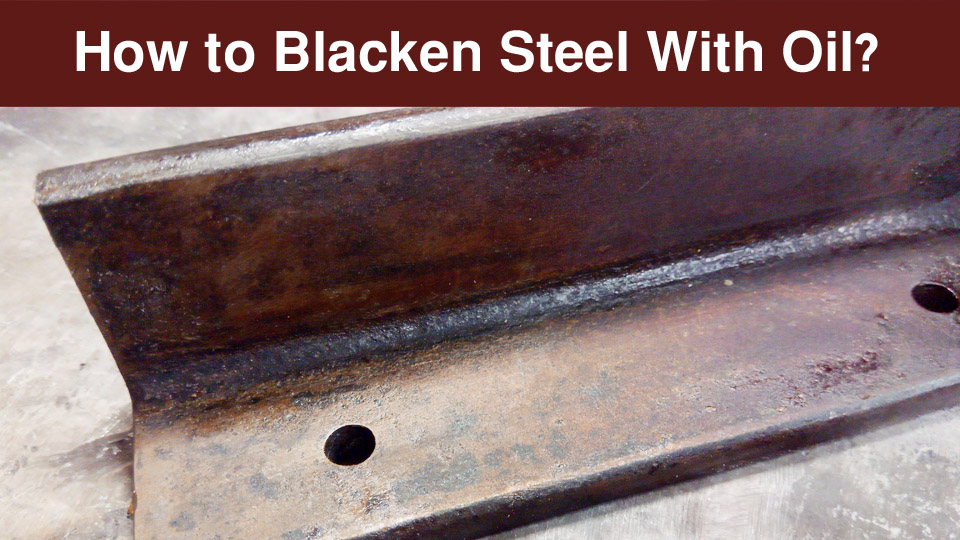
Image by reddit
What Is Oil Blackening and Why Do It?
Oil blackening is a process where you heat steel and apply oil to create a dark, protective coating. The heat and oil react with the steel’s surface to form a layer of black oxide. This isn’t paint—it’s a chemical change that bonds with the metal. I love it because it gives steel a sleek, matte black finish that’s both stylish and functional.
Why bother? First, it protects against corrosion. I’ve used oil blackening on everything from knife blades to motorcycle parts, and it holds up well against rust.
Second, it’s durable. Unlike paint, it won’t chip or peel. Third, it’s cheap and easy to do at home with basic tools. I remember blackening a set of custom brackets for a client’s vintage car—it looked amazing and held up through years of use. Plus, it’s safer than chemical blackening, which uses harsh acids.
Science Behind Oil Blackening
Let’s talk about what’s happening when you blacken steel with oil. When you heat steel to a high temperature (around 400°F to 600°F), the surface becomes reactive.
Applying oil at this point causes it to burn and bond with the steel, forming a thin layer of black oxide (mostly magnetite, Fe3O4). This layer is tough and sticks tightly to the metal.
The type of oil matters, too. I’ve experimented with motor oil, vegetable oil, and even linseed oil. Each gives slightly different results, but they all work by creating that oxide layer.
The key is getting the steel hot enough to react but not so hot it warps or burns off the oil too quickly. It’s a balance, and I’ll share how to nail it.
Tools and Materials You’ll Need
Before we start, let’s gather what you need. I keep these in my shop for oil blackening:
- Steel parts: Clean, bare steel works best. Avoid stainless steel—it doesn’t blacken well.
- Heat source: A propane torch, gas forge, or even a kitchen oven for small parts.
- Oil: Motor oil, vegetable oil, or linseed oil. I use motor oil for a consistent finish.
- Tongs or pliers: For handling hot steel safely.
- Wire brush or sandpaper: To clean the steel before and after.
- Metal container: For quenching or applying oil.
- Safety gear: Gloves, safety glasses, and a fire-resistant apron. Hot oil can splash!
- Rags or paper towels: For applying oil and cleaning up.
- Ventilation: A fan or open window to clear fumes.
Keep a fire extinguisher nearby. Oil and heat can be a fire hazard. I learned this when a rag caught fire during one of my first attempts. Safety first!
Step-by-Step Guide to Blackening Steel With Oil
Alright, let’s get to the fun part—blackening your steel. I’ll break it down into simple steps based on how I do it in my shop.
Clean the Steel Thoroughly
Start with clean steel. Any dirt, grease, or rust will mess up the finish. I use a wire brush or sandpaper to scrub the surface until it’s shiny. For stubborn grease, I wipe it down with acetone or soapy water and dry it completely. Clean steel ensures the oil bonds evenly. I once skipped this step and ended up with a patchy finish—don’t make that mistake.
Heat the Steel
Heat your steel to the right temperature, usually between 400°F and 600°F. If you’re using a torch, move it evenly across the surface until the steel turns a dull red or blue.
In my forge, I keep a close eye on the color. For small parts, a kitchen oven set to 450°F works great. The goal is to get the steel hot enough to react with the oil but not so hot it warps.
Apply the Oil
Carefully apply a thin layer of oil. I dip a rag in motor oil and wipe it onto the hot steel. You’ll see smoke and maybe some flames—that’s normal.
The oil burns and forms the black oxide layer. Work quickly but carefully to avoid over-applying. If you’re blackening a large piece, do it in sections to keep the heat consistent.
For small parts, I sometimes quench them in a container of oil. Just dip the hot steel into the oil and stir gently. This method gives a darker, more even finish but can be messier. I used this for a set of knife handles, and the result was a deep, glossy black.
Cool and Clean
Let the steel cool naturally to room temperature. Once it’s cool, wipe off any excess oil with a clean rag. If the finish looks uneven, you can lightly sand it with fine sandpaper and repeat the process. I usually give the steel a quick polish with a soft cloth to bring out the matte sheen.
Inspect the Finish
Check your work. The steel should have a uniform, dark black or gray finish. If it’s patchy, you may need to clean and reheat. I test for durability by rubbing the surface with a cloth—it shouldn’t flake or wear off. If it does, the steel wasn’t hot enough, or the oil didn’t bond properly.
Choosing the Right Oil for Blackening
Not all oils are equal for blackening. Here’s a table I put together based on my experiments to help you choose:
| Oil Type | Pros | Cons | Best For |
|---|---|---|---|
| Motor Oil | Consistent, dark finish; affordable | Strong fumes; messy cleanup | General use, large parts |
| Vegetable Oil | Food-safe; easy to find | Lighter finish; less durable | Small projects, food-safe parts |
| Linseed Oil | Deep, glossy finish; durable | Expensive; takes longer to apply | Decorative pieces, knives |
| Gun Oil | Smooth finish; easy to apply | Costly; not ideal for large parts | Firearms, precision parts |
I stick with motor oil for most projects because it’s cheap and reliable. But for decorative pieces, like a custom knife I made for a client, linseed oil gave a richer finish. Experiment to see what works for your project.
Common Mistakes to Avoid
I’ve made my share of screw-ups, so let me save you some headaches. Here are the big mistakes to watch out for:
- Dirty steel: Skipping the cleaning step leads to a splotchy finish. Always start with a clean surface.
- Overheating: Too much heat can warp the steel or burn off the oil before it bonds. Stay in the 400°F–600°F range.
- Too much oil: Piling on oil creates a gooey mess. A thin layer is all you need.
- Poor ventilation: Oil fumes are no joke. I once blackened steel in a closed garage and got dizzy from the smoke. Open a window or use a fan.
One time, I overheated a steel plate and ended up with a warped, uneven finish. It was a pain to fix, so take your time and keep the heat steady.
Safety Tips for Oil Blackening
Working with hot steel and oil can be risky, so safety is key. Here’s what I always do:
- Wear heavy-duty gloves and safety glasses. Hot oil can splash, and steel stays hot longer than you think.
- Work in a well-ventilated area. Fumes from burning oil can be harmful.
- Keep a fire extinguisher handy. Oil fires are rare but possible.
- Use tongs to handle hot steel. I burned my fingers once by grabbing a piece too soon—lesson learned.
- Keep flammable materials away from your workspace. A stray rag can ignite easily.
Advanced Tips for a Professional Finish
Once you’ve got the basics down, here are some tricks I use to make my blackened steel stand out:
Preheat the oil: Warm the oil slightly (not boiling) before applying. It bonds better and gives a smoother finish.
Multiple coats: For a deeper black, repeat the process two or three times. I do this for high-end projects like custom tools.
Polish lightly: After blackening, a quick buff with fine steel wool enhances the matte look without removing the oxide layer.
Test on scrap: Before blackening a big project, practice on a scrap piece of the same steel. It helps you dial in the heat and oil.
I used the multiple-coat trick on a set of fireplace tools, and the client raved about the rich, uniform finish. It’s worth the extra effort for special pieces.
Maintaining Your Blackened Steel
The black oxide layer is durable, but it’s not invincible. To keep your steel looking great:
- Wipe it down regularly with a dry cloth to remove dust or moisture.
- Apply a thin coat of oil (like gun oil) every few months to maintain the finish.
- Avoid abrasive cleaners—they can scratch the oxide layer.
- Store in a dry place to prevent rust. I keep my blackened tools in a dry toolbox with silica packets.
I once neglected a blackened knife, and it started to rust in humid weather. A quick re-oiling fixed it, but regular care would’ve prevented it.
Suggestions for Your Next Project
Ready to try oil blackening? Here are some ideas to get you started:
- Custom knives: Blacken a blade for a rugged, tactical look.
- Motorcycle parts: Blacken brackets or exhaust components for a sleek, rust-resistant finish.
- Home decor: Make blackened steel candle holders or wall art for a modern vibe.
- Tools: Blacken chisels or wrenches for a professional, durable finish.
Start with small projects to build confidence, then tackle bigger ones. Keep a log of your heat settings and oils—it helps you refine your technique.
Transform Your Steel With Oil Blackening
Oil blackening steel is one of those skills that feels like magic when you get it right. The first time I blackened a knife blade, I couldn’t stop admiring the deep, even finish. It’s not just about aesthetics—it’s about creating parts that are tough, rust-resistant, and built to last.
I’ve had my share of mistakes, like patchy finishes or minor oil fires, but each one taught me how to do it better. With the steps and tips I’ve shared, you’re ready to transform your steel projects into something special.
Frequently Asked Questions
What kind of steel can I blacken with oil?
Most carbon steels work great, like 1018, 1045, or 1095. Avoid stainless steel—it doesn’t form a good oxide layer with this method.
Can I use a kitchen oven to blacken steel?
Yes, for small parts, an oven set to 450°F works well. Just make sure to ventilate the area, as oil fumes can build up.
How long does the black oxide finish last?
With proper care, it can last years. Wipe it down regularly and apply a light coat of oil to prevent rust.
Why is my blackened finish uneven?
Uneven finishes usually come from dirty steel, uneven heating, or too much oil. Clean the steel thoroughly and apply a thin, even coat of oil.
Is oil blackening safe to do at home?
Yes, if you follow safety precautions. Work in a ventilated area, wear gloves and glasses, and keep a fire extinguisher nearby.
Can I blacken large steel parts?
Yes, but work in sections to keep the heat consistent. A larger heat source, like a forge, helps with big pieces.


