
If you’re scratching your head wondering what’s the difference between sterling silver and stainless steel, you’re not alone. Whether you’re a DIYer crafting custom jewelry, a hobbyist building decorative pieces, a pro welder on industrial jobs, or a student learning material properties, understanding these metals is key to picking the right one for your welding project.
I’ve spent years in the shop, welding everything from structural steel to delicate silver pieces, and let me tell you—choosing the wrong metal can lead to cracked welds, corrosion, or a piece that just doesn’t last. This matters for weld integrity, material compatibility, and cost efficiency. Let’s dive in like we’re chatting over a workbench and break down these metals for your next project.
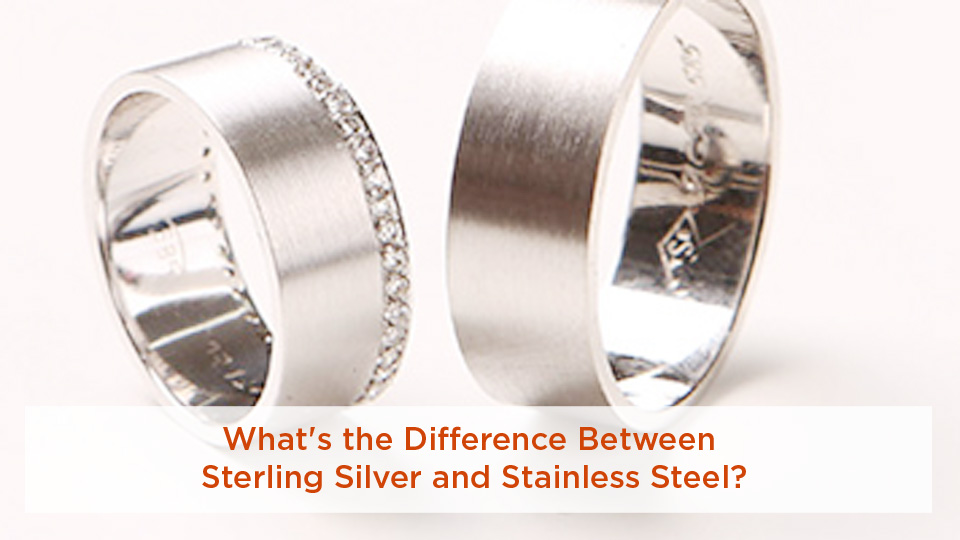
Image by hongfactory
Why Material Choice Matters in Welding
Picking between sterling silver and stainless steel isn’t just about looks—it’s about performance, durability, and safety. A bad choice could mean a weld that fails under stress, corrodes in harsh environments, or costs you extra time and money. I once saw a rookie try to weld sterling silver with a filler meant for stainless, and the result was a brittle mess that cracked under light pressure.
Knowing the differences ensures your welds hold up, whether you’re crafting a custom ring or fabricating a food-grade tank. Let’s explore the properties, welding techniques, and practical tips to make your projects shine.
What Is Sterling Silver?
Sterling silver is an alloy made of 92.5% pure silver and 7.5% other metals, usually copper. That mix gives it strength while keeping the lustrous, shiny look silver is known for. It’s soft compared to most metals, with a low melting point around 1,640°F (893°C), which makes it a favorite for jewelry, decorative items, and small-scale crafts.
Properties of Sterling Silver
Sterling silver is gorgeous but finicky. It’s highly conductive, so it heats up fast when welding. It’s also prone to oxidation, forming a black tarnish if not handled right. Its softness means it deforms easily, which can be a headache for structural work. I’ve used it for custom belt buckles, and while it looks stunning, you’ve got to be gentle to avoid warping.
When to Use Sterling Silver
Use sterling silver for aesthetic projects—think jewelry, ornamental pieces, or art. It’s not structural; you wouldn’t weld it for a bridge or a pressure vessel. DIYers and hobbyists love it for rings, pendants, or custom silverware because it’s workable and polishes to a mirror finish. If you’re in a shop making high-end decor, sterling silver’s your go-to for that premium look.
What Is Stainless Steel?
Stainless steel is an iron-based alloy with at least 10.5% chromium, which gives it its signature corrosion resistance. Other elements like nickel, molybdenum, or carbon tweak its properties for strength or workability. It’s tough, with a melting point around 2,550°F (1,400°C), and comes in grades like 304 (food-grade) or 316 (marine-grade).
Properties of Stainless Steel
Stainless is a workhorse. It resists rust, handles heat well, and holds up under stress. It’s harder than silver, so it’s less likely to dent or scratch. However, it conducts heat poorly, which can lead to localized hot spots when welding. I’ve welded stainless tanks for food processing plants, and its durability is why it’s a staple in industries like construction, automotive, and manufacturing.
When to Use Stainless Steel
Choose stainless for functional, durable projects. Think kitchen equipment, structural components, or outdoor sculptures that need to withstand weather. Pros use it for pipes, railings, or chemical tanks under codes like ASME or AWS D1.6. DIYers might pick it for a custom BBQ grill or trailer parts because it’s tough and low-maintenance.
Differences Between Sterling Silver and Stainless Steel
Let’s put these metals head-to-head to see how they stack up for welding projects. This’ll help you decide which to use, whether you’re in a garage or a high-stakes job site.
Composition and Structure
Sterling silver: 92.5% silver, 7.5% copper. Soft, ductile, and prone to oxidation.
Stainless steel: Iron, chromium, nickel, and more. Hard, strong, and corrosion-resistant.
I’ve seen sterling silver deform under light hammering, while stainless holds firm even under heavy loads.
Melting Point and Weldability
Sterling silver melts at a lower temperature (1,640°F vs. 2,550°F for stainless), making it easier to weld with low-heat processes. Stainless requires more heat and control to avoid warping. I once overheated a stainless pipe and got distortion—lesson learned: keep the heat tight.
Corrosion Resistance
Stainless steel is the champ here, resisting rust and chemicals thanks to its chromium content. Sterling silver tarnishes quickly without a protective finish. For outdoor projects, stainless is your friend; silver’s better for indoor, polished pieces.
Strength and Durability
Stainless is far stronger, ideal for structural or high-stress applications. Sterling silver’s softness limits it to decorative uses. If you’re welding a handrail, go stainless. For a necklace pendant, sterling’s perfect.
Cost and Availability
Sterling silver is pricier due to its silver content—think $20-$30 per ounce for raw material. Stainless is cheaper, often $1-$5 per pound, and widely available in sheets, bars, or pipes. For budget-conscious DIYers, stainless is more cost-effective.
Appearance
Sterling silver has that iconic bright, reflective sheen, perfect for jewelry. Stainless has a sleek, industrial look but can be polished to shine. I’ve polished stainless to a mirror finish for custom fixtures—it’s versatile but less “precious” than silver.
| Aspect | Sterling Silver | Stainless Steel |
|---|---|---|
| Composition | 92.5% silver, 7.5% copper | Iron, chromium, nickel |
| Melting Point | ~1,640°F (893°C) | ~2,550°F (1,400°C) |
| Corrosion Resistance | Tarnishes easily | Excellent, rust-resistant |
| Strength | Soft, low strength | High strength, durable |
| Cost | Expensive | Affordable |
| Uses | Jewelry, decor | Structural, industrial |
Welding Sterling Silver: Techniques and Tips
Welding sterling silver is delicate work, usually done with TIG (GTAW) for precision. Here’s how I approach it in the shop.
Best Welding Process
TIG is king for sterling silver. It lets you control heat input to avoid burning through the soft metal. Use a small tungsten electrode (1/16-inch) and argon shielding gas for a clean arc. I’ve tried MIG on silver, but it’s too hot and messy for small pieces.
Filler and Settings
Use a silver-based filler rod, like a 92.5% silver alloy, to match the base metal. Set your TIG welder to AC (alternating current) at 20-50 amps for thin pieces (1-2 mm). Keep a tight arc length, about 1/16-inch, to avoid oxidation.
Joint Prep
Clean the surface with a degreaser and wire brush to remove oils or tarnish. Sterling oxidizes fast, so weld soon after cleaning. I once skipped this and got black spots in my weld—cleanliness is everything.
Common Mistakes
- Overheating: Too much heat causes warping or holes. Fix: Use a foot pedal to pulse the current.
- Poor Shielding: Inadequate argon flow leads to tarnish. Fix: Set gas flow to 15-20 cfh.
- Wrong Filler: Using non-silver filler causes brittleness. Fix: Always match the filler to sterling.
Safety Tips
Wear a welding helmet with a shade 8-10 lens for TIG. Use gloves to avoid burns, and ventilate well—silver fumes can irritate. I always keep a fan running when welding jewelry to stay comfortable.
Welding Stainless Steel: Techniques and Tips
Stainless steel is tougher to weld but versatile. Here’s how I tackle it, whether for a railing or a custom tank.
Best Welding Process
TIG is great for precision, like thin stainless sheets. MIG (GMAW) is faster for thicker sections or production work. Stick (SMAW) works with rods like E308L for field repairs. I’ve used MIG for stainless exhausts—quick and reliable.
Filler and Settings
For TIG, use ER308L or ER316L filler wire to match common grades like 304 or 316. For MIG, use the same wire with a 98% argon/2% CO2 mix. Set TIG to DCEN (electrode negative) at 80-150 amps for 1/8-inch material. For MIG, 25-30 volts and 150-200 amps work for similar thicknesses.
Joint Prep
Grind or brush the surface to remove oxide layers or contaminants. Bevel edges for thicker joints (over 1/4-inch) to ensure full penetration. I’ve had welds fail inspection due to poor prep—take the time to clean.
Common Mistakes
- Excess Heat: Causes warping or sensitization (chromium depletion). Fix: Use pulse welding or lower amps.
- Wrong Gas: Pure argon for TIG; avoid high CO2 mixes in MIG to prevent spatter. Fix: Check gas mix.
- Dirty Welds: Contaminants cause porosity. Fix: Clean thoroughly and use stainless brushes.
Safety Tips
Use a shade 10-12 lens for TIG/MIG. Wear PPE and ventilate—chromium fumes are hazardous. I always use a respirator for stainless to be safe.
Step-by-Step Guide to Welding Sterling Silver
Let’s walk through welding a sterling silver pendant, like I did for a custom jewelry piece.
- Prep the Metal: Clean with acetone and a stainless steel brush. Avoid cross-contamination with steel tools.
- Set Up TIG Welder: Use a 1/16-inch tungsten, AC, 30 amps, argon at 15 cfh.
- Fit-Up: Align pieces tightly; silver doesn’t tolerate gaps well.
- Weld: Strike a short arc, pulse with a foot pedal, and feed silver filler slowly.
- Cool: Let it cool naturally to avoid cracks.
- Clean: Polish with a soft cloth to restore shine.
- Inspect: Check for cracks or tarnish. Reweld if needed.
This process gave me a flawless pendant that impressed a client.
Step-by-Step Guide to Welding Stainless Steel
Now, let’s weld a stainless steel pipe for a food-grade application.
- Prep the Metal: Grind the joint to remove oxide. Bevel edges for a V-groove on 1/4-inch pipe.
- Set Up MIG Welder: Use ER308L wire, 98% argon/2% CO2, 25 volts, 160 amps.
- Fit-Up: Ensure tight fit-up for full penetration.
- Weld: Run a root pass, then fill with stringer beads. Keep a steady travel speed.
- Cool: Allow controlled cooling to avoid distortion.
- Clean: Brush with a stainless steel brush to remove slag.
- Inspect: Check for porosity or cracks, possibly with dye penetrant.
This got me a clean, code-compliant weld for a brewery tank.
Applications in Welding Projects
Sterling Silver
- Jewelry: Rings, necklaces, bracelets. TIG for precision.
- Decorative Art: Sculptures, ornaments. Silver’s shine stands out.
- DIY Projects: Custom silverware or small crafts. Hobbyists love its workability.
Stainless Steel
- Industrial: Tanks, pipes, railings under ASME or AWS D1.6.
- Automotive: Exhaust systems, roll cages. MIG for speed.
- DIY: Grills, furniture, or outdoor structures. Stainless lasts forever.
Industry Standards and Compliance
In the USA, stainless steel welds often follow AWS D1.6 or ASME Section IX for structural or pressure vessel work. Sterling silver isn’t typically code-driven but may need to meet jewelry industry standards for purity. I’ve had to certify stainless welds for food-grade applications—clean prep and proper filler are non-negotiable.
Cost Efficiency and Practical Considerations
Sterling silver is expensive, so use it sparingly for high-value projects. Stainless is budget-friendly, especially for large-scale or functional work. For DIYers, stainless sheets are cheaper than silver stock. Pros save by buying stainless in bulk for repetitive jobs.
Common Mistakes and Fixes
- Sterling Silver: Overheating causes holes. Fix: Pulse weld and lower amps.
- Stainless Steel: Sensitization from too much heat. Fix: Use low-heat techniques and proper filler.
- Both: Cross-contamination. Fix: Use dedicated brushes for each metal.
I once mixed up brushes and got steel particles in a silver weld—ruined the piece. Now, I label everything.
Safety Considerations for Both Metals
- Sterling Silver: Fumes can irritate lungs. Use ventilation and a shade 8 lens.
- Stainless Steel: Chromium fumes are toxic. Wear a respirator and use a shade 10-12 lens.
- General: Fire-resistant clothing, gloves, and a well-ventilated shop are musts.
I keep a fire extinguisher handy after a spark ignited some rags—safety first.
Conclusion
Now you know what’s the difference between sterling silver and stainless steel and how to weld them like a pro. Sterling silver is your go-to for beautiful, delicate jewelry and decorative pieces, welded with low-heat TIG for precision. Stainless steel is the tough, corrosion-resistant choice for structural, industrial, or outdoor projects, versatile with TIG, MIG, or stick. Armed with the right techniques, fillers, and settings, you can tackle any project with confidence, whether you’re a DIYer crafting a silver pendant or a pro welding a stainless tank.
FAQ
Can you weld sterling silver to stainless steel?
It’s tough due to different melting points and properties. Use TIG with a silver-based filler and low heat, but expect challenges with bonding. For best results, mechanically join them instead, like soldering or riveting.
What’s the best welding process for stainless steel?
TIG for precision and thin materials; MIG for speed and thicker sections. Stick works for field repairs with E308L rods. Choose based on your project’s needs and equipment.
Why does sterling silver tarnish when welded?
Welding heats the metal, causing oxidation with air exposure. Use argon shielding gas and clean the surface thoroughly before welding to minimize tarnish.
Is stainless steel cheaper than sterling silver for welding projects?
Yes, stainless steel is much cheaper—$1-$5 per pound vs. $20-$30 per ounce for sterling silver. For budget-conscious projects, stainless is the practical choice.
What filler rod should I use for sterling silver?
Use a 92.5% silver alloy filler to match the base metal. For stainless, use ER308L or ER316L depending on the grade. Always match filler to the base metal for strong welds.


