
Can you weld cast steel to steel? This question often perplexes welders due to the unique challenges posed by the differing properties of these materials.
Cast steel, distinct in composition and microstructure from regular steel, requires special considerations when welding to ensure a strong and reliable bond.
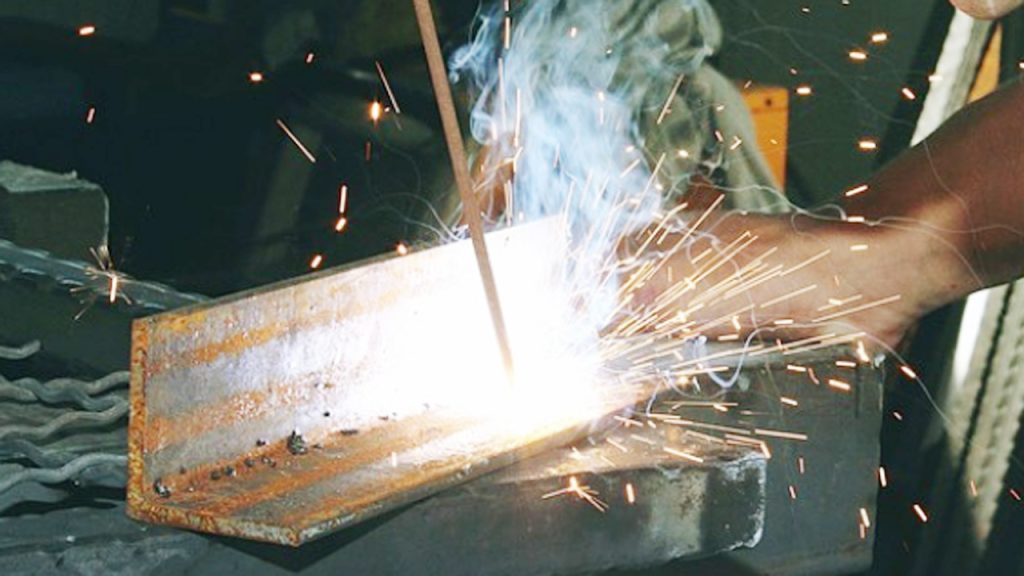
Image by thepipingmart
We will delve into the complexities of welding cast steel to steel, exploring the factors that influence the process and the best practices to achieve successful outcomes.
Can you weld cast steel to steel?
Cast steel and regular steel differ not only in their properties but also in their chemical compositions and microstructures. Cast steel, created by melting iron and other materials together, exhibits varying levels of carbon and alloying elements that contribute to its distinct characteristics.
Regular steel is typically more uniform in composition, making it relatively easier to weld. Understanding these fundamental variances is crucial when contemplating welding cast steel to steel.
Welding cast steel to regular steel requires a deep understanding of the metallurgical disparities between the two materials. Cast steel, known for its higher melting point and alloy content, demands precise welding techniques to ensure proper fusion and structural integrity.
By comprehending the unique properties of cast steel, welders can adapt their approach to accommodate these differences and achieve successful welds that meet the required standards.
The microstructural complexity of cast steel presents challenges during the welding process, necessitating meticulous preparation and execution. Differences in grain structure and hardness between cast steel and regular steel can impact the weld joint’s strength and durability.
To overcome these challenges, welders must employ specialized welding methods and consumables tailored to the specific requirements of welding cast steel to steel.
Welding Cast Steel to Regular Steel: Is It Possible?
Welding cast steel to regular steel is indeed possible, albeit with certain complexities that demand attention to detail and expertise. The key to a successful weld lies in understanding the nuances of both materials and employing appropriate welding techniques to overcome the challenges posed by their differing properties.
While the process may be more intricate than welding regular steel to steel, with the right approach and preparation, achieving a strong and reliable weld between cast steel and regular steel is achievable.
When considering welding cast steel to regular steel, welders must assess factors such as material compatibility, joint design, and welding parameters to ensure a successful outcome. The selection of welding methods, filler materials, and preheat temperatures plays a crucial role in determining the weld’s quality and integrity.
By carefully evaluating these variables and adhering to best practices, welders can navigate the complexities of welding cast steel to steel with confidence and precision.
While the challenges of welding cast steel to regular steel should not be underestimated, with proper planning and execution, welders can overcome these obstacles and create high-quality weld joints that meet the desired specifications.
By acknowledging the differences between cast steel and regular steel and implementing tailored welding strategies, welders can achieve successful outcomes in welding applications that involve these two distinct materials.
Challenges of Welding Cast Steel to Regular Steel
Welding cast steel to regular steel presents a unique set of challenges that require careful consideration and expertise to overcome. One of the primary challenges is the disparity in melting points between cast steel and regular steel.
Cast steel typically has a higher melting point due to its alloy content, necessitating precise control of welding temperatures to prevent overheating or underheating of the materials.
Another significant challenge is the difference in chemical compositions between cast steel and regular steel, which can impact the weldability and mechanical properties of the joint.
The presence of alloying elements such as carbon, manganese, and silicon in cast steel requires specialized welding techniques and consumables to ensure proper fusion and structural integrity. Welders must carefully manage these variables to avoid issues such as cracking, distortion, or poor weld quality.
In addition to melting points and chemical compositions, the microstructural differences between cast steel and regular steel pose challenges during the welding process.
Variations in grain size, hardness, and microhardness can affect the weld joint’s strength and toughness, highlighting the importance of thorough surface preparation and joint design.
By addressing these challenges proactively and employing appropriate welding practices, welders can overcome the complexities of welding cast steel to regular steel and achieve durable and reliable welds.
Preparing the Surfaces for Welding
Before embarking on the welding process, proper surface preparation is essential to ensure the integrity and quality of the weld joint between cast steel and regular steel. Cleaning the surfaces thoroughly to remove any contaminants, oxides, or impurities is critical for promoting strong adhesion and fusion during welding.
Additionally, proper joint fit-up and alignment are crucial to creating a sound weld that withstands mechanical stresses and environmental conditions.
Surface preparation for welding cast steel to regular steel may involve techniques such as grinding, degreasing, and preheating to optimize the welding conditions and promote metallurgical bonding between the materials.
By meticulously preparing the surfaces and eliminating surface defects or irregularities, welders can enhance the weld joint’s strength and durability. Proper surface preparation sets the foundation for a successful weld and minimizes the risk of defects or weld discontinuities that could compromise the integrity of the joint.
Choosing the Right Welding Method for Cast Steel to Regular Steel
Selecting the appropriate welding method is crucial when welding cast steel to regular steel, as different techniques offer varying advantages and challenges based on the materials’ properties.
Common welding methods for joining cast steel to steel include shielded metal arc welding (SMAW), gas metal arc welding (GMAW), and flux-cored arc welding (FCAW). Each method has its unique characteristics and suitability for specific welding applications.
Shielded metal arc welding (SMAW), also known as stick welding, is a versatile and widely used welding process that can be employed for welding cast steel to regular steel. SMAW offers excellent penetration and can accommodate variations in joint fit-up and welding positions, making it well-suited for challenging welding scenarios.
Gas metal arc welding (GMAW) and flux-cored arc welding (FCAW) are also viable options for welding cast steel to steel, providing high deposition rates and good weld bead appearance.
When choosing the right welding method for welding cast steel to regular steel, welders should consider factors such as material thickness, joint design, welding position, and desired weld characteristics.
By selecting the most appropriate welding method based on these considerations, welders can optimize the welding process and achieve high-quality welds that meet the required specifications.
Experimenting with different welding methods and techniques can help identify the most efficient and effective approach for welding cast steel to regular steel.
Best Practices for Successful Welding of Cast Steel to Regular Steel
To ensure successful outcomes when welding cast steel to regular steel, adhering to best practices and industry standards is essential. Proper planning, preparation, and execution are key to achieving strong and reliable weld joints that exhibit excellent mechanical properties and structural integrity.
The following best practices can help welders navigate the complexities of welding cast steel to steel and achieve optimal results:
- Conduct thorough material analysis and selection to identify suitable welding consumables and techniques for joining cast steel to regular steel.
- Implement proper joint design and fit-up to promote full penetration and fusion of the weld joint.
- Control welding parameters such as heat input, travel speed, and interpass temperature to prevent issues such as cracking, distortion, or incomplete fusion.
- Perform post-weld heat treatment as needed to relieve residual stresses and enhance the weld joint’s mechanical properties.
- Inspect and test the weld joint using non-destructive testing methods to verify its integrity and quality.
By following these best practices and maintaining a meticulous approach to welding cast steel to regular steel, welders can overcome the challenges associated with these materials and create weld joints that meet the highest standards of quality and performance.
Welding Cast Steel to Regular Steel: Common Issues and Troubleshooting
Despite careful preparation and execution, welding cast steel to regular steel can encounter common issues that affect the weld joint’s quality and integrity. Some of the typical issues that welders may encounter when welding cast steel to steel include:
Cracking
Cracking can occur due to rapid cooling rates, high residual stresses, or hydrogen embrittlement during the welding process. To address cracking issues, controlling heat input, preheating the materials, and using low-hydrogen welding consumables can help mitigate the risk of cracks.
Distortion
Distortion of the weld joint can result from uneven heating and cooling rates, inadequate joint fit-up, or excessive weld shrinkage. Proper welding techniques, such as backstepping and controlled cooling, can help minimize distortion and maintain the weld joint’s dimensional stability.
Poor Fusion
Incomplete fusion between cast steel and regular steel can lead to weak and unreliable weld joints. Ensuring proper cleaning of the surfaces, optimizing welding parameters, and using suitable filler materials can enhance fusion and promote metallurgical bonding between the materials.
Weld Discontinuities
Weld defects such as porosity, slag inclusions, or lack of penetration can compromise the weld joint’s quality. Conducting visual inspections, radiographic testing, or ultrasonic testing can help identify and address weld discontinuities to ensure the weld’s integrity.
By recognizing these common issues and implementing effective troubleshooting strategies, welders can address welding challenges promptly and prevent potential defects that may impact the weld joint’s performance and durability.
Safety Precautions When Welding Cast Steel to Regular Steel
Safety is paramount when welding cast steel to regular steel, as the welding process involves various hazards and risks that require careful mitigation. Welders should adhere to strict safety protocols and practices to protect themselves and others from potential injuries and health hazards. Some essential safety precautions to consider when welding cast steel to steel include:
Personal Protective Equipment (PPE): Wear appropriate PPE such as welding helmets, gloves, safety glasses, and protective clothing to shield against arc radiation, sparks, and heat.
Ventilation: Ensure adequate ventilation in the welding area to disperse fumes, gases, and airborne particles generated during the welding process.
Fire Safety: Keep fire extinguishing equipment nearby and maintain a fire-safe work environment to prevent welding-related fires or accidents.
Electrical Safety: Follow electrical safety guidelines and precautions to prevent electrical shocks or hazards while welding.
Training and Certification: Obtain proper training and certification in welding techniques and safety practices to ensure competency and proficiency in welding operations.
By prioritizing safety and adhering to established safety guidelines, welders can create a secure working environment and minimize the risks associated with welding cast steel to regular steel.
Alternative Solutions for Joining Cast Steel and Regular Steel
In some cases, welding may not be the most suitable method for joining cast steel to regular steel, especially when dealing with complex geometries or dissimilar materials.
Alternative solutions such as mechanical fastening, adhesive bonding, or brazing can offer viable options for creating strong and durable connections between cast steel and regular steel.
These alternative joining methods provide flexibility and versatility in joining applications where welding may not be feasible or practical.
Mechanical fastening techniques such as bolting, riveting, or screwing can be effective for securing cast steel components to regular steel structures without the need for welding.
Adhesive bonding, using high-strength adhesives or epoxy resins, offers a non-invasive method of joining cast steel to steel while providing excellent bonding strength and corrosion resistance.
Brazing, a process that uses a filler metal with a lower melting point to join materials, can also be utilized for creating robust connections between cast steel and regular steel.
When considering alternative solutions for joining cast steel and regular steel, factors such as load-bearing requirements, environmental conditions, and material compatibility should be taken into account.
By exploring alternative joining methods and selecting the most appropriate technique for specific applications, engineers and fabricators can achieve reliable and efficient connections between cast steel and regular steel.
Conclusion
The question of whether you can weld cast steel to steel is met with a resounding “yes,” albeit with a recognition of the challenges and complexities involved in the process.
Welding cast steel to regular steel requires a thorough understanding of the materials’ properties, meticulous preparation, and precise execution to achieve strong and reliable weld joints.
By acknowledging the differences between cast steel and regular steel, selecting the right welding methods, and following best practices, welders can overcome the challenges and create weld joints that meet the highest standards of quality and performance.
Whether opting for traditional welding methods or exploring alternative joining solutions, the key to success lies in informed decision-making and adherence to safety and quality standards throughout the welding process.
By approaching the task of welding cast steel to steel with knowledge, skill, and attention to detail, welders can tackle the complexities of joining these materials and produce weld joints that withstand the test of time and application.
With the right techniques and expertise, welding cast steel to regular steel can be a rewarding endeavor that yields durable and resilient connections in various industrial and structural applications.


