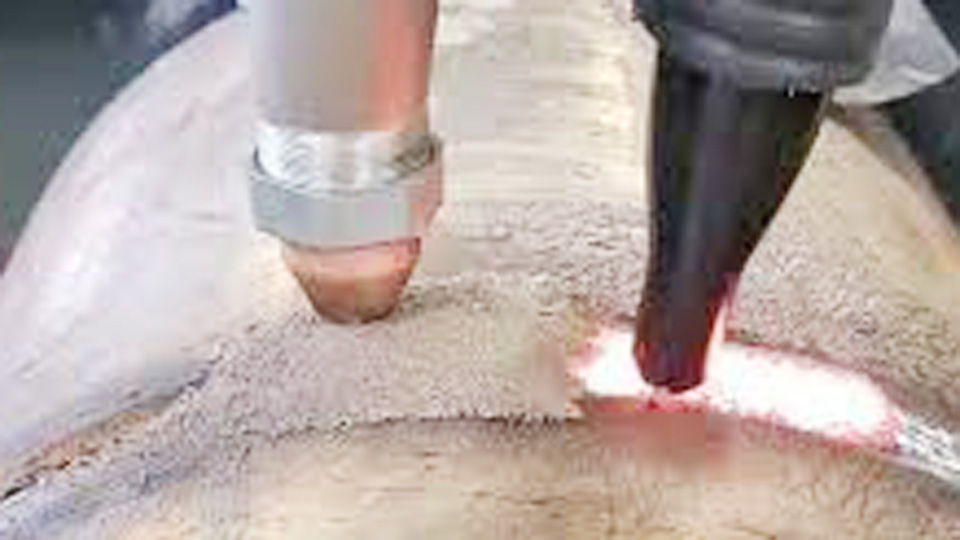
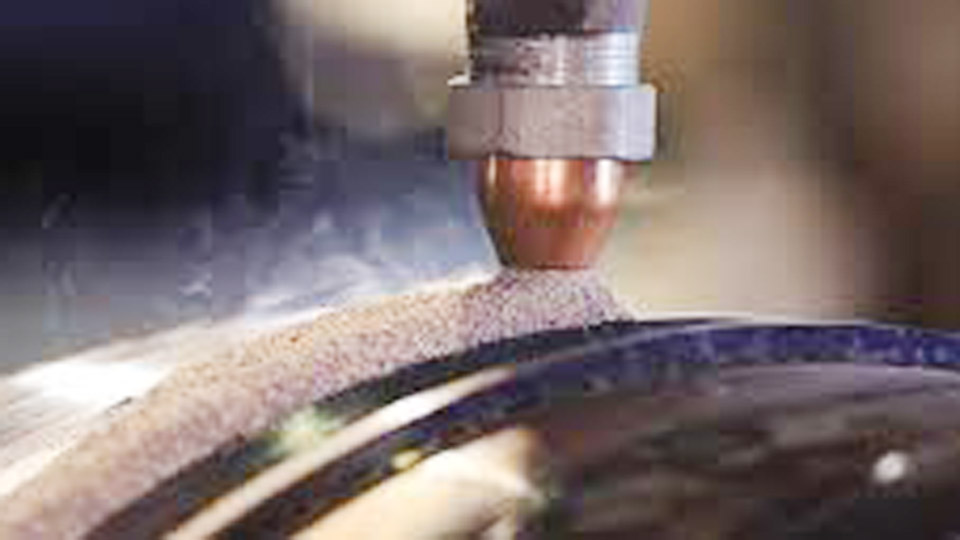
If you’ve ever watched someone weld, you’re probably familiar with the bright flashes of light and the need for safety gear. But submerged arc welding, or SAW, is a little different. Instead of seeing a flash of light, the welding area is covered, almost hidden, under a blanket of granular material called flux.

Image by fractory
This process is known for its efficiency and strength, but it also has a unique way of operating that sets it apart from other types of welding. So, what exactly is submerged arc welding, and how does it work? Let’s dive into it together.
What is Submerged Arc Welding (SAW)?
In simple terms, submerged arc welding is a welding method that uses an electric arc between a continuously fed electrode and the workpiece. The “submerged” part refers to how the welding arc is hidden beneath a layer of flux, which serves a protective role throughout the welding process.
This flux helps keep contaminants away from the weld, ensuring a high-quality, consistent result. It’s a favorite in industries that need strong, durable welds for heavy-duty projects, like shipbuilding and pipeline construction.
In this process, the flux itself becomes essential to both the quality of the weld and the protection of the welder. Unlike in traditional welding, where sparks fly and the arc is visible, SAW offers a smoother, quieter, and less fume-intensive experience.
Components of Submerged Arc Welding
Understanding the basic elements of submerged arc welding is important to see how each part works together. Let’s break down the essential components that make SAW possible.
Welding Power Source
The power source in SAW provides the necessary energy to create the arc. This power source can be either AC or DC, depending on the type of weld and materials involved. The power controls how much heat is applied, which directly impacts the weld’s depth and quality.
Electrode Wire
The electrode is a continuous wire that feeds into the weld area, melting as it joins with the workpiece. This electrode wire not only supplies the material for the weld but also acts as a conductor for the current, making it essential for the entire process. The choice of electrode type and thickness depends on the materials being welded.
Flux
Flux in SAW is a granular substance, usually made of compounds like silica, lime, or manganese. It covers the weld area, creating a protective blanket over the molten weld pool. The flux plays multiple roles: it shields the weld from contaminants, stabilizes the arc, and even contributes to the weld’s chemical properties. Once the welding is done, the flux can be removed, and any unused portion can be recycled for future use.
Welding Head and Wire Feeder
The welding head holds the electrode and positions it for consistent feed into the weld area. A wire feeder ensures that the electrode wire is supplied at the right speed. This automated system allows for high-speed, continuous welding, which is why SAW is so popular for large-scale industrial applications.
How Does Submerged Arc Welding Work Step-by-Step?
If you’re curious about how all these pieces fit together, here’s a step-by-step look at the process of submerged arc welding.
Step 1: Preparing the Workpiece
Before welding starts, the workpieces need to be prepped. This usually involves cleaning the metal surfaces to remove any dirt, oil, or rust. Good preparation is key to getting a high-quality weld. Once cleaned, the workpieces are clamped or positioned for stability.
Step 2: Setting Up the Welding Equipment
With the workpiece ready, the next step is setting up the SAW equipment. This includes adjusting the power settings, choosing the right electrode and flux, and positioning the welding head. Once everything is set, the equipment is ready to start welding.
Step 3: Laying Down the Flux Layer
Before the arc is struck, a layer of flux is placed over the welding path. This flux is critical because it covers the weld and prevents exposure to air, which could otherwise lead to oxidation or contamination. As the process begins, additional flux is typically fed along with the electrode to keep a consistent covering.
Step 4: Striking the Arc
Once the flux is in place, the arc is struck between the electrode and the workpiece. The intense heat generated by this arc melts both the electrode and a portion of the base material, forming a molten pool. The flux around the arc melts and creates a protective barrier, keeping contaminants out of the weld pool.
Step 5: Continuous Welding
As the welding progresses, the electrode wire continuously feeds into the molten pool. The arc remains hidden under the flux, and the molten metal solidifies to create the weld. Throughout the process, the flux not only protects the weld but also helps stabilize the arc for a consistent, high-quality weld.
Step 6: Cooling and Flux Removal
Once the welding is complete, the flux cools and solidifies on top of the weld. This hardened layer of flux, known as slag, can be chipped away or brushed off to reveal the finished weld underneath. Any remaining flux can be collected, filtered, and reused for future welds.
Benefits of the Flux Layer in Submerged Arc Welding
The flux layer is more than just a cover—it’s a multi-functional element that plays a central role in the SAW process. Here’s how the flux benefits the welding process:
- Protection from Contaminants: The flux layer keeps impurities out, resulting in a cleaner, stronger weld.
- Arc Stabilization: The flux’s properties help keep the arc stable, even at high speeds.
- Reduced Fumes and Spatter: With the arc hidden, there’s less fume release and almost no spatter, leading to a cleaner work environment.
Types of Flux Used in Submerged Arc Welding
There are two main types of flux used in SAW, each with its own unique characteristics.
Fused Flux
Fused flux is created by melting raw materials together and then cooling and crushing them into granules. This flux type doesn’t have the ability to add alloying elements to the weld, making it suitable for standard applications. Fused flux is more stable at high temperatures and can be recycled multiple times.
Agglomerated Flux
Agglomerated flux, on the other hand, is made by binding powdered materials with a bonding agent. It offers the flexibility of adding alloying elements, which can enhance the weld’s properties. It’s more sensitive to moisture, so it requires careful handling to avoid contamination.
Advantages of Submerged Arc Welding
Submerged arc welding has a lot going for it, which is why it’s used in many heavy industries. Here are some key advantages:
- High Speed and Efficiency: SAW’s automated process is fast, making it ideal for large projects.
- Deep Penetration and Strength: SAW welds are strong and durable, perfect for thick metals and heavy-duty applications.
- Low Fumes and Spatter: The flux-covered arc reduces the amount of fume and spatter, making the work environment cleaner and safer.
- Consistent Quality: Automation ensures that each weld is uniform, which is important in industries where precision matters.
Limitations of Submerged Arc Welding
SAW is a powerful tool, but it’s not perfect for every job. Here are a few of its limitations:
- Limited Positioning: SAW works best on flat or horizontal surfaces. It’s not suitable for overhead or vertical welding.
- High Equipment Cost: The specialized equipment and setup for SAW can be costly, which might not be ideal for small-scale projects.
- Not Ideal for Thin Metals: Due to its deep penetration, SAW isn’t suitable for thinner metals, as it can lead to burn-through.
Applications of Submerged Arc Welding
Due to its strength, speed, and efficiency, SAW is used in specific industries where these qualities are needed.
Shipbuilding and Marine Structures
Shipbuilders rely on SAW for the high-strength welds needed in marine construction. The process’s speed and consistency help in building large structures efficiently.
Construction and Heavy Fabrication
SAW is used in the construction of beams, structural supports, and other heavy metal structures. It allows for fast, strong, and reliable welds, crucial for supporting structures.
Pipeline and Pressure Vessel Construction
For pipelines and pressure vessels, SAW is often used to ensure strong, high-quality welds that can handle pressure and resist corrosion. This is especially critical in industries like oil and gas.
Final Thoughts on Submerged Arc Welding
Submerged arc welding is an incredible process that combines strength, efficiency, and quality. With its unique submerged arc, flux layer, and high-speed capability, SAW is perfect for projects requiring strong, consistent welds on thick metals. However, like any welding method, it’s not a one-size-fits-all solution.
For large-scale industrial work where efficiency and durability are key, SAW is hard to beat. But if you need flexibility in positioning, or if you’re working with thinner materials, you might want to consider other welding methods. Ultimately, the best choice comes down to understanding the project’s needs and matching them with the right technique.