Submerged arc welding can feel almost too quiet compared to other processes, but choosing the wrong consumable can still ruin a job fast. I’ve seen SAW welds go from smooth and strong to brittle and inconsistent just because the electrode wasn’t matched to the material or flux.
That’s why understanding what type of electrode is used in submerged arc welding is more important than it first appears. The electrode controls deposition rate, penetration, and mechanical properties of the final weld.
After working on structural and heavy fabrication jobs using SAW, I’ve learned which electrode types perform best under real production conditions.
In this guide, I’ll explain the common SAW electrodes, how they work with flux, and how to choose the right one so your welds come out clean, strong, and reliable every time.
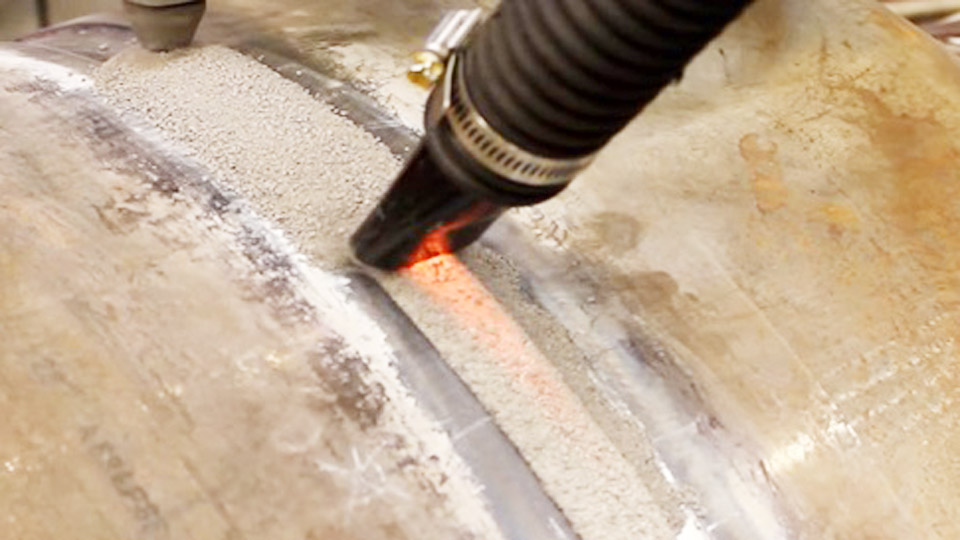
Photo by westermans
Understanding Submerged Arc Welding Basics
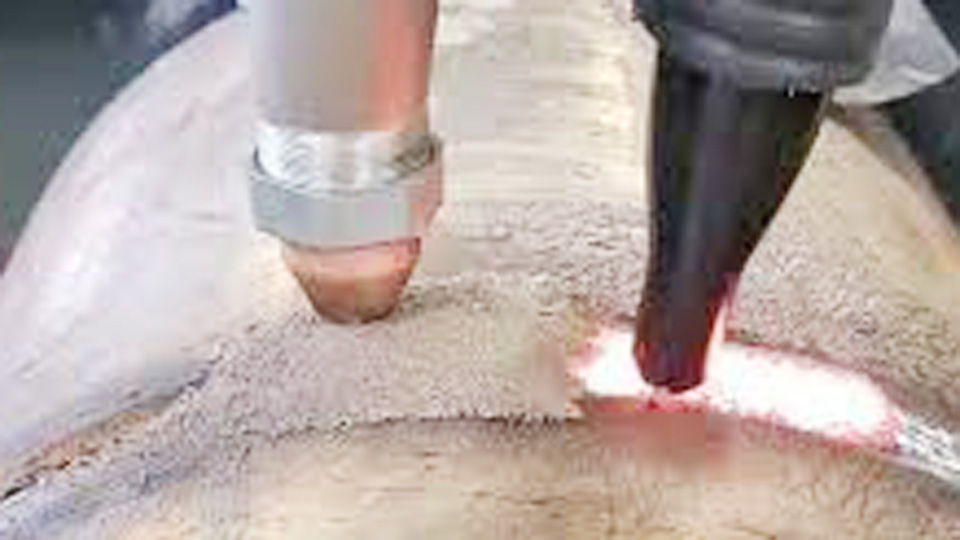
Submerged arc welding is one of those processes that feels almost magical once you get it dialed in. Picture this: an electric arc buried under a blanket of granular flux, melting your wire electrode and base metal to form a solid joint.
No visible arc, no spatter flying everywhere—just smooth, efficient fusion. I remember my first SAW setup; I was skeptical, but after laying down a bead on 1-inch plate, I was hooked. The electrode here is the star— a continuous wire fed automatically from a spool, usually 1/16 to 1/4 inch in diameter.
How does it all come together? The wire electrode strikes an arc with the workpiece, and the flux covers everything, protecting the molten pool from air contaminants. As the arc moves, the flux melts into slag, which you chip off later. This setup allows for high amperage without the drama of other methods.
Use it when you need deep penetration on thick materials, like in structural steel or heavy machinery repairs. Why bother? It ramps up productivity—I’ve clocked deposition rates up to 20 pounds per hour, way faster than stick welding.
From a practical standpoint, start with clean base metal. Mill scale or rust? Hit it with a grinder first, or opt for an active flux to handle minor contaminants. I learned the hard way on a job site in Texas: skipped the prep, and my weld had inclusions that failed inspection.
Lesson? Always preheat if your material’s over 1/2 inch thick—around 200°F for carbon steel—to avoid cracks. Semantic terms like weld pool protection and slag formation pop up a lot here, but think of them as your shields against weak joints.
Types of Electrodes for Submerged Arc Welding
When folks ask what type of electrode is used in submerged arc welding, I always say it’s not a one-size-fits-all deal. We’re talking consumable wires, not the coated rods from stick welding. The most common are solid wires, like EM12K for general carbon steel work—low carbon, medium manganese for balanced strength and ductility.
Then there are cored or composite wires, which pack alloying elements inside for specialized jobs, such as adding nickel for better impact toughness.
Solid wires shine in straightforward applications. Take AWS A5.17 classifications: EL12 for low manganese, EM12K for silicon-killed steel that resists porosity. For low-alloy steels, flip to A5.23—think EA3K with molybdenum for creep resistance in high-temp environments like boilers. I’ve used EH14 on heavy plate; its high manganese boosts toughness in cold weather fab work.
Cored wires? They’re game-changers for custom alloys. Prefix ‘EC’ in classifications, they let you tweak compositions without changing the base wire. Use them when you need precise control, like in sour service pipelines where nickel can’t exceed 1%.
Practical tip: Match wire diameter to your amperage—1/8 inch for 400-600 amps on thick stock. Store them dry; moisture pickup leads to hydrogen cracking, something I fixed on a rushed job by baking the spool at 250°F for an hour.
Why choose one over the other? Solid for cost-efficiency on clean, high-volume runs; cored for enhanced properties in demanding specs. Common mistake: Ignoring diffusible hydrogen levels—aim for H8 or lower to dodge cracks in high-strength steels.
How to Choose the Right Electrode for Your SAW Project
Picking the right electrode feels like matchmaking—base metal chemistry, joint type, and end-use all play in. Start with your material: Carbon steel? Go EM12 or EL8 for basic strength. Low-alloy like A516? EH12K adds manganese for better weldability.
I once mismatched on a wind tower project—used a low-manganese wire on high-strength plate, ended up with brittle welds that needed grinding out. Cost me a day.
Consider mechanical requirements. Need high tensile? Look at F7A classifications for 70 ksi minimum. Impact toughness for cold climates? F7A6 hits -60°F Charpy values. PWHT coming up? Opt for ‘P’ designations that hold properties after heat treat.
Flux pairing is crucial—active fluxes add silicon/manganese for single-pass over rust, but neutral ones keep chemistry stable in multi-pass.
Hands-on advice: Test on scrap first. Set your machine to 500 amps, 30 volts, 20 ipm travel for 1/4-inch wire on 1-inch plate. Watch the bead profile—too narrow? Bump voltage. Too wide? Slow the feed. Factor in US codes like ASME Section IX; they dictate qualified procedures. For DIYers, start simple with Lincoln L-61 equivalent—versatile and forgiving.
Semantic clusters here include electrode classification systems, wire composition effects, and selection based on weld properties. Don’t overlook wall neutrality number (WN#)—under 35 for neutral fluxes in thick sections to avoid excess hardness.
Flux and Electrode Combinations in SAW
Flux isn’t just filler; it’s the electrode’s partner in crime. In SAW, granular flux blankets the arc, melting to shield and refine the weld. Types? Bonded flux for alloy additions, fused for consistency in clean welds. Pair a solid EM12K wire with active flux like Lincoln 761 for single-pass on mill-scaled plate—it picks up silicon to deoxidize.
Why combine specific ways? Active fluxes (high WN#) boost deposition but can over-alloy in multi-pass, leading to cracks. Neutral (low WN#) maintain balance for deep grooves. I’ve sworn by neutral on pressure vessels—keeps hardness under 248 BHN for NACE compliance.
Practical insights: Calculate basicity index (BI) roughly—higher BI for better toughness in multipass. Store flux dry; rebake at 500°F if damp. Common fix: If your weld beads slaggy, switch to fused flux for easier removal. Examples from US shops: For API 5L pipe, use F7A2-EM12K combo for 70 ksi as-welded.
Setting Up Your SAW Machine: Practical Tips
Getting your SAW rig ready is half the battle. First, mount the wire spool—ensure it’s straight to avoid birdnesting. I recall a hobbyist pal who skipped this; his wire tangled mid-bead, ruining a custom gate.
Machine settings: For carbon steel, try 400-600 amps DC electrode positive (DCEP) for penetration. Voltage 28-35V controls arc length—higher for wider beads. Travel speed 15-25 ipm; too fast causes undercut. Joint prep: Bevel 30 degrees for butt welds over 1/2 inch, clean to bright metal.
Safety first: Flux dust is no joke—wear a respirator. Ground properly to avoid shocks. For students, practice on flat plate before grooves.
Anecdote: On a fab job in California, I dialed in AC power for tandem wires—doubled deposition without burn-through.
Common Mistakes in SAW and How to Fix Them
Even pros slip up. Top mistake: Poor flux coverage—leads to porosity. Fix? Use a hopper for even distribution. Another: Wrong polarity—DCEN boosts deposition but shallows penetration; switch to DCEP for deep joints.
Overheating? High heat input warps thin stock—drop amps or speed up. I fixed a distorted beam once by adding chill bars. Inclusions from dirty wire? Clean with alcohol wipe. For hobbyists, don’t rush multi-pass; let interpass cool to 300°F max.
Lessons learned: Always check diffusible hydrogen—high levels crack high-strength steels. Test with a hydrogen analyzer if possible.
Advantages and Disadvantages of SAW Electrodes
SAW electrodes excel where others falter. Pros: Massive deposition rates mean fewer passes, saving time on long seams. Deep penetration handles thick materials effortlessly—I’ve welded 2-inch plate in one go. Low fumes and spatter make it shop-friendly, aligning with OSHA standards.
Cons: Limited to flat or horizontal positions—no overhead tricks. Setup takes time, not ideal for quick repairs. Flux handling adds mess; slag chipping is labor. For DIY, initial cost stings—good machines run $5K+.
Compared to MIG: SAW’s deeper, but MIG’s versatile. Table below breaks it down:
| Process | Deposition Rate | Penetration | Position Flexibility | Fume Level |
|---|---|---|---|---|
| SAW | High (up to 20 lb/hr) | Deep | Limited (flat/horizontal) | Low |
| MIG | Medium (5-10 lb/hr) | Moderate | All positions | Medium |
| Stick | Low (2-5 lb/hr) | Shallow | All positions | High |
Pros of SAW wires: Consistent feed, alloy flexibility. Cons: Moisture sensitivity, need for flux match.
Real-World Applications in US Welding Shops
In the States, SAW dominates heavy industries. Think shipyards in Virginia using tandem wires for hull seams—high speed, strong joints meet ABS codes. Pipeline crews in the Dakotas rely on it for X70 steel; EM14K with neutral flux ensures sour service compliance.
For fabrication hobbyists, it’s great for building trailers—deep welds on frames without distortion. Pros in auto plants use it for chassis; I’ve seen Ford lines automate SAW for efficiency. Students? Practice on structural beams to learn codes like AWS D1.1.
Examples: Wind towers in Texas use multi-wire setups for circumferential welds. Pressure vessels in refineries demand PWHT-compatible electrodes like F7P6.
Step-by-Step Guide to Performing Submerged Arc Welding
Ready to try? Here’s how I do it in the shop.
Step 1: Prep materials—clean, bevel joints 30-60 degrees based on thickness.
Step 2: Set up machine—load 1/8-inch EM12K wire, fill hopper with neutral flux.
Step 3: Parameters: 500A DCEP, 32V, 20 ipm travel, 1-inch stickout.
Step 4: Position workpiece flat, start arc—watch flux blanket form.
Step 5: Weld steadily; automate if possible for long runs.
Step 6: Cool, chip slag, inspect for defects like cracks.
Tip: For multi-pass, backgouge first pass if needed. On a bridge repair, this sequence saved me hours.
Conclusion
You’ve now got the lowdown on what type of electrode is used in submerged arc welding—from solid EM12K wires for everyday carbon steel to cored options for alloy tweaks. We’ve covered why it matters for safety, strength, and savings, plus hands-on tips to avoid pitfalls.
Whether you’re a DIYer welding up a workbench or a pro tackling industrial beasts, you’re better equipped to select the right combo, set your machine, and lay down flawless beads. Always run a test weld on scrap matching your job—it catches issues early and builds confidence. Keep welding smart, and stay safe out there.
Can you use stick electrodes in submerged arc welding?
No, stick electrodes aren’t suited for SAW—they’re coated rods for manual processes like SMAW. SAW demands continuous wire from a spool for automation and flux coverage. Stick to wire electrodes for best results.
What flux should I pair with my SAW electrode?
It depends on your job. Active flux for single-pass over contaminants, neutral for multi-pass to control alloying. Check basicity index—higher for toughness. Always match to your wire’s classification for optimal chemistry.
How does SAW electrode choice affect weld toughness?
Electrode composition directly impacts Charpy values. High-manganese wires like EH14 boost impact resistance in cold temps. For -40°F specs, go F7A4 classifications. Test post-weld to confirm.
Is submerged arc welding good for beginners?
It’s approachable with practice, but setup-heavy. Start with simple flat plates and basic wires like EL12. Focus on parameters—wrong settings lead to defects. Great for learning automation once basics click.
What’s the difference between solid and cored SAW electrodes?
Solid wires are uniform for consistent, cost-effective welds in clean setups. Cored add alloys inside for custom properties, like nickel for corrosion resistance. Use cored when base metal needs enhancement without changing processes.