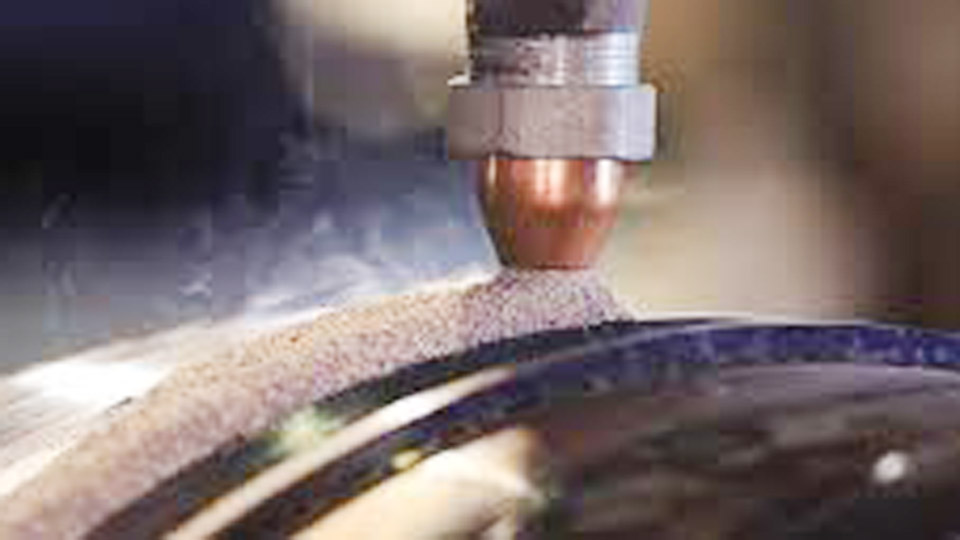
If you’re diving into submerged arc welding (SAW), you’ve probably wondered about the role of flux. It’s not just some powdery stuff you pour over your weld—it’s the unsung hero that makes SAW such a reliable, high-quality process. I’ve spent countless hours in the shop, running beads on heavy plate and pipe, and I can tell you flux is what separates a clean, strong weld from a mess.
Whether you’re a DIYer building a trailer, a hobbyist crafting art, a pro on a structural job, or a student learning the trade, understanding flux is key to mastering SAW. Let’s break it down like we’re chatting in the shop, so you can see why flux matters for weld integrity, efficiency, and safety.
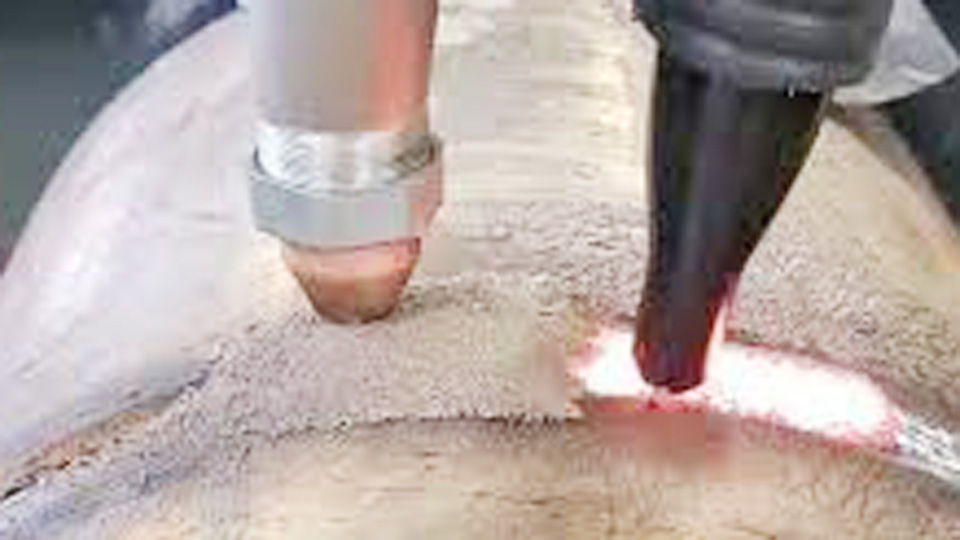
Image by reddit
Why Flux Matters in Submerged Arc Welding
Submerged arc welding is a powerhouse process used for heavy-duty applications like shipbuilding, pipelines, and structural steel. Flux in SAW isn’t just an accessory—it’s central to the process, protecting the weld pool, shaping the bead, and ensuring the final weld meets strict codes like AWS D1.1 or ASME Section IX. Without flux, you’d get porous, brittle welds that fail under stress.
I’ve seen bad flux choices ruin a perfectly good weld, costing time and money. Understanding its function helps you choose the right flux, set up your machine, and produce welds that pass inspection and stand the test of time.
What Is Submerged Arc Welding?
Before we dive into flux, let’s set the stage. SAW is an automated or semi-automated welding process where an electric arc forms between a continuously fed wire electrode and the workpiece, all buried under a blanket of granular flux.
The arc is “submerged” under this flux, which shields the weld from air and sparks. It’s a go-to for thick materials like steel plates or pipes, delivering deep penetration and high deposition rates. I’ve used SAW on massive I-beams, and it’s a beast for cranking out long, consistent welds fast.
How SAW Works
You’re welding a 1-inch-thick steel plate for a pressure vessel. Your SAW setup includes a wire feeder, a power source, and a hopper dumping flux over the weld zone. The arc burns under the flux, melting the wire and base metal to form a weld pool.
The flux melts too, creating a slag that protects the weld as it cools. The result? A smooth, strong bead with minimal cleanup. It’s efficient, but the flux is what makes it all work.
The Role of Flux in Submerged Arc Welding
Flux in SAW is a granular material, usually a mix of oxides, silicates, and other compounds, that does multiple jobs during welding. It’s like the Swiss Army knife of welding—shielding, stabilizing, and improving the weld in ways you can’t see but definitely feel in the results. Let’s break down its key functions.
Shields the Weld Pool
The primary job of flux is to protect the molten weld pool from atmospheric gases like oxygen and nitrogen. These gases can cause porosity (tiny holes) or embrittlement, weakening the weld. The flux blanket covers the arc, blocking air and creating a clean environment for the weld pool. I’ve seen welds go bad without enough flux—porosity shows up like Swiss cheese on an X-ray, and that’s a reject every time.
Forms Protective Slag
As the flux melts, it forms a layer of slag over the weld bead. This slag shields the hot weld from air as it cools, preventing oxidation and cracking. It also helps shape the bead, giving it a smooth, uniform look. On a pipeline job, I noticed how clean SAW beads looked compared to stick welds, thanks to the slag. Once cooled, the slag chips off easily, revealing a polished weld.
Stabilizes the Arc
Flux helps maintain a stable arc, which is critical for consistent welds. It conducts electricity and smooths out arc fluctuations, reducing spatter and ensuring steady penetration. I’ve run SAW on long seams where a stable arc meant hours of uninterrupted welding—no stops, no defects, just pure productivity.
Adds Alloying Elements
Some fluxes add alloying elements to the weld pool, tweaking the weld’s chemistry for better strength, toughness, or corrosion resistance. For example, on a high-strength steel job, I used a flux with manganese and silicon to match the base metal’s properties. Choosing the right flux ensures your weld meets material specs and code requirements.
Removes Impurities
Flux acts like a cleaner, pulling impurities like oxides or sulfur out of the weld pool. This results in a purer, stronger weld. I’ve seen dirty base metal cause inclusions, but a good flux can minimize those issues, saving you from costly rework.
Types of Flux for Submerged Arc Welding
Not all fluxes are created equal. Each type has unique properties that affect weld quality, deposition rate, and slag removal. Here’s a rundown of the main types I’ve worked with in the field.
Fused Flux
Fused flux is made by melting raw materials and then crushing them into granules. It’s uniform, moisture-resistant, and produces a smooth bead. I’ve used fused flux on structural steel jobs for its consistent performance, but it’s less forgiving if you need to tweak weld chemistry.
Bonded Flux
Bonded flux is a mix of dry ingredients bonded together. It’s more versatile, allowing manufacturers to add alloying elements for specific applications. I’ve found bonded flux great for high-strength steels, but it can absorb moisture, so store it properly to avoid hydrogen cracking.
Agglomerated Flux
Agglomerated flux is similar to bonded but uses a binder to hold particles together. It’s customizable and often used for stainless steel or low-alloy steels. On a pressure vessel job, I used agglomerated flux to get precise control over weld properties, but it’s pricier.
Pros and Cons of Flux Types
| Flux Type | Pros | Cons |
|---|---|---|
| Fused | Moisture-resistant, consistent | Limited alloying flexibility |
| Bonded | Versatile, customizable | Can absorb moisture |
| Agglomerated | Precise alloy control | Higher cost, sensitive to storage |
How to Choose the Right Flux
Picking the right flux depends on your project’s needs. Here’s what I consider when setting up for SAW.
Material and Weld Requirements
Match the flux to your base metal and filler wire. For mild steel, a general-purpose fused flux with an AWS F7A2-EM12K wire works well. For stainless, go with an agglomerated flux designed for corrosion resistance. Check your project’s welding code (e.g., ASME or AWS) for flux-wire combos. I once used the wrong flux on a low-alloy steel job and got rejected for poor toughness—lesson learned.
Welding Position
SAW is mostly used for flat or horizontal welds, but flux choice affects slag behavior. For deep grooves, choose a flux with fast-freezing slag to prevent runoff. I’ve had slag flow mess up a bead on a sloped plate—stick to fluxes labeled for your position.
Storage and Handling
Flux can absorb moisture, leading to hydrogen-induced cracking. Store it in a dry, sealed container or oven at 250–300°F. On a humid job site, I’ve seen guys skip this step and end up with porous welds. Don’t cut corners here.
Cost vs. Performance
Fused fluxes are cheaper but less versatile. For high-stakes jobs like pipelines, invest in bonded or agglomerated fluxes for better control. If you’re a DIYer, a basic fused flux will do for most home projects.
Step-by-Step Guide to Using Flux in SAW
Let’s walk through how to set up and use flux in SAW, based on my experience welding heavy plate.
Step 1: Prep the Workpiece
Clean the base metal thoroughly—remove rust, oil, and scale with a wire brush or grinder. I once skipped cleaning a rusty plate, and the flux couldn’t handle the impurities, leading to inclusions. Take the extra five minutes to prep.
Step 2: Choose Flux and Wire
Select a flux-wire combo based on your material and code. For A36 steel, I’d use an AWS F7A2 flux with EM12K wire. Check the manufacturer’s spec sheet for compatibility. Double-check your flux is dry—bake it if needed.
Step 3: Set Up the Machine
Adjust your SAW machine settings:
- Voltage: 28–32V for most steel welds. Higher for thicker plates.
- Amperage: 300–600A, depending on wire diameter (1/16” to 5/32”).
- Travel Speed: 10–20 inches per minute for deep penetration.
I tweak these based on bead appearance—too much voltage causes a flat bead; too little makes it ropey.
Step 4: Load the Flux
Pour flux into the hopper, ensuring even coverage over the weld path. Use enough to submerge the arc (about 1–2 inches deep). I’ve seen rookies skimp on flux, exposing the arc and ruining the weld.
Step 5: Weld and Monitor
Start the arc and let the machine do its thing. Watch the flux flow and arc stability. If the arc sputters, check your voltage or flux coverage. On long seams, I keep an eye on the flux hopper to avoid running dry.
Step 6: Clean Up
Once the weld cools, chip off the slag and vacuum up unused flux for reuse (if it’s clean). Inspect the bead for uniformity. A smooth, shiny bead means your flux did its job.
Common Mistakes and Fixes
- Mistake: Using wet flux. Moisture causes porosity or cracking. Fix: Store flux in a dry oven and check for clumping before use.
- Mistake: Wrong flux-wire combo. This messes with weld chemistry. Fix: Always match flux and wire to the base metal and code.
- Mistake: Uneven flux coverage. Exposed arcs lead to defects. Fix: Ensure a consistent 1–2-inch flux blanket.
- Mistake: Incorrect settings. High voltage flattens the bead; low amperage reduces penetration. Fix: Test settings on a scrap piece first.
Safety Considerations
SAW is safe compared to other processes, but flux and equipment need care. Wear a dust mask when handling flux to avoid inhaling fine particles. I’ve coughed up a storm after skipping this—don’t be me. Keep your work area ventilated, as flux can produce fumes. Ensure your machine’s grounding is solid to avoid shocks. For pros, follow OSHA guidelines for handling flux and operating SAW equipment.
Real-World Applications of SAW Flux
SAW with flux is a staple in industries like:
- Shipbuilding: For thick hull plates, flux ensures deep, strong welds.
- Pipelines: Flux protects long seam welds from defects, meeting API 1104.
- Structural Steel: Flux delivers smooth beads for beams and columns under AWS D1.1.
- DIY Projects: Hobbyists use SAW for heavy trailers or farm equipment, where flux simplifies cleanup.
I once welded a massive pressure vessel with SAW, and the flux’s shielding gave us perfect X-ray results. For smaller shops, SAW with flux is great for repetitive welds on thick materials.
Flux Recycling and Sustainability
Unused flux can often be recycled if it’s free of slag or contaminants. Sieve it to remove debris and store it dry. I’ve recycled flux on big jobs to cut costs, but don’t reuse it if it’s been exposed to moisture or oil—it’s not worth the risk. Some shops use flux reclamation systems for efficiency, especially on high-volume projects.
Conclusion
You’re now ready to tackle submerged arc welding with a solid grasp of flux’s role. Flux shields the weld pool, forms protective slag, stabilizes the arc, adds alloys, and cleans impurities, making it essential for strong, clean welds. By choosing the right flux, prepping properly, and dialing in your settings, you can produce welds that pass inspection and hold up under stress. Whether you’re a DIYer, hobbyist, or pro, understanding flux lets you weld with confidence and efficiency.
FAQ
What does flux do in submerged arc welding?
Flux shields the weld pool from air, forms slag to protect the cooling weld, stabilizes the arc, adds alloying elements, and removes impurities. It ensures clean, strong welds with minimal defects.
Can I reuse flux in SAW?
Yes, if it’s clean and free of slag or moisture. Sieve it to remove debris and store it in a dry oven. Don’t reuse contaminated flux—it can cause porosity or cracking.
What’s the best flux for mild steel in SAW?
A fused flux like AWS F7A2 paired with EM12K wire is great for mild steel. It’s cost-effective and produces consistent, clean welds for structural or general fabrication.
How do I avoid porosity in SAW welds?
Use dry flux, clean the base metal thoroughly, and ensure even flux coverage (1–2 inches deep). Check your voltage and amperage to avoid excessive heat, which can trap gases.
Is SAW flux safe to handle?
Flux is generally safe but can produce dust and fumes. Wear a dust mask, ensure ventilation, and store flux dry to avoid moisture-related issues. Follow OSHA guidelines for safety.