When it comes to welding, selecting the right method can make all the difference in the quality, speed, and cost of your project. Today, two of the most talked-about methods are laser welding and MIG welding.
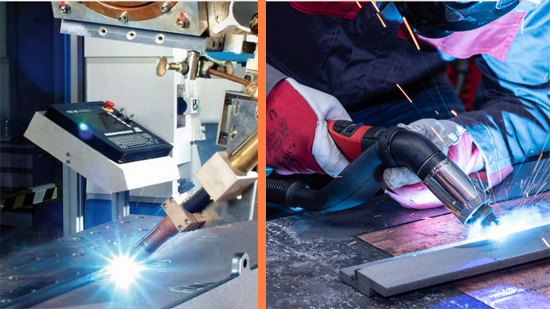
Both have their unique advantages, applications, and specific ways of working with metals, which can make one a better choice over the other depending on your project needs.
Let’s dive into what sets these two methods apart, when each is most suitable, and how they stack up in a head-to-head comparison.
What is Laser Welding?
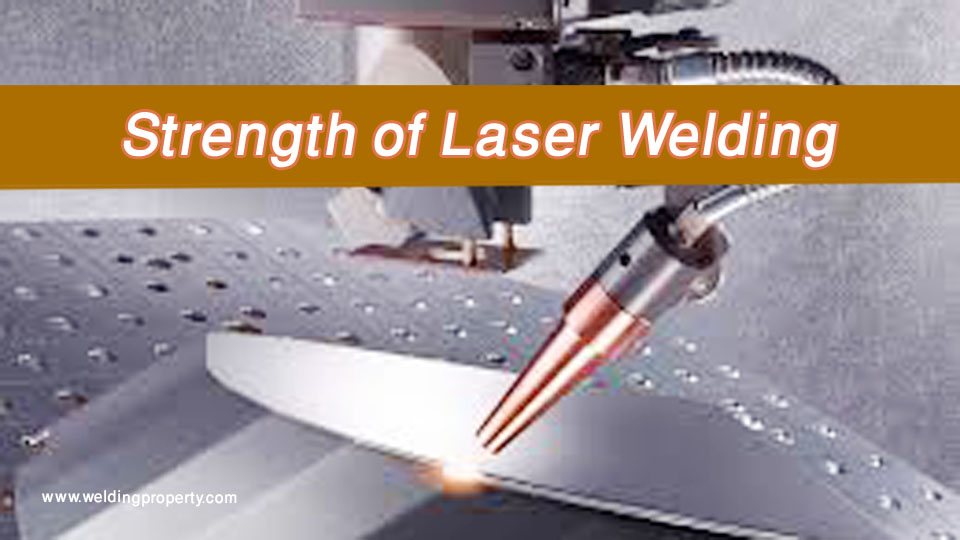
Laser welding, as the name suggests, uses a highly concentrated laser beam to melt and join metal materials. This method is known for its precision and ability to weld at very high speeds. Unlike traditional methods that require physical contact, laser welding uses the heat generated by a laser beam, allowing it to reach areas that may be inaccessible or challenging to weld using other techniques.
Key Benefits of Laser Welding
Laser welding shines when it comes to precision and speed. The focused laser beam allows for pinpoint accuracy, making it ideal for applications that require small, precise welds.
Because the laser can be tightly controlled, there’s minimal heat-affected zone (HAZ) around the weld, which means there’s less distortion in the metal.
Laser welding is commonly used in high-precision industries like aerospace, medical devices, and electronics, where quality is critical. It can work with various metals, from steel and aluminum to precious metals, allowing it to be versatile.
Downsides of Laser Welding
The main drawback of laser welding is the high initial cost. The equipment required for laser welding can be expensive, and setting up the system requires a level of expertise and training.
Additionally, laser welding may not be the best option for thicker materials, as it struggles to penetrate deeper metal layers compared to other welding methods.
What is MIG Welding?
MIG (Metal Inert Gas) welding, or Gas Metal Arc Welding (GMAW), is one of the most popular welding methods today. In MIG welding, an electric arc is created between the metal workpiece and a consumable wire electrode, which melts to form the weld.
Shielding gas protects the weld pool from contamination, making this method relatively easy to use and highly efficient for various types of projects.
Benefits of MIG Welding
MIG welding is a versatile and affordable welding method. It’s user-friendly and can handle a variety of materials and thicknesses, making it ideal for everything from heavy-duty structural applications to smaller repair jobs.
MIG welding’s setup is generally simpler than laser welding, and it’s a go-to for projects requiring strength in thicker metals.
Another plus for MIG welding is its accessibility. Many DIY enthusiasts, small fabricators, and hobbyists rely on MIG welding due to the relatively low equipment costs and ease of learning.
Downsides of MIG Welding
The biggest downside to MIG welding is the heat-affected zone. Since the electric arc produces a fair amount of heat, there’s a risk of warping or distorting the metal, especially with thin or heat-sensitive materials.
MIG welding can produce more spatter, which may require additional cleanup, and it’s generally slower than laser welding.
Differences Between Laser Welding and MIG Welding
Let’s compare laser welding and MIG welding side by side to see how they differ:
| Aspect | Laser Welding | MIG Welding |
|---|---|---|
| Precision | Extremely high; ideal for detailed work | Moderate; suitable for general fabrication |
| Speed | Faster for small, detailed welds | Slower but manageable for larger projects |
| Material Thickness | Best for thin metals | Can handle thicker metals easily |
| Heat-Affected Zone | Minimal; low risk of distortion | Larger; higher risk of distortion |
| Cost | High initial cost; costly equipment | Relatively low equipment and operational costs |
| Ease of Use | Requires training and experience | Beginner-friendly; widely used by DIY enthusiasts |
| Application | Precision industries like aerospace and medical | Common in construction, automotive, and repairs |
When to Choose Laser Welding vs MIG Welding
Understanding when to choose each method depends largely on your project’s unique needs. Let’s look at the ideal applications for each.
When Laser Welding is the Right Choice
Laser welding is best suited for applications where precision and speed are crucial. It’s ideal for thin materials, intricate designs, or components that demand a flawless finish. Industries like aerospace, medical devices, and electronics rely heavily on laser welding for these reasons.
For example, in aerospace manufacturing, the need for precision and minimal distortion makes laser welding a top choice for specific parts.
Laser welding also excels in automated systems due to its precision. If your production line needs highly repeatable welds with minimal variation, a laser welding setup integrated with robotic systems can boost efficiency.
When MIG Welding is the Right Choice
MIG welding, on the other hand, is more practical for heavy-duty applications and projects that require thicker welds. It’s also ideal for beginners or smaller shops that need an affordable, versatile welding method.
MIG welding is widely used in industries like construction, automotive repair, and general fabrication, where strength and durability are essential.
For instance, in automotive repair, MIG welding’s ability to work well with thicker metals and create strong welds makes it invaluable for everything from structural repairs to bodywork.
Pros and Cons of Laser Welding vs MIG Welding
Let’s break down the pros and cons of each method to help you decide.
Laser Welding Pros
- Precision: Perfect for small, intricate, or detailed work.
- Minimal Heat Distortion: Ideal for delicate or heat-sensitive materials.
- Speed: Faster for fine welding tasks and can be automated.
- Durability: Produces high-quality, consistent welds.
Laser Welding Cons
- Costly Equipment: Higher initial investment and operational costs.
- Steeper Learning Curve: Requires specialized training.
- Limited Thickness: Not well-suited for very thick materials.
MIG Welding Pros
- Affordable Equipment: Great for beginners or smaller operations.
- Versatile: Can handle a variety of metals and thicknesses.
- Easy to Learn: Ideal for hobbyists and DIY projects.
- Strength: Effective on thicker materials and heavy-duty applications.
MIG Welding Cons
- Heat-Affected Zone: Higher risk of warping or distortion.
- Slower Speed: Not as fast as laser welding for smaller, detailed welds.
- Spatter and Cleanup: Requires additional post-weld cleaning.
Which Welding Method is Right for You?
Choosing between laser welding and MIG welding depends on factors like your budget, material type, desired precision, and the thickness of the metal.
If your priority is achieving precise, high-quality welds on thinner materials, laser welding may be the better option, especially if you’re working on high-end or specialized projects where precision is non-negotiable.
If you need an affordable, reliable method to handle thicker materials and create strong, durable welds, MIG welding is likely your best bet.
Questions about Laser and MIG Welding
Can laser welding replace MIG welding?
While laser welding can outperform MIG welding in certain applications, it’s not a complete replacement. MIG welding is more suitable for thicker materials and applications where equipment costs need to be kept low. So, both methods have distinct roles, depending on the project.
How much does laser welding equipment cost compared to MIG welding?
Laser welding equipment generally costs significantly more than MIG welding setups. You’re looking at a considerable initial investment for laser welding equipment, whereas MIG welding is more budget-friendly and accessible to smaller shops.
Which welding method is best for beginners?
MIG welding is ideal for beginners due to its ease of use and lower initial costs. It’s widely available and can be mastered with practice, making it a popular choice for hobbyists and small projects.
Is there a difference in strength between laser welding and MIG welding?
Both laser and MIG welding produce strong welds, but the best choice depends on the material thickness. MIG welding tends to be stronger on thicker metals, while laser welding is incredibly strong for thin, precise applications.
Final Thoughts
Both laser welding and MIG welding have their unique advantages and are valuable tools in the world of fabrication. Laser welding offers incredible precision and speed, which can elevate high-end projects that demand perfection.
MIG welding, is the tried-and-true choice for more general applications, making it accessible and versatile for a broad range of projects.
If you’re a DIY enthusiast working in your garage or managing a manufacturing line, knowing the strengths of each method will help you make the best choice for your welding projects.