When it comes to stick welding, one of the most common questions beginners and DIY welders ask is: Should you push or pull the electrode? Just like when you’re scrubbing a stubborn bathroom stain or disinfecting a kitchen surface, the direction and technique matter for the end result.
Choosing the right welding motion can affect penetration, slag removal, and the overall strength of your weld—much like how using the proper cleaning tips ensures a spotless, lasting shine at home.
Many people struggle with messy welds, spatter, or weak joints simply because they aren’t sure whether to push or pull. In this guide, we’ll break down the differences, explain why direction matters, and give you practical advice to get cleaner, stronger welds every time. Think of it as learning the right “stain removal technique,” but for metal.
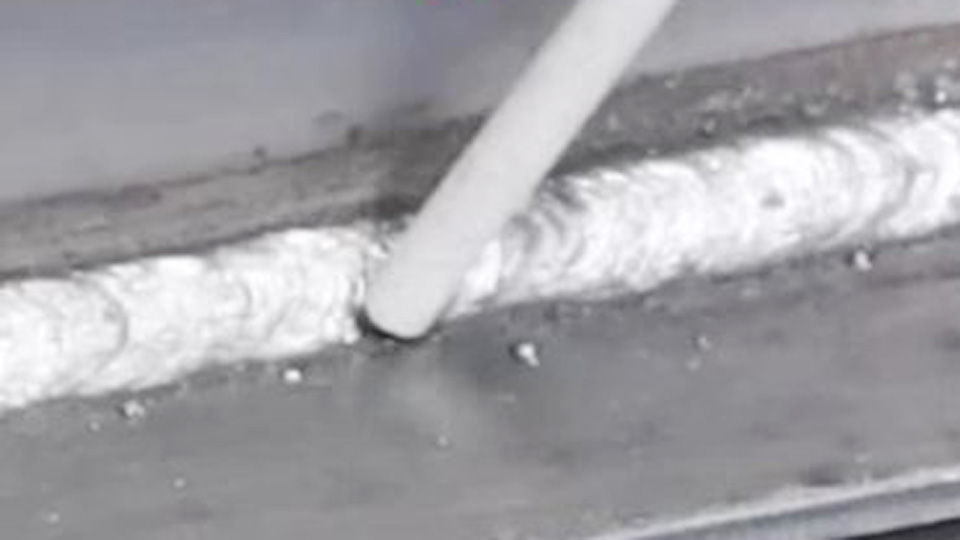
Image by yeswelder
Why the Push vs Pull Debate Matters in Stick Welding
Stick welding is gritty, versatile, and widely used in construction, pipeline work, and repair jobs across the USA. But it’s not forgiving. The electrode, coated in flux, creates a molten weld pool and a layer of slag to protect it from atmospheric contamination.
Mess up your technique, and that slag can ruin your weld. Pushing or pulling affects how the slag behaves, how deep your weld penetrates, and whether your bead looks like a pro’s work or a beginner’s mess.
When I started welding, I pushed my electrode on a 7018 rod, thinking it’d give me a smoother bead. Big mistake. The slag got trapped in the weld pool, and I spent hours grinding out inclusions. Pulling, or dragging, the electrode is the standard for stick welding because it keeps the slag behind the pool, where it belongs.
This ensures a cleaner, stronger weld. But there’s nuance—like vertical uphill welding, where pushing can work better. Understanding these dynamics saves time, materials, and frustration, whether you’re welding mild steel in a shop or stainless in a fab yard.
What Is Stick Welding and Why Does Direction Matter?
Stick welding uses a consumable electrode coated in flux to join metals. An electric arc melts the electrode and the base metal, forming a weld pool. The flux burns off, creating a shielding gas and a slag layer that protects the weld from oxygen and nitrogen in the air. The direction you move the electrode—pushing or pulling—affects how the slag and pool interact.
Pulling means dragging the electrode toward you, with the arc trailing behind the weld pool. This keeps the slag from mixing into the molten metal, reducing defects like inclusions or porosity. Pushing, where you move the electrode away from you, can trap slag in the pool, especially with flux-heavy rods like 6010 or 7018.
Direction also impacts penetration and bead appearance. Pulling typically gives deeper penetration, ideal for thicker materials, while pushing creates a wider, shallower bead, sometimes useful for thin metals or cosmetic welds.
In my early days, I didn’t grasp how much slag control mattered. I’d push on a 6011 rod, only to find my weld full of voids after chipping the slag. A mentor taught me the rhyme: “If there’s slag, you must drag.” It’s stuck with me ever since, and it’s a rule I pass on to every newbie I train.
When Should You Pull in Stick Welding?
Pulling is the default for stick welding in most positions—flat, horizontal, and overhead. Here’s why it’s the go-to and how to do it right.
Why Pull?
Pulling keeps the slag behind the weld pool, preventing it from mixing into the molten metal. This is critical for rods like 7018, 6010, or 6011, which produce heavy slag. Trapped slag causes inclusions, weakening the weld and potentially failing inspections (like AWS D1.1 standards for structural work). Pulling also gives deeper penetration, making it ideal for thicker materials like structural steel or heavy equipment repairs.
How to Pull Correctly
Angle the Electrode: Hold the electrode at a 5-15° angle toward your travel direction. Think of it like dragging a broom—you’re pulling the arc along, not shoving it forward.
Control Arc Length: Keep the arc short, about the diameter of the electrode’s core wire. Too long, and you’ll get spatter and poor penetration.
Steady Speed: Move at a consistent pace to keep the weld pool uniform. Too slow, and you’ll pile up a convex bead; too fast, and you’ll get shallow penetration.
Watch the Pool: The weld pool should stay ahead of the slag. If you see slag creeping into the pool, slow down or adjust your angle.
Practical Tips
Rod Choice: For general-purpose work on mild steel, I use 7018 for its smooth arc and strong welds. For dirty or rusty metal, 6010 or 6011 cuts through better but needs a steady pull to manage slag.
Machine Settings: On a 7018 rod, set your machine to DC electrode positive (DCEP) at 90-120 amps for a 1/8” rod. Adjust based on material thickness—thicker plates need more amps.
Joint Prep: Clean the metal thoroughly. Rust, paint, or oil can cause porosity. I use a wire brush and grinder to get a shiny surface before striking an arc.
Common Mistakes
One time, I was welding a gate in a hurry and didn’t clean the rust off properly. Even pulling correctly, the weld was porous because of contamination. Always take the extra minute to prep. Another mistake is holding too steep an angle—over 15° can cause the slag to roll ahead of the pool, especially in overhead positions.
When Should You Push in Stick Welding?
Pushing in stick welding is less common but has its place, especially in vertical uphill welding. Let’s dive into when and how to push.
Why Push?
Pushing is mainly used when welding vertically up (uphill) on thicker materials. Gravity pulls the molten pool downward, and pushing helps control the pool’s shape and prevents it from sagging. It’s also useful for creating a wider, flatter bead on thin materials or when appearance matters, though this is rare in stick welding.
How to Push Correctly
- Angle the Electrode: Tilt the electrode 10-15° away from the travel direction, pointing upward for vertical welds. This directs the arc into the joint.
- Short Arc: Like pulling, keep the arc tight to avoid spatter and ensure good fusion.
- Weave or Whip: For vertical uphill, use a slight weave or whip motion to stack the weld pool, creating a “shelf” for the next pass. I like a zigzag pattern for 7018 rods.
- Slow and Steady: Move slowly to let the pool freeze before adding more metal. Too fast, and the weld will drip.
Practical Tips
Rod Choice: Use 7018 for vertical uphill—it freezes quickly and holds the pool in place. For tougher conditions, like poor-fit joints, 6010 works but requires a whipping technique.
Machine Settings: For a 1/8” 7018 rod, try 100-130 amps on DCEP. Increase slightly for thicker plates. Test on scrap to dial it in.
Joint Prep: Bevel edges on plates over 1/4” thick for better penetration. A 30° bevel works well for most structural jobs.
Common Mistakes
Pushing too fast in vertical welding is a rookie error I made early on. The weld pool dripped, and I ended up with a weak, ugly bead. Another issue is pushing in flat or horizontal positions with slag-heavy rods—slag gets trapped, and you’ll spend ages grinding it out.
Comparing Push vs Pull in Stick Welding
To make it easier, here’s a comparison table based on my experience and common shop practices.
| Aspect | Pull (Drag) | Push |
|---|---|---|
| Best For | Flat, horizontal, overhead positions | Vertical uphill welding |
| Slag Control | Keeps slag behind pool, reduces inclusions | Risks slag entrapment, except in vertical |
| Penetration | Deeper, better for thick materials | Shallower, better for thin materials |
| Bead Appearance | Narrower, taller bead | Wider, flatter bead |
| Ease of Use | Easier for beginners, better visibility | Trickier, requires steady hand |
| Common Rods | 7018, 6010, 6011 | 7018 (vertical), 6010 (with whip motion) |
When to Choose Each
Pull: Use for most stick welding jobs—flat, horizontal, or overhead—especially with slag-producing rods. It’s safer and cleaner for structural work or repairs.
Push: Reserve for vertical uphill welds or rare cases where a wide, shallow bead is needed. Practice on scrap first, as it’s harder to control.
Rod Types and Their Impact on Push vs. Pull
The electrode you choose affects whether pushing or pulling works best. Here’s a rundown of common stick welding rods and how they behave.
7018
- Characteristics: Low-hydrogen, smooth arc, strong welds. Common in structural and pipeline work.
- Push or Pull?: Always pull in flat or horizontal positions to avoid slag inclusions. Push for vertical uphill to control the pool.
- Settings: 90-120 amps for 1/8” rod on DCEP. Increase for thicker materials.
- Tip: Store 7018 rods in a rod oven to keep them dry. Moisture ruins the flux and causes porosity.
6010/6011
- Characteristics: Fast-freeze, deep penetration, great for dirty or rusty metal. Used in pipelines and repairs.
- Push or Pull?: Pull for most positions to manage slag. In vertical uphill, a whip motion (push and pull) works with 6010 for tight joints.
- Settings: 80-110 amps for 1/8” rod on DCEP or DCEN (check rod specs).
- Tip: Use a short arc and steady pull to cut through rust without excessive spatter.
6013
- Characteristics: Easy to use, light slag, good for thin materials or hobby projects.
- Push or Pull?: Pull for cleaner welds, but pushing can work on thin sheet metal for a wider bead.
- Settings: 70-100 amps for 1/8” rod on DCEP or AC.
- Tip: Great for DIYers—forgiving for inconsistent technique but still needs a steady pull.
Machine Settings and Setup for Stick Welding
Your welding machine’s settings are critical for successful pushing or pulling. Here’s what I’ve learned from years of tweaking my Lincoln Electric stick welder.
Polarity: Most stick rods (7018, 6010, 6011) run on DCEP for better arc stability. 6013 can run on AC for cheaper machines.
Amperage: Start with the rod manufacturer’s recommended range (printed on the box). For a 1/8” 7018, 90-120 amps is a good starting point. Too high, and you’ll get spatter; too low, and the rod sticks.
Arc Control: Some machines have arc force or dig settings. Increase dig for 6010 to prevent sticking; reduce for 7018 for a smoother arc.
Ground Clamp: Attach to a clean, unpainted surface. A weak ground causes arc instability, making pulling or pushing harder.
I once welded a trailer hitch with a weak ground clamp connection. The arc kept stuttering, and my pulls looked like a drunk caterpillar. A quick clean and re-clamp fixed it instantly.
Joint Prep and Safety Considerations
No matter if you push or pull, prep work and safety are non-negotiable. Here’s how to set up for success.
Joint Preparation
- Clean the Metal: Remove rust, paint, or oil with a wire brush or grinder. Clean joints make cleaner welds.
- Bevel Thick Plates: For materials over 1/4”, bevel edges to 30° for better penetration. I use a cutting torch or angle grinder.
- Fit-Up: Ensure tight joints. Gaps over 1/16” need more filler or a backing strip.
Safety Tips
PPE: Wear a welding helmet (shade 10-12 for stick), flame-resistant jacket, gloves, and steel-toe boots. I’ve got burn scars from skipping gloves—don’t be me.
Ventilation: Weld in a well-ventilated area or use a fume extractor. Stick welding fumes are nasty, especially with 7018.
Fire Safety: Keep a fire extinguisher nearby. Sparks can ignite flammable materials, especially in shops with oil or rags.
Step-by-Step Guide to Pulling a Stick Weld
Here’s how I teach new welders to pull a clean stick weld in the flat position using a 7018 rod.
- Set Up the Machine: Set to DCEP, 90-120 amps for a 1/8” rod. Test on scrap metal to dial in the heat.
- Prep the Joint: Clean the metal with a wire brush. Bevel if over 1/4” thick.
- Attach the Ground: Clamp to a clean metal surface near the weld.
- Strike the Arc: Scratch or tap the electrode on the metal to start the arc. Keep it short—about 1/8”.
- Angle the Electrode: Tilt 5-15° toward the travel direction (pulling).
- Move Steadily: Drag the electrode at a consistent speed, keeping the arc in the leading third of the weld pool.
- Watch the Slag: Ensure it stays behind the pool. Adjust speed if it creeps forward.
- End the Weld: Fill the crater at the end to avoid cracks. Break the arc by pulling away smoothly.
- Clean the Weld: Chip off slag with a chipping hammer and wire brush.
Practice this on scrap steel until your beads are straight and uniform. It took me a few weeks of daily practice to get consistent, so be patient.
Step-by-Step Guide to Pushing a Stick Weld (Vertical Uphill)
For vertical uphill welding with a 7018 rod, here’s my approach.
- Set Up the Machine: DCEP, 100-130 amps for a 1/8” rod. Test on scrap.
- Prep the Joint: Clean and bevel as needed. Tight fit-up is critical.
- Ground Clamp: Secure to a clean surface.
- Strike the Arc: Start at the bottom of the joint.
- Angle the Electrode: Tilt 10-15° upward, pointing away from the travel direction (pushing).
- Weave or Whip: Use a zigzag or triangle weave to stack the weld pool. Pause briefly to let each section freeze.
- Control Speed: Move slowly to prevent dripping. The pool should form a shelf.
- Monitor Slag: Ensure it doesn’t roll into the pool. Adjust angle if needed.
- Finish Cleanly: Fill the crater and break the arc smoothly.
- Clean Up: Chip and brush the slag for inspection.
This takes practice—my first vertical welds looked like melted candle wax. Keep practicing on scrap to master the weave.
Real-World Applications and Examples
Stick welding is everywhere in the USA, from skyscraper construction to backyard repairs. Here are a few scenarios where push or pull matters.
Structural Steel (Flat/Horizontal): Welding I-beams for a building? Pull with a 7018 rod for deep penetration and clean welds that pass AWS inspections.
Pipeline Repairs (Vertical): Fixing a pipeline in the field? Push with a 6010 rod using a whip motion for tight joints and fast-freezing welds.
DIY Projects (Thin Metal): Building a custom trailer in your garage? Pull with a 6013 rod for easy control on thinner steel, but push if you need a wider bead for aesthetics.
I once welded a cracked tractor frame for a farmer using 7018 and a pull technique. The deep penetration ensured the repair held up under heavy loads, and the slag stayed out of the weld. Another time, I pushed a vertical weld on a water tank with 6010—it was tricky, but the whip motion kept the pool in place.
Common Mistakes and How to Fix Them
- Slag Inclusions: Caused by pushing in flat positions or poor slag control. Fix by pulling consistently and chipping slag between passes.
- Porosity: Often from dirty metal or a long arc. Clean thoroughly and shorten the arc length.
- Sticking Electrodes: Low amperage or a long arc can cause the rod to stick. Increase amps slightly and keep the arc tight.
- Uneven Beads: Inconsistent speed or angle. Practice a steady pull and watch the pool’s shape.
I’ve made all these mistakes. One time, I rushed a weld with a 6010 rod and got porosity because I didn’t clean the rust off. A quick grind and re-weld fixed it, but it cost me time.
Conclusion: Weld Smarter, Not Harder
Whether you’re a DIYer fixing a gate, a student learning the ropes, or a pro laying beads on a skyscraper, knowing when to push or pull in stick welding is a game-changer. Pulling is your go-to for most positions—flat, horizontal, overhead—because it keeps slag out of the weld pool and ensures strong, clean welds.
Pushing has its place in vertical uphill welding, where gravity demands a different approach. By choosing the right rod, setting up your machine properly, and practicing your technique, you’ll avoid common pitfalls like slag inclusions or weak welds.
You’re now armed with the knowledge to tackle your next stick welding project with confidence. Pick your rod, clean your metal, and pull that electrode for a bead you’ll be proud of. Pro Tip: Always test your settings on scrap metal before starting a critical weld—it saves time and materials in the long run.
FAQ
Why do I keep getting slag inclusions in my stick welds?
Slag inclusions happen when slag gets trapped in the weld pool, often from pushing instead of pulling. Always pull with slag-producing rods like 7018 or 6010 in flat or horizontal positions. Ensure you’re chipping slag between passes and keeping a short arc.
Can I push with a 6013 rod for stick welding?
You can push with 6013 on thin materials for a wider, flatter bead, but pulling is still preferred to avoid slag issues. Use a 10-15° angle and test on scrap to ensure clean welds.
What’s the best rod for stick welding beginners?
6013 is forgiving and easy to use for beginners, with light slag and a smooth arc. Pull at 70-100 amps for a 1/8” rod on DCEP or AC for best results.
How do I set up my machine for vertical uphill stick welding?
For a 1/8” 7018 rod, use DCEP at 100-130 amps. Push with a 10-15° upward angle and a slight weave. Test settings on scrap to avoid dripping.
Is stick welding better than MIG for outdoor work?
Stick welding is ideal for outdoor work because it doesn’t need external shielding gas, unlike MIG. Pull with 6010 or 7018 for strong welds in windy conditions.