
Whether you’re a DIYer tinkering in your garage, a fabrication hobbyist crafting custom projects, a pro welder on a job site, or a student learning the trade, you’ve probably faced the decision: bolt or weld? I’ve been welding for years, from small backyard repairs to heavy structural jobs, and I’ve seen both methods in action.
We’re diving deep into the disadvantages of bolted connections, especially when compared to welding, to help you make informed choices for your projects. This isn’t just about nuts and bolts—it’s about safety, strength, cost, and getting the job done right.
Why does this matter? Bolted connections might seem like the easy, budget-friendly option, but they come with trade-offs that can affect your project’s integrity, longevity, and even your wallet. From weakened steel to maintenance headaches, understanding these downsides can save you from costly mistakes. Let’s break it down, step by step, with real-world insights to guide you through the shop or job site.
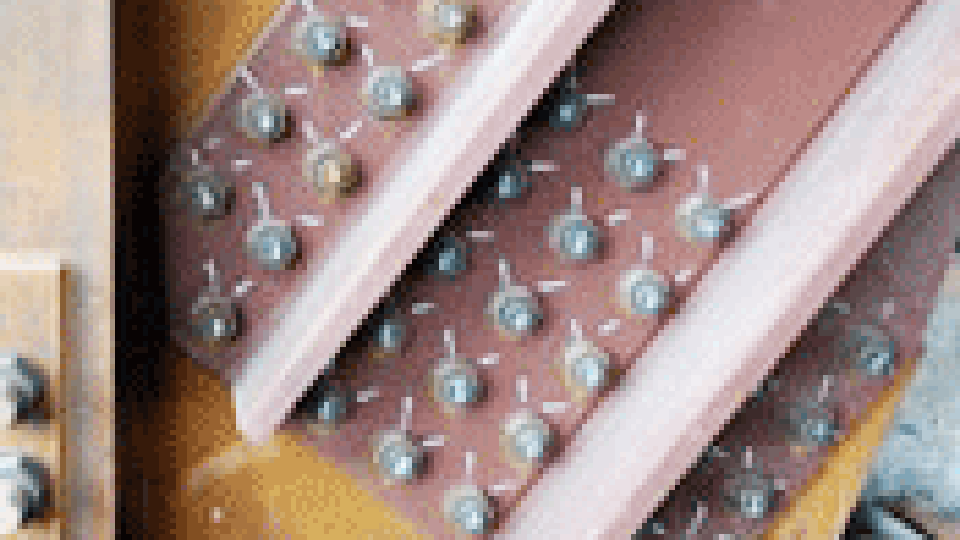
Image by hcsteelstructure
Why Bolted Connections Are Common in Steelwork
Before we get into the disadvantages, let’s talk about why bolted connections are so popular. They’re straightforward: drill a hole, slide in a high-strength bolt, tighten it with a wrench, and you’re done. No need for a certified welder, no fancy equipment, and you can disassemble them later.
In my early days welding farm equipment, I used bolts for quick fixes when I didn’t have my MIG welder handy. They’re great for temporary setups or projects where flexibility is key, like modular structures or machinery that needs frequent adjustments.
What seems simple can come with hidden costs. Bolted connections rely on fasteners—bolts, nuts, and washers—that hold steel together through shear or tension. They’re often used in bridges, buildings, and industrial setups because they’re fast and don’t require the skill of welding. However, the disadvantages pile up when you consider long-term performance, especially in high-stress or dynamic environments.
Weakened Cross-Section from Bolt Holes
One of the biggest downsides of bolted connections is the need to drill holes in your steel. Every hole you punch reduces the cross-sectional area of the material, creating a weak point. I remember working on a trailer frame where we used bolts to connect cross members. The holes became stress concentrators, and cracks started forming under heavy loads. This is a real issue in structural steel, where every bit of material strength counts.
When you drill, you’re removing metal that would otherwise contribute to the structure’s load-bearing capacity. For example, a 1-inch-thick steel plate with a couple of ¾-inch bolt holes loses significant strength, especially in tension. Welded joints, on the other hand, fuse the metal together without compromising the cross-section. If you’re working on a high-load project like a bridge or a crane, this can make a huge difference.
If you must use bolts, oversized holes can cause even more stress concentration. Stick to standard hole sizes and ensure precise alignment during assembly to minimize weakening.
Susceptibility to Loosening Under Vibration
Bolted connections hate vibrations. If you’ve ever worked on machinery or vehicles, you know what I mean. I once helped a buddy fix a vibrating conveyor system that used bolted joints. After a few months, the bolts started loosening, causing misalignment and even a few failures. Dynamic loads, like those in bridges or industrial equipment, can cause bolts to back off over time, especially if they’re not properly torqued or secured with locknuts.
This is where welding shines. A welded joint is rigid and permanent, with no risk of loosening. Sure, welds can crack under fatigue, but with proper technique and inspection, they’re far more reliable in high-vibration environments. For bolted connections, you’ll need regular maintenance checks to retighten bolts, which adds time and cost to your project.
Fixing the Mistake: Use high-strength bolts (like ASTM A325 or A490) and consider thread-locking compounds or lock washers. Torque them to spec using a calibrated torque wrench—don’t just guess with an impact wrench!
Higher Material Costs and Complexity
Bolted connections might seem cheaper at first, but the material costs can add up. You’re not just buying bolts; you need nuts, washers, and sometimes extra plates or angles to make the connection work. I’ve seen projects where the cost of high-quality fasteners rivaled the price of hiring a skilled welder. Plus, steel prices fluctuate, and bolts are sensitive to those changes.
Then there’s the manufacturing complexity. Drilling precise holes requires time and accuracy. Misaligned holes or oversized bores can weaken the joint or make assembly a nightmare. I once spent hours reaming out misaligned holes on a job site because the shop didn’t double-check their measurements. Welding, while labor-intensive, avoids this hassle by fusing the metal directly, no extra hardware needed.
Cost-Saving Tip: If you’re on a budget, compare the total cost of bolts, nuts, and labor for drilling versus welding. For small projects, welding might actually be cheaper if you already have the equipment.
Corrosion Risks at Bolt Interfaces
Corrosion is a silent killer for bolted connections. The interface between the bolt, nut, and steel can trap moisture and debris, creating a perfect environment for rust. I’ve seen this firsthand on outdoor structures like steel fences or bridge supports. Over time, corrosion weakens the joint, especially if you’re using standard bolts without proper coatings.
Welded joints, when done right, create a seamless bond that’s less prone to corrosion. A good weld with proper filler material (like a 7018 rod for low-carbon steel) seals the joint, reducing exposure to moisture. For bolts, you’ll need galvanized or stainless steel fasteners to fight corrosion, but those drive up costs. Even then, regular inspections are a must to catch rust early.
Prep Work Insight: If you’re bolting outdoors, apply a corrosion-resistant coating to the steel and use galvanized bolts. Check for rust during routine maintenance, especially in humid or coastal areas.
Reduced Load Transfer Efficiency
Bolted connections aren’t as efficient at transferring loads as welds. The bolts themselves create points of stress concentration, and the joint relies on friction or shear to hold together. In a shear joint, the bolts bear the load directly, which can lead to deformation or failure under heavy stress. I’ve seen bolted joints slip slightly under dynamic loads, causing misalignment in the structure.
Welded joints, by contrast, distribute stress more evenly across the joint. A full-penetration butt weld, for example, creates a monolithic connection that handles high loads with minimal deformation. This is why welds are often preferred for critical applications like skyscraper frames or pressure vessels.
Machine Setting Tip: If you’re welding instead of bolting, use a MIG welder with 0.035-inch ER70S-6 wire for clean, strong welds on mild steel. Set your machine to around 20-22 volts and 150-200 amps, depending on material thickness, and ensure proper joint prep for full penetration.
Limited Aesthetic Appeal
Let’s be honest—bolted connections aren’t pretty. Those protruding bolts and nuts can make a project look clunky, especially if you’re working on something visible like a custom railing or architectural piece. I once built a decorative gate for a client who insisted on bolts for easy disassembly. The final product worked fine, but it lacked the sleek, seamless look of a welded joint.
Welds, when ground smooth and polished, can create a clean, professional appearance. For projects where aesthetics matter, like furniture or exposed structural beams, welding is the way to go. If you’re stuck with bolts, consider countersunk bolts to reduce protrusion, but you’ll still sacrifice some strength due to the larger holes.
Aesthetic Hack: For bolted connections, paint the bolts and steel with a matching color to blend them in. It won’t fix the strength issues, but it’ll look better for DIY or hobby projects.
Challenges with Disassembly and Modification
One of the selling points of bolted connections is that they’re easy to disassemble. But in practice, this isn’t always smooth sailing. Bolts can seize up due to rust or over-torquing, making removal a pain. I’ve spent hours with a cutting torch freeing rusted bolts on an old machine frame—time I could’ve spent welding a new joint.
Welded joints, while permanent, are often easier to modify by grinding down and rewelding. If you need to adjust a bolted connection, you might need to drill new holes or replace damaged bolts, which adds complexity. For temporary structures, bolts are great, but for long-term stability, welding often wins.
If disassembly is a must, use high-strength bolts with a corrosion-resistant finish and document their torque settings for easier removal later.
Inspection and Maintenance Demands
Bolted connections require regular maintenance to stay safe. You need to check for loose bolts, corrosion, or wear, especially in high-vibration or outdoor environments. I’ve been on job sites where we had to dedicate a full day to inspecting and retightening bolts on a steel platform. It’s tedious and pulls you away from actual welding or fabrication.
Welding inspections, while more complex, are typically a one-time deal during construction. A visual inspection, followed by ultrasonic or dye-penetrant testing for critical welds, ensures long-term reliability. Bolted joints, on the other hand, need ongoing checks, which can drive up labor costs over time.
Inspection Hack: Use a torque wrench to check bolt tension during maintenance. Mark bolts with paint after torquing to quickly spot any that loosen over time.
Comparison: Bolted vs. Welded Connections
To make things clearer, here’s a quick comparison table to weigh the pros and cons of bolted versus welded connections:
| Aspect | Bolted Connections | Welded Connections |
|---|---|---|
| Strength | Lower due to holes; stress concentrations | Higher; seamless, monolithic joint |
| Installation | Faster, less skill needed | Slower, requires certified welder |
| Cost | Higher material costs; lower labor costs | Lower material costs; higher labor costs |
| Maintenance | Regular checks for loosening, corrosion | Minimal; one-time inspection |
| Aesthetics | Protruding bolts; less polished look | Smooth, seamless; ideal for visible work |
| Flexibility | Easy to disassemble or adjust | Permanent; harder to modify |
| Corrosion | Prone to rust at interfaces | Less prone with proper welding |
| Applications | Temporary structures, machinery | High-load structures, architectural work |
This table sums up why welding often edges out bolting for critical applications, but bolts still have their place for flexibility.
When to Choose Bolting Over Welding
Despite the disadvantages, bolted connections have their uses. They’re ideal for temporary structures, like scaffolding, or projects that need frequent adjustments, like industrial machinery. If you’re a DIYer building a modular workbench, bolts make it easy to reconfigure later. They’re also great for field assembly where welding equipment isn’t practical.
However, if strength, rigidity, or aesthetics are your priority, welding is usually the better choice. For students or hobbyists, practice your welding skills on scrap steel before tackling a critical joint—bolts might be tempting for a quick fix, but a solid weld will last longer.
Welding Process Insight: For structural welds, stick welding (SMAW) with a 7018 rod is a go-to for its strength and versatility. Use a clean, dry rod, and set your machine to around 120-150 amps for ⅛-inch rods on mild steel. Keep your arc short and steady for a clean bead.
Safety Considerations for Bolted Connections
Safety is non-negotiable, whether you’re bolting or welding. For bolted connections, the biggest risks come from improper installation. Over-torquing can strip threads, while under-torquing can lead to loosening. I’ve seen bolts fail on a crane because they weren’t torqued to spec, nearly causing a serious accident.
Always use a torque wrench and follow the manufacturer’s specs for your bolts (check ASTM standards for high-strength bolts). Wear gloves and safety glasses when tightening, and if you’re working at height, secure your tools to prevent drops. For outdoor projects, ensure bolts are corrosion-resistant to avoid long-term safety issues.
Safety Tip: Double-check bolt grades before installation. Grade 8 bolts are stronger than Grade 5 and better suited for high-stress applications.
Practical Applications and Real-World Examples
If you’re a DIYer building a steel gate, bolts might seem appealing for their simplicity. But if that gate faces constant wind or vibration, those bolts could loosen, leading to wobbling or failure. A welded gate, with proper fillet welds, would stay rigid and look cleaner.
For professional welders working on bridges or skyscrapers, welded connections are often mandatory due to their strength and reliability. I worked on a bridge repair where we replaced bolted joints with full-penetration welds to meet updated codes. The result was a stronger, more durable structure that required less maintenance.
Students, if you’re practicing in a welding lab, try comparing a bolted and welded joint in a test piece. Weld a T-joint with a 6010 rod for penetration, then bolt a similar joint and test both under stress. You’ll see firsthand why welds often outperform bolts.
Conclusion: Make Smarter Connection Choices
After years in the welding game, I’ve learned that bolted connections have their place, but their disadvantages—weakened cross-sections, loosening risks, corrosion, and higher material costs—can make them a risky choice for critical projects. Welding, while more labor-intensive, offers unmatched strength, durability, and aesthetics. Whether you’re a DIYer, hobbyist, or pro, understanding these trade-offs helps you pick the right method for your job.
You’re now better equipped to decide when to bolt and when to weld. For high-load, permanent, or visually appealing projects, grab your welder and lay down a strong bead. If flexibility or quick assembly is key, bolts might be your friend—just keep an eye on maintenance. Always prep your steel properly before welding. A clean, beveled joint with no rust or oil ensures a stronger weld than any bolt could match.
FAQ
Why do bolted connections loosen over time?
Bolted connections loosen due to vibrations or dynamic loads, which cause the nut to back off or the bolt to stretch slightly. Using locknuts, thread-locking compounds, or high-strength bolts can help, but regular maintenance is still needed to ensure tightness.
Are welded joints always stronger than bolted joints?
In most cases, yes. Welded joints create a continuous, monolithic bond without the holes that weaken bolted joints. However, weld strength depends on the welder’s skill, filler material, and joint prep, so proper technique is critical.
Can I use bolts instead of welding for structural steel?
You can, but it depends on the project. Bolts are great for temporary or adjustable structures, but for high-load or permanent applications like bridges, welding is often required for its superior strength and rigidity.
How do I prevent corrosion in bolted connections?
Use galvanized or stainless steel bolts, apply corrosion-resistant coatings to the steel, and inspect regularly for rust. Avoid trapping moisture by ensuring proper drainage around the joint, especially in outdoor applications.
What’s the best welding process for replacing bolted joints?
Stick welding (SMAW) with a 7018 rod is ideal for structural steel due to its strength and versatility. For thinner materials, MIG welding with ER70S-6 wire offers clean, strong welds. Always match your filler to the base metal and prep the joint thoroughly.


