If you’re just getting into stick welding or you’ve been at it a while but still scratching your head over some basics, let’s chat about one of those questions that pops up all the time: do you drag or push stick welding? I’ve been slinging rods in shops across the Midwest for over a decade, from fixing farm equipment in Iowa to building structural frames in Texas fabs, and I can tell you this choice isn’t just some nitpicky detail. It’s the difference between a solid, clean bead that holds up under stress and a messy weld full of inclusions that could fail when you least expect it.
Stick welding, or SMAW as we call it in the trade, is all about creating strong joints with that flux-coated electrode melting into the base metal. But get the technique wrong—say, pushing when you should drag—and you’re inviting trouble like trapped slag, weak penetration, or even safety hazards from excessive spatter flying around your workspace. Why does it matter in the real world? Well, imagine you’re a DIY welder patching up a trailer hitch at home, or a pro on a job site ensuring a beam meets code.
A proper drag keeps your welds integral, saves you grinding time, cuts down on material waste, and yeah, keeps you safer by minimizing arc blow or electrode sticking that could lead to burns or shocks. Plus, it’s cost-efficient—no one wants to redo a botched job because slag got embedded and weakened the whole thing. Stick with me here, and I’ll walk you through it like we’re side by side in my garage, hoods down, ready to strike an arc.

Image by gowelding
What Is Stick Welding and Why Does the Technique Matter?
Stick welding is that tried-and-true process where you use a consumable electrode coated in flux to join metals. The arc melts the rod and the base material, and as it cools, the flux turns into slag that shields the weld from air contaminants like oxygen or nitrogen. It’s versatile for everything from mild steel repairs to heavy plate work, and in the US, it’s a staple in construction, pipeline, and auto fab shops following AWS codes.
But technique? That’s where the rubber meets the road. Dragging or pushing affects how the weld pool flows, how deep your penetration goes, and whether that slag protects or sabotages your work. I’ve seen new trainees push too aggressively on flat joints, only to chip away at a bead riddled with inclusions—tiny pockets of flux that didn’t float out properly. That weakens the weld, invites cracks under load, and could cost you big if it’s on something structural.
On the flip side, mastering the drag gives you control, better visibility of the puddle, and welds that pass visual and bend tests every time. It’s about efficiency too: less rework means more time for the next project, whether you’re a hobbyist building a custom gate or a student prepping for certification.
Safety ties in here big time. A wrong push can cause more spatter, which is molten metal shooting out and potentially burning through gloves or starting a fire in a cluttered shop. And weld integrity? That’s non-negotiable. A dragged weld ensures even heat distribution, compatible with most US-standard materials like A36 steel, keeping your joints tough against fatigue or corrosion. Cost-wise, it minimizes rod waste—I’ve saved bundles by avoiding do-overs from poor technique.
Do You Drag or Push When Stick Welding?
Alright, let’s cut to the chase: in most cases, you drag—or pull—the rod when stick welding. It’s not just preference; it’s physics. Dragging means you’re pulling the electrode toward you, with the tip angled back about 10-15 degrees in the direction of travel. This lets the slag flow behind the puddle, protecting it without getting trapped inside.
Why drag? Because stick welding produces slag, and as the old shop saying goes, “If there’s slag, you gotta drag.” Pushing shoves the flux ahead, melting it into the pool where it solidifies as inclusions—those are defects that compromise strength and could fail under pressure.
I’ve been on jobs where a pushed weld looked okay on the surface but cracked during testing, wasting hours. Dragging keeps things clean, gives deeper penetration for thicker materials, and works great on flat or horizontal positions common in US fab work.
How does it work? Strike your arc, establish a puddle, and pull steadily while maintaining that short arc. You’ll see the bead build smoothly behind you. Use it for rods like E6010 or E7018 on carbon steel—it’s forgiving for hobbyists fixing lawnmower frames or pros on bridge repairs.
When to use it? Anytime you’re on flat, horizontal, or overhead joints. It’s ideal for ensuring material compatibility, like welding low-alloy steels without porosity. Pro tip from my experience: If you’re right-handed, weld left to right for better visibility—helps avoid undercuts on the edges.
The Drag Technique Explained
Dragging is your go-to for stick welding because it aligns with how the process flows. You’re essentially leading the puddle, letting the molten metal fill in as you pull back. This technique shines in maintaining weld integrity, especially on materials prone to contamination.
How it works: Hold the electrode at a 75-80 degree angle to the work, tilted back toward the completed weld. As you move, the arc digs in, melting the rod and base, while slag trails behind like a protective blanket. I’ve used this on countless pipeline jobs—dragging ensures deep root penetration without burn-through.
When and why: Opt for drag on flat laps or butts for its stability. It promotes better fusion, reducing cracks in high-stress applications like vehicle frames. For DIYers, it’s easier to control on phone-readable steps: clean the joint, set amps to rod spec, strike, and pull at a steady pace.
Practical know-how: Angle too steep? You’ll get undercut. Too shallow? Shallow beads. I once dragged a 7018 on a vertical fillet—worked fine downhill, but uphill needed adjustment. Semantic tie-in: This matches electrode polarity needs, like DCEP for deep digs.
When to Push in Stick Welding
Pushing isn’t forbidden, but it’s situational—mainly for vertical up or uphill welding. Here, you angle the rod forward, pushing the puddle upward against gravity. It’s like herding the molten metal where it wants to drip down.
Why push? Gravity pulls slag and metal down when dragging uphill, causing sags or drop-through. Pushing keeps the pool contained, building the bead layer by layer. I’ve pushed on tank repairs where vertical seams demanded it—prevents runs and ensures code-compliant strength.
How it works: Tilt 0-15 degrees forward, use a slight weave if needed, and stack short beads. Works with rods like E6011 for its fast-freeze flux.
When to use: Vertical or overhead positions only. For pros on structural steel per AWS D1.1, or hobbyists on ladder rungs. Caution: Pushing flat can trap slag, so reserve it for ups.
Know-how: Start low amps to avoid sagging, increase as you go. Common fix: If it drips, shorten your arc and push firmer.
Pros and Cons of Drag vs Push in Stick Welding
Every technique has trade-offs, especially in stick welding where position and material dictate choices. Here’s a quick comparison to help you decide—I’ve used both in the field, and drag wins most days for reliability.
| Technique | Pros | Cons |
|---|---|---|
| Drag (Pull) | Deeper penetration for thick materials; Reduces slag inclusions; Better control and visibility; Higher deposition rates on flat/horizontal; Safer with less spatter. | Can cause sagging in vertical up; Narrower bead may need multiple passes; Harder for beginners on overhead. |
| Push | Prevents drips in vertical/uphill; Flatter, wider beads for aesthetics; Good for thin metals to avoid burn-through. | Risk of slag entrapment on flat; Shallower penetration; More spatter and cleanup; Less intuitive for puddle control. |
From my shop days, drag’s pros shine on heavy plate—deep, strong welds with minimal fixes. Push saved me on a vertical repair once, but I chipped more slag after. Balance based on joint: drag for integrity, push for position challenges.
Step-by-Step Guide to Stick Welding with Drag Technique
Let’s break it down like I’m handing you the stinger in my workshop. This guide focuses on drag for flat fillets—perfect for DIY gates or pro brackets.
- Prep the joint: Clean with a grinder or wire brush. Bevel edges on thick stock for better fusion. Clamp tight—movement kills beads.
- Select rod and settings: Grab E7018 for mild steel. Set machine to DCEP, amps at 90-140 for 1/8″ rod. Test on scrap.
- Strike the arc: Tap or scratch, hold 1/8″ arc length. Let puddle form.
- Drag the rod: Angle back 10-15 degrees, pull toward you at 10-15 inches per minute. Watch the puddle—keep arc in the leading third.
- Manipulate as needed: Straight drag for thin, slight circles for gaps. Pause if slag builds.
- End the bead: Fill craters by backstepping. Chip slag, inspect for defects.
- Multi-pass if thick: Clean between layers, stagger starts.
I remember my first multi-pass drag on a beam—it looked rough, but after practice, it passed UT. Tips: Breathe steady, rest your hand for control. For US codes, this ensures compatibility with A572 steel.
Common Mistakes and How to Fix Them in Stick Welding
Even seasoned welders slip up—I’ve done it plenty. Here’s what trips folks and quick fixes.
Slag inclusions: From pushing flat. Fix: Always drag, chip thoroughly between passes. I once fixed a bad inclusion by grinding out and re-dragging.
Undercut edges: Too fast travel or wrong angle. Slow down, aim arc at joint center. Pro trick: Weave slightly to fill toes.
Electrode sticking: Short arc or low amps. Jerk free, bump amps 10%. Happened to me on damp rods—bake ’em dry now.
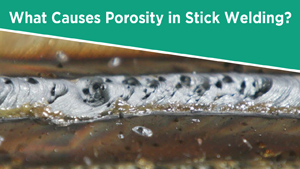
Porosity: Dirty metal or long arc. Clean better, shorten arc. On rusty stock, use E6010—its dig burns through.
Spatter excess: High amps or wrong polarity. Dial down, check DCEP. I reduce it by dragging tighter.
Weak penetration: Shallow angle. Tilt more, increase amps. Test bends to confirm.
Anecdote: Early on, I pushed a horizontal fillet—spatter everywhere, inclusions galore. Switched to drag, problem solved. These fixes build trust in your work.
Best Rod Types for Stick Welding
Choosing rods is like picking tools—match to job. For drag, fast-freeze like E6010 digs deep on pipes, great for root passes. E7018, low-hydrogen, drags smooth for structural, minimizing cracks on A36.
E6013 for thin sheet—easy drag, less spatter for hobbyists. E7014 iron powder for high deposition, drags fast on flat.
Why these? Compatibility with US steels, per AWS. E6011 AC/DC versatile for farm fixes. Tip: Store dry to avoid hydrogen issues. I’ve dragged E7018 on bridges—strong, code-approved every time.
Machine Settings and Joint Prep Tips for Stick Welding
Settings make or break it. For 1/8″ E7018, 100-150 amps DCEP, voltage auto-adjusts. Thinner rod? 70-110 amps. Test puddle flow on scrap.
Joint prep: Bevel 30-45 degrees on >1/4″ thick for penetration. Gap 1/16″ for filler. Clean 1″ around—rust kills fusion.
Filler compatibility: Match rod to base, like E70xx for 70ksi steel. Anecdote: Wrong prep once caused lack of fusion—now I always bevel and clean. For vertical push, drop amps 10% to control sag.
Safety Considerations in Stick Welding
Safety first, always—I’ve seen too many close calls. Wear leather gloves, auto-darkening helmet (shade 10-13), flame-resistant jacket. Ventilate for fumes—use exhaust fans in shops.
Eye protection from UV, respiratory for hex chrome in stainless. Ground properly to avoid shocks. Fire watch: Keep extinguisher handy, clear flammables.
Electrode handling: Don’t touch hot ends. In my experience, proper PPE saved my skin from spatter burns. Follow OSHA guidelines—better safe than sidelined.
Conclusion
Wrapping this up, you’ve got the scoop on dragging versus pushing in stick welding: drag for most scenarios to dodge slag issues and nail strong beads, push only when gravity demands it on vertical ups. You’re now geared up to tackle joints with confidence, whether it’s a quick DIY fix or a pro-level fab. Remember, practice hones it—start on scrap, build from there.
Prioritize drag for integrity, match technique to position, prep joints right, and safety always. This knowledge preps you to weld smarter, saving time and bucks while turning out work that lasts.
Do you push or pull a 7018 rod?
You mostly pull or drag a 7018 rod, especially on flat or horizontal joints, to ensure smooth slag flow and deep penetration. Pushing works for vertical up, but keep the angle shallow to avoid inclusions.
Is it better to push or pull when welding?
It depends on the process and position, but for stick welding, pulling is better for avoiding defects and achieving stronger welds. Pushing suits vertical ups or processes like TIG for better gas coverage.
What angle do you hold a stick welder?
Hold at 75-80 degrees to the work, tilted 10-15 degrees back for drag. For push, tilt 0-15 degrees forward—adjusts puddle control and penetration.
Why does my welding rod keep sticking?
Usually from a short arc, low amps, or damp rods. Fix by lengthening the arc slightly, bumping amps, and storing rods dry—jerk free if it sticks.
What is the best rod for beginner stick welding?
Start with E6013—it’s forgiving, drags easily, and produces clean beads with minimal spatter on mild steel. Great for learning without frustration.