I used to lay down stick welds that looked decent at first glance, but something always felt off. The bead profile was inconsistent, slag didn’t peel the way it should, and penetration wasn’t as reliable as I wanted. That’s when the question really hit me—do you push or pull when stick welding, or is it just personal preference?
After plenty of burned rods and reworked joints, I realized the direction you travel makes a real difference. Moving the electrode the wrong way can trap slag, reduce penetration, and leave you with a weld that looks okay but won’t hold up under stress. In stick welding, small technique mistakes show up fast.
This matters whether you’re welding a bracket in the garage or running structural passes on the job. The right travel direction improves arc control, bead shape, and overall weld strength—saving time, electrodes, and frustration.
If you want to stop guessing and start welding with confidence, let me break down what actually works in the real world and when to push or pull, step by step.
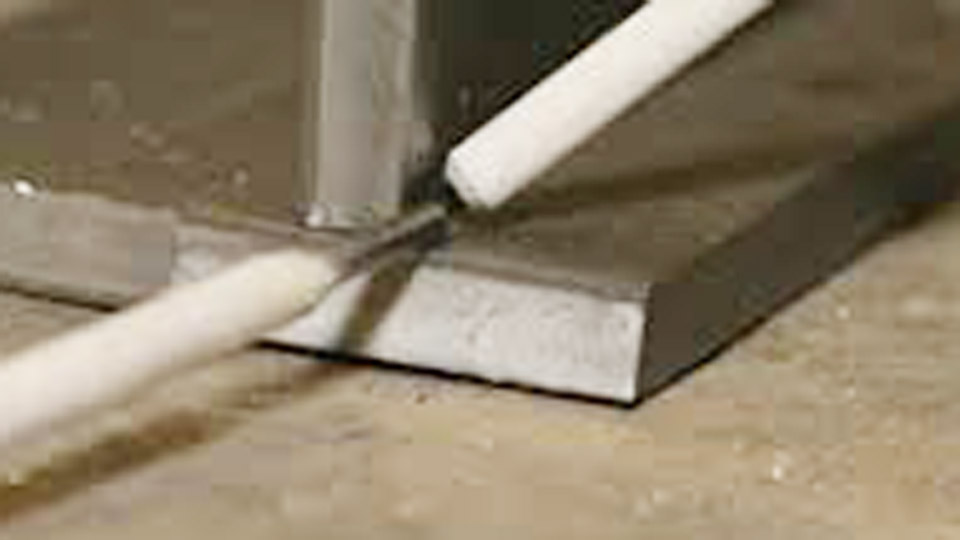
Image by millerwelds
Understanding Push and Pull Techniques in Stick Welding
Stick welding is that trusty process where you strike an arc with a flux-coated electrode, melting it into the joint to fuse metals. The flux creates slag to shield the weld from contaminants, but how you move that electrode—pushing it ahead or pulling it behind—changes the game.
What Does Pushing Mean in Stick Welding?
Pushing means you’re advancing the electrode in front of the weld pool, pointing it away from you as you move forward. The arc leads the way, heating the metal ahead while the pool forms behind. I’ve used this on occasion, like when I’m working on thin sheets where I need shallower penetration to avoid burn-through. It gives you a wider bead that’s flatter, which can be handy for covering more surface without digging too deep.
But here’s the catch: with stick welding’s slag, pushing can trap it in the pool if you’re not careful, leading to inclusions that weaken the joint.
Think of it like spreading butter on hot toast—the push smooths it out broadly. In my experience, this technique shines in specific setups, but it’s not my daily driver for most jobs.
What Does Pulling Mean in Stick Welding?
Pulling, or dragging as we often call it in the shop, is where you tilt the electrode back toward you and pull it along, letting the weld pool trail behind. The arc is at the back of the pool, which helps the slag float to the top and get pushed out of the way.
This is my go-to for 90% of stick welds because it gives deeper penetration and a narrower bead, perfect for thicker materials like structural steel beams.
I remember my first big project, a gate repair for a buddy’s ranch. I pulled the electrode on those 1/4-inch plates, and the welds held up through years of abuse from cattle and weather.
Pulling lets you see the pool clearly, making adjustments on the fly. It’s all about control—keep that slag dragging behind, and you’ll avoid a mess of defects. To visualize, here’s a diagram of the pull technique in action.
Why Pulling is the Go-To Method for Most Stick Welds
There’s a reason old-timers in the welding community live by the rhyme: if there’s slag, you must drag. Stick welding produces a lot of slag from the flux coating, and pulling ensures it doesn’t mix into the molten metal.
Push too often, and you’re inviting porosity, cracks, or weak spots that could fail under load—think about a trailer frame giving way on the highway. Safety-wise, clean welds mean less spatter flying around, reducing burn risks.
From a practical standpoint, pulling improves weld integrity on common US materials like mild steel. It allows for better fusion in flat or horizontal positions, which are staples in fabrication shops. Cost efficiency comes in too—fewer defects mean less grinding and filler rod waste.
In my workshop, I’ve seen hobbyists switch to pulling and cut their rework time in half. It’s forgiving for students learning the ropes, as you can monitor the pool and adjust heat input easily.
But it’s not just about the weld; prep work ties in. Clean your joint with a wire brush, ensure good fit-up, and select rods like E7018 for low-hydrogen needs. Pulling works best with these, giving you that smooth, strong bead every time.
When Should You Push Instead of Pull?
Don’t get me wrong—pushing has its place, especially in vertical-up positions. When you’re welding uphill on a pipe or beam, gravity pulls the molten metal down, so pushing helps keep the pool in check without dripping. I’ve done this on site repairs for construction gigs, where pulling would just make a saggy mess.
For thin materials, say 16-gauge sheet metal for auto body work, pushing provides shallower penetration to prevent warping or holes. It’s also useful with certain rods like E6010, which dig deep and can handle a forehand push for root passes in pipe welding. But always check your welding procedure specs—US codes like ASME might dictate this for certified jobs.
A tip from my lessons learned: if you’re pushing, keep the angle shallow, around 5-10 degrees, to minimize slag traps. I once pushed too aggressively on a vertical joint and ended up with inclusions that required chipping out—wasted a whole afternoon. Use it sparingly, and only when the position demands it.
Check out this illustration of the push technique for clarity.
Electrode Angles and Travel Speed Essentials
Angle is everything in stick welding—get it wrong, and your bead looks like a rookie mistake. For pulling, tilt the electrode 10-15 degrees back toward the completed weld, pointing it into the direction of travel. This “drag angle” lets the arc force push slag behind while penetrating deeply.
In pushing, angle it 5-15 degrees forward, away from the pool. I’ve found that steeper angles cause undercut, those grooves along the weld toe that weaken the joint. Aim for consistency; practice on scrap to feel the sweet spot.
Travel speed ties in—too fast, and you get lack of fusion; too slow, excessive buildup. For a 1/8-inch E7018 rod, I run about 4-6 inches per minute on flat welds.
Adjust based on amperage: 90-120 amps for that rod on 1/4-inch steel. Slower speeds with pulling give better control on thick plates, while pushing might need quicker movement to avoid overheating thin stuff.
Personal anecdote: Early on, I angled too perpendicular and stuck electrodes constantly. Now, I teach trainees to imagine the rod as a pencil sketching the bead—smooth and angled just right.
Here’s an illustration of proper electrode angles to reference.
Common Mistakes and How to Fix Them in Stick Welding
Every welder messes up, but knowing the fixes saves headaches. One biggie is pushing when you should pull, trapping slag and causing inclusions. Fix: Switch to drag and chip slag between passes. Another is wrong arc length—too long leads to spatter and undercut; too short, the rod sticks. Keep it equal to the rod diameter, like 1/8 inch for a 1/8 rod.
Poor joint prep is killer—rust or oil contaminates the weld. Always grind or brush clean, and bevel edges for thicker joints. Overheating from high amps warps metal; dial it down and use stringer beads instead of weaving.
I’ve seen hobbyists ignore polarity—stick welding usually runs DCEP (electrode positive) for better penetration. Reverse it, and you’ll get shallow welds. Tip: Test on scrap first. And don’t forget safety—fumes from flux can be nasty; use ventilation or a respirator.
Visualize these issues with this example of common defects.
Step-by-Step Guide to Pulling a Stick Weld
Let’s walk through pulling like I’m handing you the stinger. First, gear up: helmet, gloves, jacket—safety first.
Step 1: Prep your workpiece. Clean the joint, clamp if needed, and set your machine. For mild steel, use E6013 for easy starts or E7018 for strength. Amps: 80-100 for 3/32-inch rod.
Step 2: Strike the arc. Scratch or tap the rod like a match—don’t jab.
Step 3: Establish the pool. Hold at 10-15 degree drag angle, arc length matching rod size.
Step 4: Move steadily, pulling toward you. Watch the pool; it should be oval, not splashing.
Step 5: Maintain speed. Pause at edges for good tie-in.
Step 6: End the bead. Backstep to fill craters, then chip slag and inspect.
For multi-pass, clean between layers. I once skipped cleaning and got porosity—lesson learned. Practice on flat plates before joints.
Pros and Cons: Push vs. Pull Compared
To make it clear, here’s a comparison table based on my shop experience:
| Aspect | Pull (Drag) Technique | Push Technique |
|---|---|---|
| Penetration | Deeper, narrower bead – great for thick metal | Shallower, wider bead – suits thin materials |
| Slag Control | Excellent; slag trails behind | Risky; can trap slag in pool |
| Visibility | Good view of pool for adjustments | Better ahead, but less on pool |
| Positions | Ideal for flat, horizontal | Better for vertical-up to fight gravity |
| Beginner-Friendly | Yes, easier control | Trickier due to slag issues |
| Common Applications | Structural steel, repairs | Sheet metal, uphill pipe |
| Pros | Reduces defects, stronger fusion | Faster on thin stuff, less burn-through |
| Cons | Harder in vertical-up | Higher chance of inclusions |
This table has saved me time explaining to trainees—pick based on your job.
Choosing the Right Rods and Settings for Your Technique
Rod choice amplifies your technique. For pulling, E7018 low-hydrogen rods are gold—store them dry to avoid cracks. Settings: 100-140 amps on 1/8-inch, DCEP polarity.
For pushing scenarios, E6010 or E6011 dig deep with AC/DC flexibility. Amps: 70-110 for 3/32-inch. Material matters—mild steel loves pulling with E6013 for smooth beads; stainless might need specialized rods like 308L.
Joint prep: Bevel at 30 degrees for butt joints over 1/4-inch. Filler compatibility—match rod to base metal strength. In my fab work, mismatched rods led to failures; now I always check AWS classifications.
Tip: For overhead, pull lightly with lower amps to avoid drips. US shops often use Lincoln or Hobart rods—reliable for everyday use.
Real-World Applications and Tips from the Shop
In fabrication, pulling dominates for building frames or machinery—think welding I-beams for barns. I’ve pulled E7018 on tractor repairs, ensuring welds handle vibrations.
For hobbyists, pulling on garage projects like custom racks gives pro results without fancy gear. Students: Start flat, pull slow to build muscle memory.
Pro tips: Use a chipping hammer right after—hot slag pops off easy. For vertical-up pushing, weave slightly to build shelf.
Anecdote: On a job site in Texas heat, I pushed vertical seams on storage tanks—saved the day when pulling caused sags. Mix techniques wisely.
Safety reminder: Fume extractors for indoor work; eye protection always. Cost-wise, pulling efficiently means less rod consumption.
Expanding on applications, in automotive repair, pulling on frame patches ensures strength for safety. For pipeline work under US regs, pushing root passes with E6010, then pulling fills. I’ve trained pros who swear by hybrid approaches for complex joints.
Common shop hack: If your bead crowns too high pulling, reduce amps or speed up. For undercut, angle less aggressively.
In education, I show newbies how pulling aids in reading the pool—key for troubleshooting. For industry workers, efficiency matters; pulling often means fewer passes on thick stock, saving time and electrodes.
Material handling: Clamp work to ground well—poor grounding arcs erratically. Prep with acetone for oily steels.
Lessons from mistakes: Once pushed on flat with E7024—slag city. Chipped forever. Now, I assess position first.
For DIY: Budget machines like Lincoln’s AC-225 handle pulling fine; set to 90 amps start.
Conclusion
The big takeaway is that for most stick welding, you pull to keep slag in check and achieve solid penetration—it’s the reliable choice for strong, defect-free joints. You’ve got the tools now to decide based on position, material, and job needs, making you more prepared to tackle projects confidently, whether in your garage or on the job.
Always practice your technique on scrap before the real deal—it’ll save you grief and build that intuitive feel every good welder relies on.
FAQ
Can you push with 7018 rods in stick welding?
Absolutely, but it’s not ideal for most positions. With 7018, pulling is preferred to manage the slag properly and avoid inclusions. If you must push, like in tight spots, keep a shallow angle and watch for defects—I’ve done it sparingly on verticals, but test first.
What angle should I hold the electrode for pulling?
Aim for 10-15 degrees tilted back toward the weld. This drag angle helps the arc push slag out while penetrating well. Too steep, and you risk undercut; too flat, poor fusion. Adjust based on rod and material for that perfect bead.
Why do my welds have slag inclusions when pushing?
Pushing can trap molten slag in the pool before it solidifies behind, especially with flux-heavy rods. Switch to pulling to let slag trail naturally. If stuck pushing, slow your speed and chip thoroughly between passes to clean it out.
Is pushing better for thin metal in stick welding?
Yes, pushing gives shallower penetration, reducing burn-through on thin stock like 16-gauge. But for stick, it’s still risky with slag—prep well, use lower amps, and consider MIG if possible. I’ve saved panels this way, but pulling with fine control works too.
How does position affect push or pull choice?
Flat and horizontal favor pulling for control. Vertical-up often needs pushing to counter gravity and prevent drips. Overhead? Pull carefully with low heat. Always prioritize weld quality over speed in tricky spots.