
When welding, metal can reach extreme temperatures—often between 6,000°F and 10,000°F (3,300°C–5,500°C) at the arc itself. Of course, the exact heat depends on the welding process. For example, stick and MIG welding arcs typically run in the 6,000–8,000°F range, while TIG welding can get even hotter in localized spots.
The base metal doesn’t reach those arc temperatures, but the weld zone (fusion zone) still gets hot enough to melt—usually between 1,800°F and 2,500°F (1,000°C–1,400°C) depending on the type of metal being welded.
Think of it like stain removal or disinfecting in home care—different methods use different intensities, but the goal is the same: break down and clean effectively. In welding, that heat is what fuses metals together, but it can also cause warping, discoloration, or weakened strength if not controlled. That’s why welders use techniques like preheating, post-weld cooling, or heat sinks to manage temperatures and prevent damage.
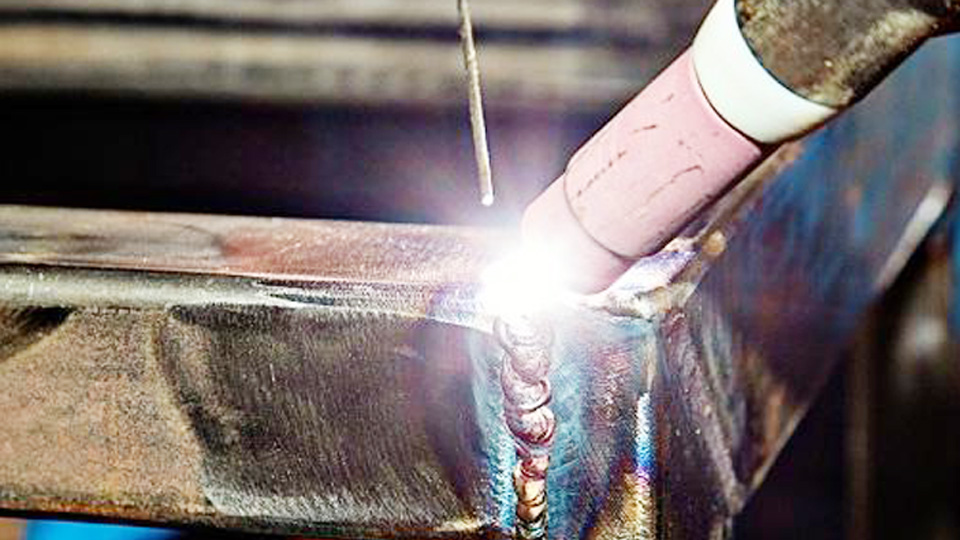
Image by thefabricator
Why Welding Heat Matters
Welding is all about transforming metal with heat, but that heat can make or break your project. Too much heat can warp thin materials, create brittle welds, or even start a fire if you’re not careful. Too little, and you’ll get weak joints that crack under stress.
Knowing how hot the metal gets helps you choose the right welding process, electrode, and settings for your material. It’s also a safety issue—molten metal can hit thousands of degrees, and without proper gear, you’re risking burns or worse.
For DIYers, controlling heat means cleaner welds on that backyard sculpture. For pros, it’s about meeting codes like AWS D1.1 for structural steel. For students, it’s the foundation of understanding metallurgy and weld integrity. Let’s dive into the specifics of welding temperatures and how they play out in the shop.
How Hot Does Metal Get in Different Welding Processes?
Welding processes vary, and so do the temperatures they generate. The heat depends on the method, material, and settings. Here’s a breakdown of the most common welding processes and the temperatures you’re dealing with.
Shielded Metal Arc Welding (Stick Welding)
Stick welding, or SMAW, is the go-to for many welders because it’s versatile and portable. You’re using a consumable electrode coated in flux, and the arc creates intense heat to melt the electrode and base metal. The arc itself can reach 15,000–20,000°F (8,300–11,100°C), but the molten weld pool typically stabilizes around 6,500–7,000°F (3,600–3,900°C).
The base metal’s surface doesn’t get quite that hot—it depends on the material’s melting point. For mild steel (melting around 2,600–2,800°F), the heat-affected zone (HAZ) might hit 1,500–2,000°F. Stainless steel, with at least 11% chromium, needs slightly higher temps, around 2,750°F, to melt properly. I’ve burned through thin steel plates early on by cranking the amperage too high—lesson learned: start low and adjust up.
For stick welding, match your electrode (like E6010 or E7018) to the material and keep your amperage in the recommended range. For 1/8-inch mild steel, try 90–120 amps and adjust based on how the puddle behaves.
MIG Welding (Gas Metal Arc Welding)
MIG welding uses a wire electrode fed through a gun, with a shielding gas like argon or CO2 to protect the weld. The arc here is just as hot as stick welding—15,000–20,000°F—but the weld pool stays around 6,000–6,500°F. The base metal’s surface typically reaches 1,200–1,800°F in the HAZ, depending on thickness and settings.
MIG is great for beginners because it’s easier to control, but heat management is still key. I once welded a car panel with MIG and got lazy with my settings—too much heat, and I warped the sheet metal. Always test on scrap first to dial in your voltage (around 18–22V for 1/8-inch steel) and wire speed.
Comparison Table: MIG vs. Stick Welding Temperatures
| Process | Arc Temp (°F) | Weld Pool Temp (°F) | HAZ Temp (°F) | Best For |
|---|---|---|---|---|
| MIG Welding | 15,000–20,000 | 6,000–6,500 | 1,200–1,800 | Thin metals, automotive, fab |
| Stick Welding | 15,000–20,000 | 6,500–7,000 | 1,500–2,000 | Structural, outdoor, heavy |
TIG Welding (Gas Tungsten Arc Welding)
TIG welding is the precision artist of the welding world, using a non-consumable tungsten electrode and a shielding gas like argon. The arc can hit 20,000°F or more, but the weld pool is tightly controlled, staying around 5,500–6,500°F. The HAZ on materials like aluminum (melting at 1,200–1,300°F) or stainless steel might see 1,000–1,800°F.
TIG’s lower heat input makes it ideal for thin materials or intricate work, like aerospace parts or custom exhausts. I’ve used TIG on aluminum motorcycle frames, and the key is a clean surface and steady foot pedal control to avoid overheating. Use a low amperage (50–80 amps for 1/16-inch aluminum) and pulse settings if your machine has them to keep heat in check.
When to Use TIG: Choose TIG for stainless, aluminum, or thin metals where aesthetics and precision matter. It’s slower but worth it for clean, strong welds.
Flux-Cored Arc Welding (FCAW)
FCAW is like MIG but uses a flux-filled wire, often without external gas, making it great for outdoor work. The arc temps are similar to MIG—15,000–20,000°F—with a weld pool around 6,000–6,500°F. The HAZ can reach 1,500–2,000°F on steel. FCAW deposits more metal faster, so it’s hotter and messier than MIG, with more slag to clean.
I’ve used FCAW on windy job sites for structural steel—it’s forgiving but produces a lot of smoke. Keep your wire feed speed moderate (check your machine’s chart) and use a drag technique to control the puddle.
What Factors Affect Welding Temperatures?
The heat in welding isn’t just about the arc—it’s influenced by several variables. Understanding these helps you control the weld and avoid common mistakes.
Material Type and Thickness
Different metals have different melting points, which dictate how much heat you need. Here’s a quick guide:
- Mild Steel: Melts at 2,600–2,800°F. Common in construction and DIY projects.
- Stainless Steel: Needs 2,750°F due to chromium content. Watch for distortion on thin gauges.
- Aluminum: Melts at 1,200–1,300°F, requiring precise heat control to avoid burn-through.
- Cast Iron: Melts around 2,100–2,200°F, but preheating (300–600°F) is critical to prevent cracking.
Thicker materials absorb more heat, so you’ll need higher amperage or slower travel speed. Thin metals, like 16-gauge steel, demand lower settings to avoid warping. I learned this the hard way welding a thin exhaust pipe—too much heat, and it looked like a potato chip.
Welding Machine Settings
Your machine’s settings—amperage, voltage, and wire speed—directly control heat input. For example:
- Stick Welding: Higher amps (e.g., 140 for 3/16-inch steel) increase heat. Use a lower range for thin materials.
- MIG Welding: Balance voltage and wire speed. For 1/4-inch steel, try 20–22V and 250–300 IPM wire speed.
- TIG Welding: Use AC for aluminum (cleaning action) and DCEN for steel. Start with 1 amp per 0.001 inch of thickness.
Always check your machine’s manual for recommended settings and tweak based on the puddle’s behavior.
Electrode and Filler Metal
The electrode or filler wire affects heat distribution. For stick welding, E6010 is hot and fast, great for deep penetration, while E7018 is cooler and smoother for cleaner welds. In MIG, a thinner wire (0.030-inch) runs cooler than a thicker one (0.045-inch). For TIG, match your filler rod to the base metal (e.g., ER4043 for aluminum).
I once used an E6013 rod on thin steel because it was all I had—big mistake. The weld was sloppy, and I had to grind it out. Always match your rod to the job.
Technique and Travel Speed
Your technique matters. Moving too slowly piles on heat, risking burn-through or distortion. Too fast, and you get incomplete fusion. Aim for a steady, consistent travel speed—think of writing your name in cursive. Practice on scrap to find the sweet spot.
Safety Considerations for Welding Heat
Welding’s high temperatures come with serious risks. Molten metal can splash, sparks can ignite flammables, and the arc’s UV light can burn your eyes or skin. Here’s how to stay safe:
PPE: Wear a welding helmet with a shade 10–13 lens, flame-resistant jacket, leather gloves, and high-top boots. I’ve seen guys skip gloves to “feel” the weld—don’t. Burns aren’t worth it.
Ventilation: Fumes from hot metal can be toxic, especially with galvanized steel. Use a respirator or local exhaust ventilation (LEV) indoors.
Fire Safety: Keep a Class ABC fire extinguisher nearby. Clear a 35-foot radius of flammables, and use a fire-resistant blanket if needed.
Hot Metal Handling: Mark hot metal or use pliers to move it. I once grabbed a just-welded piece bare-handed—ouch.
Safety Table: Must-Have Gear
| Gear | Purpose | Example Brand |
|---|---|---|
| Welding Helmet | Protects eyes/face from arc light | Lincoln Viking |
| FR Jacket | Prevents burns from sparks | Miller WeldX |
| Leather Gloves | Shields hands from heat/spatter | Tillman MIG Gloves |
| Respirator | Filters toxic fumes | 3M 7500 Series |
| Fire Extinguisher | Puts out small fires | Amerex ABC |
Common Mistakes and How to Fix Them
Welders, from newbies to pros, make heat-related mistakes. Here are the big ones and how to avoid them:
Burn-Through: Too much heat on thin metal. Lower your amperage or increase travel speed. For MIG, reduce voltage by 1–2V.
Warping: Overheating causes distortion. Use tack welds to hold pieces, weld in short bursts, and let the metal cool between passes.
Incomplete Fusion: Not enough heat or too fast a travel speed. Increase amperage slightly or slow your hand.
Porosity: Gas entrapment from dirty metal or poor shielding. Clean the surface with a wire brush and check your gas flow (15–20 CFH for MIG).
I’ve warped plenty of projects by rushing. Now, I tack everything first and use a heat sink (like a copper plate) on thin metals to absorb excess heat.
Step-by-Step Guide to Managing Weld Heat
Here’s a practical guide to controlling heat for better welds, whether you’re in a shop or a garage:
Prep the Material: Clean the metal with a wire brush or grinder to remove rust, oil, or paint. For aluminum, use a dedicated stainless brush to avoid contamination.
Choose the Right Process: Match the welding method to the material. Use TIG for aluminum, MIG for thin steel, or stick for outdoor structural work.
Set Your Machine: Start with manufacturer-recommended settings. For example, on a 200-amp MIG welder, set 18V and 200 IPM for 1/8-inch steel.
Test on Scrap: Run a bead on a similar piece of metal. Check for penetration, spatter, and puddle control. Adjust settings as needed.
Tack and Weld: Place tack welds every few inches to hold the joint. Weld in short segments, letting the metal cool to avoid distortion.
Monitor the Puddle: The weld pool should be smooth and consistent. If it’s too fluid, lower the heat; if it’s sluggish, increase it.
Post-Weld Check: Inspect for cracks, porosity, or uneven beads. Grind and re-weld if needed, but don’t overheat the area.
Choosing the Right Welding Rod or Wire
Your electrode or filler wire is your heat conductor, and picking the wrong one can ruin your weld. Here’s a quick guide:
Stick Electrodes:
- E6010: Hot, deep penetration for dirty or rusty steel. Great for pipelines.
- E7018: Low-hydrogen, smooth welds for clean steel. Ideal for structural work.
MIG Wire:
- ER70S-6: Versatile for mild steel, good for general fabrication.
- ER4043: For aluminum, provides smooth flow and minimal spatter.
TIG Filler:
- ER308L: For stainless steel, low carbon to prevent corrosion.
- ER70S-2: For mild steel, clean and reliable.
Store electrodes in a dry oven to prevent moisture absorption, which can cause hydrogen cracking.
Practical Applications and Examples
Let’s look at real-world scenarios to see how heat management plays out:
DIY Project: Trailer Frame: You’re welding 1/4-inch mild steel with MIG. Set your machine to 20V, 250 IPM, and use ER70S-6 wire. Tack the joints first, weld in 2-inch segments, and let it cool to avoid warping.
Professional Job: Stainless Pipe: Use TIG with ER308L filler and argon shielding. Set 80–100 amps for 1/8-inch pipe, clean thoroughly, and use a pulsing foot pedal to control heat.
Student Practice: Aluminum Sheet: TIG weld 16-gauge aluminum with ER4043 filler. Start at 50 amps, use AC, and move quickly to prevent burn-through.
Advanced Tips for Heat Control
Once you’ve got the basics, these tricks can elevate your welds:
Preheating: For thick steel or cast iron, preheat to 300–600°F to reduce thermal shock. Use a propane torch or induction heater.
Pulse Welding: Modern TIG and MIG machines offer pulse settings to alternate high and low heat, reducing distortion on thin metals.
Heat Sinks: Clamp copper or aluminum bars near the weld to absorb excess heat, especially on delicate materials.
Interpass Temperature: For multi-pass welds, keep the metal below 350°F between passes to avoid cracking. Use a temp stick or infrared thermometer.
I’ve saved countless projects by preheating thick steel plates—it’s a game-changer for crack-free welds.
Conclusion
Understanding how hot metal gets when welding is more than just a number—it’s the key to strong, safe, and clean welds. Whether you’re a DIYer building a gate, a student mastering TIG, or a pro welding pipelines, controlling heat ensures your work holds up under stress.
You now know the temperatures for MIG, TIG, stick, and FCAW, how material and settings affect heat, and practical ways to avoid mistakes like burn-through or warping. With the right rod, machine settings, and technique, you’re ready to tackle any welding job with confidence.
FAQ
What is the hottest welding process?
TIG welding can produce the hottest arc, often exceeding 20,000°F, due to the focused energy of the tungsten electrode. However, the weld pool and HAZ temperatures depend on the material and settings, typically staying around 5,500–6,500°F.
How do I prevent burning through thin metal?
Lower your amperage, increase travel speed, and use pulse settings if available. For MIG, try 16–18V on 16-gauge steel. Tack welds and short bursts also help control heat.
Can I weld without preheating thick steel?
You can, but preheating (300–600°F) reduces cracking risks, especially on thick or high-carbon steel. Use a propane torch and check with a temp stick for even heating.
Why does my weld look porous?
Porosity comes from dirty metal, poor gas shielding, or incorrect settings. Clean the surface thoroughly, ensure 15–20 CFH gas flow for MIG, and check your electrode or wire for contamination.
How do I know if my weld is too hot?
If the weld pool is overly fluid, spatter is excessive, or the metal warps, you’re too hot. Lower your amperage or voltage by 10% and test on scrap to find the right balance.


