Striking an arc in stick welding may feel tricky at first, but once you master the technique, it’s as rewarding as finding the perfect cleaning hack that makes your home sparkle. Just like tackling stubborn stains in the bathroom or disinfecting high-touch surfaces, learning how to start a steady arc takes patience, the right tools, and a little know-how. Many beginners struggle with the electrode sticking or the arc not catching properly—similar to when cleaning tips don’t quite deliver the spotless results you expect.
The good news is, with proper guidance and a few proven methods, you can avoid frustration and achieve smooth, consistent welds. In this guide, we’ll break down how to strike an arc step by step, why it matters for strong welds, and how mastering this skill can make your DIY or repair projects easier, cleaner, and more effective.

Image by hubpages
What Is Striking an Arc in Stick Welding, Anyway?
Picture this: You’re bridging a tiny gap between your electrode and the base metal with enough electrical current to mimic a mini thunderstorm. That’s striking an arc—creating that intense, focused heat from 6,000 to 10,000 degrees Fahrenheit that melts your filler metal and fuses it to the workpiece. In stick welding, it’s all about that flux-coated rod doing double duty: feeding the weld pool while shielding it from the air’s nasty contaminants like oxygen and nitrogen.
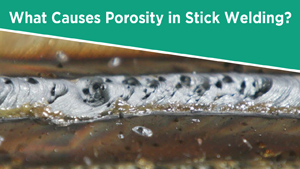
Why does this matter so much? A botched strike leads to porosity—those sneaky gas pockets that weaken your joint—or even incomplete fusion, where your weld looks pretty but peels apart under stress. I’ve seen it on job sites: a rushed arc start on a structural beam, and suddenly you’re calling in the inspector for repairs that eat half your profit margin.
For hobbyists fixing a gate or students prepping for certification, it’s the foundation of control. Get this down, and you’re not just welding; you’re building something that lasts.
The process hinges on your machine’s open-circuit voltage kicking in to ionize the air gap, turning it conductive. Once lit, maintain that sweet spot arc length—about the diameter of your rod—to avoid spatter or extinction. It’s physics in action, but feels like wrangling a wild spark.
Why Mastering Arc Striking Boosts Your Welding Game
In a shop buzzing with deadlines or your backyard fab session, striking an arc isn’t just technique—it’s efficiency. A clean start means less grinding out defects, fewer scrapped rods (those E6013s add up), and welds that pass visual inspections without drama. Safety-wise, it’s huge; erratic strikes spray molten metal like fireworks gone wrong, risking burns or igniting nearby flammables.
From my days running pipe on oil rigs in Texas, I learned the hard way: Poor arc control led to undercut edges that failed pressure tests, costing downtime nobody wanted. For pros, it’s about material compatibility—hitting that arc right ensures your low-hydrogen rod like E7018 bonds cleanly to carbon steel without cracking.
DIYers? It turns frustrating “almosts” into satisfying beads on everything from truck frames to art sculptures. Bottom line: This skill saves cash on consumables and builds confidence that ripples through every pass.
Essential Gear for Striking an Arc Like a Pro
Before you even think about flicking that switch, let’s talk tools. I’ve fried enough budget buzz boxes to know: Skimping here means endless frustration when the arc won’t cooperate.
Picking the Right Stick Welder for Your Setup
Start with a machine that matches your power source—110V single-phase for garage tinkering or 220V three-phase for shop beasts. Brands like Miller or Lincoln dominate US scenes for their reliability; the Miller Thunderbolt AC/DC 225, for instance, handles everything from thin sheet to heavy plate with a duty cycle that won’t quit mid-job.
Look for at least 200 amps output and adjustable arc force to fine-tune stability. Portability matters too—I’ve lugged inverter models like the Hobart Stickmate across job sites without breaking a sweat. Pro tip: Test the open-circuit voltage; 70-90V helps with easy strikes on AC, while DC gives smoother control for beginners.
Electrode Holders, Grounds, and the Little Things That Matter
Your stinger (electrode holder) needs a solid clamp—jaw-style for quick changes, insulated fully to avoid shocks. I’ve zapped myself enough on cheap imports to swear by Miller’s Tweco holders; they grip 1/16- to 5/32-inch rods without slippage.
Ground clamps? Magnetic ones stick to painted steel like glue, saving setup time on mobile repairs. And don’t forget cables—10-gauge minimum to minimize voltage drop over 50 feet. A clean, tight ground is non-negotiable; poor contact turns your arc into a flickering nightmare.
Choosing the Right Electrode: Rods That Make Striking a Breeze
Electrodes are the heart of stick welding, and picking wrong is like bringing a butter knife to a gunfight. The flux coating melts to shield your puddle, but it also affects how easily you strike—some “dig in” fast, others need coaxing.
For rusty farm gates or oily truck parts, go E6010: Fast-freeze flux for deep penetration, strikes like a match on DCEN polarity. It’s my go-to for root passes in pipe work, but watch the slag—it’s stubborn.
Cleaner mild steel? E6013 all-position rods flow smooth on AC or DCEP, forgiving for overhead beads. Beginners love ’em; I used a box to learn without constant sticking.
Heavy structural? Low-hydrogen E7018 demands preheat on thicker stock but delivers code-worthy welds per AWS D1.1. Strikes best hot—store ’em in a 250°F oven to avoid moisture cracks.
Here’s a quick comparison to keep it straight:
| Electrode Type | Best For | Polarity | Strike Ease | Pros | Cons |
|---|---|---|---|---|---|
| E6010 | Dirty metals, root passes | DCEN | Excellent | Deep penetration, fast travel | Slag removal tricky, less forgiving on thin stock |
| E6013 | General fab, all positions | AC/DCEP | Good | Smooth arc, low spatter | Shallow penetration, not for high-strength needs |
| E7018 | Structural, low-H2 | DCEP/AC | Fair (needs dry) | Strong, clean welds | Moisture sensitive, slower travel speed |
| E7014 | Fill passes, iron powder | AC/DCEP | Very Good | Easy to use, bead appearance | Moderate strength, more spatter |
Match to your base metal—mild steel gets these basics, but stainless calls for E308L. Always check packaging for amp ranges; starting 10-20 amps high helps novices strike without freeze-ups.
Prepping Your Joint and Workspace: The Unsung Hero of Easy Arcs
I’ve botched more strikes from lazy prep than I care to admit. Clean that joint first—wire brush or grinder to bare metal. Oils, rust, or mill scale insulate the arc, turning your rod into a stubborn mule.
For butt joints, bevel edges 30 degrees for V-grooves; lap joints need tight fit-up to avoid gaps that extinguish your flame. Clamp everything secure—vibrations kill consistency.
Safety setup? Leather jacket, FR pants, auto-darkening hood (Shade 10-12 for stick), and gloves thick enough for splatter but dexterous for rod swaps. In humid shops like Florida summers, a dehumidifier keeps rods dry—wet flux pops and spits like crazy.
Ventilation’s key too; fumes from flux can sneak up on you in enclosed trailers. I always crack a door or hook up a fan—better safe than sidelined with a headache.
Dialing In Machine Settings: Amperage, Polarity, and Arc Control
Your welder’s knobs are your co-pilot. Wrong settings? That arc fights you every inch.
Getting Amperage Right for Clean Strikes
Rule of thumb: Rod diameter times 40 for amps. A 1/8-inch E6013? 100-140 amps. Too low (under 90), and it won’t jump the gap; too high (over 160), and you’re drowning in spatter.
I crank mine 10-15 amps hot for the initial strike, then dial back once lit—eases the learning curve without burning holes. Test on scrap; listen for the “frying bacon” sizzle—that’s your cue for gold.
For AC machines like older Lincolns, expect a softer start; DC inverters give punchier arcs for tricky metals.
Polarity: Why It Can Make or Break Your Arc
Straight polarity (DCEN) electrode negative pushes heat into the work—great for penetration on thick plate. Reverse (DCEP) electrode positive heats the rod more, ideal for overhead or thin stuff to avoid burn-through.
Mix ’em up, and your arc wanders or won’t hold. Check your rod’s AWS spec; E6010 demands DCEN, or it’ll barely whisper.
Arc force or dig settings? On Millers, bump it to 50-70 for short arcs in windy sites—prevents sticking without excess heat.
Step-by-Step: Striking an Arc with the Tap Start Method
Tap starting’s my first love—simple, low-risk for newbies, and kind to your machine’s tips. It’s like lightly bonking a nail; quick contact, instant spark.
Gear Up and Ground It: Clamp your ground tight, 6-12 inches from the start point. Hold the stinger at 10-15 degrees to the plate, rod 1-2 inches from the joint.
Position Yourself: Stance wide, hood down, free hand tucked. Aim the rod tip square on your start line—maybe a tack or the root face.
Tap and Lift: With a sharp wrist snap, tap the rod end firmly against the metal—like scratching an itch fast. Hold for a split second (1/8-inch indent max), then yank back 1/4 inch quick. Sparks fly, arc ignites—hear that crackle?
Settle In: Lower to normal arc length (rod diameter), weave or drag forward at 1/2-1 inch per second. Watch the puddle form; too long an arc, and it’s cold and porous.
Practice on 1/4-inch plate first. My first taps stuck half the time—blame sweaty palms—but after 20 rods, it clicked. Pro move: Start on scrap edges to build muscle memory without ruining your good stuff.
This method shines for AC welders or low-hydrogen rods; less gouging than scratching, preserving flux integrity.
Step-by-Step: Mastering the Scratch Start Technique
When taps fizzle—say, on galvanized or low-OCV machines—scratch it like lighting a matchstick. It’s aggressive but builds penetration fast.
- Prep the Rod Tip: Lightly grind the end flat if flux buildup’s thick—clean contact is king.
- Angle and Approach: Tilt the rod 15-20 degrees back, point grazing the plate at your start spot. Amps 10% higher than tap for forgiveness.
- Scratch and Pull: Drag the rod briskly across 1-2 inches—like striking a safety match—while lifting gradually to 1/4-inch gap. Sparks erupt; if it sticks, twist free quick.
- Stabilize the Arc: Once lit, drop to travel speed, maintaining that hissing rhythm. Clean any flux drag with a chipping hammer right after.
I switched to scratch on a rainy rig job in the Gulf; taps kept shorting on wet steel, but this dug in every time. Downside? More wear on holders, so inspect jaws often. Use for DCEN rods like 6010—they love the friction.
Pros of scratch: Quicker on dirty metal, deeper starts. Cons: Risk of pits if overdone—practice keeps it pretty.
Common Mistakes When Striking an Arc and How to Avoid Them
Ah, the hall of shame. Rod sticks like glue? You’re tapping too slow—quicken that lift, or snap the stinger back sharply. I’ve chipped more flux off frozen rods than I’d like; next time, up amps 10 points.
Arc blows out mid-drag? Arc length too long—shorten to rod thickness, or wind’s sneaking in. Ground loose? Trace cables for frays; a wobbly clamp killed a whole afternoon for me once.
Spatter city? Polarity flipped or amps screaming high—dial back, clean your work. And forgetting preheat on cold days? Cracks galore; warm that plate to 50°F minimum.
Beginner trap: Rushing without PPE. Slag flew into my boot once—lesson learned: Full coverage, always. Troubleshoot methodically: Settings first, then technique, then prep.
Safety First: Protecting Yourself While Striking Arcs
Welding’s no joke—UV rays fry retinas faster than a microwave burrito, and that arc’s a fire starter. Auto-dark hoods are non-negotiable; I upgraded from passives after a flash left spots for days.
Gloves on, sleeves down—molten droplets bounce like popcorn. Keep a fire extinguisher handy; I’ve doused grass fires from errant sparks in dry California yards.
Fume-wise, stick flux releases manganese and such—work upwind or under exhaust. Hydrate, take breaks; heat exhaustion sneaks up in Texas summers. And electrically? Dry floors, no jewelry—GFCIs save lives.
For students or site newbies, drill “hood down before strike” till it’s reflex. Safety’s the real weld that holds everything together.
Maintaining Your Arc: Tips for Steady, Quality Beads
Once struck, don’t celebrate yet—hold it. Steady hands, even breathing; I breathe out on the pull for smoother lines.
Weave patterns? Stringer for roots, slight side-to-side for fills—keeps heat even, avoids blow-through. Listen: Steady sizzle good, popping bad—adjust length.
Travel speed: Too fast, thin weak; too slow, burn-through. Aim for a 1/8-inch puddle tail. On verticals, uphill for control—gravity’s your frenemy.
Anecdote time: Fabricating a trailer in my driveway, arc flickered from fatigue. Break, coffee, retry—solid. Rest matters.
For multi-pass, chip slag clean between; residue causes inclusions per AWS specs.
Real-World Scenarios: Applying Arc Strikes on the Job or at Home
DIY truck bed repair? Tap start on E6013 for quick fillets—forgiving on uneven gaps.
Pro pipeline? Scratch with 6010 for root, then 7018 caps—meets API codes, no porosity.
Hobby sculpture from scrap I-beams? Mix methods: Tap for starts, scratch on rusty joints. I’ve taught fab classes where students nailed birdhouses this way—pride in those beads.
Overhead trailer hitches? Low amps, reverse polarity—tap gently to avoid drips. Cost efficiency? Clean strikes mean 20% less rod waste, per my shop logs.
Wrapping It Up: Strike Confidently and Weld Strong
There you have it—from gear to grit, you’ve got the blueprint to strike an arc in stick welding that hums with reliability. Remember: Prep trumps panic, settings set the stage, and practice turns “maybe” into muscle memory. Whether you’re a student eyeing certs, a hobbyist sparking creativity, or a pro chasing efficiency, this foundation amps up your weld quality, slashes rework, and keeps safety locked in. You’re not just lighting an arc; you’re forging skills that pay off in every joint.
FAQ’s
Why Does My Electrode Keep Sticking When I Try to Strike the Arc?
Sticking happens from slow lifts or low amps—tap sharper and crank 10-15 amps higher for the start. Clean your rod tip too; flux buildup acts like glue. Practice on thick scrap to build speed.
Tap Start vs. Scratch Start: Which Is Better for Beginners in Stick Welding?
Tap’s gentler for newbies—less risk of gouges, easier on machines. Scratch digs deeper for pros on dirty metal. Start with tap on E6013; switch when comfy.
What Amperage Should I Use to Strike an Arc on 1/8-Inch Mild Steel?
Aim 90-130 amps for a 1/8-inch rod—start high end for easy strike, dial down once lit. Match your electrode: 6010 likes the upper range for penetration.
Can Wet Electrodes Affect How I Strike an Arc?
Absolutely—moisture in flux causes popping arcs or explosions. Bake ’em at 250°F for an hour, or use a portable oven on-site. Dry rods strike clean and true.
Is It Safe to Strike an Arc Without a Welding Helmet?
Never—UV flash can blind you instantly. Even a second’s exposure risks “welder’s flash.” Hood up every time, auto-dark for convenience.