
Struggling to make a durable, waterproof bond between plastic surfaces? Whether you’re repairing a leaky water container, fixing outdoor furniture, or tackling DIY home projects, knowing how to glue plastic to plastic waterproof is essential for long-lasting results.
Many homeowners and cleaning enthusiasts face frustration when ordinary adhesives fail, leaving gaps, leaks, or weak joints. The right approach not only ensures a strong, waterproof seal but also saves time, prevents messy cleanup, and extends the life of your plastic items.
In this guide, I’ll explore reliable adhesive options, step-by-step techniques, and practical tips for preparing surfaces—helping you achieve a professional-quality repair while keeping your home clean, functional, and worry-free. Perfect for quick fixes or larger DIY projects, these methods turn frustrating plastic repairs into easy, effective solutions.
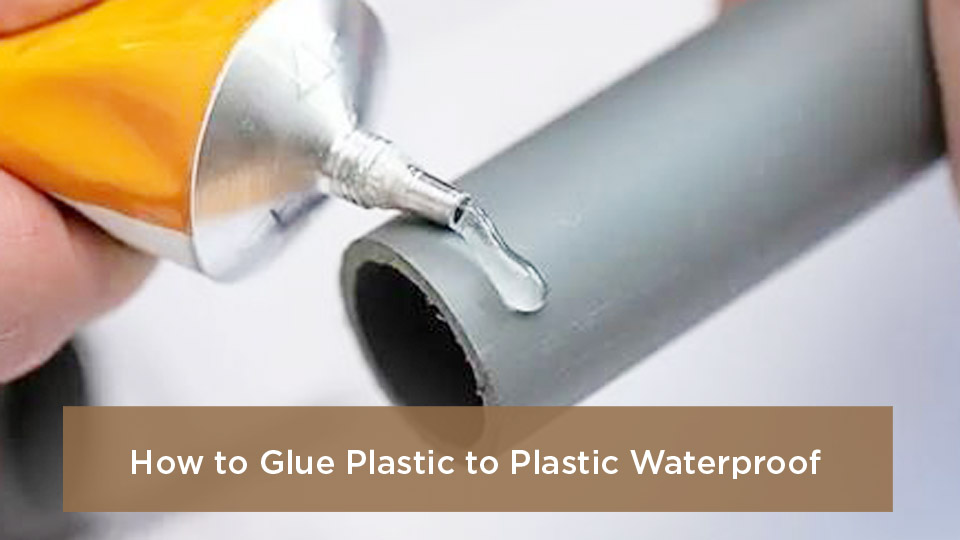
Image by resin-expert
Why Bonding Plastic Matters More Than You Think in Everyday Welding Work
Look, plastic isn’t the star of the welding world—we’re all about that satisfying sizzle of molten metal—but it’s everywhere in our setups. Think about the enclosures on your plasma cutter, the handles on pneumatic clamps, or those HDPE guards keeping sparks from flying into sensitive electronics.
When they crack from vibration, heat exposure, or just a clumsy drop, a weak bond means leaks, shorts, or worse, an unstable workpiece that could lead to a bad weld or injury.
I’ve seen it firsthand: on a fab job in Texas last summer, a poorly sealed plastic manifold let water seep in during a rain delay, corroding fittings and turning a two-hour repair into a week-long nightmare. Getting a waterproof plastic-to-plastic bond right ensures integrity—no delamination when you hose down the shop or leave gear out in the elements.
It’s about efficiency too; a solid fix saves you from constant replacements, especially with US-sourced stuff like those tough polycarbonate shields that meet OSHA standards but still need TLC.
The real kicker? Material compatibility. Not all plastics play nice—polyethylene laughs at most glues, while PVC begs for solvent tricks. Skip this, and you’re wasting adhesive dollars. But nail it, and you’re golden: stronger joints, less cleanup, and that confidence boost when you fire up the arc knowing your rig’s sealed tight.
Identifying Your Plastic: Don’t Skip This or Your Bond Will Fail
Alright, before we even think about cracking open a tube of glue, let’s play detective on what kind of plastic you’re dealing with. I learned this the hard way back in my apprentice days—glued what I thought was acrylic to some mystery bin liner material, and it peeled off like wet paper after one rinse. Plastics are sneaky; they’re coded with those recycling triangles, but in the shop, they’re often unlabeled scraps from suppliers like Grainger or McMaster-Carr.
Start simple: flip it over and hunt for the number inside the arrow loop. Number 1 is PETE—think soda bottles, bonds okay with epoxies but hates solvents. Number 2, HDPE, is that milk jug tough guy; super low surface energy, so glues slide right off unless you prep like crazy. Number 5, polypropylene, same deal—automotive bumpers love it, but bonding? Nightmare without primers.
PVC (3) is plumber’s best friend, welds with solvents like a dream. ABS (7-ish) shows up in welder cases; it takes super glues well. If no number, rub test: acetone on a rag—if it dissolves or crazes, it’s polystyrene or acrylic.
Pro tip from the trenches: grab a cheap flame test kit or just sniff it under controlled heat (safely, with ventilation—fumes are no joke). Polyolefins smell like candle wax; others like sweet chemicals. Why bother? Wrong ID means zero adhesion, and that’s shop time down the drain. Once identified, you’re set to pick the winner.
Best Waterproof Glues for Plastic: What Sticks and What Doesn’t
Diving into the glue aisle at Home Depot feels like picking filler rods—too many options, not enough labels. But for waterproof plastic-to-plastic bonds, we’re talking adhesives that cure flexible or rigid, resist hydrolysis (that’s water breaking bonds, for us non-chemists), and handle shop abuse like 100% humidity or coolant splashes. I’ve tested ’em all, from dollar-store fails to pro-grade heroes.
Top dog for most jobs? Two-part epoxies like the ones in those J-B Weld syringes—clear, tough, and they laugh at submersion. For flexible stuff like vinyl tool mats, go cyanoacrylate (super glue) variants with rubber tougheners; they grab fast and stay watertight. Solvent cements shine on PVC pipes—melt-and-fuse action for seamless seals. And don’t sleep on polyurethane sealants; they expand to fill gaps, perfect for outdoor enclosures.
Here’s a quick rundown in table form—stuff I’ve used on actual projects:
| Glue Type | Best For Plastics | Waterproof Strength | Cure Time | Pros | Cons |
|---|---|---|---|---|---|
| Epoxy (2-part) | ABS, PVC, Acrylic | Excellent (submersible) | 5-24 hrs | Super strong, fills gaps, heat-resistant up to 250°F | Messy mixing, longer wait |
| Super Glue (CA with primer) | Polystyrene, Polycarbonate | Good (splash-proof) | Seconds to 1 hr | Instant grab, clear finish | Brittle on flex, needs activator for polyolefins |
| Solvent Cement | PVC, CPVC | Outstanding (fusion bond) | 15 min-2 hrs | Seamless like welding, cheap | Only for like plastics, fumes require ventilation |
| Polyurethane Sealant | Mixed plastics, HDPE edges | Very Good (flexible seal) | 24 hrs full | Expands, vibration-proof | Foams up, not for precision fits |
| Silicone Adhesive | Flexible vinyl, general | Good (marine-grade) | 10 min tack, 24 hrs | UV-resistant, non-toxic cure | Weaker shear strength, oily residue |
Pick based on your plastic ID—epoxy for rigid shop fixtures, solvents for plumbing tie-ins. Cost-wise, a $10 tube handles a dozen fixes; skip the bargain bin, as they yellow and crack under moisture.
Common mistake? Grabbing “all-purpose” glue—it’s junk for plastics. I once slathered household cement on a PP guard; it beaded up like water on a duck and failed in a week. Fix: always check labels for “plastic-specific” and “waterproof” claims backed by ASTM tests.
Step-by-Step Guide: Gluing Plastic Like a Pro in Your Workshop
Okay, gear up—we’re doing this hands-on. Imagine we’re in my cluttered shed, sparks from the last TIG job still settling. This process works for most waterproof bonds; tweak for your glue type.
First, safety check: gloves (nitrile, not latex—solvents eat it), eye pro, and a fan for fumes. Workspace? Clean bench, drop cloth—plastic shavings everywhere otherwise.
Step 1: Prep the surfaces. Dirt or oils kill bonds faster than a bad ground on your welder. Sand lightly with 220-grit (don’t gouge; we’re gluing, not grinding), then wipe with isopropyl alcohol or plastic-safe degreaser like Simple Green. For low-energy plastics like HDPE, scuff rough and hit with a flame (propane torch, quick pass) to melt the top layer—mimics preheating for better “wetting.” Let dry 5 minutes.
Step 2: Dry fit. Clamp pieces if possible—use binder clips or C-clamps wrapped in tape to avoid marks. Check alignment; once glued, it’s permanent.
Step 3: Apply adhesive. For epoxies, mix equal parts resin/hardener on a scrap (stir 1 minute, work fast—pot life is short). Spread thin with a toothpick or putty knife; too much squeezes out and weakens. Super glue? Dot sparingly, use activator pen on one side for poly stuff. Solvents? Brush on both, let soften 30 seconds, then press.
Step 4: Assemble and clamp. Mash together firm—no gaps for water to sneak in. Clamp at 10-20 PSI if rigid; tape for flex. Wipe excess immediately.
Step 5: Cure smart. Room temp, no direct sun. Epoxies need 24 hours full strength; test with a tug after tack time. For waterproofing, submerge in water 48 hours post-cure to verify—no bubbles, you’re good.
Anecdote time: Fixed a buddy’s leaking plastic fuel tank this way—epoxy on prepped PP, clamped overnight. Held through a cross-country haul, no leaks. Mistake I made early? Rushing cure in heat—glue went gummy. Fix: fan it or wait in AC.
Common Mistakes When Gluing Plastic and How to Avoid Them
Man, the stories I could tell about glue fails—they’re like bad welds you grind out and redo. Biggest one? Poor prep. Oils from handling transfer like a curse; bond fails in days. Always degrease twice, air dry.
Over-application’s another killer—glue stars mean weak edges. Thin layer, folks; think butter on toast, not paste.
Forgetting compatibility: Gluing PET to PP? Disaster. Test on scraps first—small dab, wait, stress it.
Rushing the cure: I once shipped a glued enclosure same-day; client called furious about delam. Rule: full cure or bust.
And heat/moisture during cure—shop’s humid? Use desiccant packs. Vibration? Isolate clamps.
Quick fixes: Baking soda trick for super glue—sprinkle on wet CA for instant filler, sands smooth. For solvents, purple primer first; it etches and shows coverage.
Matching Glue to Your Plastic Type for Lasting Results
Tailoring’s key—it’s like picking ER70S-6 rod for mild steel; wrong choice, and you’re slag-hunting. For ABS (welder housings), epoxy’s your ride-or-die—bonds molecularly, waterproof to boot.
PVC irrigation lines? Solvent cement all day—fuses like butt welding, zero gaps for water ingress.
Tricky polyolefins (HDPE bins)? Primer + super glue combo; the activator eats the surface for grip. I’ve reinforced shop organizers this way—holds tools through floods.
Acrylic sheets for guards? CA with accelerator; cures clear, no haze.
Mixed plastics? Polyurethane—forgiving, seals edges. Pro insight: For high-heat spots near welders, pick adhesives rated 200°F+; test with a heat gun.
Real-world: Repaired a polycarbonate face shield post-drop—epoxy dot, cured, back in action. No fog, no leaks.
Waterproof Testing and Long-Term Maintenance Tips
You glued it—now prove it. Submerge in a bucket 24 hours; bubbles mean redo. Tug test: 10 lbs pull, no give? Solid.
Maintenance? Inspect yearly—UV yellows some glues, so reapply sealant edges. For outdoor gear, silicone topcoat adds UV armor.
In humid shops, silica packs near storage prevent moisture sabotage. And clean spills fast—coolant eats bonds.
I’ve got a 5-year-old fix on a boat trailer fender—still watertight. Secret? Annual wipe-down with protectant.
Advanced Techniques: When Simple Glue Isn’t Enough
Sometimes, shop hacks level up—like ultrasonic “welding” for plastics with a cheap gun (Harbor Freight has ’em), vibrating to fuse without adhesive. Waterproof? Ironclad for small parts.
Or hot air bonding: Heat gun at 300°F, melt edges, press. I use this on PP prototypes—faster than glue for multiples.
For ultimate strength, combine: Glue + mechanical fasteners, like screws in predrilled holes. Meets AWS codes for hybrid assemblies.
Caution: Ventilation’s non-negotiable; solvent vapors rival arc flash risks.
Conclusion: Your Path to Bulletproof Plastic Bonds
Whew, we’ve covered the gamut—from spotting your plastic’s quirks to that satisfying clamp-down moment that seals out water for good. Key takeaways? ID first, prep ruthlessly, match glue to material, and cure patient—like waiting for a bead to cool before hammering. You’re now armed to tackle that cracked reservoir or warped enclosure without second-guessing, saving shop time and sanity in the process.
Go hit that project with confidence; a strong bond’s just a degrease away. Pro tip: Keep a “glue station” stocked—small bins with primers, wipes, and your go-tos. It’ll cut fix time in half.
Can I use regular super glue for waterproof plastic repairs?
Nah, standard super glue works for dry fixes but flakes under water—go for waterproof formulations with rubber additives. They flex and seal better; I’ve used ’em on leaky toolboxes, held through monsoons.
What’s the strongest waterproof glue for HDPE plastic?
For HDPE, hot-melt epoxies or primed polyurethanes top the list— they grip that slick surface like nothing else. Prep with flame or sand, apply, clamp 24 hours. Fixed a dock bumper that way; survived waves no problem.
How long does waterproof plastic glue take to dry?
Tack in minutes for supers, but full waterproof cure? 24 hours minimum—test it submerged. Rushing leads to leaks; patience pays off, trust me from too many soggy regrets.
Is there a glue that works on all types of plastic underwater?
Not truly “all,” but marine-grade silicones come close—apply wet, cure flexible and watertight. Great for boat parts; just roughen surfaces first for bite.
Does heat affect my waterproof plastic bond?
Yep, over 150°F can soften most—pick heat-rated epoxies for near-welder spots. I reinforce with fiberglass tape for extra toughness; keeps integrity through summer shops.


