Once I got my first CNC plasma table set up, I realized real quick — this wasn’t just cutting metal; it was opening a whole new world of precision. After years of hand-cutting with a torch and hoping my curves lined up, watching that CNC torch glide perfectly over steel felt like cheating (in the best way).
The trick, though, is knowing what kind of CNC plasma cutting projects are worth your time — ones that sharpen your skills, sell well, or just make your shop more efficient.
Whether you’re cutting intricate wall art, shop signs, custom brackets, or parts for bigger builds, CNC plasma cutting gives you the accuracy and repeatability that hand cutting just can’t match.
But like anything in welding and fabrication, results depend on setup, design, and knowing how to tweak your files for clean, dross-free cuts.
In this guide, I’ll share some of the best CNC plasma projects I’ve tackled (and messed up a few times), plus tips to help you cut cleaner, waste less metal, and turn your designs into money-making pieces. Let’s dive into what you can really build once the sparks start flying.

Image by mig-welding.co.uk
What Is CNC Plasma Cutting and How Does It Fit into Your Workflow?
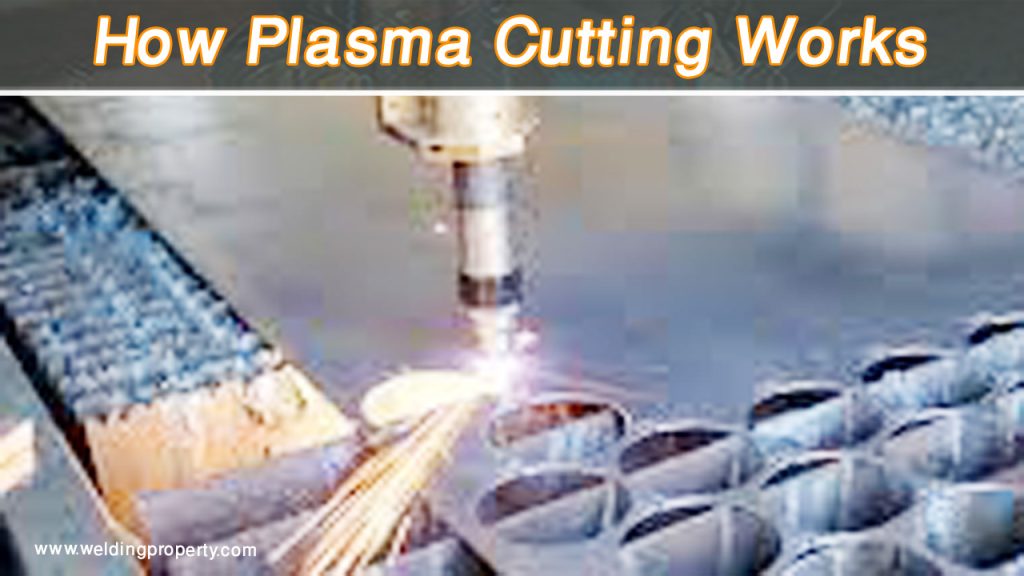
You’re in the shop, blueprint in hand, and instead of eyeballing a straight line with a bandsaw, your CNC table’s gantry hums to life, torch slicing through steel like a hot knife through butter. CNC plasma cutting uses a computer-controlled plasma arc—superheated ionized gas at 20,000 degrees Fahrenheit—to melt and blow away metal.
The “CNC” part? That’s your brain trust: software like SheetCam or Fusion 360 telling the machine exactly where to go, down to 0.01-inch accuracy.
For us welders, it slots right into the workflow after design but before assembly. Sketch your idea in CAD, nest parts to minimize waste (aim for 80% yield on that steel sheet), and let the plasma do the heavy lifting. When to use it? Anytime you’re batching repetitive cuts—like 20 identical brackets for a trailer—or prototyping wild shapes that’d take hours by hand.
Why bother if you’re a pro? Time savings: What used to be a full shift becomes an afternoon, freeing you up for the fun stuff like welding and finishing.
Practical know-how from the trenches: Always purge your air line—moisture kills consumables fast. I once had a newbie trainee flood the system, and we chewed through $200 in tips before lunch. Pro tip: Start with 16-gauge steel for practice; it’s forgiving on entry-level machines like the Lincoln Electric Tomcat.
Why Dive into CNC Plasma Cutting Projects Right Now?
In a world where everyone’s chasing that perfect Instagram-worthy weld bead, CNC plasma cutting projects stand out because they blend utility with artistry. Think about it—your average hobbyist welder might stick to stick welding boxes, but with a plasma table, you’re crafting heirlooms or side-hustle gold.
Safety-wise, it’s a win: Enclosed cuts mean less UV exposure, and modern tables like the Piranha A series have downdraft ventilation that keeps hex chrome dust from your lungs.
Weld integrity gets a boost too. Those plasma edges? Minimal dross if your amps are dialed (say, 45A for 1/8-inch mild steel), so your filler flows smooth without porosity. Material compatibility shines—pair it with ER70S-6 wire for MIG post-cut, and you’ve got corrosion-resistant joints for outdoor pieces.
Cost efficiency? Entry barriers are low: A used table runs $1,500, and projects like fire pits sell for $300-500 a pop, netting $200 profit after materials.
I’ve seen it transform shops. Back in ’18, I helped a fabrication buddy set up his first CNC rig during a slow winter. By spring, he was running custom gates for ranches, doubling his throughput. It’s not just about speed; it’s empowerment—turning “I wish I could” into “Watch this.”
Boosting Cost Efficiency in Your Shop
Scrap metal piles? Kiss ’em goodbye. CNC nesting software optimizes layouts, slashing waste by 30%. I run mine at 100 IPM travel speed on thin stock, and that efficiency adds up—$50 saved per sheet means more beer money at the end of the month.
Achieving Pro-Level Precision Every Time
Forget wobbly hand cuts. With a good torch height control (THC), your pierce height stays at 0.1 inches, ensuring uniform kerf width. For students or hobbyists, this means parts that fit like gloves—no filler gaps when you weld ’em up.
How to Build a Collapsible Fire Pit with CNC Plasma Cutting
Nothing beats the crackle of a backyard fire on a crisp fall night, right? That’s why my go-to starter project for CNC plasma cutting is a collapsible fire pit—portability meets plasma precision, and it’s a crowd-pleaser at tailgates or campsites.
I built my first one for a client’s lake house party; it folded flat for the truck bed and unfolded into a 30-inch diameter beast that roasted marshmallows like a champ.
What is it? A six-panel design from 16-gauge mild steel, cut with interlocking tabs for weld-free assembly (or weld ’em if you want permanence).
How it works: Plasma slices the panels with flame motifs, you bend the edges 90 degrees on a brake, and hinges let it collapse. Use it when you need something rugged yet packable—perfect for DIYers hauling to remote sites or pros demoing at shows.
Step-by-step:
- Design in Fusion 360—nest six 12×24-inch panels, add 1-inch tabs.
- Prep: Deburr your table, set amps to 40A, speed 80 IPM for clean edges.
- Cut: Run the job; expect 10 minutes total.
- Assemble: Bend tabs, attach hinges (1/4-inch pins), powder coat black for rust-proofing.
- Weld check: Tack corners if stacking for stability—use 6010 rod for penetration.
Common mistake? Over-piercing thick spots—dial back voltage to 110V. My fix: Test cuts on scrap. Pro tip: Add ash tray slots for easy cleanup; it sold that lake house pit for an extra $50.
Pros: Lightweight (under 40 lbs), customizable designs. Cons: Hinges wear if not lubed—grease quarterly.
| Feature | Pros | Cons |
|---|---|---|
| Portability | Folds to 4 inches thick | Hinges add $20 cost |
| Durability | 1/4-inch legs hold 50 lbs wood | Heat warps thin gauge over time |
| Cost | $100 materials, $300 sell | Initial design time 2 hours |
Creating Stunning Yard Art with CNC Plasma Cuts
Yard art—it’s that quirky metal magic that turns a plain lawn into a conversation starter. For CNC plasma cutting projects, nothing beats yard art for beginners: low stakes, high wow factor. I remember cutting my first metal sunflower for my mom’s garden; she still brags about it at block parties. It’s 24 inches tall, petals plasma-sliced from 1/8-inch HRPO steel, welded to a rebar stem.
Essentially, it’s decorative steel silhouettes or sculptures staked in the ground. The plasma’s arc etches intricate details—like leaf veins or animal outlines—without post-cut grinding. Why use it? When you want weather-resistant art that patinas over time, or to monetize scraps into $75 wall hangers.
Here’s the how-to:
- Sketch: Use Inkscape for free DXF files—layer petals, center, leaves.
- Material prep: Blast rust off recycled steel; prime for longevity.
- Cut settings: 50A, 120V, 60 IPM—slow for detail.
- Weld: TIG the stem at 15-20V with 308L filler for clean beads.
- Finish: Rust accelerator for that aged look, or clear coat.
Pitfall: Dross buildup on curves—blast with 80 PSI air post-cut. A student I mentored rushed a deer silhouette; edges flaked. Lesson? Patience on feed rate.
This project’s versatile—scale for kids’ play areas or gates. Safety note: Ground your table to avoid arc flash.
| Yard Art Type | Material | Difficulty | Sell Price |
|---|---|---|---|
| Flowers | Mild Steel | Beginner | $50-100 |
| Animals | Aluminum | Intermediate | $80-150 |
| Abstracts | Stainless | Advanced | $120+ |
Designing Personalized Metal Signs for Your Shop or Home
Signs are the billboards of the welding world—bold, branded, and begging to be hung. CNC plasma cutting projects like custom signs let you etch your shop logo or family motto into 10-gauge steel, ready for porch or storefront display. I cut a “Welded with Love” sign for my wedding gift; it’s still kicking after five years of porch duty.
At its core, it’s vector-based cutting: Load a font into your CAM software, offset for thickness, and plasma traces the letters. Use it for wayfinding in fab shops or personalized gifts—holiday orders spike this time of year.
Step-by-step guide:
- Design: CorelDRAW for outlines—add shadows for depth.
- Prep: Clamp 24×36 sheet; check THC calibration.
- Cut: 60A, 130V, 100 IPM—kerf 0.06 inches.
- Post-process: Bevel edges, MIG weld standoffs with E71T-1 wire.
- Mount: Chain or posts; patina with vinegar soak.
Common error: Font too thin—letters warp. Fix: Minimum 1/8-inch stroke width. Tip: For rusty charm, salt-water dip pre-cut.
Pros: Quick turnaround (under an hour). Cons: Dust—wear N95 in enclosed spaces.
| Sign Style | Best For | Finish Options | Time to Cut |
|---|---|---|---|
| Script | Home Decor | Powder Coat | 15 min |
| Block | Shop Branding | Raw Steel | 20 min |
| 3D | Gifts | Galvanized | 30 min |
Crafting Durable Garden Gates with Plasma Precision
Gates aren’t just entrances—they’re statements. For CNC plasma cutting projects, a garden gate turns scrap into security, with scrollwork that’d take days by hand. My ranch client needed a 4-foot arched gate; plasma cut the vines in 20 minutes, welded up in an hour—saved him $400 over a millwork shop.
It’s framed steel panels with decorative cutouts, hinged for swing. The plasma handles curves effortlessly, creating lattice or animal motifs. Why? For enclosing yards without sacrificing style, or upsell on farmstead builds.
Build it like this:
- Measure: 48×72 inches; design arch in SketchUp.
- Stock: 1/4-inch square tubing frame, 14-gauge infill.
- Cut: 70A, 140V, 50 IPM for tubing notches.
- Weld: Stick with 7018 for strength—preheat to 150F.
- Hang: Tee hinges, latch; galvanize for outdoors.
Mistake alert: Undercut tubing—use lead-ins. Early on, I botched a gate frame; client laughed it off as “modern art.” Now? Double-check nests.
Joint prep: Bevel 30 degrees for full pen. Filler: Match base with 308 for stainless accents.
| Gate Component | Material | Weld Process | Lifespan |
|---|---|---|---|
| Frame | HR Steel | MIG | 20+ years |
| Infill | Expanded Metal | TIG | 15 years |
| Hardware | Stainless | None | 10 years |
Building Rugged ATV Bumpers on Your CNC Table
Off-road warriors, listen up: An ATV bumper protects your ride from brush and boulders, and CNC plasma makes it custom-fit. I fabbed one for my buddy’s Polaris RZR during deer season—skid plate included, survived a rollover without a scratch.
This project’s a front-end guard from 3/16-inch steel plate, with winch mount and light tabs. Plasma cuts the contours precise, no jigs needed. Use it for trail rigs or UTV fleets—monetize at $250-400 each.
Steps to glory:
- Template: Scan bumper in CAD; add 2-inch tube guards.
- Prep: Oil the sheet to cut heat distortion.
- Cut: 80A, 150V, 40 IPM—torch standoff 1/16 inch.
- Bend/Weld: 45-degree hems on brake, MIG with 0.035 wire at 22V.
- Powder: Textured black for chip resistance.
Error: Weak tabs—reinforce with gussets. Tip: Test fit pre-weld; saves rework.
Safety: Eye pro for spatter; gloves rated 1000F.
| Bumper Feature | Benefit | Material Cost | Build Time |
|---|---|---|---|
| Skid Plate | Rock Guard | $40 | 1 hour |
| Winch Mount | Recovery Ready | $20 | 30 min |
| Light Tabs | Night Runs | $10 | 15 min |
Designing a Custom Welder Cart for Shop Efficiency
Every shop needs a beast of a cart to tote that Miller 252—mine’s plasma-cut from 1/4-inch plate, shelves for leads and gas. CNC makes it modular; I tweaked the design mid-build for extra drawer space.
It’s a rolling base with cutout shelves, powder-coated hammertone. Plasma excels at gusseted frames for load-bearing. Why? Streamlines workflow, prevents tip-overs—essential for pros juggling jobs.
How-to:
- Layout: SolidWorks for stability—wheelbase 24 inches.
- Cut: 90A, 160V, 30 IPM for slots.
- Weld: Flux-core E71T-11 at 25V; full pen on joints.
- Assemble: Casters, paint; test 300-lb load.
- Tune: Add tool hooks post-weld.
Flub: Overloaded shelves sag—use 1/2-inch tubing. Cart tipped on me once; now I weld diagonals always.
Prep: Chamfer edges for safe handling. Rod: 6011 for dirty steel.
| Cart Spec | Capacity | Weight | Cost |
|---|---|---|---|
| Shelves | 200 lbs | 50 lbs | $150 |
| Drawers | Tools Galore | +10 lbs | +$50 |
| Wheels | 8-inch Lock | Smooth Roll | $30 |
Simple Hat Shelf Projects to Organize Your Space
Hats piling up? A plasma-cut hat shelf is your fix—simple rack from 14-gauge, hooks bent post-cut. My shop version holds 12 caps, welded to wall brackets; great for hobbyists decluttering garages.
It’s slotted steel with J-hooks, customizable widths. Plasma’s speed shines on repeats—batch 10 for a farmers’ market flip.
Steps:
- Design: AutoCAD—1-inch slots every 4 inches.
- Cut: 45A, 115V, 90 IPM.
- Bend: Brake at 90 degrees; deburr hooks.
- Weld: Spot with 308L; hang with lag screws.
- Finish: Matte black spray.
Mistake: Sharp hooks snag—radius ’em 1/8 inch. Tip: Add LED strips for display sales.
Pros: Space-saver. Cons: Light duty—under 20 lbs.
| Shelf Size | Hat Capacity | Material | Price Point |
|---|---|---|---|
| 24-inch | 6 | Mild Steel | $30 |
| 48-inch | 12 | Alum | $50 |
| Custom | Unlimited | SS | $75+ |
Unleashing Creativity with Dinosaur Sculptures
Want to go big? A plasma-cut dinosaur sculpture—think 5-foot T-Rex from layered steel—turns heads at parks or man caves. I built a stegosaurus for a kid’s birthday; plates cut precise, welded stack-style.
It’s assembled plates mimicking bones, powder-coated green. Plasma handles scales flawlessly. Use for art installs or kid-friendly yard features—sells for $500+.
Guide:
- Model: Blender export DXF layers.
- Cut: 55A, 125V, 70 IPM per plate.
- Stack/Weld: MIG verticals at 18V; brace for plumb.
- Detail: Grind seams, add eyes.
- Base: Concrete embed.
Issue: Warped plates—water quench. Story: Dino tail flopped; gussets fixed it.
Codes: AWS D1.1 for structural.
| Dino Type | Scale | Build Time | Appeal |
|---|---|---|---|
| T-Rex | Life-size | 8 hours | Thrilling |
| Stego | Kid-size | 4 hours | Educational |
| Raptor | Wall-mount | 2 hours | Decorative |
Common Mistakes in CNC Plasma Cutting Projects and Quick Fixes
Ssparks flying, but so’s the dross. Top blunder: Wrong amps—too low, incomplete cuts; too high, blowback. Fix: Chart your machine (e.g., 40A for 10-gauge), test scrap.
Another: Poor nesting—wasted steel. Solution: Software like NestFab, aim 85% utilization. I lost $100 on a bad run once; now I proof paths.
Ventilation skip? Fumes build—OSHA fines await. Shop cough epidemic ’til I added a $300 extractor.
Joint prep neglect: Leads to cold welds. Always grind to bright metal, 1/16-inch land.
Settings tip: Voltage drop? Clean earth clamp—boosts arc stability.
Optimizing Machine Settings for Flawless CNC Plasma Cuts
Dialing in? Start with pierce delay—0.1 seconds for thin, 0.5 for thick. Travel speed: Inverse to thickness; 100 IPM on 16-gauge, 30 on 1/2-inch.
Torch height: Auto-THC golden, but manual? 1/8-inch standoff. Gas: Clean dry air at 70 PSI.
For aluminum: Pure argon shield, slower speeds to avoid oxide. Stainless? Nitrogen plasma for less nitriding.
Pro know-how: Consumable life doubles with proper blowback—inspect weekly. My table’s on year three, tips still sharp.
Wrapping It Up: Your Path to Plasma Mastery
We’ve covered from fire pits that fold like origami to dinos that roar in steel. Key takeaways? CNC plasma cutting projects aren’t about fancy gear; they’re about smart cuts saving time, stronger welds from clean edges, and turning hobbies into hustles. You’re now geared to pick materials that match (mild for budget, stainless for bling), settings that sing, and fixes for those “oops” moments.
You’re more prepared because you’ve got the real-shop playbook—no theory, just torque. Grab that DXF, fire up the table, and build something epic. Confident action starts with one cut. Document your projects on video—builds your portfolio faster than any cert.
FAQs
What Materials Are Best for Beginner CNC Plasma Cutting Projects?
Mild steel (A36) tops the list—affordable at $0.50/lb, cuts clean at 40-60A. Avoid cast iron; it’s messy. For outdoors, galvanneal adds rust fight.
How Much Does a Basic CNC Plasma Table Cost for Home Use?
Entry-level like the ShopSabre runs $3,000-5,000, including 45A torch. Factor $500 yearly on consumables. ROI in 20 projects if selling.
Can I Weld After Plasma Cutting Without Extra Prep?
Usually yes—edges are hot-rolled clean. But grind dross, bevel for thick joints. Use matching filler like ER70S-6 for MIG.
What’s the Safest Way to Handle Fumes in My Garage Shop?
Downdraft table or fume arm extractor—$400 investment. NIOSH mask for backups. Ventilate; hex chrome’s no joke.
How Do I Sell My CNC Plasma Cutting Projects Locally?
Etsy for digital DXFs, Facebook Marketplace for builds. Price materials x3 + labor. Network at welding meets—word spreads fast.