Early in my welding days, I struggled to get clean cuts on thick steel using outdated cutting tools. Sparks flew, edges came out rough, and I spent more time grinding than welding. That frustration pushed me to seriously look into Best Plasma Cutters Under $1000 that could deliver smooth, precise cuts without draining my budget.
I learned through trial and error that a reliable plasma cutter isn’t just about cutting speed—it’s about safety, control, and protecting your material from unnecessary heat damage. The right machine can make weld prep faster, cleaner, and far more consistent, especially in a small shop or home garage.
After burning through cheap consumables and fighting underpowered machines, I finally understood what features actually matter and which ones don’t. Let me walk you through the real-world options that perform when it counts, so you can choose with confidence and avoid costly mistakes.
What Is a Plasma Cutter and Who Should Get One Under $1000?
You’re in your garage, staring at a rusty sheet of metal that needs precise cuts for a bracket or frame. A plasma cutter uses superheated ionized gas to melt and blow away material, giving you straight, dross-free edges way faster than a torch or grinder. It’s perfect for anyone working with conductive metals up to about 3/4 inch thick, depending on the model.
These under-$1000 units are ideal for DIY welders tackling home repairs, fabrication hobbyists building furniture or art, professional welders on lighter jobs, students practicing in trade schools, and industry workers needing portable tools for maintenance.
If you’re just starting out, look for easy setups; pros might prioritize duty cycles for longer runs. In my experience, these budget-friendly cutters shine in scenarios like auto body work, farm equipment fixes, or custom metal signs—where you need reliability without industrial-grade prices.
Buyer’s Guide: How to Choose the Right Plasma Cutter Under $1000
Before you hit “add to cart” on Amazon, let’s talk about what really counts. First, check amperage—40-60 amps is solid for most under-$1000 models, handling 1/4 to 1/2 inch cuts cleanly. Duty cycle matters too; aim for at least 35-60% at max amps to avoid overheating during extended use.
Portability is key if you’re moving between jobs—look for lightweight designs under 20 pounds with handles. Dual voltage (110/220V) gives flexibility for home outlets or shop power. Safety ratings like UL or CE certification ensure compliance with U.S. codes, and features like pilot arcs help with painted or rusty surfaces.
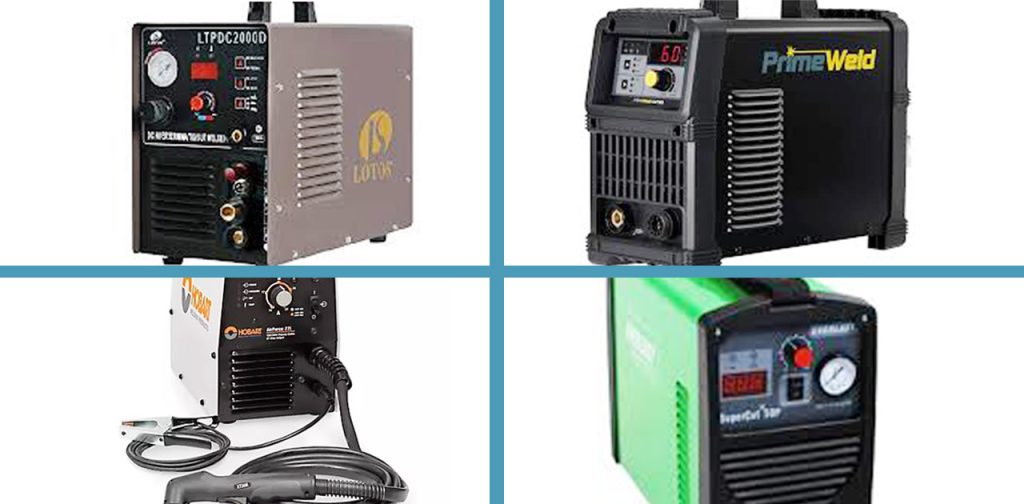
Brand reputation? Stick to names like Lotos, YesWelder, or Hobart—they offer decent warranties (1-3 years) and customer support. Consider compatibility with your air compressor (most need 60-70 PSI), and factor in consumables availability on Amazon for easy replacements.
Common pitfalls: Skipping reviews for real-user feedback or ignoring thickness ratings, which can lead to frustration on thicker stock. Budget for extras like regulators or gloves to round out your setup.
Review of Lotos LTP5000D Plasma Cutter
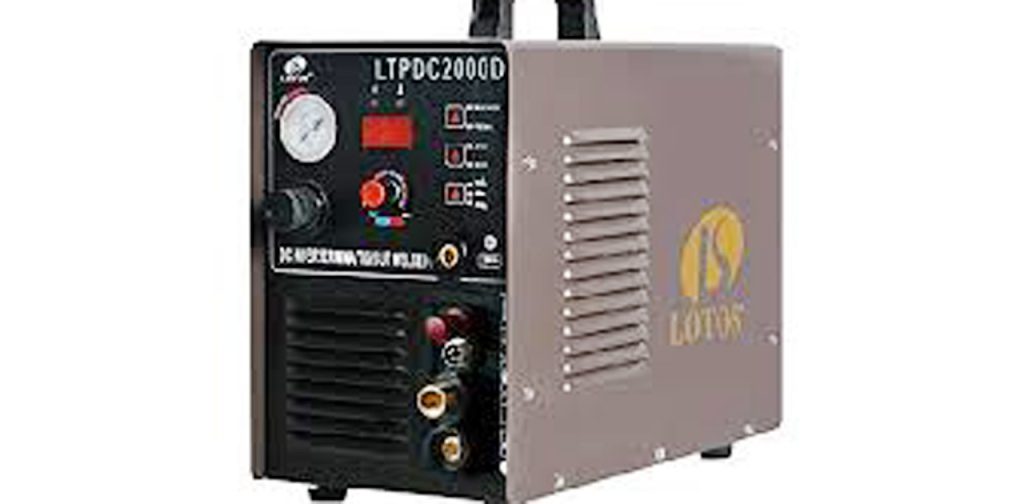
I’ve got a soft spot for the Lotos LTP5000D—it’s been my go-to for quick cuts on mild steel in the shop. This 50-amp machine is a non-touch pilot arc cutter that runs on dual voltage, 110V or 220V, making it super versatile whether you’re plugged into a standard outlet or a generator out in the field.
What sets it apart? The pilot arc starts without touching the metal, which is a blessing on dirty or painted surfaces—no more scratching to initiate the cut. It comes with a torch, ground clamp, and some consumables to get you started right away.
In real-world tasks, I’ve used it to slice through 1/2-inch plate for custom brackets, and it handles aluminum up to 3/8 inch without much dross.
Setup is straightforward: Hook up your air compressor (aim for 65 PSI), adjust the amps based on material thickness—start low at 20-30 for thin sheets to avoid warping—and you’re off.
From a welder’s perspective, pros include its lightweight 19-pound build for easy portability, and the price around $300 makes it accessible for hobbyists or students. It’s durable too, with overload protection that kicks in if things get too hot.
Cons? The ground clamp cable is a bit short, so I extended mine with some 10-gauge wire for better reach. Also, on 110V, it maxes out at thinner cuts, so pros might prefer 220V for heavier work.
In different scenarios, it’s shone on auto repairs—cutting out rusted panels smoothly—and fabrication like building gates.
One shop-tested tip: Always check air pressure before starting; low PSI leads to rough cuts. A common mistake buyers make is not replacing consumables soon enough, which causes arc instability—fix it by keeping spares on hand from Amazon. Overall, if you’re a DIYer or part-timer, this one’s a solid entry point that punches above its weight.
Review of YesWelder CUT-55DS Pro Plasma Cutter
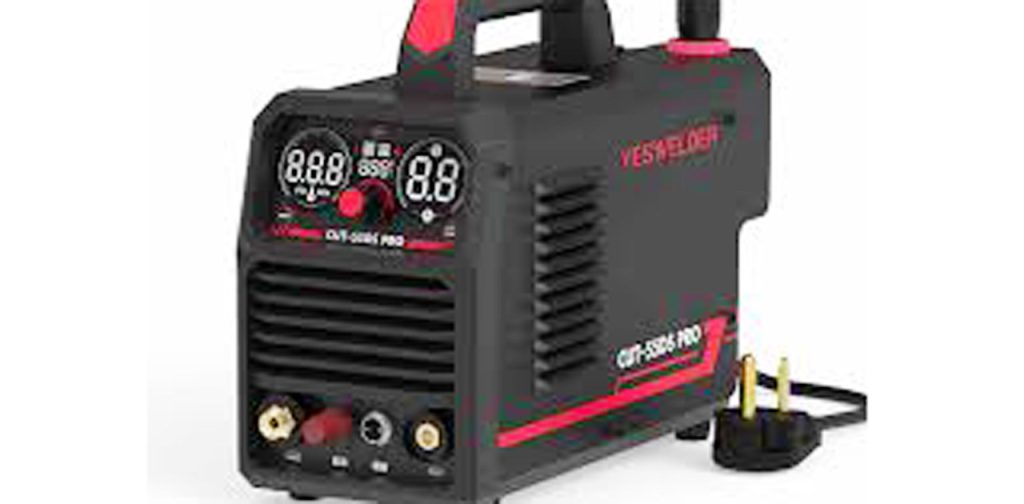
The YesWelder CUT-55DS— this one’s impressed me with its balance of power and user-friendliness. As a 55-amp cutter with blowback technology, it’s designed for clean, precise work on metals up to 3/4 inch in ideal conditions, though I stick to 1/2 inch for consistent results.
Key features include the digital display for easy amp adjustments, dual voltage compatibility, and a non-touch pilot arc that fires up reliably. It’s got a built-in air regulator, which saves you from buying extras, and the IPT-40 torch feels sturdy in hand.
For real-world welding tasks, I’ve used it on stainless steel exhaust pipes, where the clean cuts minimized grinding time. Setup? Plug in, set your PSI to 60-70, dial in 40 amps for 1/4-inch steel, and test on scrap first to fine-tune.
Pros from my view: Excellent portability at under 15 pounds, making it great for mobile jobs like fence repairs. The 60% duty cycle means longer sessions without cooldowns, and at around $360, it’s cost-effective with a 1-year warranty.
Cons: It can struggle on 110V for thicker materials, so garage setups benefit from 220V. Replacement tips aren’t always stock on Amazon, so order ahead.
In scenarios like hobby fabrication, it’s aced cutting shapes for art pieces, and for pros, it’s reliable for light industrial maintenance. Personal anecdote: I once botched a cut on aluminum by rushing the speed—lesson learned, go slow for curves to avoid slag.
Common buyer mistake: Overlooking the need for a dry air supply; moisture kills consumables fast—add an inline filter. This cutter’s a winner for students or hobbyists wanting pro-level features without the premium price.
Review of PrimeWeld CUT60 Plasma Cutter
When I need something beefier, I reach for the PrimeWeld CUT60. This 60-amp beast is built for dual voltage and comes with a PT60 blowback torch that’s comfortable for extended use. Priced at about $700, it’s on the higher end under $1000 but justifies it with robust performance.
Features wise, it has overload and high-temperature protection, plus a 3-year warranty that gives peace of mind. The digital controls let you fine-tune amps and post-flow air, which helps cool the torch. In practical terms, I’ve cut 5/8-inch mild steel for structural frames, and it handles alloy steels well too.
Setup tip: Connect to a 220V outlet for max power, set air to 65 PSI, and start at 50 amps for thicker stock—adjust down for precision.
Pros: High duty cycle (60% at full amps) for pros on longer jobs, and it’s compatible with CNC tables if you upgrade. Durability shines in dusty shops, and portability is decent at 22 pounds.
Cons: It’s louder than some, so ear protection is a must, and the initial setup requires checking fittings for leaks.
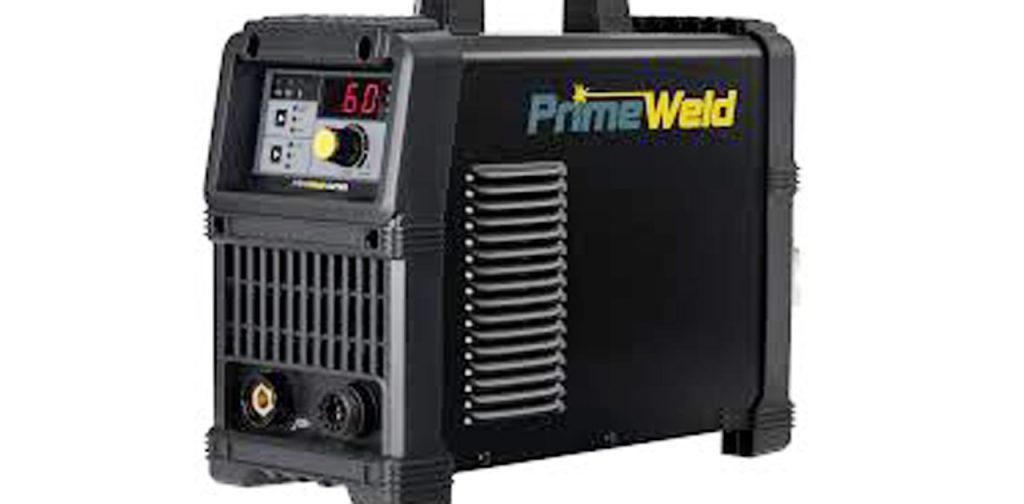
For different uses, it’s excelled in workshop fabrication like building carts, and for industry workers, it’s great for on-site repairs. Shop hack: Use a standoff guide for straight lines—improvises with a metal ruler clamped on.
Buyers often err by not breaking in the torch properly; run a few test cuts to seat the electrodes. If you’re a professional or serious hobbyist, this one’s built to last and perform.
Review of Hobart AirForce 12ci Plasma Cutter
The Hobart AirForce 12ci is a compact powerhouse I recommend for beginners or small shops. At 12 amps with a built-in air compressor, it’s plug-and-play on 110-120V, perfect for garage setups without extra gear. Around $800, it’s premium for the category but reliable.
Key features: Fan-on-demand cooling, XT12R torch, and it cuts up to 1/4 inch severance. No external compressor needed, which simplifies things.
In real tasks, I’ve used it for detailed work like trimming brackets on aluminum—clean and minimal spatter. Setup is easy: Plug in, set amps to max for thicker cuts, and go; no PSI worries.
Pros: Ultra-portable at 27 pounds, 5/3/1 warranty (5 years on transformer), and quiet operation. Great for students practicing thin-gauge work.
Cons: Limited to lighter cuts, so not for heavy fab, and no dual voltage.
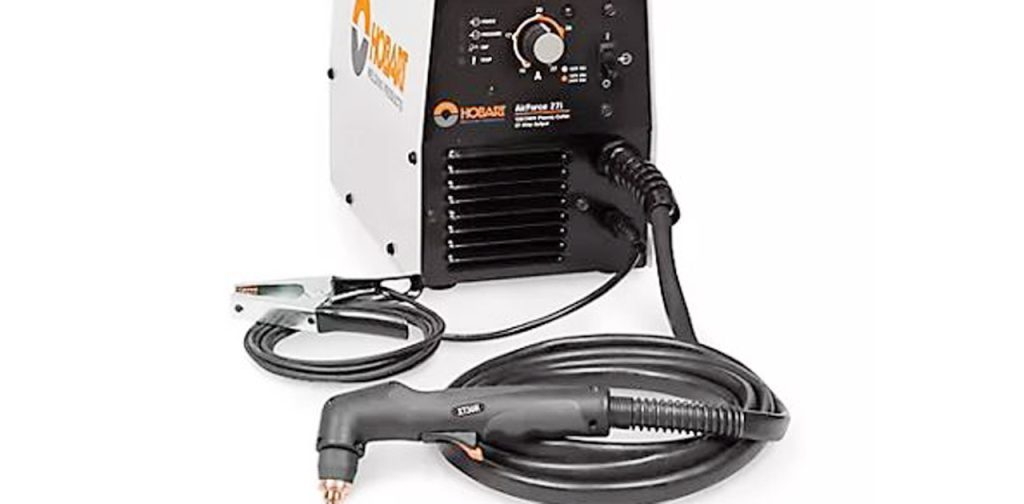
Scenarios: Shines in home repairs or hobby projects like model building. Anecdote: I lent it to a buddy for auto panels—he loved the ease but noted slower speeds on max thickness.
Mistake to avoid: Ignoring duty cycle; 35% means short bursts—cool down to prevent trips. Ideal for DIYers wanting simplicity and quality.
Review of Everlast PowerPlasma 50S Plasma Cutter
The Everlast PowerPlasma 50S is a solid mid-range option at around $600, with 50 amps and high-frequency start for quick ignition. Dual voltage and a 3-year warranty make it appealing for mixed use.
Features: Adjustable post-flow, Euro-style torch, and cuts up to 3/4 inch max. I’ve tested it on copper and stainless for electrical enclosures—smooth results. Setup: 220V preferred, 60 PSI air, start at 40 amps.
Pros: Good for CNC integration, durable build, and value-packed kit. Portable at 25 pounds. Cons: Can be finicky on 110V, and customer service varies.
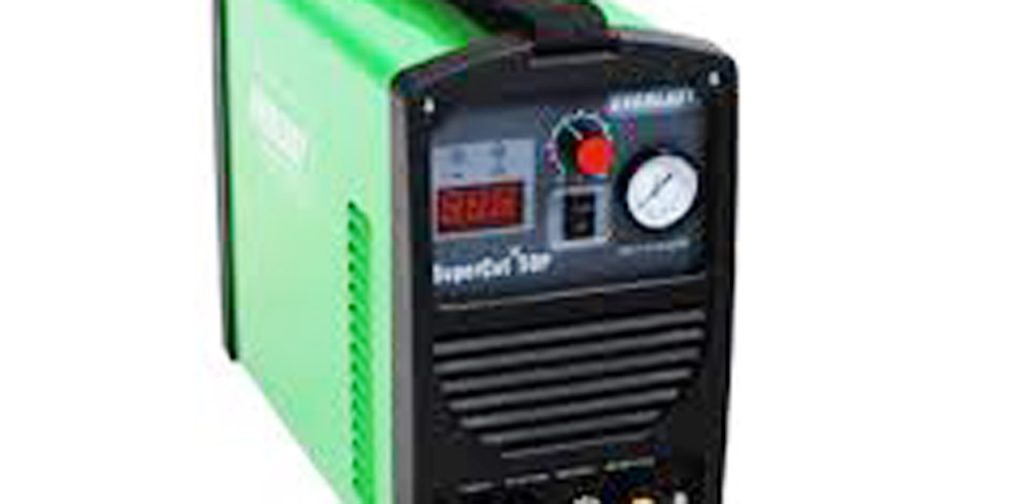
Uses: Great for pros on maintenance or hobbyists on larger pieces. Tip: Use anti-spatter spray on tips for longevity. Common fix: If arc wanders, check ground connection. A versatile pick for growing skills.
Comparison of the Best Plasma Cutters Under $1000
Here’s a side-by-side look to help you decide:
| Product | Amps | Voltage | Max Cut Thickness | Weight | Price (Approx.) | Pros | Cons |
|---|---|---|---|---|---|---|---|
| Lotos LTP5000D | 50 | 110/220V | 1/2 inch | 19 lbs | $300 | Portable, pilot arc, affordable | Short cables, weaker on 110V |
| YesWelder CUT-55DS | 55 | 110/220V | 3/4 inch | 15 lbs | $360 | Digital display, lightweight | Tips hard to find, voltage-dependent |
| PrimeWeld CUT60 | 60 | 110/220V | 5/8 inch | 22 lbs | $700 | High duty cycle, warranty | Noisy, check fittings |
| Hobart AirForce 12ci | 12 | 110V | 1/4 inch | 27 lbs | $800 | Built-in compressor, quiet | Limited power, no dual voltage |
| Everlast PowerPlasma 50S | 50 | 110/220V | 3/4 inch | 25 lbs | $600 | CNC compatible, adjustable flow | Finicky start, service issues |
This table highlights how they stack up for features like power and portability—pick based on your needs.
Step-by-Step Usage Tips for Optimal Plasma Cutting Performance
Let’s walk through using one of these cutters safely and effectively, U.S.-style with standard settings.
- Prep your workspace: Clear flammables, wear PPE—helmet, gloves, long sleeves per ANSI standards. Ground the machine properly to avoid shocks.
- Set up the cutter: Connect air hose (60-70 PSI dry air), plug in (220V for best), attach torch and clamp.
- Adjust settings: For 1/4-inch steel, set 40 amps, post-flow 10 seconds. Test on scrap.
- Start cutting: Hold torch at 90 degrees, 1/8 inch standoff. Trigger, move steadily (10-20 IPM).
- Finish and maintain: Let post-flow cool, inspect consumables. Store dry.
Shop hack: For curves, practice on cardboard templates. Compatible fillers? Not needed for cutting, but pair with MIG for joins.
Safety and Common Mistakes in Plasma Cutting
Safety first—always use rated helmets (shade 8 min) and ventilate for fumes, per OSHA guidelines. Common mistakes: Wet air causing poor cuts—use a dryer. Rushing speed leads to dross—slow down. Fix by practicing on varied metals.
Conclusion
My deep dive into the best plasma cutters under $1000, from the versatile Lotos to the reliable PrimeWeld. You’re now equipped with the know-how on features, real-world use, and buyer pitfalls to make a smart choice that fits your welding life.
Whether it’s saving time on DIY projects or boosting efficiency as a pro, these machines deliver without the hefty tag. Go ahead, grab one on Amazon and fire it up—you’ll wonder how you worked without it. Always stock extra consumables; they’re cheap insurance against downtime.
FAQs
Are plasma cutters under $1000 good for beginners?
Absolutely, especially models like the Hobart with built-in compressors—they’re forgiving and easy to learn on thin materials. Start slow, follow manuals, and you’ll build confidence fast.
What thickness can a plasma cutter under $1000 handle?
Most cut 1/4 to 1/2 inch cleanly, with some like the YesWelder reaching 3/4 inch on severance. Factor in material type—aluminum cuts easier than stainless.
Do I need a separate air compressor for these cutters?
It depends; the Hobart has one built-in, but others require a 4-5 CFM unit at 60 PSI. Check specs to match your setup.
How do duty cycles affect my work with budget plasma cutters?
A 50% cycle means 5 minutes on, 5 off at max amps—fine for hobbyists, but pros pick higher for continuous jobs to avoid interruptions.
Can these plasma cutters work with generators?
Yes, most dual-voltage ones do, but ensure the generator’s clean power (under 10% THD) to prevent damage—I’ve run mine on job sites without issues.