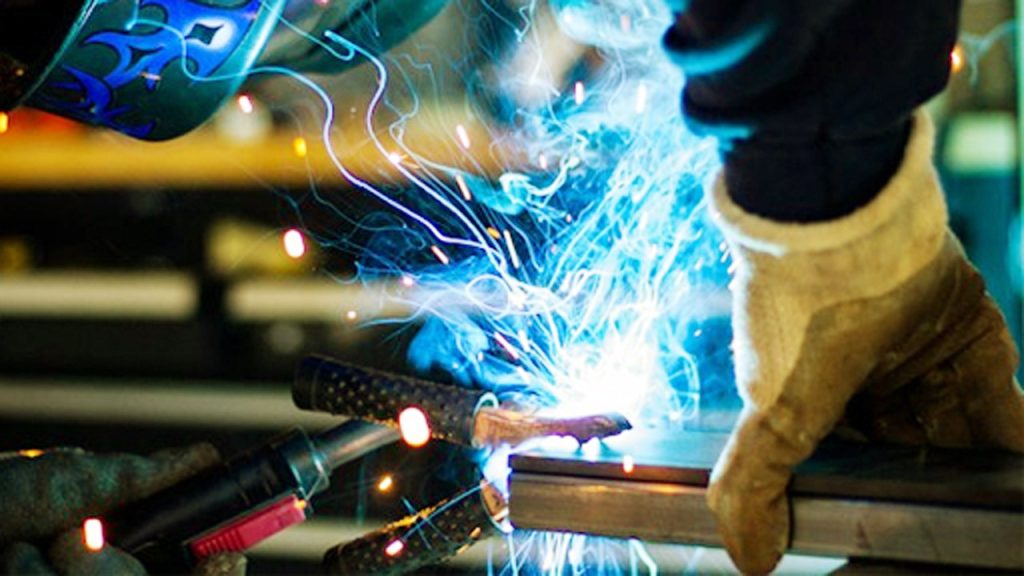
I was halfway through a weld, hood down and everything lined up, when my machine suddenly went silent. No arc, no fan, not even a warning light—just dead weight sitting on the floor.
Moments like that force you to stop guessing and actually learn how to repair a welding machine with no power, because walking away from a job or replacing a machine isn’t always an option.
When a welder won’t power on, it’s more than an annoyance. Power failures can hide simple problems like a loose plug or blown fuse, and overlooking them can lead to unsafe fixes, poor weld quality, or wasted money.
I’ve tracked down these issues on shop floors and in small garages, learning which checks matter and which are just myths. I’ll show you the exact troubleshooting steps I use to safely bring a “dead” welder back to life, starting with the simplest checks and moving forward from there.
Image by INABANGA MARKET PLACE
Why Is My Welding Machine Suddenly Powerless?
This is the first question that hits you when the machine won’t fire up. It’s what it is: a complete loss of electrical function, where the unit doesn’t respond to the power switch, fans don’t spin, and there’s zero output at the terminals. How it works—or doesn’t—is usually tied to a break in the electrical circuit, from the plug all the way to the internal transformers or inverters.
You use troubleshooting like this when you’re facing downtime on a job site or in your garage setup. Why bother? Because ignoring it could mean safety risks, like hidden shorts that cause sparks or overheating that damages nearby tools. In practical terms, I’ve seen guys lose a whole day’s work because they didn’t check the basics first.
Shop tip: Start with the environment. Is your machine in a dusty shop? Dust buildup on vents can trigger thermal shutdowns, mimicking a no-power issue. I once had a Lincoln inverter that “died” after a long session—turned out it was just caked in grinding debris. Clean those vents weekly if you’re running heavy duty cycles.
Safety Comes Before Any Wrench-Turning
Before you even think about popping the cover, let’s talk safety. What it is: A set of precautions to avoid shocks, burns, or worse when dealing with high-voltage gear. How it works: Electricity in welders can pack 220V or more, so you disconnect power, discharge capacitors, and use insulated tools.
Do this every time, no exceptions—why? Because one zap can end your day or worse. In US shops, OSHA guidelines emphasize lockout/tagout procedures for repairs, and I’ve seen accidents from skipping them.
Practical tip: Unplug the machine and wait 5-10 minutes for internals to discharge. Wear rubber-soled boots and gloves rated for electrical work. If you’re unsure, stop—better to call a certified tech than risk it. Anecdote: Early in my career, I rushed a repair on a Miller MIG without discharging, and got a nasty shock. Lesson learned: Patience saves skin.
Checking the Basics: Power Source and Connections
Often, the fix is staring you in the face. What it is: Verifying external power delivery. How it works: Electricity flows from your outlet through the cord to the machine—if any link fails, no power.
Use this when the machine shows zero signs of life. Why? It rules out 70% of issues without tools, saving time. In fabrication jobs, like repairing farm equipment, you can’t afford guesswork.
Step-by-step guide:
- Inspect the power cord for cuts, frays, or melted insulation. Tug gently to check for loose plugs.
- Test the outlet with a voltage tester or plug in another device. US homes often use 110V or 220V NEMA outlets—ensure it matches your welder’s spec.
- Check your shop’s circuit breaker. High-amp draw from welding can trip it silently.
- If using an extension cord, ditch it— they drop voltage and overheat. Go direct to the wall.
Common mistake: Beginners assume the machine’s dead when it’s just a tripped GFCI outlet in damp shops. Pros do it too under pressure. Fix: Reset and test voltage at 208-240V for most US inverters.
Shop anecdote: On a trailer repair job, my Hobart Handler went dark. Turned out the cord was pinched under a workbench. A quick splice and we were back in action—no lost time.
Dealing with Fuses and Circuit Breakers Inside the Machine
If externals check out, look here next. What it is: Protective devices that cut power on overloads. How it works: Fuses blow or breakers trip to prevent damage from surges or shorts.
Tackle this when basics fail but you suspect an electrical fault. Why? It protects components like rectifiers from burning out, avoiding expensive replacements.
Practical tips: Locate the fuse panel—usually under the side cover. Use a multimeter in continuity mode to test fuses. If blown, replace with the exact amp rating (e.g., 10A slow-blow for many inverters).
Pros and cons table:
| Component | Pros of Checking Yourself | Cons of DIY |
|---|---|---|
| Fuses | Quick, cheap fix; prevents further damage | Risk of wrong replacement causing fires |
| Breakers | Resettable; indicates overload issues | May mask deeper problems like faulty wiring |
Mistake to avoid: Reusing a blown fuse with wire—I’ve seen it in desperate shops, but it invites meltdowns. Instead, diagnose why it blew, like running at max amps too long.
After replacement, test with a low-amp setting on scrap metal to ensure stable output.
Thermal Overload: When Your Machine Needs a Break
Overheating is a silent killer. What it is: A safety feature that shuts down power when internals get too hot. How it works: Sensors detect temperature spikes and open the circuit until cooldown.
Use it for intermittent no-power after heavy use. Why? Prevents warped boards or melted insulation, which affect arc stability and penetration in welds.
Shop-floor tip: Improve airflow—don’t stack tools on the machine. In hot US summers, add a fan. I run my setups with 30% duty cycles max to avoid this.
Step-by-step reset:
- Unplug and let cool for 30-60 minutes.
- Clean vents and fans with compressed air.
- Power up and monitor temperature gauge if equipped.
Common error: Forcing restarts too soon, damaging the thermal switch. Fix: Address root causes like clogged filters or high ambient temps in your garage.
Anecdote: During a pipe welding marathon, my Eastwood MIG overheated mid-job. After cooling and cleaning, it ran smoother—taught me to pace sessions.
Inspecting the Power Switch and Wiring
Switches wear out like anything else. What it is: The on/off mechanism controlling input power. How it works: It completes the circuit; if faulty, no flow.
Check this after fuses. Why? It’s a common fail point in daily-use machines, leading to inconsistent power that ruins weld quality.
Tips: Use a multimeter to test continuity across the switch terminals. If open when on, replace it—parts are cheap online for brands like Harbor Freight or Forney.
Joint prep note: While you’re in there, inspect wiring for corrosion, especially in humid shops. Clean with electrical contact cleaner.
Mistake: Ignoring loose terminals, which arc and melt. Pros tighten them quarterly.
Going Internal: Capacitors, Diodes, and Rectifiers
Now we’re in advanced territory. What it is: Core electrical components converting AC to DC for welding. How it works: Capacitors store charge, diodes direct current—failures block power.
Do this only if comfortable with electronics. Why? Faulty ones cause no output, affecting amperage control and arc starts in SMAW or TIG processes.
Practical advice: Visually check for bulged capacitors or burned diodes. Test diodes with multimeter in diode mode—forward bias should read 0.3-0.7V.
Shop tip: For inverter machines popular in US fabs, like those from ESAB, IGBT modules often fail from surges. Replace as a set to match.
Anecdote: Fixed a buddy’s welder with a bad rectifier bridge—simple swap, but tested output at 50-150 amps on mild steel to confirm.
Pros/cons:
| Repair Type | Pros | Cons |
|---|---|---|
| DIY Component Swap | Cost-effective; builds skills | Void warranty; shock risk |
| Pro Service | Expert diagnosis; warranty safe | Downtime; higher cost |
Handling Inverter-Specific Issues
Inverters dominate modern US welding—compact, efficient. What it is: Electronic power conversion tech. How it works: High-frequency switching for precise control.
Use for no-power in models like Hypertherm or Vulcan. Why? They handle variable amps better but are prone to board failures.
Tips: Check PTC thermistors—they protect against inrush current. If faulty, no startup. Replace with matching ohms.
Mistake: Overlooking input voltage—US 110V vs 220V mismatches fry boards. Always verify.
After repair, calibrate amps: For 1/8″ electrodes in SMAW, set 90-130A on 1/4″ steel for good penetration without burn-through.
Testing Output After Repairs
Don’t assume it’s fixed—test it. What it is: Verifying power delivery post-fix. How it works: Measure voltage at terminals with no load (50-80V DC typical).
Why? Ensures safe operation and proper settings for materials like stainless or aluminum.
Step-by-step:
- Set to lowest amps.
- Strike an arc on scrap.
- Adjust for smooth burn-off—no popping means good repair.
Safety: Wear full PPE; test in ventilated area to avoid fumes.
Anecdote: Post-repair on a shop inverter, I ran test beads at 100A—perfect fusion, no distortion.
Material Compatibility and Settings Post-Repair
Once powered, match settings to your job. For mild steel repairs, use E7018 rods at 1/8″ diameter, 100-140A. Why? Proper amps ensure penetration without warping thin stock.
Tip: Prep joints with bevels for better filler flow. Incompatible fillers crack—stick to AWS specs.
Common fix: If low power caused under-penetration before, now dial in higher amps gradually.
When the Problem Persists: Calling in Reinforcements
Not everything’s DIY. What it is: Professional service for complex faults. How it works: Techs use oscilloscopes for deep diagnostics.
Call when internals look fried or you’re out of your depth. Why? Saves money long-term by avoiding botched fixes.
Shop advice: For US brands, use authorized centers—Miller or Lincoln have networks. Cost: $100-300 typical.
Mistake: Delaying—small issues snowball.
Preventive Maintenance to Avoid No-Power Nightmares
What it is: Routine care keeping machines alive. How it works: Cleaning, checking connections quarterly.
Why? Extends life, maintains consistent output for quality welds.
Tips: Store in dry areas; use surge protectors against US grid fluctuations.
Anecdote: My daily checklist prevented a major breakdown during a rush auto frame job.
Wrapping Up
I’ve revived, it’s clear that a systematic approach turns frustration into quick wins. You’ve got the tools now to diagnose and fix no-power issues, whether it’s a simple cord swap or spotting a bad diode. This knowledge equips you to handle real shop scenarios with confidence, reducing downtime and boosting your weld quality.
Always keep a multimeter handy and log your machine’s amp draws monthly—it catches creeping problems before they kill power.
FAQs
What if my welding machine trips the breaker every time I turn it on?
Check for shorts in the cord or internals. Reset the breaker, but if it persists, measure input current—over 20A on a 15A circuit is the culprit. Upgrade wiring or use a dedicated line.
Why does my inverter welder have no power after overheating?
The thermal protector tripped. Cool it down fully, clean fans, and reduce duty cycle. If it repeats, inspect for faulty sensors.
Can a bad ground cause no power in my welder?
Rarely for total no-power, but poor grounds affect output. Clean clamps and ensure tight connections for stable arcs.
How do I test if the power switch is faulty?
Use a multimeter for continuity. No beep when on means replacement time—easy fix with basic soldering.
What amperage should I set after repairing my machine?
Start low: For SMAW on 3/16″ steel, 80-120A with 3/32″ rods. Test on scrap to avoid burn-through or weak penetration.