Laser welding is one of the most fascinating advancements in the field of metal joining, and I’ve had the chance to see it up close a few times. It’s a high-tech process that uses laser beams to fuse materials together with precision. If you’re curious about how laser welding works, let me take you through the ins and outs of it.

Image by bej-laser
If you’re a seasoned welder or just interested in how lasers can weld materials, I think you’ll find this explanation pretty eye-opening.
Laser welding isn’t like your traditional arc or gas welding methods. It’s sleek, efficient, and incredibly accurate. The precision that lasers offer makes them ideal for high-tech industries like aerospace, automotive, and even medical devices.
I’ll walk you through how laser welding works, what makes it different from other welding techniques, and why it’s gaining popularity across various industries.
What Is Laser Welding?
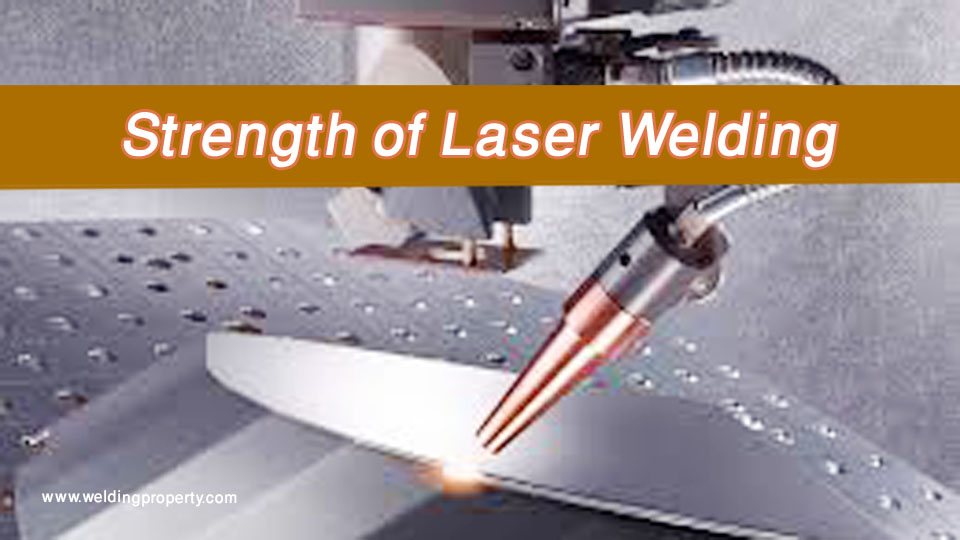
Laser welding is a technique that uses a concentrated laser beam to join two materials together. The laser generates an intense, focused beam of light that melts the material at the joint, allowing the two pieces to fuse together as they cool down.
Because of its precision, laser welding is particularly useful for projects that require minimal heat distortion or are made from complex materials.
When you think of lasers, you might imagine a science fiction movie or a high-tech gadget. But in the world of manufacturing and fabrication, lasers are practical tools used to achieve incredibly clean, strong welds in materials like metal, plastic, and even glass.
How Does Laser Welding Work?
Now, let’s get into the nuts and bolts of how laser welding actually works. At its core, laser welding relies on a laser beam to deliver a concentrated heat source that melts the edges of the materials being joined.
Once the materials melt, they fuse together as the molten pool cools and solidifies. It’s similar to other types of welding in that you’re melting and joining metals, but the way laser welding does it is unique.
Step 1: Focusing the Laser Beam
The first thing that happens in laser welding is the generation and focusing of the laser beam. A laser is produced through a process of light amplification, where photons (light particles) are excited inside the laser source, causing them to bounce back and forth. This creates a highly focused and intense beam of light that can be directed toward the materials you want to weld.
Once the laser is generated, it’s focused through a series of lenses to make sure the beam is as concentrated as possible. This allows the laser to deliver a significant amount of energy onto a very small area, which is why laser welding is known for its precision.
Step 2: Melting the Material
Once the laser beam hits the material, it heats up the surface almost instantly. The intensity of the laser beam is so high that it can melt the material in a matter of milliseconds.
The key here is that the laser doesn’t spread its heat over a wide area, as other welding methods do. Instead, it targets a specific point, which reduces the amount of heat distortion and ensures that only the joint area is affected.
As the laser melts the metal (or other materials), a molten pool forms. This pool is where the fusion of the two materials happens.
Since the laser can be controlled with incredible precision, you can create welds with minimal waste and high accuracy, which is particularly important in industries like aerospace or electronics, where precision is critical.
Step 3: Solidifying the Joint
Once the materials have been heated and melted at the joint, the laser beam is moved away or turned off, allowing the molten material to cool down. As the material cools, it solidifies, creating a strong weld that joins the two pieces together.
The cooling process is relatively fast, especially compared to other welding techniques that might leave a heat-affected zone (HAZ). With laser welding, the HAZ is much smaller, meaning there is less risk of material distortion or weakening around the weld.
Types of Laser Welding
Laser welding isn’t just one single method. There are a few different types, each suited for different applications depending on the materials, thicknesses, and the type of weld required. Let’s dive into the main types of laser welding.
Keyhole Welding
Keyhole welding is one of the most common forms of laser welding. In this method, the laser beam creates a “keyhole” effect as it penetrates the material. This allows for deeper welds and is typically used in thicker materials. The keyhole is filled with molten material as the weld progresses, creating a strong and deep joint.
This method is ideal when you need deep, narrow welds and is often used in industries like shipbuilding or automotive manufacturing, where the structural integrity of thicker materials is critical.
Heat Conduction Welding
Heat conduction welding is another common type, but it’s a bit different from keyhole welding. In this method, the laser beam is focused on the surface of the material, causing the material to heat up and melt without fully penetrating it. This creates a wider, shallower weld compared to keyhole welding.
Heat conduction welding is ideal for thinner materials or applications where full penetration isn’t necessary. You’ll often see this type of welding in electronics manufacturing, where precision is key but the materials being joined are relatively thin.
What Materials Can Be Laser Welded?
One of the coolest things about laser welding is its versatility when it comes to materials. While most welding methods are limited to metals, laser welding can handle a wider range of materials. Here are a few common materials that can be welded using lasers:
- Metals: Steel, aluminum, titanium, and stainless steel are commonly welded using lasers, especially in industries that require precision and strength.
- Plastics: Certain types of plastics can be laser-welded, although this requires different settings than welding metals.
- Glass: Believe it or not, lasers can also be used to weld glass, although this is a much more specialized process.
The beauty of laser welding is its ability to join dissimilar materials, something that’s much harder to do with traditional welding techniques. For instance, you can use laser welding to join aluminum to copper, a combination that would be challenging with other methods.
Advantages of Laser Welding
From my experience and observations, the precision and versatility of laser welding offer several distinct advantages, especially compared to traditional welding methods. Here are a few reasons why laser welding is often preferred:
Precision
Laser welding is incredibly precise. Because the laser beam can be focused on a very small point, you can create detailed, intricate welds without affecting the surrounding material. This is why it’s so popular in industries that require high levels of accuracy, like aerospace or medical devices.
Minimal Heat Distortion
Unlike other welding techniques that generate a lot of heat and can warp or distort the material, laser welding delivers heat in a highly concentrated area. This means there’s less risk of damaging the material or causing heat-related defects.
Speed
Laser welding is fast. The high energy density of the laser means that materials melt and fuse quickly, making the process faster than traditional welding. This can save a lot of time, especially in large-scale manufacturing operations.
Ability to Weld Dissimilar Materials
Laser welding is unique in its ability to join different types of materials. Whether you’re welding aluminum to copper or steel to titanium, laser welding makes it possible to join materials that would be challenging with other methods.
Disadvantages of Laser Welding
As much as I’m a fan of laser welding, it’s not without its downsides. Here are a few of the limitations or challenges you might face:
High Cost
Laser welding equipment can be expensive. The precision and advanced technology involved in laser systems make them costly to purchase and maintain. This can make it less accessible for smaller operations or DIY enthusiasts.
Sensitivity to Material Thickness
Laser welding works best on materials that are within a certain thickness range. If the material is too thick or too thin, the process can become challenging. For thicker materials, keyhole welding may be required, but for very thin materials, heat conduction welding might be better.
Technical Expertise Required
Using a laser welding machine isn’t exactly a simple task. It requires a fair amount of technical expertise, especially when it comes to setting the parameters like laser intensity, speed, and focus. It’s not as intuitive as picking up a welding torch and getting to work.
Comparison of Laser Welding vs Traditional Welding
| Feature | Laser Welding | Traditional Welding (Arc, MIG, TIG) |
|---|---|---|
| Precision | Extremely high precision, great for small parts | Moderate to high, depending on the welding type |
| Heat Distortion | Minimal due to focused beam | More heat spread, higher chance of material warping |
| Speed | Fast, especially in industrial settings | Slower than laser, especially with thicker materials |
| Cost | High initial cost for equipment | Lower equipment cost |
| Material Versatility | Can weld metals, plastics, glass, and dissimilar materials | Mostly limited to metals |
| Ease of Use | Requires technical knowledge and experience | Easier to learn and more intuitive |
Conclusion
Laser welding is truly a marvel of modern technology. It offers unparalleled precision, speed, and versatility, making it a valuable tool in industries where accuracy is key. However, like any process, it comes with its challenges, such as high cost and the need for technical expertise.
If you’re considering laser welding for your projects, it’s important to weigh the pros and cons. For highly specialized or high-volume applications, it’s worth the investment.
If you’re just starting out or working on smaller projects, you might want to explore other welding techniques before jumping into the world of lasers.