I’ve spent long hours on precision metalwork, struggling with tight joints and tricky materials, and it’s in moments like those that laser welding really stands out—or can leave you frustrated if you don’t know what you’re getting into.
Understanding the advantages and disadvantages of laser welding isn’t just academic; it’s what helps you decide if it’s the right process for your project, your materials, and your budget.
Laser welding offers unmatched precision, minimal heat distortion, and the ability to tackle small or complex parts that traditional welding struggles with.
But it’s not perfect—high equipment costs, strict safety requirements, and sensitivity to surface prep can turn it from a dream tool into a headache.
I’ll break down both the benefits and the drawbacks, share real-world insights from the shop floor, and help you see when laser welding truly shines—and when another welding method might actually serve you better.

Image by LADbible
What Is Laser Welding?
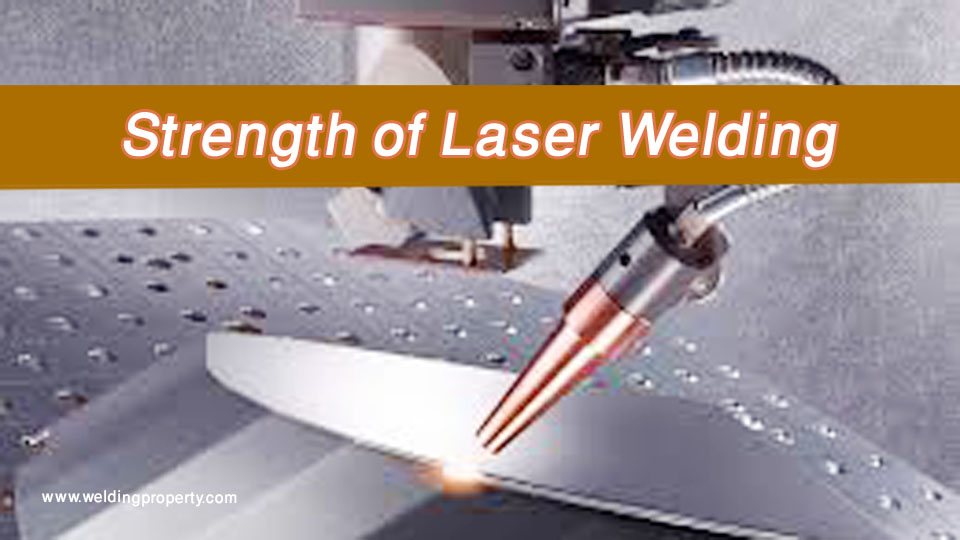
Laser welding is essentially using a super-focused beam of light to melt and fuse materials together. Unlike the arc processes you’re used to, like SMAW or MIG, there’s no electrode or filler rod burning off – just pure energy from the laser hitting the joint.
I’ve used it on everything from stainless steel battery casings to titanium aerospace parts, and it’s a game-changer for jobs where traditional methods would overheat and ruin the piece.
The beam comes from a laser source, like a fiber laser or CO2 laser, and it’s directed through optics to pinpoint the exact spot. This creates a weld pool that’s narrow and deep, solidifying almost instantly. In my experience, it’s perfect for automated setups or handheld units in smaller shops.
But remember, it’s not for every material – highly reflective ones like copper can bounce the beam right back at you if you’re not careful.
How Does Laser Welding Work?
Let’s get into the nuts and bolts. The process starts with generating the laser beam in the machine’s resonator. For fiber lasers, which are common in US shops these days, light is amplified through optical fibers doped with rare-earth elements.
That beam gets focused down to a spot as small as 0.1 mm in diameter, packing enormous energy density – we’re talking millions of watts per square centimeter.
When the beam hits the material, it absorbs the energy (depending on the wavelength and material properties), heating the surface to melting point in milliseconds. A keyhole forms in deeper penetration modes, where the beam vaporizes a tiny channel, allowing deeper fusion.
As you move the beam along the joint – either manually or via CNC – the molten pool cools rapidly, forming a strong bond with minimal heat spread.
In practice, you’ll adjust parameters like power (typically 1-10 kW for industrial units), welding speed (up to 10 m/min), and focus position. Shielding gas, like argon or helium, often protects the weld from oxidation.
I’ve found that for aluminum, a slight defocus helps avoid porosity. Safety-wise, always enclose the beam or use proper barriers – I’ve seen guys skip this and regret it with eye strain.
This diagram shows a basic setup: the laser source, focusing lens, and the weld area on two workpieces. It’s a solid visual for understanding the precision involved.
Key Advantages of Laser Welding
From my years on the floor, the upsides shine brightest when precision and efficiency are non-negotiable. Here’s what stands out.
Precision That Traditional Methods Can’t Touch
Laser welding’s beam can be focused to a pinpoint, allowing welds as fine as 0.05 inches wide. This means you can join thin sheets or intricate parts without melting everything around them.
I once welded microelectronics for a medical device – TIG would have fried the components, but the laser nailed it with zero defects. It’s ideal for industries like automotive or aerospace where tolerances are tight.
Speed That Boosts Your Throughput
This process is fast – up to 10 times quicker than TIG or MIG on similar jobs. The high energy density melts material instantly, so you can zip along at meters per minute.
In a busy fab shop, that translates to more jobs done in a day, less overtime, and happier clients. I remember switching to laser for a run of exhaust systems; we cut production time in half, no exaggeration.
Minimal Distortion and Heat-Affected Zone
The heat input is so localized that the surrounding material barely notices. This small HAZ means less warping, which is crucial for thin or heat-sensitive metals like aluminum alloys. No more straightening bent parts post-weld – a huge time-saver.
On copper contacts for EV batteries, I’ve seen traditional methods cause cracks from excess heat, but laser keeps everything stable.
Clean Welds with Less Post-Processing
Laser welds come out smooth and often bead-free, reducing the need for grinding or polishing. That premium look is great for visible joints, like in jewelry or consumer products. In my shop, this cut rework costs by 30% on stainless fabrications. Plus, it’s environmentally friendlier with fewer fumes and spatter.
Versatility Across Materials and Applications
You can weld dissimilar metals, like steel to aluminum, or even non-metals like plastics and ceramics in some setups. It’s automation-friendly too – integrate it with robots for high-volume runs.
I’ve used it for everything from shipbuilding thick plates to delicate jewelry repairs. Fiber lasers handle reflective materials better than older types, opening up more options.
Automation Ease for Modern Shops
Hook it up to CNC or robotic arms, and it runs 24/7 with minimal intervention. Parameters are digitally controlled, so repeatability is spot-on. For DIYers or small ops, handheld units like those from US brands make it accessible without a full industrial setup.
Here’s a real-world shot of a handheld laser in action – notice the controlled spark and minimal smoke compared to arc welding.
The Downsides: Disadvantages of Laser Welding
No process is perfect, and laser has its pain points. I’ve learned these the hard way, so pay attention.
High Upfront Costs That Hit the Wallet
A decent entry-level machine starts at $3,000-$10,000, and industrial ones can run six figures. Add in maintenance for optics and cooling systems, and it’s not cheap. For hobbyists or small shops, this barrier keeps many sticking with affordable MIG setups. But if you’re doing volume, it pays off over time.
Strict Joint Fit-Up Requirements
Gaps or misalignments kill weld quality – the beam needs perfect contact. Prep work must be meticulous: clean surfaces, tight clamps, no contaminants. I’ve had jobs fail because parts weren’t squared up, leading to porosity or weak fusion. Use fixtures and check tolerances every time.
Limited Penetration on Thick Materials
While great for thin stuff, penetration tops out around 0.5 inches for many lasers without multiple passes. For heavy plate, arc methods like SMAW penetrate deeper in one go. On thick steel, I’ve had to slow down or use hybrid laser-arc for full fusion, adding complexity.
Safety Risks You Can’t Ignore
Laser beams can cause burns or eye damage instantly – Class 4 lasers are no joke. Reflections off shiny surfaces amplify the danger. Always use enclosures, auto-darkening shields rated for lasers, gloves, and ventilation for fumes. In tight spaces, it’s trickier; I’ve seen pros get complacent and pay with injuries. Follow OSHA guidelines religiously.
Material Sensitivity and Potential Cracks
Reflective materials like aluminum or copper absorb less energy, requiring higher power or special wavelengths. Fast cooling rates can crack high-carbon steels or alloys. Humidity causes porosity too – control your environment with dehumidifiers. Test runs are essential to dial in settings.
Reduced Weld Strength in Some Cases
If penetration isn’t full or fusion incomplete, welds can be weaker. Joint design matters; limited access means repositioning for complex shapes, eating time. For critical loads, always inspect with UT or X-ray – I’ve caught hidden voids that way.
This illustration compares conduction and keyhole modes – key for understanding when penetration might fall short.
When Should You Use Laser Welding?
Pull out the laser when precision trumps everything. For thin metals under 0.25 inches, it’s unbeatable for speed and quality. Automotive body panels, medical implants, or electronics – yes. Thick structural steel or outdoor repairs? Stick with arc for better penetration and portability.
Consider your shop: Got automation? Laser shines. DIY on a budget? Start with handheld units for testing. Material compatibility is key – test on scraps first. In repairs, it’s great for minimal distortion, like fixing a warped frame without further damage.
Practical Shop Tips for Laser Welding
Joint prep is king: Bevel edges for better penetration, clean with acetone to remove oils. For settings, start low – 1-2 kW for thin stainless, ramp up based on speed (aim for 2-5 m/min). Focus the beam just below the surface for deeper welds.
Use shielding gas at 10-20 L/min to prevent oxidation. On aluminum, helium mixes work best. Monitor temperature with IR sensors to avoid overheating. Common fix for bad welds: If porous, slow speed or increase power; for cracks, preheat the material slightly.
Anecdote: I once botched a batch of titanium parts with too high speed – welds looked good but failed under load. Lesson? Always pull test samples.
Comparing Laser Welding to Traditional Methods
To put it in perspective, here’s a quick table breaking down laser vs. common arc processes like TIG and MIG. Based on my shop tests and industry standards.
| Aspect | Laser Welding | TIG Welding | MIG Welding |
|---|---|---|---|
| Speed | High (up to 10 m/min) | Medium (0.5-2 m/min) | High for thick materials |
| Precision | Excellent (spot size <0.1 mm) | Good | Moderate |
| HAZ Size | Small | Medium | Large |
| Cost (Initial) | High | Low-Medium | Low |
| Material Versatility | High (dissimilar OK) | High | Medium |
| Post-Processing | Minimal | Moderate | High |
| Safety Concerns | Laser radiation | Arc flash, fumes | Fumes, spatter |
| Best For | Thin, precise jobs | Detailed work | High-volume thick metal |
Laser edges out on efficiency for modern fabs, but arc wins on cost and ruggedness.
This side-by-side shows laser vs. traditional – notice the cleaner, more focused beam on the left.
Common Mistakes and How to Fix Them
Beginners often crank power too high, causing burn-through on thin stock. Fix: Dial back to 50-70% and increase speed. Pros might skip cleaning, leading to contamination – always degrease.
Bad parameter matching: For 1/8-inch steel, try 2 kW at 3 m/min. If under-penetration, defocus slightly. Overheating? Add cooling pauses. Inspect every weld visually and with dye penetrant for hidden flaws.
In automation, misalignment from vibration – secure fixtures and calibrate regularly.
Wrapping Up with Real-World Wisdom
Looking back on those early laser jobs, it’s clear this tech has reshaped how we tackle challenging welds. You’ve now got the lowdown on when laser welding saves the day with its speed and precision, and when its costs or limitations might steer you elsewhere.
Armed with these insights, you’re better positioned to pick the right process for your next project, avoiding costly trial-and-error. Always invest in quality optics maintenance – a dirty lens can halve your efficiency overnight. Keep welding smart.
FAQs
Is laser welding stronger than TIG?
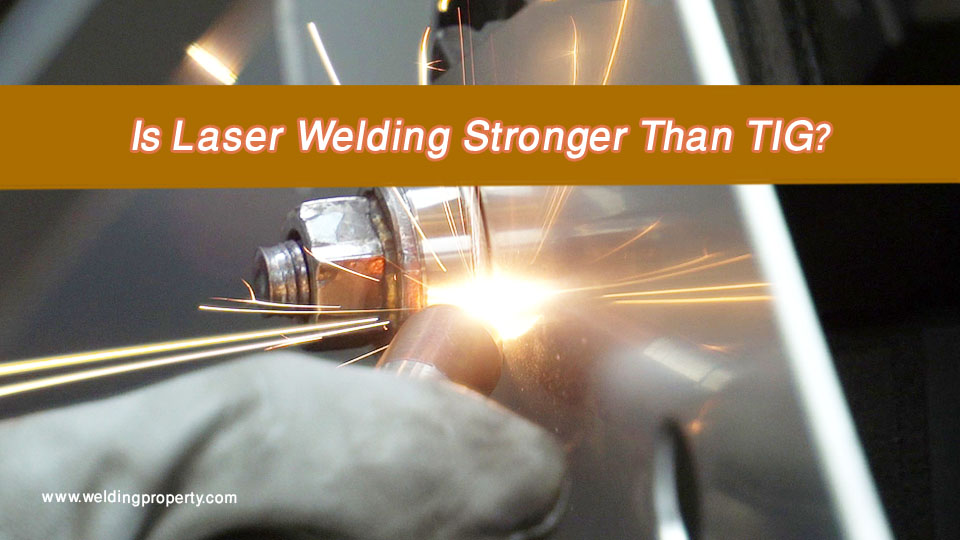
It can be, thanks to deeper penetration and less HAZ weakening the joint. But strength depends on settings; test your specific materials. In my tests on stainless, laser held up better under fatigue.
How much does a basic laser welder cost for a home shop?
Entry-level handhelds start around $3,000, but expect $5,000+ for reliable US-branded units with good support. Factor in consumables like nozzles at $50-100 each.
Can I use laser welding on rusty metal?
Not recommended – rust absorbs unevenly, causing defects. Clean thoroughly first; laser’s precision demands spotless prep.
What’s the best laser type for beginners?
Fiber lasers are user-friendly, efficient, and versatile for metals. Avoid CO2 for starters unless you’re doing non-metals.
Why does my laser weld crack sometimes?
Often from rapid cooling on brittle materials. Preheat to 200-300°F or use pulse mode to control heat input.