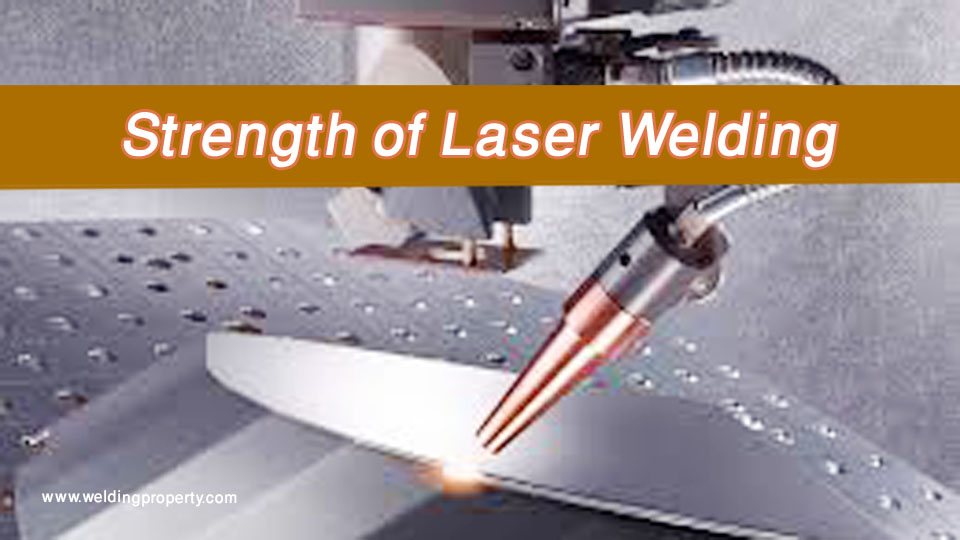
Laser welding technology is one of the most precise and innovative methods for joining metals and other materials. It’s fast, clean, and highly effective, making it ideal for industries like automotive, aerospace, and electronics.

Image by hg-star
After spending time understanding how laser welding works, I have come to appreciate how versatile and powerful it is. Let’s dive into what makes laser welding such a game-changer and how it’s transforming welding technology.
What is Laser Welding Technology?
Laser welding, in simple terms, uses focused laser beams to fuse materials together. Unlike traditional welding methods that rely on heat from burning gases or electric arcs, laser welding focuses a high-energy laser onto a small area, melting the materials at that precise spot.
The heat generated by the laser is intense enough to melt metals and even some non-metals, creating strong, clean welds.
How Does Laser Welding Work?
The process may sound complex, but here’s a simplified breakdown of how laser welding actually works:
Laser Generation
A high-powered laser beam is generated using either fiber, CO₂, or solid-state lasers. Fiber lasers are commonly used for their high precision and efficiency, while CO₂ lasers are ideal for thicker materials. Solid-state lasers, like Nd:YAG lasers, are versatile and can be used for both thin and thick materials.
Focusing the Laser Beam
The generated laser beam is directed through a lens, which focuses it onto a very small spot on the material. This focused point is where all the energy is concentrated, creating enough heat to melt the material.
Welding Process
Once the laser hits the material, it heats it rapidly. The high temperature melts the material, allowing it to fuse with the adjacent piece. In some cases, filler material may be added, but often the laser weld relies on the base materials alone.
Cooling and Solidifying
After the laser is removed, the molten metal cools and solidifies, forming a strong bond. The entire process happens in seconds, and because the laser is so precise, it leaves minimal impact on the surrounding material.
Types of Laser Welding
Laser welding can be categorized into different types based on the approach used. Here are the main types and how they work:
Heat Conduction Welding
Heat conduction welding is commonly used when aesthetic appearance is a priority. In this method, the laser heats the surface of the metal without penetrating too deeply.
This produces smooth, high-quality welds with minimal distortion. It’s great for thinner materials or projects where the weld is visible.
Keyhole Welding
Keyhole welding is used for deeper, stronger welds. In this method, the laser penetrates deeper into the material, creating a narrow, deep weld pool. This is ideal for thicker materials that need a robust joint. It’s often used in applications where strength is more important than appearance.
Advantages of Laser Welding Technology
Laser welding offers several advantages, which is why it’s becoming more popular in various industries. Here are a few key benefits:
High Precision – The laser beam can be focused to a tiny spot, making it ideal for intricate or delicate parts. This precision allows for clean welds with minimal impact on surrounding areas.
Speed – Laser welding is incredibly fast, which can save time and boost productivity, especially in high-volume manufacturing.
Minimal Heat-Affected Zone – Because the laser is so precise, it affects only a small area around the weld. This means less distortion and damage to surrounding materials, which is critical in fields like electronics and aerospace.
Automated Capabilities – Laser welding can be automated easily, allowing for consistent weld quality in large-scale production. Many laser welding systems are designed to work with robotic arms, making them perfect for repetitive tasks.
Comparison of Laser Welding vs Traditional Welding
| Feature | Laser Welding | Traditional Welding |
|---|---|---|
| Precision | Very high | Moderate to low |
| Speed | Fast | Slower |
| Heat-Affected Zone | Minimal | Larger |
| Weld Quality | Consistently clean and strong | Varies, depending on method |
| Material Flexibility | Metals, plastics, and more | Primarily metals |
Laser welding’s minimal heat-affected zone and high precision make it superior in applications where quality and accuracy are critical.
Applications of Laser Welding Technology
Laser welding is used across a wide range of industries, often in areas where traditional welding falls short. Let’s explore a few applications where laser welding really shines:
Automotive Industry
In the automotive industry, laser welding is used to join various metal parts with high precision. For example, it’s used to weld car frames, doors, and even batteries in electric vehicles. The process is quick, reliable, and easily automated, which is ideal for large-scale manufacturing.
Aerospace Industry
In aerospace, materials need to be strong yet lightweight, and components must be precisely assembled. Laser welding is commonly used for jet engine parts and structural components. The minimal heat impact and high strength of laser welds make them ideal for critical applications.
Medical Devices
Medical device manufacturing demands accuracy and minimal contamination. Laser welding provides clean, precise welds without adding any contaminants. It’s used to manufacture devices like surgical tools, pacemakers, and implantable devices.
Electronics Manufacturing
Laser welding is frequently used in electronics because it can produce tiny, precise welds without overheating delicate components. It’s ideal for welding connectors, sensors, and small metal parts used in electronics.
Laser Welding Equipment
Laser welding requires specialized equipment, and the setup can vary based on the material and application. Here’s a quick rundown of the main equipment used:
Laser Source
The laser source generates the beam used for welding. The type of laser—fiber, CO₂, or solid-state—will depend on the specific job requirements.
Beam Delivery System
This system directs the laser from its source to the weld point. In automated systems, this often involves robotic arms that position the laser precisely.
Focusing Lens
The focusing lens directs the laser beam to a small, precise point on the material. This part is essential for ensuring the laser’s energy is concentrated where it’s needed.
Protective Enclosure
Laser welding requires a safe environment because of the intense light and heat generated. Most systems come with an enclosure to protect operators from exposure.
Limitations of Laser Welding Technology
While laser welding has many advantages, it’s not perfect for every application. Here are some limitations to consider:
High Initial Cost – Laser welding equipment can be expensive, especially compared to traditional welding methods. This can make it less accessible for small-scale operations.
Sensitive to Material Thickness – Laser welding is most effective on thinner materials. For very thick metals, other welding methods may be more practical.
Requires Skilled Operators – Operating a laser welding system requires specialized training. Even though the process can be automated, setup and maintenance still require expertise.
Tips for Successful Laser Welding
If you’re considering laser welding, here are a few tips to get the best results:
Choose the Right Laser Type – Each type of laser has its strengths and weaknesses. For example, fiber lasers are ideal for precision work, while CO₂ lasers are better for thicker materials.
Adjust Parameters Carefully – Settings like power, speed, and focus position need to be adjusted based on material type and thickness. Small adjustments can make a big difference in weld quality.
Clean the Materials – Ensure the surfaces are free from dirt, oil, or oxidation. Contaminants can interfere with the laser’s ability to create a clean weld.
Use Proper Safety Precautions – Laser welding generates intense light and heat, so proper safety gear and protective enclosures are essential.
Consider Cooling Needs – Some laser welding systems come with cooling options to prevent overheating, especially for high-powered lasers.
Final Thoughts on Laser Welding Technology
Laser welding is a groundbreaking technology that offers precision, speed, and quality that traditional methods can’t match. It’s already transforming industries from automotive to electronics, and its capabilities continue to expand.
The investment may be significant, but for industries where quality and efficiency are paramount, laser welding is a valuable tool. If you’re working with delicate electronics or heavy-duty metal parts, laser welding opens up possibilities that were once out of reach.
This technology may not be ideal for every situation, especially for smaller operations or extremely thick materials, but for precision welding, it’s unmatched. It’s exciting to see how laser welding will continue to evolve and impact the world of manufacturing.