
Removing JB Weld from glass might seem impossible at first. This two-part epoxy is famous for its strong bond and resistance to heat, chemicals, and time. Whether you dropped a bit on your window, spilled some on a glass tabletop, or need to undo a repair, you’re probably searching for the best way to get it off without damaging the glass.
The good news is, with the right steps and tools, you can remove JB Weld from glass safely and restore your surface to its original state.
This guide will take you through every detail, from understanding why JB Weld sticks so well, to the exact methods and products that work, and even tips for tricky situations. Let’s dive in and make your glass clean again.
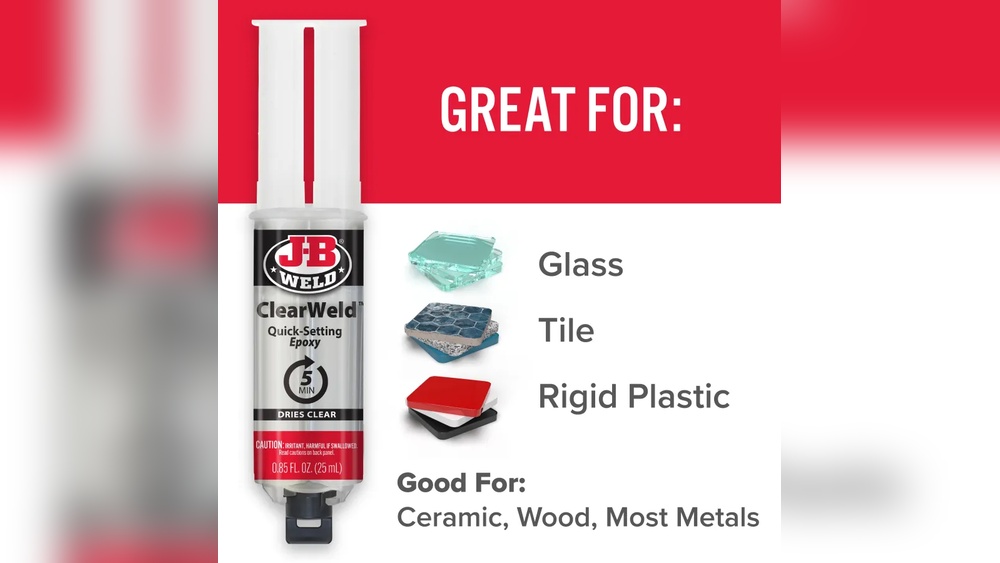
Why Jb Weld Bonds So Strongly To Glass
JB Weld is a two-part epoxy adhesive. When mixed, the resin and hardener create a chemical reaction that forms a very strong plastic-like bond. On glass, its grip is especially tough because:
- Glass is non-porous: JB Weld can flow into microscopic scratches and anchor itself.
- Heat resistance: Once cured, the epoxy can tolerate high temperatures, making it difficult to soften.
- Chemical resistance: It doesn’t dissolve with most household cleaners or solvents.
Knowing this helps you choose the right removal strategy. Many beginners expect to simply peel or scrape it off, but this usually leads to scratches or broken glass. Removing JB Weld safely requires patience, the right products, and sometimes, a little creativity.
Safety Precautions Before You Start
Before you begin, think about safety—for yourself and your glass. Removing epoxies can involve sharp tools, strong chemicals, and heat, which can all cause harm if used carelessly. Here’s how to prepare:
- Wear gloves: Protect your skin from chemicals and sharp edges.
- Eye protection: When scraping or using solvents, wear safety glasses.
- Ventilation: Some solvents give off fumes. Open windows or use a fan.
- Test first: Try your chosen method on a small, hidden spot if possible.
- Use gentle pressure: For glass, force can lead to cracks or chips. Always start light.
Credit: www.jbweld.com
Tools And Materials You’ll Need
Gather these items before you start. Not all methods require every item, but having options will make the job easier.
- Plastic razor blade or scraper
- Single-edge razor blade
- Acetone or nail polish remover (with acetone)
- Isopropyl alcohol (at least 70%)
- Heat gun or hair dryer
- Cotton pads or soft cloth
- Mineral oil or WD-40
- Fine steel wool (#0000 grade)
- Microfiber towel
- Protective gloves
- Safety glasses
Depending on your situation, you might only need a few of these. For thick or old JB Weld, you’ll likely need to combine several tools and methods.
Step-by-step Methods To Remove Jb Weld From Glass
There’s no single “magic bullet” for removing JB Weld from glass. The best approach is often to soften the epoxy, break its bond, and then gently lift it away. Here are the main methods, with tips on when each works best.
1. Mechanical Removal: Scraping With A Blade
This is the most common first step. It’s effective for thin layers or drips.
How to do it:
- Hold the blade at a 30-degree angle.
- Gently slide the blade under the epoxy, applying light, even pressure.
- Work slowly, using short strokes.
- If resistance is high, stop and try softening the epoxy first.
Insider tip: Always use a new, sharp blade. Dull blades can scratch glass.
Common mistake: Using too much force. This can etch or chip the glass surface.
2. Softening The Epoxy With Heat
JB Weld softens at temperatures above 300°F (about 150°C), but glass can crack if heated unevenly. Controlled, gentle heat helps loosen the bond.
How to do it:
- Set a hair dryer or heat gun to low or medium.
- Hold it 6-12 inches from the epoxy for 1-2 minutes.
- Test the area with a scraper. If the epoxy is softer, try removing it.
- Repeat as needed, being careful not to overheat.
Extra insight: Heat works better on small spots than large areas.
Warning: Never use an open flame on glass—this risks shattering.
3. Chemical Softening: Solvents
Epoxies resist most household cleaners, but some solvents can help break down their structure.
Acetone
- Soak a cotton pad with acetone.
- Place it on the JB Weld and let it sit for 10-20 minutes.
- Scrape gently with a blade.
- Repeat as necessary.
Isopropyl Alcohol
- Apply alcohol to the epoxy.
- Let it soak for 15-30 minutes.
- Scrape off softened epoxy.
Mineral Oil Or Wd-40
- These are less effective but can help with residue after the main epoxy is removed.
Pro tip: For old or thick JB Weld, combine heat and solvent for the best results.
4. Using Fine Steel Wool
After most of the epoxy is gone, tiny bits may remain. Use #0000 grade steel wool—it’s soft enough not to scratch glass.
- Gently rub in circles over the stubborn spots.
- Wipe the area with a damp microfiber towel to check progress.
Don’t use regular steel wool—it will scratch glass.
5. Combining Methods For Best Results
Most times, you’ll need to use two or more of the above methods. Here’s a typical approach:
- Heat the JB Weld for 1-2 minutes.
- Apply acetone and let it soak.
- Scrape with a plastic or razor blade.
- Finish with fine steel wool.
This process can take 30 minutes to an hour, depending on the size and age of the epoxy patch.
Comparing Removal Methods: What Works Best?
To make things clearer, here’s a direct comparison of the main JB Weld removal methods for glass surfaces.
| Method | Effectiveness | Time Needed | Risk of Glass Damage |
|---|---|---|---|
| Scraping with Blade | High for thin layers | 10-20 minutes | Medium (if not careful) |
| Heat Application | Medium | 5-15 minutes | Low (with hair dryer) |
| Acetone or Solvent | Medium to High | 20-40 minutes | Low |
| Fine Steel Wool | Good for residue | 5-10 minutes | Very Low |
Special Situations: Removing Jb Weld From Different Types Of Glass
Not all glass is the same. Here are tips for tricky surfaces:
Tempered Or Safety Glass
This is found in car windows and some doors. It’s stronger but can shatter if scratched deeply or heated unevenly.
- Use only plastic scrapers or new razor blades.
- Avoid high heat.
- Test solvents on a small spot.
Stained Glass Or Decorative Glass
These surfaces may have delicate paint or coatings.
- Never use steel wool or harsh solvents.
- Stick with heat and a plastic scraper.
Mirrors
Mirrors have a silver backing that can be damaged by chemicals.
- Apply solvents only to the epoxy, not the surrounding area.
- Do not soak the area for long periods.
Extra tip: Always check the manufacturer’s cleaning instructions for specialty glass.
Aftercare: Cleaning And Polishing The Glass
Once you’ve removed the JB Weld, you might notice some haze or minor scratches.
- Clean: Wipe the area with isopropyl alcohol to remove any leftover residue.
- Polish: Use a glass polish or toothpaste (yes, plain white toothpaste works!) On a soft cloth to buff out light scratches.
- Inspect: Hold the glass up to light. If you see deep scratches, consult a professional for repair.
Prevent scratches by working slowly and keeping blades at a shallow angle.
Common Mistakes And How To Avoid Them
Many people damage their glass or waste time by making these mistakes:
- Using metal tools with too much force: Leads to scratches or chips.
- Not allowing enough soak time: Solvents need time to break down epoxy.
- Mixing chemicals: Never mix solvents. Clean one off before trying another.
- Heating glass too quickly: Sudden temperature changes can crack glass.
- Skipping test spots: Always test your method on a hidden area first.
Real-world Example: Removing Jb Weld From A Car Window
Let’s look at a real scenario. A car owner accidentally dripped JB Weld on the side window while fixing a mirror. Here’s how they removed it:
- Step 1: Taped off the area with painter’s tape to protect surrounding paint.
- Step 2: Used a hair dryer on medium for three minutes to soften the epoxy.
- Step 3: Applied acetone with a cotton pad and let it sit for 15 minutes.
- Step 4: Used a new razor blade at a shallow angle to gently lift the epoxy.
- Step 5: Finished with fine steel wool to remove remaining residue.
The result: Clean glass, no scratches. This method took about 40 minutes but saved the cost of replacing the window.
Environmental And Health Considerations
Some solvents, like acetone, release fumes that are not healthy to breathe over long periods. Always work in a well-ventilated area and avoid skin contact. Dispose of used pads, steel wool, and solvents according to local regulations.
Eco-friendly alternative: For small spots, try soaking the epoxy with warm, soapy water for several hours. It won’t dissolve JB Weld, but it can help soften the edges and make scraping easier. This method is best for those sensitive to chemicals.

Credit: www.jbweld.com
When To Call A Professional
Sometimes, DIY methods aren’t enough. Seek professional help if:
- The glass is valuable (antiques, art, rare car parts).
- The JB Weld covers a large area.
- You’ve tried several methods with no luck.
- The glass is already cracked or chipped.
A glass professional has specialized tools and chemicals that can remove epoxy without damaging the surface.
How To Prevent Jb Weld Spills On Glass In The Future
Prevention is always easier than removal. Here’s how to avoid epoxy accidents:
- Mask off glass: Use painter’s tape or plastic sheets when working near glass.
- Work in a clean area: Keep the workspace organized to avoid accidental drips.
- Use less epoxy: Mix only what you need for the job.
- Clean up quickly: If JB Weld is still wet, wipe it up right away with acetone or alcohol.
Insider advice: Once JB Weld sets, it’s much harder to remove. Immediate action makes a big difference.
Table Of Common Solvents And Their Effects On Jb Weld And Glass
Understanding how different solvents affect JB Weld and glass can help you choose the safest option.
| Solvent | Effect on JB Weld | Effect on Glass | Safety Notes |
|---|---|---|---|
| Acetone | Softens slowly | Safe for glass | Ventilate well |
| Isopropyl Alcohol | Moderate effect | Safe for glass | Low toxicity |
| Mineral Oil | Minimal effect | Safe for glass | Wash off residue |
| Paint Thinner | Little effect | Can etch certain glass types | Use with caution |
| Commercial Epoxy Remover | High (on uncured epoxy) | Usually safe, check label | Follow instructions |
How Long Does The Process Take?
Depending on the size and age of the JB Weld, removal can take anywhere from 15 minutes to over an hour.
- Small drips: 15-30 minutes
- Large patches: 45 minutes to 1.5 hours
- Old, cured epoxy: May require multiple sessions
Tip: Be patient. Rushing increases the risk of glass damage.
What To Do If Scratches Appear
Despite your best efforts, sometimes minor scratches happen. Here’s how to minimize them:
- Clean the area thoroughly to remove dust.
- Apply glass polish with a microfiber cloth.
- Buff in a circular motion for several minutes.
- Repeat if necessary.
For deep scratches, a professional glass repair service can often restore the surface.
When Removal Isn’t Possible
In rare cases, JB Weld bonds so strongly that removal would damage the glass. If the glass is inexpensive or easily replaced, consider swapping it out. For valuable items, always consult a professional before taking further action.
Final Thoughts
Restoring glass to its original clarity after a JB Weld spill is possible with patience and the right tools. By understanding the properties of both glass and epoxy, using gentle methods, and acting with care, you can achieve great results—and avoid damage.
The most important things are to go slow, test first, and never force removal. With these tips, your glass can shine again, free from stubborn epoxy.
Frequently Asked Questions
How Can I Remove Jb Weld From Glass Without Scratching It?
Use a plastic scraper or a new razor blade at a very shallow angle, combined with gentle heat and solvents like acetone. Avoid metal tools unless absolutely necessary, and never use excessive force.
Does Vinegar Remove Jb Weld From Glass?
No, vinegar is not effective against JB Weld. It doesn’t break down the epoxy’s chemical structure. Stick with acetone or isopropyl alcohol for better results.
Is It Safe To Use A Heat Gun On Car Windows To Remove Jb Weld?
A hair dryer is usually safe, but a heat gun can easily overheat and crack car windows if not used carefully. Keep the heat moving and never focus on one spot for more than a few seconds.
Can I Use Paint Thinner To Remove Jb Weld From Glass?
Paint thinner has little effect on cured JB Weld and may damage some types of glass or coatings. It’s better to use acetone or specialized epoxy removers.
What If The Jb Weld Is Inside A Glass Container Or Bottle?
For inside surfaces, fill the container with hot water and let it sit to try to soften the epoxy. If that fails, use acetone (if safe for your container) and let it soak. Removing epoxy from inside glass can be very difficult; sometimes replacement is the best option.


