
Waiting on JB Weld to cure can feel like forever when you’ve got parts lined up and a job that needs to move. You clamp everything in place, step back, and then realize you’re stuck until it fully sets—especially frustrating when you’re on a tight schedule. That’s when the question How to Dry JB Weld Fast starts to matter a lot more than you expected.
In real shop work, cure time isn’t just about patience—it affects alignment, strength, and whether the repair holds under load. Rush it the wrong way, and you end up with a weak bond that fails when it counts. But handle it properly, and you can speed things up without sacrificing durability.
Whether you’re fixing a cracked part or bonding metal surfaces, knowing how to control drying time can save hours and prevent rework. I’ll walk you through practical, safe ways to speed up JB Weld curing and what mistakes to avoid so your repair stays solid.
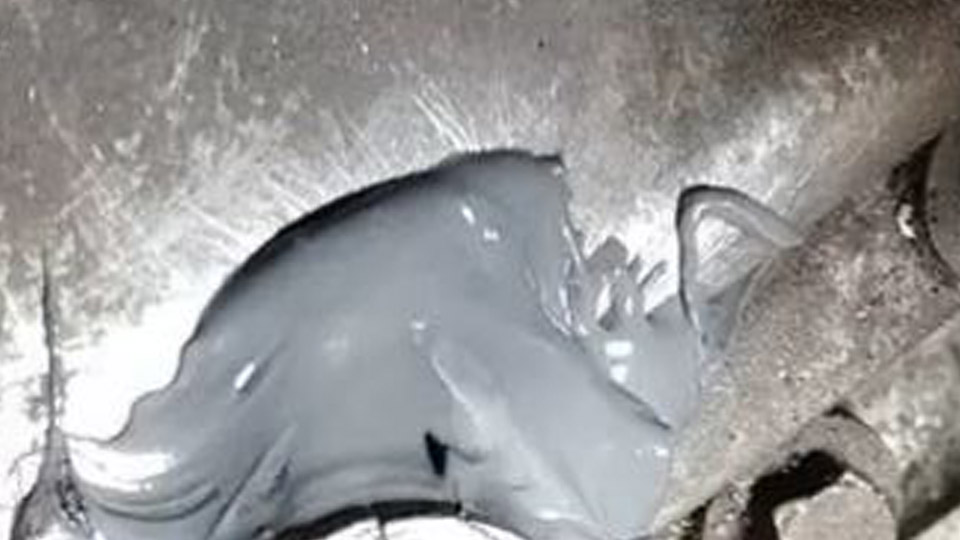
Image by resizeweld
Understanding Jb Weld’s Drying And Curing Process
Before you try to speed things up, it’s important to know how JB Weld works. This two-part epoxy consists of a resin and a hardener. When you mix them, a chemical reaction starts. This reaction is what creates the strong, durable bond JB Weld is famous for.
Drying time and curing time are not the same:
- Drying means the JB Weld feels hard to the touch and can support some weight.
- Curing is when the bond reaches its full strength, which can take up to 15-24 hours or more, depending on the product and conditions.
JB Weld’s classic formula typically sets in 4-6 hours and cures in 15-24 hours at room temperature (about 21°C or 70°F). Some “quick” formulas set in 6 minutes and cure in 4-6 hours.
Why Rushing Matters
Trying to use the product before it’s fully cured can result in weak repairs. But, if you understand how JB Weld reacts to its environment, you can speed up the process safely.
Factors That Affect Jb Weld Drying Time
Several factors can make JB Weld set and cure faster or slower. Understanding these helps you control the process.
- Temperature: JB Weld cures faster in warm conditions. Cold slows it down.
- Humidity: Moisture can affect the chemical reaction. High humidity may slow curing.
- Mixing Ratio: The correct 1:1 ratio of resin to hardener ensures proper curing.
- Surface Material: Some materials (like metal) conduct heat and speed up curing. Others (like plastic) may slow it down.
- Thickness of Application: Thinner layers dry faster. Thick blobs take much longer.
A common mistake is thinking more hardener or more resin will speed things up—it actually weakens the bond.
Proven Ways To Dry Jb Weld Fast
If you want faster results, use these trusted methods. Each one is safe for the bond and easy to do.
1. Increase The Temperature
JB Weld’s reaction speeds up with gentle heat. Here’s how to do it right:
- Use a heat lamp or incandescent bulb: Place the heat source 12-18 inches away. This gives steady, mild warmth.
- Aim for 100°F to 120°F (38°C to 49°C): This range is safe for most repairs.
- Do not use open flames or direct heat guns, as these can overheat and damage the epoxy or your project.
Real-world Example
Many car mechanics use a simple heat lamp to cut cure time in half. For a classic JB Weld repair, this can mean a full cure in 8-12 hours instead of 24.
2. Use A Fan For Air Circulation
Moving air helps solvents evaporate, which can speed up surface drying. A small desk fan, placed 2-3 feet away, will help. This works best when combined with warmth.
Tip: Don’t use a fan in a dusty area—dirt can stick to the wet epoxy.
3. Apply In Thin Layers
The thinner the layer, the faster it sets. If your repair needs a thick bond, do it in stages:
- Apply a thin coat and let it start to set.
- Add another thin layer after the first is semi-cured.
This method not only speeds up drying but also helps avoid air bubbles.
4. Prepare Surfaces Correctly
A clean, rough surface helps JB Weld stick and cure evenly. Here’s how:
- Sand the surface with 80-120 grit sandpaper.
- Wipe away dust, oil, or grease with isopropyl alcohol.
- Make sure the surface is dry before applying JB Weld.
A smooth, greasy surface slows curing and weakens the repair.
5. Use Quick-set Jb Weld Products
JB Weld makes several “quick” formulas. These are designed for faster repairs and can set in minutes.
Here’s a comparison of popular JB Weld formulas:
| Product | Set Time | Cure Time | Strength (psi) |
|---|---|---|---|
| Original JB Weld | 4-6 hours | 15-24 hours | 5020 |
| JB KwikWeld | 6 minutes | 4-6 hours | 3127 |
| JB PlasticWeld | 5 minutes | 1 hour | 3900 |
Key insight: Quick-set formulas are strong but not as strong as the original. For critical repairs, consider whether speed or maximum strength matters most.
6. Mix Jb Weld Thoroughly
Incomplete mixing slows the reaction. Mix the resin and hardener until you see a uniform color (usually gray). Scrape the sides and bottom of your mixing container.
Pro tip: Over-mixing won’t harm, but under-mixing leaves weak spots.
7. Keep The Repair Dry
Water interferes with curing. If you’re working outdoors or in a damp area, cover the repair or move it indoors until the JB Weld is fully cured.
8. Avoid Over-applying
Thick “blobs” of JB Weld take much longer to dry inside. Spread the epoxy thin and only use as much as needed.
9. Choose The Right Jb Weld For Your Material
Some formulas are made for metal, others for plastic or wood. Using the wrong type can slow drying or cause poor results.
For example: JB PlasticWeld is much faster on plastics than the regular formula.
10. Check Expiry Dates
Old JB Weld can take much longer to set and may never fully cure. Always check the expiry date on the package before using.
How To Apply Heat Safely For Faster Drying
Warming JB Weld is the most effective way to speed drying. But too much heat can ruin your repair. Follow these safety steps:
- Do not exceed 150°F (65°C). Higher heat can cause the epoxy to bubble or crack.
- Keep heat sources at a safe distance. Never place a heat lamp or bulb too close.
- Use a thermometer if you want to be precise. Digital meat thermometers or infrared thermometers work well.
- Never use open flames or direct propane torches. These are fire hazards and can destroy your repair.
Here’s a quick guide to common heat sources:
| Heat Source | Safe Distance | Estimated Temp Range | Comments |
|---|---|---|---|
| Heat Lamp (100W) | 12-18 inches | 100-120°F | Best for most repairs |
| Incandescent Bulb (60W) | 12 inches | 90-110°F | Gentle, safe heat |
| Hair Dryer (Low) | 12-18 inches | 90-120°F | Keep moving for even heat |
| Space Heater | 3-4 feet | Varies by room size | Heats whole area gently |
Insider tip: Place a cardboard box over the repair (with space for air to flow) to trap heat and keep dust out.
Mistakes That Slow Down Jb Weld Drying
Trying to speed things up can sometimes backfire. Avoid these common errors:
- Using too much hardener or resin: This does not make it cure faster. It makes the bond weak or tacky.
- Heating too quickly: Sudden, high heat can cause bubbles and cracks.
- Not mixing well: Unmixed parts cure slowly or not at all.
- Using on oily or dirty surfaces: Dirt blocks the reaction.
- Applying in thick globs: The outside dries, but the inside stays soft for days.
- Exposing to water: Moisture interferes with curing.
Special Cases: Drying Jb Weld In Different Situations
Metal Repairs
Metal conducts heat well. This means heat sources work even better. For car repairs, a heat lamp or even sunlight can cut drying time significantly.
Warning: If you’re repairing something that gets hot (like an engine), let JB Weld cure fully before using.
Plastic Repairs
Plastic insulates, so heat doesn’t spread as fast. Use gentle, even heat. Quick-set JB Weld formulas are best for plastic.
Outdoor Repairs
If you must repair outside, protect your project from wind, rain, and temperature swings. Even a cardboard box “tent” helps.
Pro insight: In cold weather, bring repairs inside to cure, or use a portable heat source.
Wood And Porous Materials
Porous surfaces like wood absorb epoxy. Always apply a thin “primer” layer first—let it soak in and set, then add your main layer. This helps the top layer dry faster.
Advanced Tips For Pros
If you work with JB Weld often, these expert tips will help you save time and get better results.
Pre-warm The Surfaces
Warming both surfaces before applying JB Weld (with a hair dryer or heat lamp) helps the epoxy spread and react faster.
Use A Warm Mixing Tray
Mixing on a slightly warm tray (not hot!) Can speed up the chemical reaction. But don’t overheat, or the JB Weld will harden before you can use it.
Choose The Right Product For Each Job
JB Weld makes dozens of products. Some are for fast fixes, others for maximum strength. Here’s a quick product guide for best speed:
| Repair Type | Recommended JB Weld Product | Set Time | Cure Time |
|---|---|---|---|
| General Metal | Original JB Weld | 4-6 hours | 15-24 hours |
| Quick Metal Repair | JB KwikWeld | 6 minutes | 4-6 hours |
| Plastic Repair | JB PlasticWeld | 5 minutes | 1 hour |
| Marine/Underwater | JB WaterWeld | 25 minutes | 1 hour |
Use Epoxy Accelerators (with Caution)
There are commercial epoxy accelerators available. These can speed up cure times, but they’re not always compatible with JB Weld. Always test on a small sample first.
Monitor The Repair
Check your repair every hour. If it’s still tacky after the expected time, review what might have gone wrong (temperature, mixing, surface prep, product age).
Real-world Example: Speeding Up A Car Radiator Repair
Let’s say your car radiator has a small crack. You need the repair done quickly, but it must be strong. Here’s how to dry JB Weld fast for this job:
- Clean and sand the area well.
- Mix JB KwikWeld (for speed) thoroughly.
- Apply a thin layer over the crack.
- Set up a heat lamp 12 inches away, aiming for 100-110°F.
- Check after 2 hours—the repair should be hard to the touch.
- Wait 4-6 hours for a full cure before adding coolant.
This approach gets you back on the road much sooner than waiting overnight.
How Long Can You Really Cut Drying Time?
With the right steps, you can often cut JB Weld’s cure time in half. For example:
- Original formula: Full cure in 8-12 hours with gentle heat (vs. 24 hours without).
- KwikWeld: Ready in 2-4 hours with heat (vs. 6 hours without).
- PlasticWeld: Fully cured in under 1 hour with good air flow.
But remember: Always check the epoxy before putting it to full use. If it feels soft or rubbery, give it more time.
Why Not Use Jb Weld Faster Than Recommended?
Some people try to use JB Weld before it’s cured to save time. This can lead to:
- Weak joints
- Cracking or peeling
- Leaks (for plumbing or car repairs)
- Short-term fixes that fail later
Patience pays off—rushing can mean doing the job twice.
Summary: Dry Jb Weld Fast—but Do It Right
Drying JB Weld fast is possible with the right knowledge and tools. Focus on gentle heat, good airflow, thin applications, and clean surfaces. Always use the right formula for your material. Avoid shortcuts that weaken your repair, like overheating or poor mixing.
With these steps, you’ll get strong, lasting repairs in less time—without risking safety or quality.
Wrapping Up
Speeding up JB Weld drying is about smart steps, not risky shortcuts. Use the methods in this guide, and your next repair will be faster, stronger, and built to last.
Frequently Asked Questions
How Can I Make Jb Weld Dry In Less Than 4 Hours?
To dry JB Weld in under 4 hours, use a quick-setting product like JB KwikWeld or JB PlasticWeld, apply in thin layers, and add gentle heat with a lamp or hair dryer. Still, always check that the repair is hard before using it.
Is It Safe To Put Jb Weld In The Oven?
No, putting JB Weld in the oven is not recommended. Household ovens can get too hot, which can make the epoxy bubble, crack, or even catch fire. Use a heat lamp or gentle external heat instead.
Can I Use A Heat Gun To Dry Jb Weld Faster?
A heat gun can be used, but only on the lowest setting and from a safe distance (18 inches or more). Too much heat can ruin the epoxy. Move the heat gun constantly to avoid hotspots.
What Happens If I Mix Jb Weld Incorrectly?
If you don’t mix the resin and hardener in a 1:1 ratio, the epoxy may never fully cure. It can stay sticky, soft, or break easily. Always mix thoroughly for best results.


