
You don’t notice how much heat your exhaust is throwing off until it starts affecting nearby parts—or worse, you spot a small leak that keeps getting louder over time.
In those situations, knowing How to Use Jb Weld Exhaust Wrap can make the difference between a quick, solid fix and a temporary patch that fails after a few drives.
Out in the garage, exhaust repairs aren’t always perfect or permanent, but they still need to hold up under high heat and vibration.
I’ve seen wraps applied too loose, too tight, or without proper prep—and almost every time, they didn’t last. The material itself works well, but only if you install it the right way.
A properly wrapped exhaust can reduce heat, quiet leaks, and extend the life of your system without replacing expensive parts. I’ll walk you through the exact steps, common mistakes to avoid, and practical tips to make sure your repair actually holds up.
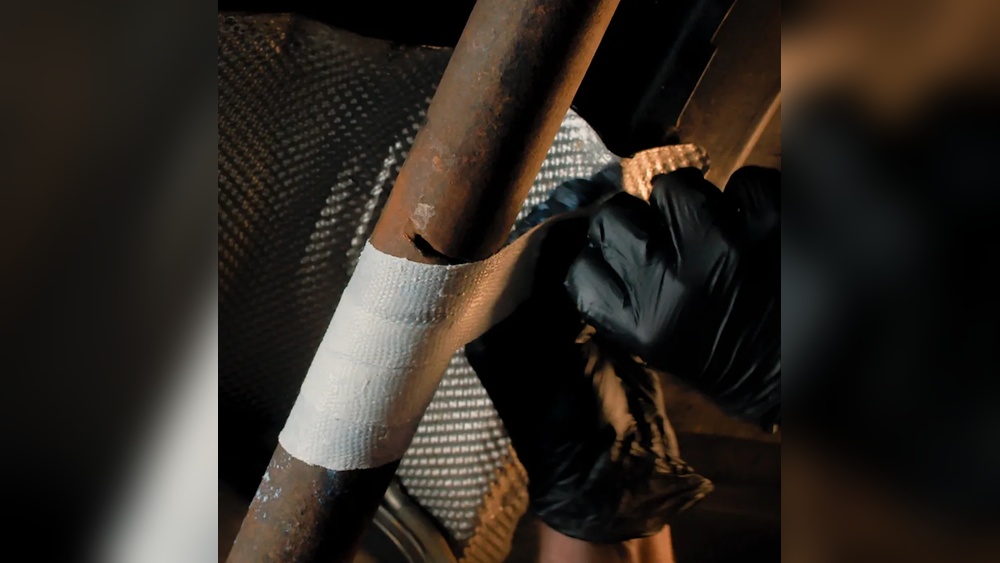
What Is Jb Weld And Exhaust Wrap?
Before jumping into the how-to, it’s important to understand what you’re working with. JB Weld is a brand of two-part epoxy adhesives, famous for creating a strong, heat-resistant bond on metals and other surfaces.
When mixed, it hardens like steel and can handle temperatures up to 500°F (260°C) for most formulas. Some “high heat” types go even higher.
Exhaust wrap is a fiberglass or basalt tape that wraps around your exhaust pipes. Its main job is to keep heat inside the pipes, which can improve performance, protect nearby parts, and reduce under-hood temperatures. It also helps to muffle small leaks in the exhaust system by blocking escaping gases.
Some people use JB Weld and exhaust wrap together to create a better seal on damaged exhaust pipes, especially if they have cracks or small holes. It’s not a permanent fix, but with the right approach, it can last for several months or even longer.
When Should You Use Jb Weld Exhaust Wrap?
This method is best for:
- Small cracks and pinholes in exhaust pipes or mufflers
- Temporary fixes until you can get a professional repair
- Areas that are hard to weld or patch with clamps
- Older vehicles where replacement parts are expensive or hard to find
However, you should not use this on severe rust, large holes, or areas with structural weakness. For those, welding or replacing the part is safer.
What You Need Before Starting
Gathering the right tools and materials will make the job much easier. Here’s what you need:
- JB Weld (Original or High Heat formula)
- Exhaust wrap (fiberglass or basalt)
- Gloves (fiberglass is itchy, and JB Weld can irritate skin)
- Safety glasses
- Wire brush or sandpaper (for cleaning)
- Rags and acetone or brake cleaner
- Scissors (to cut exhaust wrap)
- Metal zip ties or hose clamps
- Mask (optional, for dust)
If you’re working under your car, have jack stands or ramps, and never rely on a jack alone for safety.
How To Use Jb Weld Exhaust Wrap: Step-by-step
Let’s break down the entire process so you can do it safely and effectively.
1. Let The Exhaust Cool Down
Never work on a hot exhaust system. Let your car sit until the pipes are completely cool. Touch the pipe with the back of your hand—if it’s warm, wait longer. This is not just for comfort, but for safety and to help JB Weld stick properly.
2. Find The Damage
Inspect the whole exhaust system for cracks, holes, or leaks. Sometimes, small leaks are hard to see. Start the engine briefly (in a well-ventilated area) and listen for hissing sounds, or feel for air escaping. Mark the spots that need repair with chalk or a marker.
3. Clean The Area Thoroughly
This is a critical step. JB Weld and exhaust wrap will not stick to rust, oil, or dirt.
- Use a wire brush or sandpaper to remove all loose rust, paint, and debris around the damaged area.
- Clean with acetone or brake cleaner and a rag.
- Wipe it dry and make sure the surface feels clean and rough, not smooth or greasy.
4. Mix And Apply Jb Weld
- Open the JB Weld package and mix equal parts of the resin and hardener on a disposable surface.
- Use a stick or old screwdriver to blend until the color is uniform.
- Apply a generous layer over the crack or hole, extending at least an inch beyond all sides.
- For pinholes, push the epoxy into the hole with your tool.
Don’t worry if it looks messy—the goal is full coverage.
5. Wrap The Area With Exhaust Wrap
- Cut a piece of exhaust wrap long enough to circle the damaged spot 4-5 times.
- Soak the wrap in water. This helps it stick and reduces airborne fibers.
- Start wrapping tightly over the JB Weld area, overlapping each layer by half.
- Secure the ends with metal zip ties or hose clamps.
The wet wrap will tighten as it dries, locking everything in place.
6. Let It Cure
This is the most important part for a strong repair.
- Leave the wrapped area to dry for at least 6 hours (overnight is best).
- JB Weld needs time to fully harden—check the instructions for your specific type.
- Do not start your engine or drive until it’s fully cured.
If you rush, the heat and vibration can break the bond.
7. Heat Cure (optional For High Heat Jb Weld)
Some high-temperature JB Weld products need a “heat cure” after air drying.
- Once the repair is dry, start your engine and let it idle for 10-15 minutes.
- This helps the epoxy reach its strongest state.
- Let the system cool again before driving.
Check your JB Weld instructions to see if this step is needed.
How Long Does A Jb Weld Exhaust Wrap Repair Last?
A well-done JB Weld and exhaust wrap fix can last from a few months to over a year, depending on:
- Size of the damage (smaller leaks last longer)
- Quality of the prep and application
- Driving conditions (rough roads, salt, and water can shorten the lifespan)
- Type of exhaust system (turbocharged cars run hotter)
This is a temporary repair, not a substitute for welding or part replacement. For safety and emissions, plan to fix the exhaust permanently when possible.
Jb Weld Exhaust Wrap Vs. Other Repair Methods
Here’s a side-by-side look at different common exhaust repair options:
| Method | Cost | Repair Time | Durability | Skill Needed |
|---|---|---|---|---|
| JB Weld + Exhaust Wrap | Low | 1-2 hours (plus cure time) | Temporary (months to 1 year) | Beginner |
| Exhaust Clamp/Bandage | Low | 30-60 minutes | Temporary (weeks to months) | Beginner |
| Welding | Medium-High | 1-2 hours | Permanent | Professional |
| Full Part Replacement | High | 2+ hours | Permanent | Professional |
JB Weld and exhaust wrap is a great DIY option for short-term results, but not as strong as welding or new parts.
Common Mistakes And How To Avoid Them
Many people make simple errors that cause the repair to fail. Here are some common mistakes and how to avoid them:
1. Not Cleaning The Area Enough
Even small bits of rust or oil will stop JB Weld from sticking. Spend extra time here.
2. Applying Jb Weld To A Hot Pipe
Heat causes the epoxy to cure too fast and weakens the bond. Always cool the pipe first.
3. Not Overlapping The Exhaust Wrap
Gaps in the wrap will let exhaust gases escape. Overlap at least half of each layer.
4. Using Plastic Zip Ties
Only use metal ties or clamps—plastic will melt and the wrap will fall off.
5. Driving Before It’s Fully Cured
If you rush, vibrations and exhaust pressure will break the seal.
6. Trying To Fix Large Holes Or Severe Rust
JB Weld and wrap are not strong enough for big gaps or very thin metal.
Safety Tips For Jb Weld Exhaust Wrap Repairs
Working under your car and with chemicals requires caution. Follow these safety practices:
- Wear gloves and a mask when handling exhaust wrap and JB Weld.
- Only work on a cold exhaust.
- Use jack stands if lifting the car—never rely on a jack.
- Work in a well-ventilated area to avoid breathing fumes.
- Wash hands and arms after handling fiberglass wrap.
- Dispose of old rags and gloves properly.
How Jb Weld Exhaust Wrap Works: The Science
Understanding the science can help you make better repairs. JB Weld contains a resin and hardener that, when mixed, start a chemical reaction. This reaction forms a hard, thermoset plastic that bonds to metal. It’s resistant to most fuels, oils, and moderate heat.
Exhaust wrap does two things:
- It insulates the area, keeping more heat inside the exhaust. This can help burn off residues and slightly improve engine efficiency.
- It acts as a mechanical barrier, holding the epoxy in place and resisting vibration.
When used together, the wrap keeps the JB Weld from flexing and cracking, and the JB Weld fills any gaps the wrap can’t seal alone.
Real-world Example: Repairing A Small Exhaust Crack
Let’s say you have a 1/8-inch crack near a muffler weld on a 2007 Honda Civic. A replacement muffler costs $100-200, but you want a quick fix.
- You clean the area with a wire brush and acetone.
- Mix and apply JB Weld, making sure to press it into the crack.
- Wrap the area tightly with wet exhaust wrap, overlapping each round.
- Secure with two metal ties.
- Wait overnight for curing.
The car is quiet again, and the repair lasts through winter, saving you money and hassle until you can schedule a permanent fix.
Can You Use Jb Weld Exhaust Wrap On Manifolds Or Turbo Downpipes?
Manifolds and turbo downpipes run hotter than the rest of the exhaust system—sometimes well over 1000°F (540°C). Most JB Weld products will fail at these temperatures, even if wrapped.
For these high-heat areas:
- Only use JB Weld ExtremeHeat, rated up to 2400°F (1300°C).
- Follow the heat-curing instructions carefully.
- Know that even this is not as strong as welding.
In most cases, these critical parts are best left to professional welders.
How To Remove Old Jb Weld And Exhaust Wrap
If you need to re-do a repair or replace the part, you’ll need to remove the old patch.
- Cut off the metal ties and unwrap the exhaust wrap.
- Use a wire brush or scraper to remove as much JB Weld as possible.
- For stubborn areas, heat the pipe with a torch (if safe) to soften the epoxy.
- Sand off the rest and clean thoroughly before making a new repair.
Pro Tips For A Longer-lasting Repair
Here are two non-obvious insights that many beginners overlook:
- Preheat the pipe for 2-3 minutes with a hair dryer before applying JB Weld. This helps remove hidden moisture and lets the epoxy bond better.
- Wrap the repair with aluminum foil before applying the exhaust wrap. This acts as a second barrier and keeps epoxy from sticking to the wrap if you need to redo the job.
Maintenance After Repair
Check the repaired area every few weeks:
- Look for new leaks, rust, or loose wrap.
- Tighten or replace any metal ties if the wrap loosens.
- If you notice new noises or smells, inspect the repair immediately.
Remember, this is a temporary fix, and exhaust leaks can be dangerous if not eventually repaired properly.
Comparing Types Of Jb Weld For Exhaust Repairs
There are several JB Weld products, and not all are the same. Here’s a quick comparison:
| Product | Max Temp | Best For | Notes |
|---|---|---|---|
| Original JB Weld | 500°F (260°C) | Most exhaust pipes, mufflers | Not for manifolds/turbo |
| JB Weld High Heat | 550°F (288°C) | Higher-temp pipes | Needs heat cure |
| JB Weld ExtremeHeat | 2400°F (1300°C) | Manifolds, turbo, headers | Not as strong as welding |
Always check the label to match your repair to the right product.
Environmental Impact And Legal Considerations
Fixing your exhaust at home is convenient, but there are a few things to keep in mind:
- Some areas have emissions laws that require permanent repairs for exhaust leaks. A temporary patch might not pass inspection.
- JB Weld and exhaust wrap contain chemicals and fibers—dispose of any waste according to your local rules.
- Never repair an exhaust leak if it’s near a fuel line or where hot gases could enter the cabin.
Frequently Asked Questions
What’s The Best Jb Weld Product For Exhaust Repairs?
JB Weld High Heat or JB Weld ExtremeHeat are the best choices for exhaust repairs. Use “High Heat” for most pipes and mufflers; choose “ExtremeHeat” if you’re patching manifolds or downpipes that get very hot.
Can Jb Weld Exhaust Wrap Fix A Large Hole?
No, this method is only good for small cracks or pinholes. Large holes or missing metal need welding or a replacement part for a safe repair.
How Long Should I Wait Before Starting My Car?
Wait at least 6-8 hours for the JB Weld to cure fully, or overnight if possible. Check your product instructions—some formulas need longer.
Is It Safe To Use Jb Weld And Exhaust Wrap Together?
Yes, as long as you follow safety steps and use the right product for your temperature needs. Always work on a cold exhaust, wear protective gear, and ensure good ventilation.
Will This Repair Pass An Emissions Test?
Most likely not. Temporary exhaust repairs may not meet emissions standards in many regions. Always check your local laws and plan for a permanent fix when possible.
Final Thoughts
Using JB Weld with exhaust wrap is a smart way to handle small exhaust leaks when you need a quick, affordable solution. It’s not a permanent fix, but with the right prep, materials, and patience, you can keep your car quiet and safe until you’re ready for a full repair.
Remember: clean the area well, use the right JB Weld product, wrap tightly, and let everything cure fully. Check the repair often and don’t ignore new leaks. When done with care, this method can save you time, money, and frustration. Always put safety first—and when in doubt, ask a mechanic.


