When it comes to joining metals, welding has long been the go-to technique. With advancements in technology, laser welding has emerged as a formidable alternative. But what sets it apart from traditional welding methods?
Photos by hantencnc
Process of laser welding
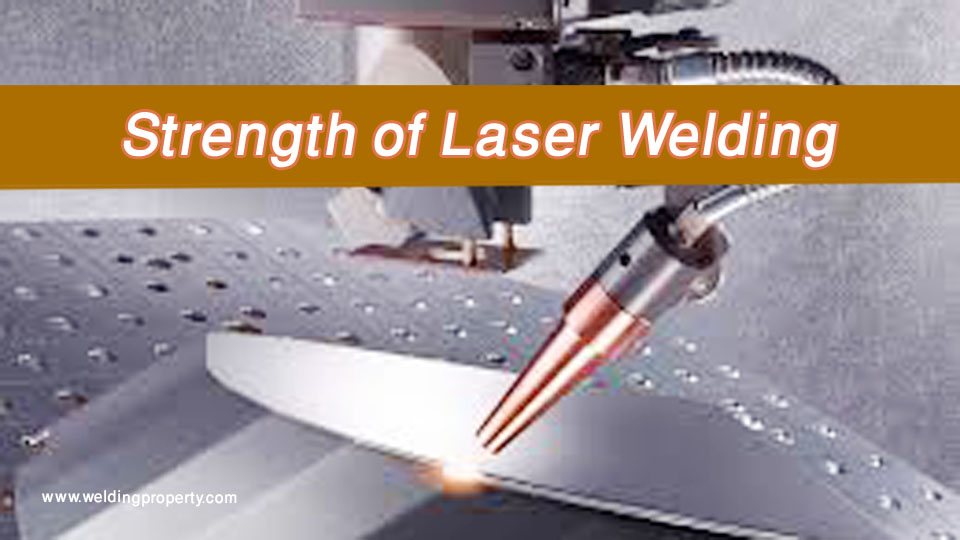
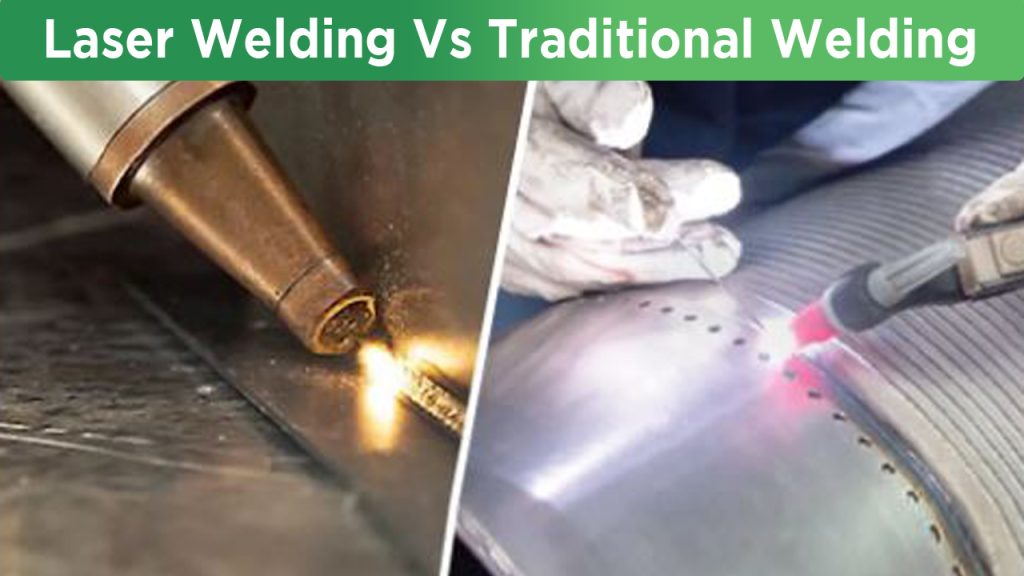
Laser welding utilizes a focused beam of high-intensity light to melt and join metals together. This precise and controlled process offers several advantages over traditional welding techniques.
Firstly, laser welding produces narrow and deep welds, resulting in stronger and more durable joints. The concentrated heat input allows for better penetration into the metals, resulting in welds that are highly resistant to fatigue and stress.
This makes laser welding particularly suitable for applications where strength and reliability are critical, such as in the aerospace and automotive industries.
The concentrated heat input reduces distortion, minimizing the need for subsequent rework. Traditional welding methods often result in wider, shallower welds that may require additional reinforcement or finishing.
Laser welding, on the other hand, produces welds that require less post-welding processing, saving time and resources.
The non-contact nature of laser welding eliminates the risk of contamination by foreign particles, ensuring high-quality welds.
Traditional welding methods, such as arc welding or gas welding, involve physical contact between the welding tool and the metal being joined. This can sometimes lead to contamination from the electrodes or filler materials, compromising the integrity of the weld.
Process of traditional welding
Traditional welding methods, such as arc welding or gas welding, rely on heat produced by electric arcs or burning gases. While these methods have stood the test of time, they often result in wider, shallower welds that may require additional reinforcement or finishing.
Arc welding, for example, involves the use of an electric arc to generate intense heat at the welding point, melting the metal surfaces and fusing them together.
This process creates a weld that is wider and shallower compared to laser welding. As a result, arc welding may require additional reinforcement or finishing to achieve the desired strength and appearance.
Gas welding, on the other hand, uses a fuel gas and oxygen to create a flame that melts the metal surfaces, allowing them to fuse together. Similar to arc welding, gas welding can result in wider, shallower welds that may require additional processing.
While traditional welding methods have their limitations, they have been widely used for decades and are well-suited for certain applications.
For example, arc welding is commonly used in construction and shipbuilding industries, where the strength and durability of the welds are crucial. Gas welding is often employed in the fabrication of small metal components or delicate materials.
Traditional welding methods have been the backbone of metal joining for many years, offering versatility and reliability in various industries. They may require additional reinforcement or finishing to achieve the desired results.
Advantages of laser welding over traditional welding
Laser welding offers numerous benefits compared to traditional welding techniques. These advantages have made it a popular choice in various industries.
Precision
Laser welding produces narrow and deep welds, allowing for precise control over the welding process. This precision is particularly beneficial in applications where accuracy is crucial, such as in the medical or electronics industry.
Strength and durability
The concentrated heat input of laser welding results in welds that are stronger and more durable compared to traditional welding methods.
This makes laser welding suitable for applications where the joints are subjected to high stress or fatigue, such as in the manufacturing of heavy machinery or structural components.
Cleanliness
The non-contact nature of laser welding eliminates the risk of contamination by foreign particles. This ensures high-quality welds, free from impurities that can compromise the integrity of the joint.
Laser welding is commonly used in industries where cleanliness is critical, such as in the production of semiconductor devices or optical components.
Reduced distortion
Laser welding minimizes distortion in the welded materials, reducing the need for subsequent rework or correction. This not only saves time and resources but also ensures the dimensional accuracy of the final product.
Laser welding offers precision, strength, cleanliness, and reduced distortion compared to traditional welding methods. These advantages have made it a preferred choice in industries where high-quality welds are paramount.
Advantages of traditional welding over laser welding
While laser welding offers numerous benefits, traditional welding methods still have their advantages in certain applications.
Versatility
Traditional welding methods, such as arc welding or gas welding, offer a wide range of applications. They can be used to join different types of metals, including ferrous and non-ferrous materials. This versatility makes traditional welding methods suitable for a variety of industries, from construction to automotive.
Cost-effectiveness
Traditional welding methods are often more cost-effective compared to laser welding, especially for smaller-scale projects. The equipment and consumables required for traditional welding methods are generally more affordable, making them accessible to a wider range of businesses.
Familiarity and skill availability
Traditional welding methods have been in use for decades, and as a result, there is a larger pool of skilled welders available. This can be advantageous for businesses, as they can easily find experienced welders who are familiar with traditional welding techniques.
Traditional welding methods offer versatility, cost-effectiveness, and a larger pool of skilled welders. These advantages make them a viable choice for certain applications, especially in smaller-scale projects or industries where traditional welding techniques are widely established.
Applications of laser welding
Laser welding has found applications in a wide range of industries, thanks to its precision and high-quality welds.
Automotive
Laser welding is commonly used in the automotive industry for joining different components, such as body panels, exhaust systems, or engine parts. The strength and durability of laser welds make them ideal for withstanding the rigors of daily use.
Aerospace
The aerospace industry demands high-quality welds that can withstand extreme conditions. Laser welding is used in the fabrication of aircraft components, such as turbine blades, fuel tanks, or structural frames. The precision and cleanliness of laser welds ensure the integrity and safety of these critical components.
Medical
Laser welding is widely employed in the medical industry for the production of surgical instruments, implants, or medical devices. The precision and cleanliness of laser welds make them suitable for applications where sterility and accuracy are paramount.
Electronics
The electronics industry requires highly accurate and reliable welds for components such as circuit boards or sensors. Laser welding offers the precision and control needed to ensure the quality and functionality of these delicate electronic components.
Laser welding finds applications in industries that require precise, strong, and clean welds. Its versatility makes it a popular choice in automotive, aerospace, medical, and electronics industries, among others.
Applications of traditional welding
Traditional welding methods continue to find applications in various industries, thanks to their versatility and reliability.
Construction
Traditional welding methods, such as arc welding, are commonly used in the construction industry for joining structural components, such as beams, columns, or trusses.
The versatility and strength of traditional welds make them suitable for withstanding the heavy loads and stresses encountered in construction projects.
Shipbuilding
Traditional welding methods, such as gas welding or arc welding, are widely employed in the shipbuilding industry for joining different parts of a ship’s structure. The durability and strength of traditional welds make them ideal for withstanding the harsh conditions of the marine environment.
Fabrication
Traditional welding methods are commonly used in the fabrication of small metal components, such as brackets, frames, or supports. The versatility of traditional welding techniques allows for the joining of different types of metals, making them suitable for a wide range of fabrication projects.
Repair and maintenance
Traditional welding methods are often used for repair and maintenance tasks, where the cost-effectiveness and availability of skilled welders are important considerations.
If it’s repairing a broken metal structure or fixing a damaged piece of equipment, traditional welding methods offer a reliable and accessible solution.
Traditional welding methods find applications in construction, shipbuilding, fabrication, and repair industries, among others. Their versatility and reliability make them a preferred choice for various projects and industries.
Cost considerations for laser welding and traditional welding
Cost is an important factor to consider when choosing between laser welding and traditional welding methods.
Laser welding generally requires specialized equipment, such as laser welding machines and optic systems, which can be expensive to purchase or maintain. The high-intensity light source used in laser welding can consume a significant amount of energy, adding to the operational costs.
On the other hand, traditional welding methods often require less specialized equipment and consumables, making them more cost-effective, especially for smaller-scale projects.
The availability of skilled welders familiar with traditional welding techniques can also contribute to cost savings, as their expertise can help streamline the welding process.
When evaluating the cost of welding methods, it’s important to consider not only the initial investment but also the long-term costs, such as maintenance, energy consumption, and labor.
Additionally, the specific requirements of the project, such as the desired weld quality, weld size, or production volume, should also be taken into account.
Laser welding may involve higher initial costs and energy consumption compared to traditional welding methods.
The long-term benefits, such as higher weld quality and reduced post-welding processing, may outweigh the initial investment in certain applications.
Choosing the right welding method for your project
Choosing the right welding method for your project requires careful consideration of various factors, including the desired weld quality, project requirements, and cost considerations.
For projects that demand precise and high-quality welds, laser welding may be the preferred choice. Industries such as automotive, aerospace, medical, and electronics often rely on laser welding for its precision, strength, and cleanliness.
On the other hand, traditional welding methods may be more suitable for projects that require versatility and cost-effectiveness. Industries such as construction, shipbuilding, fabrication, and repair often rely on traditional welding methods for their reliability and accessibility.
When evaluating the welding method, it’s important to assess the specific requirements of the project, such as the desired weld size, joint design, material compatibility, and production volume.
Cost considerations, such as equipment investment, energy consumption, and labor availability, should also be taken into account.
Choosing the right welding method involves a careful evaluation of the project requirements, desired weld quality, and cost considerations. Both laser welding and traditional welding methods offer unique advantages and should be selected based on the specific needs of the project.
Conclusion
Laser welding and traditional welding methods each have their own strengths and advantages. Laser welding offers precision, strength, cleanliness, and reduced distortion, making it a popular choice in industries that require high-quality welds.
Traditional welding methods, on the other hand, offer versatility, cost-effectiveness, and a larger pool of skilled welders, making them suitable for a wide range of applications.
When choosing between laser welding and traditional welding methods, it’s important to consider the specific requirements of the project, such as the desired weld quality, joint design, material compatibility, and cost considerations.
By carefully evaluating these factors, businesses can make an informed decision and select the most appropriate welding method for their project.