Removing JB Weld from aluminum is not as simple as peeling off glue from a table. JB Weld is a strong epoxy adhesive, known for its ability to bond metals securely. Many people use it for car repairs, plumbing fixes, and household projects.
But what if you need to take it off? Maybe you made a mistake, want to replace a part, or need to restore the original look of your aluminum piece. If you don’t use the right method, you can easily scratch, warp, or even weaken the aluminum. That’s why knowing safe removal techniques matters.
In this guide I’ll explain step-by-step how to remove JB Weld from aluminum. You’ll discover the most effective methods, the tools you’ll need, and common mistakes to avoid.
Whether you’re working on a car engine or a broken chair, you’ll learn how to bring your aluminum back to its original state without causing damage.
If you ever feel stuck, you’ll also find advanced techniques and practical tips only experienced DIYers know. Let’s get started and make sure you handle this task with confidence and care.
Understanding Jb Weld And Aluminum
Before you begin, it’s important to understand what makes JB Weld so tough and why aluminum needs special care.
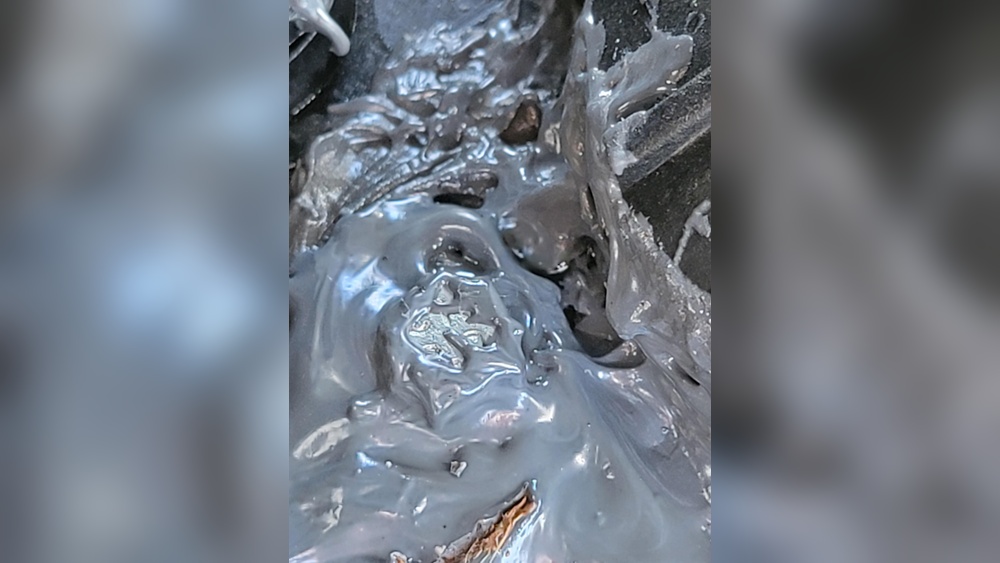
JB Weld is a two-part epoxy, made from a resin and a hardener. When mixed, it forms a chemical bond that cures (hardens) over several hours. Once cured, JB Weld can withstand high temperatures, chemicals, and even some mechanical stress.
This is why it’s a favorite for metal repairs.
Aluminum is a soft, lightweight metal that scratches and deforms easily. It’s also used in many sensitive applications, from car engines to kitchen appliances. This means you must use removal methods that are strong enough to break the JB Weld bond, but gentle enough to avoid harming the aluminum underneath.
When Should You Remove Jb Weld From Aluminum?
There are several situations where you may need to remove JB Weld from aluminum:
- Mistakes during application: Maybe you applied too much, or in the wrong spot.
- Part replacements: If you need to swap out a part that’s been epoxied.
- Restoration projects: Returning an item to its original appearance.
- Testing or inspection: Accessing areas for maintenance or quality checks.
- Improper bonding: If the bond is weak or contaminated and needs to be redone.
Removing JB Weld the wrong way can leave scratches, gouges, or even warp thin aluminum. That’s why each step should be done with patience and the right tools.
What You’ll Need: Tools And Materials
The tools you use depend on your chosen method, the size of the area, and how long the JB Weld has been cured. Here’s a list of common items needed for safe removal:
- Protective gloves (nitrile or latex)
- Eye protection
- Heat gun or strong hair dryer
- Razor blade, plastic scraper, or putty knife
- Drill with wire brush or rotary tool with soft brushes
- Acetone or isopropyl alcohol (for cleaning)
- Sandpaper (400-800 grit, for finishing)
- Freezing spray or compressed air (optional)
- Chemical solvent (for advanced cases)
- Cloths or rags
- Masking tape (to protect surrounding areas)
You don’t need everything for every method, but having these on hand gives you more options.
Main Methods To Remove Jb Weld From Aluminum
Let’s look at the most effective ways to remove JB Weld, from gentle to more aggressive. Each method has its pros and cons. Some work better on fresh JB Weld, while others are for old, fully cured epoxy.
1. Mechanical Removal (scraping And Sanding)
This is the most basic method, using manual force to chip, scrape, or sand away the JB Weld.
Steps:
- Wear protective gloves and eye protection.
- If possible, use a plastic scraper or a razor blade at a low angle to gently lift the edge of the JB Weld.
- Work slowly to avoid scratching the aluminum. If the JB Weld is thick, you may need to use a putty knife.
- Once most of the epoxy is off, switch to fine sandpaper (start with 400 grit and move up to 800 grit) to remove the last bits.
- Wipe the area with a clean rag and acetone to remove any residue.
Advantages:
- No chemicals needed
- Full control over the process
Disadvantages:
- Labor-intensive
- Risk of scratching if not careful
Pro tip: For curved or hard-to-reach surfaces, wrap sandpaper around a soft block or use a rotary tool with a fine brush.
2. Heat Removal
JB Weld softens at high temperatures (above 290°C or 550°F). Using heat can make the epoxy brittle or rubbery, allowing you to pry it off more easily.
Steps:
- Put on gloves and eye protection.
- Use a heat gun on its highest setting, or a strong hair dryer. Hold it a few inches from the JB Weld.
- Move the heat gun in a circular motion for 2-3 minutes. The JB Weld should soften, bubble, or darken.
- Quickly use a scraper or putty knife to lift the epoxy off the aluminum while it’s still warm.
- Clean up any residue with sandpaper or acetone.
Advantages:
- Less physical effort
- Good for thick or stubborn epoxy
Disadvantages:
- Risk of overheating and warping thin aluminum
- Not suitable for temperature-sensitive parts
Practical tip: Always move the heat source around. Never focus on one spot for too long, or you might discolor or warp the aluminum.
3. Chemical Removal
Some chemicals can break down the bond between JB Weld and aluminum, making it easier to remove. The most common are acetone, paint stripper, or specialized epoxy removers.
Steps:
- Work in a well-ventilated area. Wear gloves and eye protection.
- Apply a small amount of the solvent on a rag, and dab it onto the JB Weld. Let it soak for 10-20 minutes.
- Use a plastic scraper to gently lift the softened epoxy.
- Repeat if necessary. For stubborn spots, use a soft wire brush.
- Wipe the area clean with a fresh rag and rinse with water.
Advantages:
- Less risk of scratching
- Can work well on large areas
Disadvantages:
- Some chemicals can stain or pit aluminum
- Requires proper safety precautions
Non-obvious insight: Not all paint strippers or solvents work on JB Weld. Always test on a small area first. Some modern “eco-friendly” strippers are too mild for strong epoxy.
4. Freezing (thermal Shock)
Extreme cold can make JB Weld brittle, causing it to crack and break away from the aluminum. This is less common, but useful for small parts.
Steps:
- Spray the JB Weld with freezing spray (used for electronics) or invert a can of compressed air and spray.
- Wait a minute for the epoxy to become very cold and hard.
- Tap gently with a plastic or wooden tool to break the bond.
- Scrape off the pieces. Clean up any leftovers with sandpaper or a solvent.
Advantages:
- Low risk of scratching
- No chemicals required
Disadvantages:
- Not effective on large or thick layers
- Freezing sprays can be expensive
Pro tip: This method works best for JB Weld spots no bigger than a coin.
5. Power Tools (for Advanced Users)
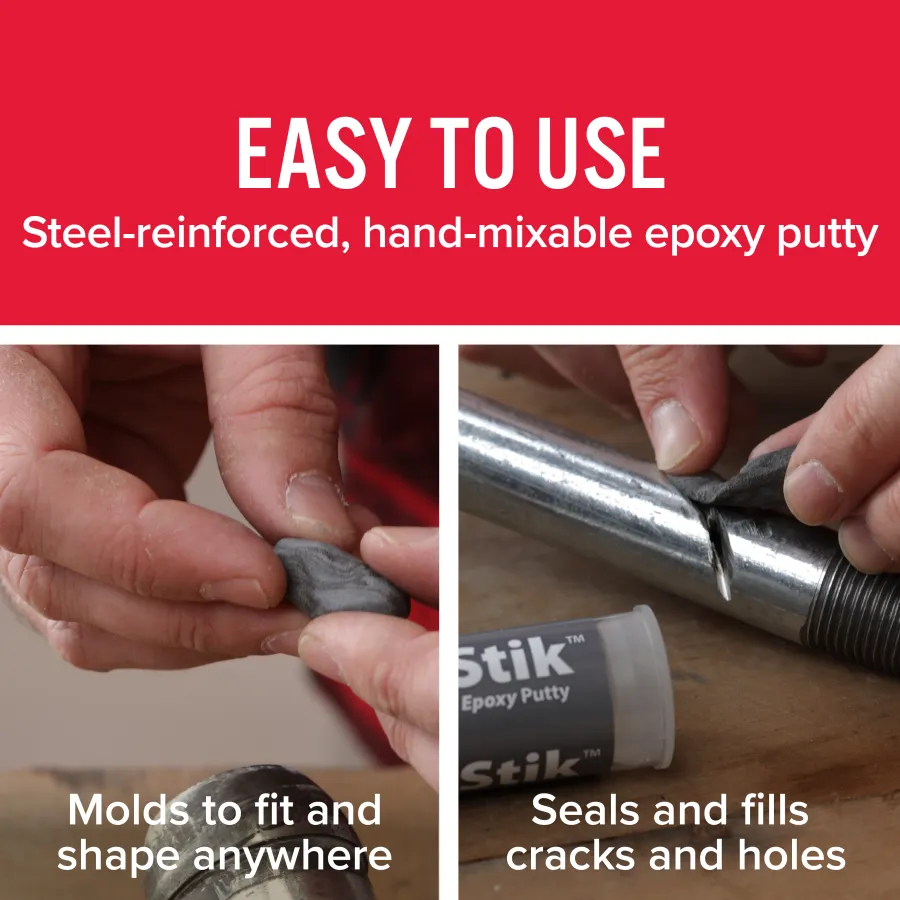
If the JB Weld is extremely thick or covers a large area, you may need to use power tools. This includes a drill with a wire brush attachment or a rotary tool (like Dremel) with a fine abrasive wheel.
Steps:
- Mask off surrounding areas with tape to protect the aluminum.
- Wear safety glasses and gloves.
- Set the tool to a low speed. Use gentle pressure and keep the brush moving at all times.
- Remove most of the JB Weld, then finish with sandpaper and solvent.
Advantages:
- Fast for large or thick areas
- Useful for stubborn, old JB Weld
Disadvantages:
- High risk of scratching or removing aluminum
- Only for those with steady hands and experience
Non-obvious insight: Use a brass brush instead of steel; brass is softer and less likely to gouge the aluminum.
Credit: www.jbweld.com
Comparing Main Removal Methods
Below is a comparison of the main JB Weld removal methods for aluminum. This can help you choose the best approach for your situation.
| Method | Best For | Time Needed | Risk to Aluminum | Cost |
|---|---|---|---|---|
| Mechanical (Scraping/Sanding) | Small spots, thin layers | 30-60 min | Low to Medium | Low |
| Heat Gun | Thick layers, fast removal | 15-40 min | Medium | Medium |
| Chemical Solvent | Large or awkward shapes | 40-120 min | Low (if tested first) | Medium |
| Freezing Spray | Small or delicate parts | 10-30 min | Low | High |
| Power Tools | Very thick or old JB Weld | 10-45 min | High | Medium to High |
Step-by-step: Safest Way To Remove Jb Weld From Aluminum
If you want the best results with the least risk, follow this process. It combines several methods for gentle but effective removal.
Step 1: Assess The Area
Look at the size and thickness of the JB Weld. Is it a small spot, a thick layer, or a hidden joint? This helps you pick your main tool and backup options.
Step 2: Protect Surroundings
Use masking tape or plastic sheets to cover any nearby surfaces. This prevents accidental scratches or chemical splashes.
Step 3: Try Mechanical Removal First
Use a plastic scraper or putty knife to gently lift as much JB Weld as possible. For curved surfaces, a razor blade at a low angle works well. Go slow; patience saves the aluminum.
Step 4: Apply Heat
If scraping isn’t enough, use a heat gun or strong hair dryer. Heat the area for 2-3 minutes, moving constantly. Test the JB Weld with your tool; if it softens or cracks, continue removing it.
Step 5: Use Chemical Solvent (if Needed)
For stubborn spots, dab a small amount of acetone or epoxy remover. Wait 10-20 minutes, then scrape again. Repeat as needed.
Step 6: Finish With Sandpaper
Once the bulk is gone, use 400-800 grit sandpaper to smooth out any rough areas. Always sand in the direction of the aluminum’s grain to avoid visible scratches.
Step 7: Clean The Surface
Wipe the area with a rag and acetone to remove any last traces of epoxy or sanding dust. Let it dry completely.
Common Mistakes And How To Avoid Them
Even experienced DIYers sometimes make errors that can damage aluminum or make removal harder.
- Using metal scrapers or steel wool: These tools can leave deep gouges in soft aluminum. Always start with plastic or brass.
- Focusing heat in one spot: Overheating can warp or discolor aluminum. Move your heat source in circles.
- Choosing the wrong solvent: Some strong chemicals can pit or stain aluminum. Always test in a small, hidden area first.
- Skipping protective gear: Epoxy dust and solvent fumes are harmful. Use gloves, eye protection, and work in a ventilated area.
- Rushing the process: Most damage happens when people try to finish quickly. Take your time for the best results.
Real-world Example: Car Engine Repair
Let’s say you used JB Weld to fix a small leak in an aluminum engine block. Later, you want to remove it to redo the repair with a new gasket.
Here’s how you’d do it:
- Mask off the area with tape and plastic to protect sensitive parts.
- Use a heat gun for 2-3 minutes, then a plastic putty knife to lift the softened epoxy.
- If any pieces remain, apply a small amount of acetone with a cotton swab and wait 15 minutes.
- Scrape gently again. For the final finish, use 600-grit sandpaper.
- Wipe clean with acetone and let the engine block air dry before applying new JB Weld or gasket.
Expert tip: Never use a wire wheel on an engine block unless you have experience, as you may remove too much material and cause leaks.
Advanced Tips And Non-obvious Insights
Here are a few techniques that most beginners miss, but can make a big difference:
- Layered removal: For very thick JB Weld, remove it in layers. Don’t try to pry off everything at once.
- Heating and freezing: Alternate between heat and cold. This creates thermal shock, making the epoxy crack and lift off more easily.
- Use of dental tools: For detailed or small areas, dental picks or plastic sculpting tools can help remove epoxy from grooves without scratching.
- Masking for sanding: Always mask off nearby surfaces before sanding, especially if the aluminum is polished or painted.
- Clean surface before reapplying: If you plan to reapply JB Weld, clean the area with alcohol or acetone after removal to ensure a strong new bond.
Table: Chemical Resistance Of Jb Weld
To understand why some solvents work and others don’t, here’s a quick look at JB Weld’s resistance to common chemicals.
| Chemical | Effect on JB Weld | Safety for Aluminum |
|---|---|---|
| Acetone | Weakens bond with repeated use | Safe if rinsed quickly |
| Paint Stripper (Methylene Chloride) | Can break down epoxy | May stain or pit aluminum |
| Isopropyl Alcohol | Minimal effect | Safe |
| Brake Cleaner | Some effect, not strong | Usually safe |
| Mineral Spirits | No effect | Safe |
Key takeaway: Acetone is usually your best bet, but always rinse the area and avoid soaking aluminum for long periods.

Credit: www.reddit.com
How To Restore Aluminum After Jb Weld Removal
Even after successful removal, the aluminum surface may look dull, scratched, or have minor pits. Here’s how to restore it:
- Fine sanding: Use 800-1200 grit sandpaper for a smooth finish.
- Polishing: For shiny surfaces, use a metal polish and a soft cloth. Rub in small circles until the shine returns.
- Cleaning: Wipe with isopropyl alcohol to remove fingerprints and residue.
- Inspect for damage: Check for deep scratches or thinning. In critical parts (like car engines), consult a professional if you see any structural damage.
Insight: Aluminum is softer than it looks. The less material you remove, the stronger your part will remain.
Environmental And Safety Considerations
Removing JB Weld isn’t just about fixing your project. You should also think about the environment and your health.
- Ventilation: Always work in a well-ventilated area, especially with heat or chemicals.
- Disposal: Do not pour used solvents down the drain. Check your local rules for hazardous waste disposal.
- Fire risk: Some solvents are flammable. Keep them away from open flames and sparks.
- Protective gear: Gloves and safety glasses are a must. A dust mask is a good idea when sanding.
If you’re unsure about any step, check the product’s safety sheet or contact the manufacturer.

Credit: www.youtube.com
When To Call A Professional
In some cases, removing JB Weld is not a DIY job. If you are working on critical parts (like car suspension, pressure vessels, or medical devices), or if you see deep gouges in the aluminum, stop and consult an expert. They may have specialized tools or methods that are safer and more effective.
Final Thoughts
Removing JB Weld from aluminum is a task that requires care, the right tools, and some patience. With the methods and tips in this guide, you can restore your aluminum part without causing harm. Always prioritize safety and test your approach on a small area first. In most cases, you can achieve a clean, smooth result and keep your project moving forward.
Frequently Asked Questions
How Long Does It Take To Remove Jb Weld From Aluminum?
The time depends on the method and the thickness of the epoxy. Small spots can take 30 minutes with scraping and sanding. Large, thick layers may need 1-2 hours using heat and chemicals. Always allow extra time for stubborn or old JB Weld.
Can I Use Vinegar Or Household Cleaners To Remove Jb Weld?
Vinegar and most household cleaners have little effect on cured JB Weld. They may clean the surface but will not break the epoxy bond. Use acetone or a specific epoxy remover for best results.
Is It Possible To Remove Jb Weld Without Scratching Aluminum?
Yes, if you use plastic tools, gentle solvents, and fine sandpaper. Always test in a small area first, and avoid metal scrapers or aggressive sanding. Patience is key to a scratch-free finish.
Will Removing Jb Weld Damage The Aluminum?
Not if you follow safe methods. The risk is higher with power tools, steel brushes, or harsh chemicals. Always use the gentlest method that works, and check for damage before reusing the part.
What If Jb Weld Is Inside A Small Hole Or Crack?
Use a combination of heat, solvent, and a dental pick or small plastic tool. Work slowly to avoid widening the crack or hole. For hard-to-reach spots, you may need a rotary tool with a fine tip.