
Working out of a cluttered shop with a MIG machine sitting on the floor, cables tangled, and the gas cylinder awkwardly leaning nearby can slow you down more than the weld itself. Every time you need to move setups or adjust your position, it turns into a hassle.
That’s exactly why learning How to Make a MIG Welder Cart is one of those upgrades that makes your workflow smoother almost immediately.
In real shop, a solid welder cart keeps everything organized—machine, gas bottle, cables, and tools—all in one place. It saves time, improves safety, and makes it easier to move your setup without dragging equipment across the floor.
I’ve worked with both store-bought carts and custom-built ones, and a well-designed DIY cart often ends up being more practical.
This is the kind of project that pays off every time you strike an arc. In this guide, I’ll walk you through a simple, hands-on approach to building your own MIG welder cart, with practical tips to make it sturdy, functional, and shop-ready.
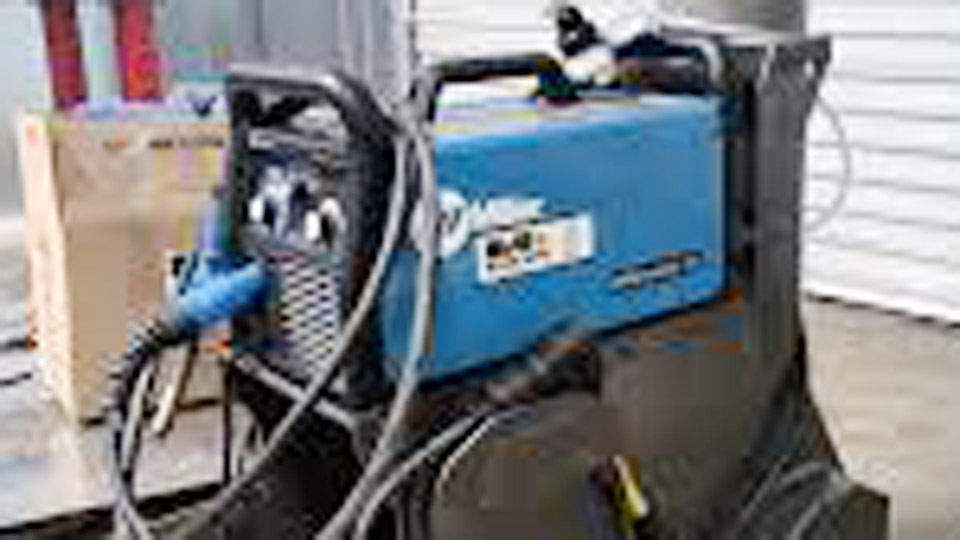
Image by r/metalworking
Why Build Your Own MIG Welder Cart Instead of Buying One?
Commercial carts from brands like Miller or Lincoln work fine, but they often cost $200–$400 and rarely fit your exact machine, bottle size, or workflow. When you build one, you tailor every dimension to your welder—whether it’s a compact 140-amp Hobart Handler or a beefier Lincoln Power MIG.
You also control the materials and strength. Many store-bought units use lightweight tubing that flexes under a full 125-cubic-foot argon/CO2 mix bottle. A DIY version lets you use heavier square tubing and proper wheels for shop floors littered with slag or cables.
Cost is another big factor. You can build a sturdy cart for under $150 using scrap or steel from your local supplier. The real payoff comes in daily use: everything stays in one place, the welder sits at a comfortable height, and you avoid the common frustration of hunting for your torch or pliers.
What Makes a Good MIG Welder Cart Design?
A practical MIG welder cart has three main levels: a top shelf for the welder, a middle or lower shelf for accessories and tools, and a dedicated low platform or rack for the gas cylinder. The cylinder sits low to keep the center of gravity stable—I’ve seen carts tip when bottles ride too high.
Typical overall dimensions run about 24–30 inches wide, 18–24 inches deep, and 36–48 inches tall including the handle. This fits most home and small professional shops while leaving room to maneuver through doorways.
The frame usually uses 1-inch or 1-1/2-inch square tubing with 0.065–0.120 wall thickness. Thinner 16-gauge works for lighter setups, but I prefer 14-gauge or heavier for carts that will see daily abuse. Angle iron or flat bar reinforces shelves, and a chain or strap secures the bottle.
Wheels matter more than most beginners realize. Two large 8–10 inch rear wheels (solid rubber or flat-free) handle uneven concrete, cords, and small debris. Up front, two locking swivel casters (at least 4–5 inches) let you pivot easily without fighting the weight. Avoid small furniture casters—they bind up fast.
Materials You’ll Need for a Solid MIG Welder Cart
Here’s what I typically gather for a standard single-MIG cart that holds a mid-size machine and one full cylinder:
- 25–35 feet of 1″ x 1″ or 1.5″ x 1.5″ square steel tubing (0.065″ or thicker wall)
- 10–15 feet of 1″ x 1″ angle iron for shelf edges
- 2–3 square feet of 16–11 gauge sheet steel or expanded metal for shelves
- Two 8–10″ solid or pneumatic rear wheels with axle (often 5/8″ bolt)
- Two 4–5″ heavy-duty swivel casters with brakes
- Chain or ratchet strap for the bottle
- Scrap flat bar or round stock for brackets and bottle cradle
- Bolts, nuts, washers, and self-tapping screws for assembly
- Paint or primer (rustoleum or similar shop-grade)
You can source most of this from metal suppliers, scrap yards, or big-box stores like Home Depot. Measure your specific welder and bottle first—common MIG bottles are 6–9 inches in diameter, so plan the cradle accordingly.
Tools Required to Build the Cart
You don’t need a fancy shop. A MIG welder (ironic but perfect for this project), angle grinder with cutoff and flap discs, measuring tape, speed square, clamps, and a drill or drill press will get it done. A bandsaw or chopsaw speeds up cutting, but a good cutoff wheel works in a pinch.
I always recommend tacking everything in place first, checking for square and level, then welding it up. This prevents the distortion that ruins many first-time builds.
Step-by-Step Guide: How to Build a Basic MIG Welder Cart
Start with the base frame. Cut two long side rails and two cross members to form a rectangle roughly 24″ wide by 18″ deep. This becomes your lower shelf foundation.
Weld the rear axle supports or wheel mounts next. I run a piece of round or square tubing across the back as an axle housing, then weld or bolt the wheels on. For simplicity, many builders drill holes and run a long bolt through end caps or bushings.
Add vertical uprights—usually four pieces rising 30–36 inches from the base. These support the upper shelves and handle. Brace them with diagonal gussets made from angle iron to prevent racking when you push a loaded cart.
Build the top welder shelf next. Make it slightly larger than your machine’s footprint—add 2–3 inches all around for stability. Use angle iron around the edges to create a lip that keeps the welder from sliding. Some guys weld a flat plate on top; others use expanded metal for lighter weight and better airflow around the welder’s vents.
The gas bottle platform sits low, often between the rear wheels or offset to one side. I weld a U-shaped cradle from flat bar or tubing that cradles the bottle base, then add a taller loop or chain anchor higher up to prevent tipping. A simple chain with a quick link works reliably.
Install the middle shelf if you want one. This is perfect for wire spools, extra tips, pliers, and a small toolbox. Make it removable or hinged if you need occasional access underneath.
Finally, add the handle. A simple U-shaped push handle from square tubing welded to the back uprights gives good leverage. Some designs curve it for ergonomics or add a crossbar for hanging cables.
Tack everything, check squareness with your speed square on multiple corners, then lay your final welds. Alternate sides to control heat and minimize warping. Grind smooth where needed, especially on shelves where spatter collects.
Welding Techniques for Building Your Cart
Since you’re likely using your MIG welder to build the cart, dial in settings for the tubing thickness. For 0.065–0.120″ mild steel, I run .030″ or .035″ ER70S-6 wire with 75/25 argon/CO2 mix at 18–22 volts and 150–250 inches per minute wire speed, depending on position.
Clean all metal thoroughly—mill scale or rust causes porosity that weakens joints. Tack welds first, then stitch or skip-weld long seams to control distortion. On thin tubing, watch your travel speed; too slow overheats and burns through.
Common beginner mistake: welding everything in one continuous pass. That pulls the frame out of square. Pros tack in a sequence—opposite corners, then alternate—to keep things true.
For shelves, I often use plug welds or stitch welds through holes drilled in the sheet into the frame. This gives a clean look without too much heat.
Customizing Your MIG Welder Cart for Real Shop Use
Once the basic frame is together, think about your workflow. Many fabricators add a drawer or tray for consumables. A simple slide-out tray from sheet metal on angle tracks works well.
Cable management prevents trips and damage. Weld hooks or loops from round bar on the sides for your torch and ground cables. Some carts include a power strip or outlet mounted safely for grinders and lights.
If you run flux-cored wire occasionally, add space for a larger spool. For multi-process setups, plan extra room for a TIG torch or stick rod oven.
Bottle security is non-negotiable. A loose cylinder can fall and turn into a rocket if the valve shears. Always use a chain or strap rated for the weight, anchored at two points.
I’ve built versions with a small vise mount or plasma cutter shelf on the side. One guy added fold-down wings for a mini welding table surface—handy for quick tacks.
Safety Considerations When Using and Building the Cart
Welding safety starts with the build. Wear proper PPE—gloves, helmet, and jacket—while fabricating. Good ventilation matters even for mild steel.
Once built, secure the welder so it can’t slide during movement. Keep the gas bottle chained at all times, even when parked. Position the cart so cables don’t drag under wheels.
Locking casters prevent the cart from rolling away when you’re welding on a slope or uneven floor. I’ve had a loaded cart get away once—never again.
Fire safety: keep flammables away from the stored cart, and have an extinguisher nearby. Cylinders should never sit near heat sources or sparks.
Common Mistakes Beginners and Even Pros Make
The biggest error is underestimating weight. A welder plus full bottle plus tools easily hits 150–250 pounds. Skimping on tubing or small wheels leads to a flexy, hard-to-roll cart.
Another frequent issue: poor wheel choice. Small casters catch on everything. Go big on the rears and make sure fronts lock.
Distortion during welding throws shelves out of level. Measure twice, tack smart, and check with a level frequently.
Forgetting to plan for your specific bottle diameter is frustrating. Measure before cutting the cradle. Same with welder dimensions—leave clearance for ventilation and cable routing.
Rushing the finish: a raw steel cart rusts fast in humid shops. Prime and paint everything, including inside tubing ends if possible.
Pros and Cons of Building vs. Buying a MIG Welder Cart
Pros of DIY:
- Custom fit to your exact equipment
- Lower cost
- Stronger if built right
- Satisfaction of making your own gear
- Easy to modify later
Cons:
- Takes time (4–8 hours for a basic one)
- Requires welding skills and tools
- Potential for mistakes on the first build
- May not look as polished as factory units
For most hobbyists and small shops, the pros win easily. My first cart is still rolling strong after years of use.
Comparison of Different MIG Welder Cart Styles
Simple two-shelf cart: Best for beginners and light-duty home use. Compact, easy to build, holds welder and one bottle.
Heavy-duty three-tier with drawer: Ideal for pros who need tool storage and run multiple processes. More material and time, but incredibly functional.
All-terrain version: Larger pneumatic tires, reinforced frame—great for outdoor or rough shop floors.
Multi-machine cart: Extended length to hold MIG plus plasma or stick welder. Requires careful weight distribution.
I’ve used all types. Start simple unless you have heavy daily demands.
Finishing and Maintaining Your Homemade MIG Welder Cart
After welding, grind down high spots and sharp edges—nobody wants cuts while reaching for tips. Degrease thoroughly, then apply a good primer and two coats of enamel or epoxy paint. Pay attention to the lower areas where moisture collects.
Maintenance is straightforward. Check wheel bearings periodically, tighten bolts, and inspect the bottle chain. Touch up paint when it chips to prevent rust.
Keep the top shelf clear of clutter so the welder stays cool. Wipe down spatter regularly.
Real-World Examples from Shop Experience
One buddy built a cart for his Lincoln 210MP using 1.5″ tubing and 10″ wheels. It handles his full bottle and spool gun kit without issue, even rolling over extension cords on the concrete floor.
I made a compact version for a student with limited space—narrower shelves, smaller wheels, but still sturdy enough for daily practice.
In a fabrication shop I worked in, the best cart had a low bottle rack, heavy casters, and a dedicated spot for the ground clamp right at welding height. Small details like that save minutes every day that add up.
Taking It Further: Advanced Features
If you’re comfortable, add a bottle regulator mount, integrated cord reel, or even a small inverter mount for field work. Some fabricators incorporate a folding work surface or built-in clamp storage.
For stainless or aluminum MIG work, consider extra ventilation space or dedicated gas lines if running multiple bottles.
Reflection on Building and Using a MIG Welder Cart
After putting together more carts than I can count, the pattern is clear: the best ones prioritize function over flash. They keep your welder stable, the bottle secure, tools accessible, and the whole setup mobile without drama.
You’ve learned about material choices, wheel selection, welding sequences to control distortion, and the little details that separate a frustrating rig from one that makes welding smoother every single day. Whether you’re a hobbyist in your garage or a pro moving between stations, a well-built cart changes how you approach every job.
Always build the bottle cradle first and test-roll the empty frame with a full cylinder loaded before welding the upper shelves. That forces you to get the balance and wheelbase right from the start. A top-heavy cart fights you forever—get the foundation stable, and everything else falls into place.
FAQs
How much does it cost to build a MIG welder cart?
Expect $80–$200 depending on whether you use scrap steel or buy new. Tubing and wheels are the biggest expenses. My last basic build ran about $120 including paint and hardware.
What size wheels should I use on a homemade welding cart?
Go with 8–10 inch rear wheels and 4–5 inch locking swivel casters up front. Larger wheels roll easier over shop debris and cords. Small casters are the most common regret I hear.
Can I build a MIG welder cart without a welder?
It’s possible with bolted construction using angle iron and square tubing, but welding gives much stronger, cleaner results. If you’re buying your first MIG, building the cart is a great first real project.
How do I prevent my welding cart from tipping over?
Keep the gas bottle as low as possible, use a wide base, and always secure the cylinder with a chain. Avoid overloading the top shelf or adding tall extensions without reinforcing the frame.
What gauge steel is best for MIG welder cart shelves?
16-gauge sheet or expanded metal works well for most home and light professional use. Heavier 11–14 gauge adds durability if you plan to throw grinders or heavy tools on it regularly.


