Oxy-hydrogen welding is a fascinating process that combines the power of hydrogen and oxygen to create an intense flame, perfect for welding and cutting metals.
If you’ve ever wondered how this method works and what makes it unique, you’re in the right place. Let’s break down the details of how oxy-hydrogen welding works, its advantages, and what situations it’s best suited for.
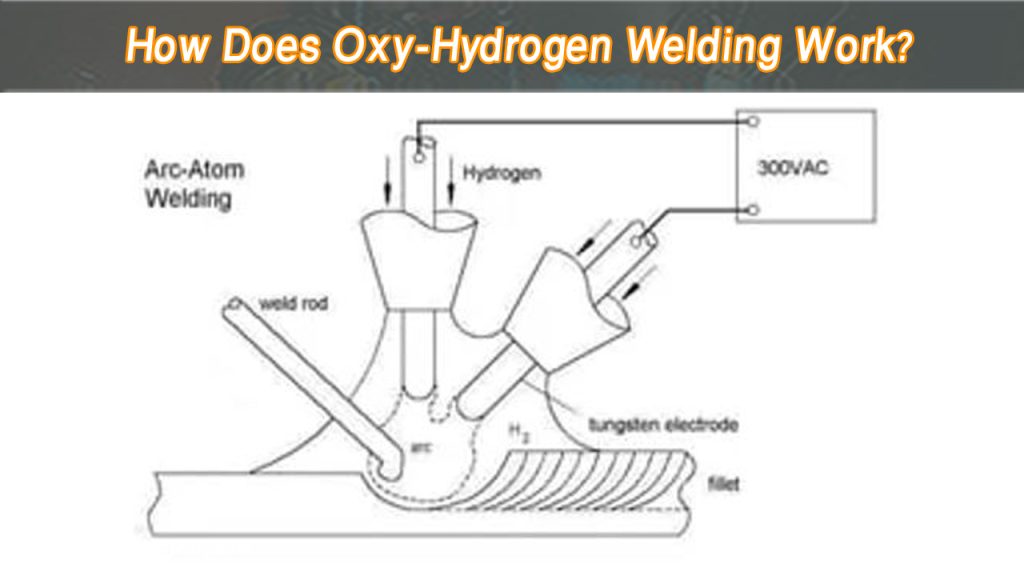
Image by slideshare
Oxy-Hydrogen Welding
To start, oxy-hydrogen welding uses a flame fueled by a mixture of oxygen and hydrogen. When combined and ignited, these gases produce a flame that can reach temperatures as high as 2,800°C (5,072°F).
This extreme heat is what makes oxy-hydrogen welding such an effective method for joining metals. The flame can heat and melt the metal surfaces, allowing them to fuse together seamlessly.
Oxy-hydrogen welding is a unique subset of oxy-fuel welding, where the fuel gas (in this case, hydrogen) is mixed with oxygen to create a high-temperature flame.
What’s interesting is that hydrogen burns cleanly, producing only water vapor as a byproduct. This is a big advantage in applications where minimal contamination is essential, like welding thin or delicate metals.
Science Behind Oxy-Hydrogen Welding
Before we dive into the process itself, let’s look at the science behind oxy-hydrogen welding. The key element here is the hydrogen-oxygen reaction.
When these gases combine in the right proportions and are ignited, they create a flame that can reach extremely high temperatures, making it suitable for melting and welding metals.
How the Oxy-Hydrogen Flame Works
The flame in oxy-hydrogen welding has a unique property—it’s nearly invisible. This can be surprising for anyone accustomed to the bright flames of other gas welding techniques.
Although it lacks the visible intensity of other flames, it produces an incredibly high heat output, which makes it effective for welding and cutting.
This flame also has two distinct zones:
Inner Cone: The hottest part, where complete combustion occurs. This is the area where the actual welding or cutting happens.
Outer Envelope: The outer part of the flame, which helps to shield the weld pool from the surrounding air, preventing oxidation and contamination.
Oxy-Hydrogen Welding Equipment
Like any welding process, oxy-hydrogen welding requires specific equipment to safely and effectively create the flame and apply it to the materials.
Gas Cylinders for Oxygen and Hydrogen
The two main gases required are oxygen and hydrogen, each stored in separate high-pressure cylinders. The oxygen and hydrogen cylinders must be handled carefully, as both are combustible under the right conditions.
Regulators
Regulators are used to control the gas flow from each cylinder, ensuring a safe and controlled mix of hydrogen and oxygen. Each cylinder has its own regulator, and it’s essential to set the right pressure for each gas to achieve the optimal flame.
Torch with Mixing Chamber
The torch is the part of the equipment that brings it all together. Inside the torch, there’s a mixing chamber where the oxygen and hydrogen combine in a controlled environment. Once they’re mixed, the gases are ignited at the nozzle, producing the flame needed for welding.
Flashback Arrestors and Check Valves
Safety is a huge priority in oxy-hydrogen welding. Flashback arrestors and check valves are installed to prevent dangerous backflow, where the flame could travel back into the hoses and reach the gas cylinders, potentially causing an explosion.
Oxy-Hydrogen Welding Process
Now that we know the equipment involved, let’s go through the actual steps of the oxy-hydrogen welding process. The steps might seem straightforward, but controlling the flame and achieving the right heat level requires skill and experience.
Step 1: Setting Up the Gas Flow
The first step is setting the right gas flow rates for both hydrogen and oxygen. Generally, hydrogen should be the first gas turned on, followed by oxygen.
A common mix ratio is two parts hydrogen to one part oxygen, but this may vary based on the material being welded. Setting the right mix is crucial for creating a stable flame that’s hot enough to weld but not so intense that it damages the workpiece.
Step 2: Igniting the Flame
Once the gas mix is set, the flame is ignited. Since the oxy-hydrogen flame is almost invisible, welders need to take extra care when handling it.
Holding the torch too close can overheat and potentially damage the material, so it’s essential to adjust the flame to the right distance from the work surface.
Step 3: Heating the Workpiece
With the flame ignited, the next step is to bring the torch close to the metal to begin heating it. The heat will cause the metal to reach its melting point, creating a small molten pool.
If filler material is required, it’s added directly to this molten pool, allowing the molten metal from the workpiece and filler to fuse.
Step 4: Moving the Torch
Controlling the torch movement is essential to achieve an even weld. The welder moves the torch along the joint, making sure the heat distribution is even. Maintaining a steady pace and keeping the flame focused on the right area helps create a strong, consistent weld.
Step 5: Cooling
Once the welding is complete, the weld needs to cool. Some materials require a controlled cooling process to prevent cracking, particularly when dealing with high-strength metals. With thin materials, it may cool quickly without any issues, while thicker metals may need to cool more gradually.
Advantages and Limitations of Oxy-Hydrogen Welding
Like any welding technique, oxy-hydrogen welding has its own set of advantages and limitations. Knowing these can help you decide if this method is right for your project.
Advantages of Oxy-Hydrogen Welding
| Advantage | Description |
|---|---|
| Clean Flame | Produces water vapor as the byproduct, reducing contamination. |
| High Temperature | Flame reaches up to 2,800°C, effective for welding and cutting a range of metals. |
| Adjustable Flame | Gas flow rates can be adjusted to control the flame’s temperature and intensity. |
| Cost-Effective | Hydrogen is relatively inexpensive and readily available, reducing overall welding costs. |
| Portable Equipment | Can be transported easily for on-site welding tasks. |
Limitations of Oxy-Hydrogen Welding
| Limitation | Description |
|---|---|
| High Safety Risks | Hydrogen is highly flammable, requiring strict safety measures. |
| Limited to Thin Metals | Works best with thin or delicate metals, not ideal for thick materials or heavy-duty welding. |
| Invisible Flame | Can be difficult to control because the flame is not easily visible. |
| Gas Availability | Requires both hydrogen and oxygen, which may not always be available in remote locations. |
Applications of Oxy-Hydrogen Welding
So, where does oxy-hydrogen welding shine? It’s an excellent choice for applications where a clean, precise weld is essential, and where contamination needs to be minimized. Some of the common uses include:
Jewelry Making: Its clean flame makes it ideal for fine metals and delicate work, such as jewelry repairs and creation.
Thin Sheet Metal: For metals like aluminum and stainless steel, oxy-hydrogen welding can achieve precise, clean welds.
Laboratory and Medical Equipment: In industries where purity is essential, such as in medical and laboratory equipment, oxy-hydrogen welding is often used.
Optical and Electronic Components: The high control and low contamination make it suitable for sensitive electronic parts and optical equipment.
Safety Considerations in Oxy-Hydrogen Welding
Safety is critical in oxy-hydrogen welding, especially considering the flammability of hydrogen. Here are some precautions to keep in mind:
Proper Ventilation
Since oxy-hydrogen welding produces water vapor, which can accumulate and make the environment humid, make sure the workspace is well-ventilated to prevent discomfort and ensure the gases are properly dispersed.
Check for Leaks
Always check your equipment, especially the gas hoses and connections, for any leaks before starting. Even a small leak in a hydrogen line can be hazardous.
Use Flashback Arrestors
Flashback arrestors are essential safety components in oxy-hydrogen welding. They prevent the flame from traveling back through the torch into the gas supply, reducing the risk of explosion.
Protective Gear
Wear appropriate personal protective equipment (PPE), including gloves, flame-resistant clothing, and eye protection. Since the flame is nearly invisible, use special goggles to help see the flame and protect your eyes.
Final Thoughts
Oxy-hydrogen welding is a unique and powerful welding method, best suited for applications that require a clean, high-temperature flame.
It’s ideal for thin metals, delicate materials, and situations where minimal contamination is key. It also requires careful handling and strict safety measures, especially given the flammability of hydrogen.
If you need a versatile, cost-effective welding option and are comfortable with the required safety protocols, oxy-hydrogen welding could be a great fit.
It offers precision and control that’s hard to match, making it a valuable addition to any welder’s skill set. With the right technique and attention to safety, it can provide excellent results across various industries.