If you’ve ever dealt with welding, you’ve probably heard a lot about hydrogen. It’s one of those things that can either make or break the quality of a weld.
Hydrogen can cause cracking, porosity, and even lead to structural failure if not controlled properly. So, how do you go about keeping hydrogen in check? Let’s break down the essentials.
Image by mechanicalfunda
Hydrogen in Welding: Why It Matters
When welding, especially with steel, hydrogen can sneak its way into the weld area. This happens due to moisture in the air, oils on the metal surface, or even from contaminants in the filler materials. While hydrogen is one of the smallest atoms, its effects can be massive.
It’s notorious for causing “hydrogen-induced cracking” (or HIC) in welds, which weakens the weld over time and can eventually lead to catastrophic failures.
The good news is that with the right techniques, you can control hydrogen levels during welding. Let’s go through some practical methods to do just that.
Pre-Weld Preparation: Setting Up for Success
A big part of hydrogen control in welding starts before you even strike an arc. Good prep work can eliminate much of the potential for hydrogen to get into your welds in the first place.
Clean Your Materials
One of the easiest ways for hydrogen to enter the weld area is through surface contaminants, like oils, grease, and rust. Even water can be a problem if you’re working in a humid environment. So, before you start, make sure to clean your materials thoroughly.
Use a wire brush, a degreaser, or even an acetone solution if needed. The idea is to get rid of anything that could introduce moisture or other contaminants to your weld.
If the materials have been sitting outside, consider removing rust and mill scale as well. Clean metal means fewer opportunities for hydrogen to sneak into the weld.
Keep Electrodes Dry
Electrodes can absorb moisture, especially if you’re using a low-hydrogen electrode like E7018. If they’re stored improperly, they can pick up moisture from the environment, and when that happens, it’s almost a guarantee that hydrogen will enter the weld.
A simple fix? Use a rod oven. Rod ovens are designed to keep electrodes at a stable temperature and prevent moisture absorption.
If you don’t have access to a rod oven, storing electrodes in a dry, sealed container is the next best thing. Remember, once they’ve absorbed moisture, it’s tough to get them completely dry again.
Preheating the Workpiece
Preheating the workpiece is another way to control hydrogen. By heating the material to a specific temperature before welding, you’re essentially forcing any hydrogen present to disperse, reducing its likelihood of causing issues in the weld.
The right preheat temperature depends on the type of metal, its thickness, and the type of weld you’re doing. For example, thicker materials and high-strength steels often require a higher preheat temperature. It’s worth consulting a welding specification or guidelines specific to your material to get this right.
Choosing the Right Electrode
The type of electrode you use has a big impact on hydrogen levels. Low-hydrogen electrodes, sometimes called “low-HY” electrodes, are specifically designed to minimize hydrogen in the weld area. If controlling hydrogen is a major concern, these electrodes should be at the top of your list.
Low-Hydrogen vs Standard Electrodes
| Factor | Low-Hydrogen Electrodes | Standard Electrodes |
|---|---|---|
| Moisture Absorption | Low (when kept dry) | High |
| Risk of Hydrogen Cracking | Lower | Higher |
| Cost | Higher | Lower |
| Common Applications | Structural, high-strength welding | General-purpose welding |
Using Low-Hydrogen Electrodes Correctly
When you’re working with low-hydrogen electrodes, it’s essential to keep them dry, as I mentioned before. But that’s not all. Low-hydrogen electrodes also have specific handling guidelines that help maximize their benefits.
For example, these rods typically need to be kept in a rod oven at around 250°F to 300°F. Also, only take out as many rods as you need for immediate use, since prolonged exposure to the atmosphere can cause them to absorb moisture.
Controlling Welding Parameters
Controlling hydrogen is also about how you approach the welding process itself. Certain settings and techniques can help minimize the amount of hydrogen that gets into the weld pool.
Adjusting Heat Input
Higher heat input can encourage hydrogen to escape the weld pool before it solidifies. However, there’s a balance here: too much heat can weaken the weld, especially in thinner materials. A moderate, steady heat input generally works best for reducing hydrogen without compromising weld quality.
Controlling the Arc Length
Arc length plays a big role in managing hydrogen. A shorter arc length reduces the exposure of the weld pool to atmospheric hydrogen. It also helps keep the heat concentrated, which can drive hydrogen out more effectively.
Avoiding Excessive Weaving
Weaving can introduce hydrogen into the weld because it increases the cooling rate, which can trap hydrogen in the weld metal. If possible, stick to a stringer bead technique (moving in a straight line) rather than excessive weaving.
Post-Weld Techniques: Getting Rid of Any Residual Hydrogen
Even with the best prep work and welding techniques, some hydrogen can still find its way into the weld. That’s where post-weld treatments come in.
Post-Weld Heating (Hydrogen Bake-Out)
Post-weld heating, also known as hydrogen bake-out, is a technique where the weld is heated immediately after welding to drive out any remaining hydrogen. The weld area is held at a high temperature for a certain period, allowing hydrogen to diffuse out of the weld.
Hydrogen bake-out is particularly useful for high-strength steels or critical welds where any hydrogen could lead to cracking. The temperature and duration of the bake-out depend on the type of metal and the thickness, but it’s generally done at around 400°F to 600°F for several hours.
Controlled Cooling
Controlled cooling can help manage hydrogen, especially in thicker materials. Cooling the weld too quickly can trap hydrogen inside, increasing the risk of cracking. By slowing down the cooling process, hydrogen has more time to escape.
There are several ways to achieve controlled cooling, including wrapping the weld in heat-resistant blankets or placing it in an insulated container. These methods help to slow down the cooling rate, especially useful in cold weather or when working with thicker sections.
Hydrogen Cracking: How to Recognize It
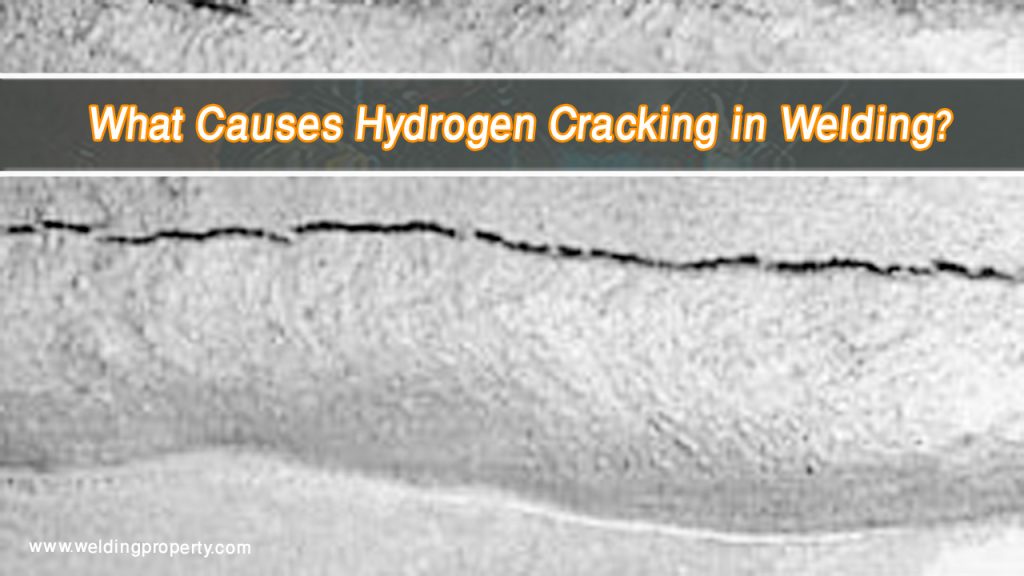
One of the biggest dangers of hydrogen in welding is hydrogen-induced cracking, sometimes called cold cracking. This type of cracking often occurs after the weld has cooled, sometimes hours or even days after welding. Understanding what it looks like and when it’s most likely to happen can help you take the right precautions.
Hydrogen cracking typically appears as small, sharp cracks near the heat-affected zone (HAZ) of the weld. They tend to form in high-stress areas or where the metal is particularly hard.
If you notice this type of cracking, it’s often an indication that hydrogen levels were too high or the cooling rate was too fast.
Working in Challenging Conditions: Cold or Humid Environments
Cold and humid conditions make it even more challenging to control hydrogen in welding. In cold weather, the metal cools quickly, trapping hydrogen before it can escape. In humid conditions, moisture can easily find its way into the weld area and increase hydrogen levels.
Tips for Cold Conditions
If you’re welding in the cold, preheating the material is even more important. You may also need to increase the preheat temperature and use post-weld heating to drive out any remaining hydrogen. Using a shelter or a heat lamp can also help keep the work area warm.
Tips for Humid Conditions
In humid environments, moisture control becomes crucial. Keep your electrodes dry and avoid leaving them out in the open. Consider using a low-hydrogen electrode and, if possible, conduct the welding in a sheltered area to minimize moisture exposure.
Summing It All Up
Controlling hydrogen in welding isn’t a one-size-fits-all task. It’s a combination of preparation, technique, and post-weld care that keeps hydrogen levels low and welds strong. Here are the main points to keep in mind:
Preparation is Key: Clean materials, dry electrodes, and proper preheating are your first line of defense.
Use the Right Electrode: Low-hydrogen electrodes are a great choice for minimizing hydrogen but require careful handling.
Optimize Welding Parameters: Adjusting heat input, maintaining a short arc length, and avoiding excessive weaving can reduce hydrogen.
Post-Weld Care: Techniques like hydrogen bake-out and controlled cooling help drive out residual hydrogen and reduce cracking risks.
Every weld is unique, so feel free to adjust these techniques to match your project’s specific needs. With some practice, you’ll get a feel for how to control hydrogen effectively in any welding situation. And that means stronger, more reliable welds for whatever you’re building.