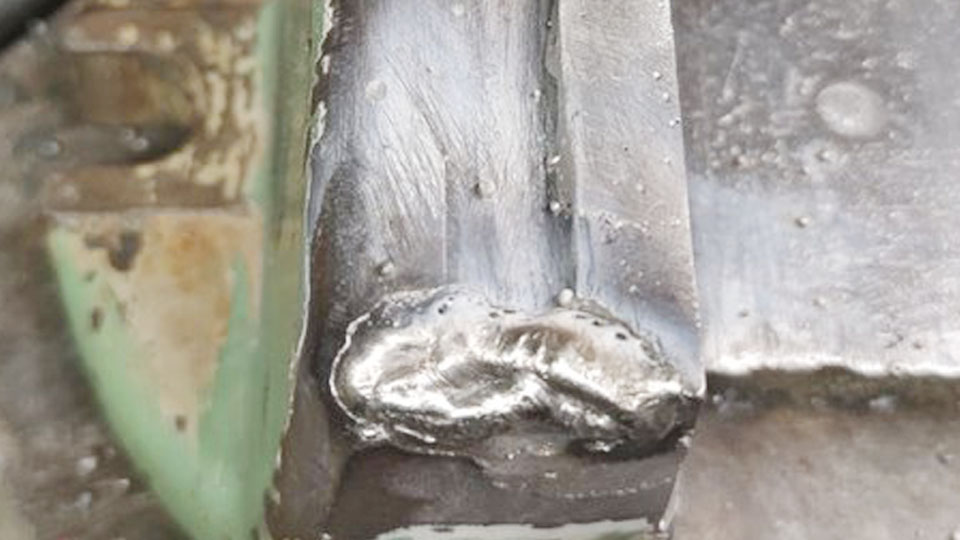
When I first heard about cold pressure welding, I thought it was some futuristic concept. After all, welding usually makes me think of intense heat, sparks flying, and molten metal. But cold pressure welding? It sounded like an oxymoron.
Once I got into it, I realized that this welding technique has been around for decades and is actually pretty fascinating.
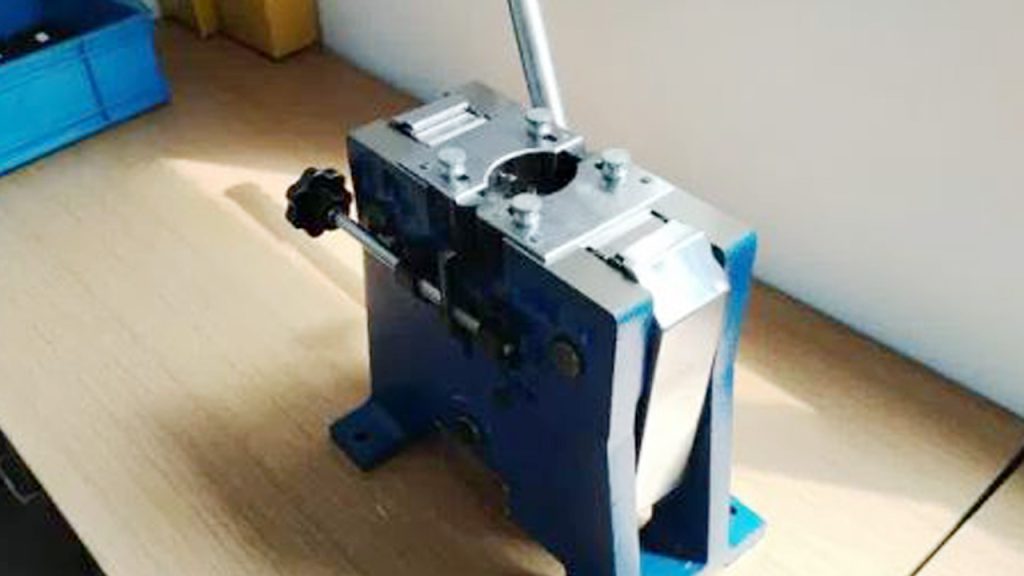
Image by wanwire.en.made-in-china
Cold Pressure Welding
Cold pressure welding, also referred to as cold welding, is a solid-state welding process that doesn’t require heat to join materials together. Sounds odd, right? But it’s true! Instead of using heat to melt the metals, cold welding relies on pressure to fuse them. You essentially take two clean metal surfaces, press them together with force, and—boom—they stick.
The process works by plastically deforming the materials under pressure. The surfaces are forced together so tightly that their atoms essentially bond, forming a solid weld without melting. It’s commonly used for soft, ductile metals like aluminum, copper, and some alloys.
How Does Cold Pressure Welding Work?
The beauty of cold pressure welding lies in its simplicity. The materials have to be incredibly clean. If there’s any oxide layer, dirt, or contamination on the surfaces, the metals won’t bond. The atoms need to be in direct contact with each other, and even the tiniest barrier can prevent the weld from forming.
Here’s how it works, step-by-step:
Surface Preparation
The most critical step in cold welding is cleaning the surfaces. The oxide layers need to be removed, which is usually done by mechanical cleaning or brushing. This ensures that the pure metal surfaces are exposed.
Pressure Application
Once the surfaces are clean, pressure is applied to the metals. The amount of force depends on the material type and thickness. The pressure causes plastic deformation of the materials at the interface, which forces the atoms of each material to bond.
Solid Bond Formation
Unlike traditional welding processes, no heat is involved. The bond forms due to atomic attraction, similar to how two pieces of clay might stick together when pressed with enough force.
Advantages of Cold Pressure Welding
Cold pressure welding offers a host of benefits. When I first started learning about it, I was surprised by how many industries rely on this technique. It’s especially useful in applications where heat could damage the materials or where precise control over the weld is needed.
No Heat Required
This is perhaps the most obvious advantage. Since cold pressure welding doesn’t rely on heat, it eliminates issues like thermal distortion or changes in the material properties. This is ideal for metals that are sensitive to heat or in environments where using high temperatures is impractical.
Strong Welds
Despite not using heat, cold pressure welding creates strong, solid joints. The welds can be as strong as the parent material, particularly with soft metals like aluminum and copper. This makes it perfect for applications that require both strength and durability.
No Filler Material Needed
Unlike other welding processes that require additional filler materials, cold pressure welding relies purely on the base metals. This makes it cost-effective, as you don’t need to worry about purchasing filler rods or wires.
Environmentally Friendly
Without the need for heat, there’s no energy-intensive heating process or harmful emissions. Cold pressure welding is a more eco-friendly welding option, which can be appealing for industries looking to reduce their carbon footprint.
Efficient and Precise
Because it’s a clean and straightforward process, cold pressure welding can be done relatively quickly, and it offers high precision. It’s frequently used in electronics and the aerospace industry, where precision and cleanliness are critical.
Disadvantages of Cold Pressure Welding
Like any technique, cold pressure welding does come with its downsides. While I appreciate its simplicity, it’s definitely not a one-size-fits-all solution.
Material Limitations
Cold pressure welding works best with ductile metals, meaning that harder, less flexible materials are more difficult, if not impossible, to cold weld. Metals like steel or titanium, which have a higher resistance to deformation, are not well-suited for this process.
Surface Preparation
Surface cleanliness is crucial for cold pressure welding. Even a small amount of contamination or oxidation can ruin the weld. This means extra time and effort are required to prepare the materials before welding, which could slow down production.
Pressure Requirements
Cold pressure welding requires significant force to press the metals together. For larger or thicker materials, this means using special equipment capable of applying the required pressure. Not every workshop will have the machinery needed for cold pressure welding.
Limited Applications
Because cold pressure welding relies on pressure rather than heat, its use is limited to specific applications. While it works great for ductile metals, it’s not the go-to process for harder metals or more complex welds that might require heat and filler materials.
Cold Pressure Welding vs Hot Welding
To better understand cold pressure welding, it helps to compare it to traditional hot welding processes. In traditional welding, heat is used to melt the metals, and filler materials are often required to complete the joint.
Here’s a comparison of cold pressure welding and hot welding:
| Aspect | Cold Pressure Welding | Hot Welding |
|---|---|---|
| Heat Requirement | No heat required | High heat required |
| Filler Material | No filler material | Often requires filler |
| Metals Used | Best for soft, ductile metals like aluminum | Works on a wide range of metals |
| Surface Preparation | Must be extremely clean, oxide-free | Cleanliness important, but less crucial |
| Equipment | Requires pressure equipment | Requires heat source (torch, arc, etc.) |
| Energy Efficiency | More energy-efficient, no heating needed | Requires more energy to generate heat |
Applications of Cold Pressure Welding
Despite its limitations, cold pressure welding is widely used in industries where heat-sensitive materials are involved or where precise, clean welds are needed. Here are some of the most common applications:
Electrical Connections
Cold pressure welding is often used to join electrical conductors, especially in the manufacturing of wires and cables. It’s a preferred method because it produces a strong joint without adding heat, which can affect the electrical properties of the material.
Aerospace Industry
In aerospace, weight and precision are critical, and cold pressure welding offers both. This method is used to join aluminum and other light metals that are commonly used in aircraft structures.
Medical Devices
For medical equipment, cleanliness and precision are essential. Cold pressure welding allows for clean, strong joints without the potential contamination or distortion caused by heat.
Joining Tubes
Cold pressure welding is also used to join tubes, especially in situations where using heat could warp or damage the material. This is commonly seen in industries such as HVAC, plumbing, and refrigeration.
Conclusion
Cold pressure welding may sound like a strange concept—welding without heat—but it’s actually an incredibly useful technique with a wide range of applications. From aerospace components to electrical connections, cold pressure welding offers a clean, strong, and environmentally friendly way to join metals.
If you’re working with soft, ductile materials and want to avoid the complexities of traditional welding, cold pressure welding might be just the solution you’re looking for.
If it’s the energy savings, precision, or lack of filler material that appeals to you, this technique offers a unique alternative to more conventional welding processes.
If you ever find yourself wondering how to join metals without the hassle of heat or filler, cold pressure welding could be the answer. The key to success is in the preparation—keep those surfaces clean, and you’ll have a solid, reliable weld!