When I first came across cold pressure welding, I have to admit it sounded a little strange. Welding, as I’d always thought of it, involved heat, sparks, and molten metal, so the idea of joining two pieces of metal without heat seemed almost impossible.
But, once I dove into the process and tried to understand it better, I realized it’s actually a fascinating and highly effective way to bond metals, especially softer ones like aluminum or copper. Let me walk you through how cold pressure welding works in a simple, straightforward way.

Image by Msweld, YT
What is Cold Pressure Welding?
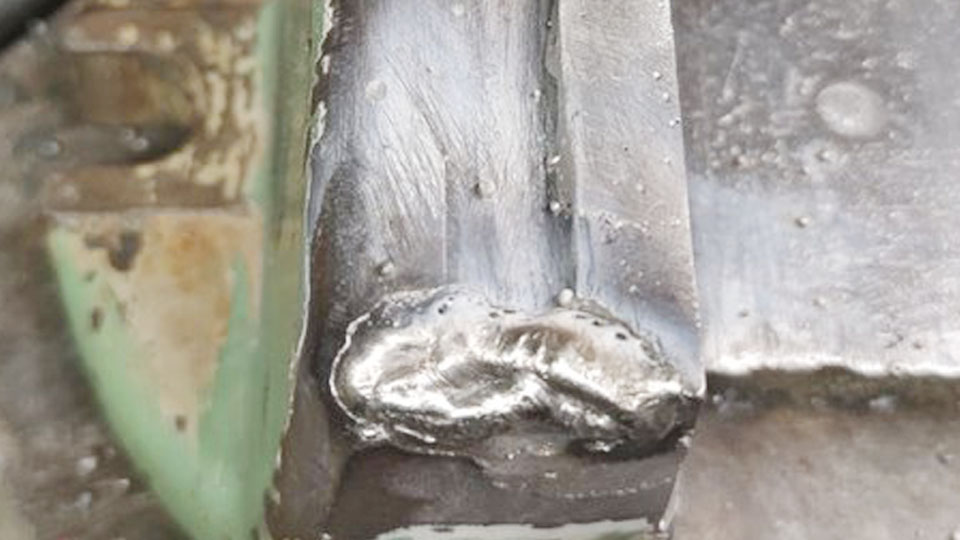
To put it simply, cold pressure welding is a method of joining two metal surfaces without the use of heat. This technique uses force or pressure to bond the metals together.
The key here is that the metal surfaces have to be very clean and free of oxides, dirt, or contaminants for the bond to form effectively. When these perfectly clean surfaces come into contact under high pressure, the atoms of each metal bond together, creating a solid and strong weld.
It’s a solid-state welding process, which means no melting or liquid state is involved—just pressure.
Why Cold Pressure Welding Works
The real magic behind cold pressure welding lies in the nature of metals. All metals have a layer of oxide or contamination on their surface. This layer acts like a barrier between the atoms of the metal.
Normally, we use heat to melt this surface layer, allowing the underlying pure metal to bond. However, cold pressure welding works differently.
When you press two clean metal surfaces together with enough pressure, it forces the atoms from both metals to intermingle, effectively removing the barrier and creating a bond. No heat is needed, just the power of mechanical force.
Steps in Cold Pressure Welding
Now, let’s get into how the actual process works. There are several important steps that need to be followed to achieve a successful cold weld. If any of these steps are done improperly, the bond might not form, or it could be weak.
Surface Preparation
One of the most critical aspects of cold pressure welding is surface preparation. For the welding process to be successful, the metal surfaces must be spotless. That means no oxides, dirt, oils, or contaminants can be on the surface.
The cleaning process usually involves mechanical cleaning, where abrasives like brushes or sandpaper are used to remove the outer oxide layer. In some cases, chemical cleaning methods may be used to get rid of stubborn contaminants.
Why is this so important? If the surfaces are not clean, the atoms of the two metals can’t come into close enough contact to form a bond. Even the tiniest oxide layer can act like a wall between the two surfaces, preventing a solid weld.
Application of Pressure
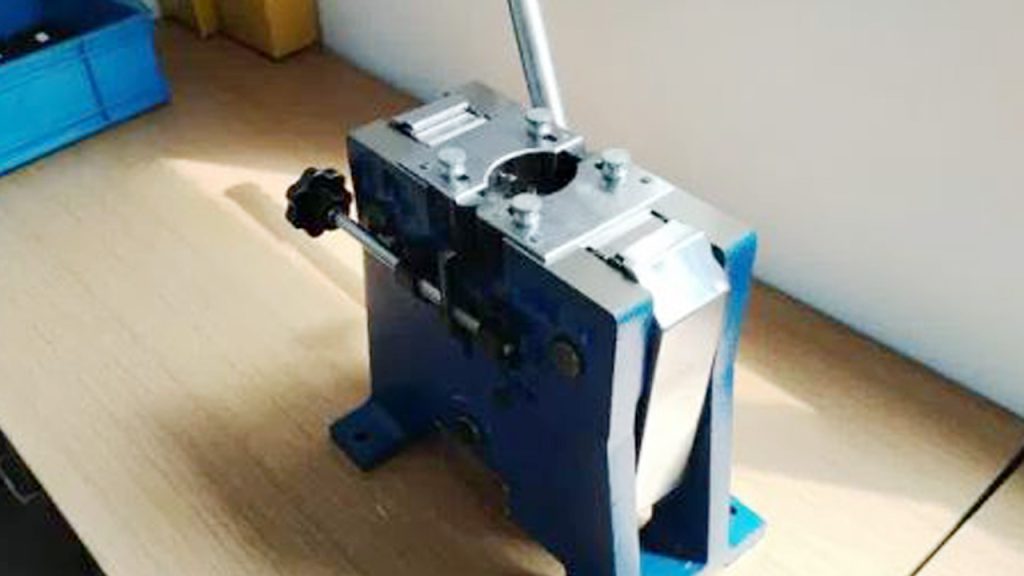
Once the surfaces are cleaned, the next step is applying pressure. This is where the “cold pressure” part comes in. A significant amount of force is applied to the metals, either manually or using specialized machinery, to push them together.
The pressure is essential because it causes plastic deformation of the metal surfaces. In simple terms, the metals are squished together so hard that their atoms bond. The amount of force needed depends on the type of metals being joined and their thickness. Softer metals like aluminum require less force compared to harder metals like steel.
Formation of the Weld
After the pressure is applied and the atoms intermingle, the two metals become one. The bond that forms can be incredibly strong, sometimes even as strong as the parent material itself.
What’s fascinating about cold pressure welding is that the weld zone doesn’t undergo the same changes as in heat-based welding processes. This means the properties of the metal remain largely unchanged, making it a great option for heat-sensitive materials.
Advantages of Cold Pressure Welding
So why would someone choose cold pressure welding over traditional welding techniques? Here are some key advantages:
No Heat Damage
One of the biggest advantages of cold pressure welding is that there’s no heat involved, so the metals don’t suffer from heat-related changes.
In traditional welding, high temperatures can cause warping, thermal stress, or changes in the microstructure of the metal. Cold welding avoids all of these problems, making it ideal for metals that are sensitive to heat.
Strong Joints
Even without heat, cold pressure welding creates strong joints, sometimes as strong as the base metals themselves. This makes it a great option for applications that require high-strength bonds.
No Filler Materials Needed
In traditional welding, you often need filler materials to help form the joint. Cold pressure welding, on the other hand, doesn’t require any additional materials. The bond is formed purely from the two metal surfaces.
Environmentally Friendly
Since there’s no need for high temperatures or energy-intensive equipment, cold pressure welding is a more energy-efficient and environmentally friendly process. It also doesn’t produce harmful emissions, which can be a concern with traditional welding methods.
Disadvantages of Cold Pressure Welding
While cold pressure welding has many benefits, it’s not without its downsides. Here are some challenges to consider:
Requires Clean Surfaces
As I mentioned earlier, surface cleanliness is critical. Any contamination or oxide layer will prevent a successful bond. This means that extra time and care must be taken to prepare the metal surfaces before welding.
Limited to Certain Metals
Cold pressure welding works best with soft, ductile metals like aluminum, copper, and gold. It’s not suitable for harder metals like steel or titanium because they’re more resistant to plastic deformation. This limits the types of materials that can be welded using this method.
High Pressure Requirements
In some cases, the amount of pressure needed to form the bond can be quite high, especially for thicker materials. This means you may need specialized equipment capable of generating enough force, which can be costly and may not be available in every workshop.
Cold Pressure Welding vs Traditional Welding
Here’s a quick comparison between cold pressure welding and traditional welding to help you understand the key differences:
| Aspect | Cold Pressure Welding | Traditional Welding |
|---|---|---|
| Heat Requirement | No heat needed | Requires high heat (often 1500°F+) |
| Filler Material | No filler material | Often requires filler materials |
| Surface Preparation | Must be extremely clean and oxide-free | Cleanliness is important, but less crucial |
| Metals Used | Best for soft metals like aluminum, copper | Works on a wide range of metals |
| Weld Strength | Strong, often as strong as base material | Varies depending on technique and materials |
| Energy Efficiency | More energy-efficient due to no heating | Requires significant energy for heating |
| Applications | Used in aerospace, electronics, electrical connections | Used in construction, automotive, fabrication |
Applications of Cold Pressure Welding
You might be wondering where cold pressure welding is most useful. It’s not as widely used as traditional welding methods, but there are specific industries and applications where it shines.
Aerospace Industry
Cold pressure welding is often used in the aerospace industry because of its ability to create strong joints without altering the material’s properties. Aircraft and spacecraft often use lightweight metals like aluminum, and cold welding is ideal for these materials.
Electrical Industry
In the electrical industry, cold pressure welding is commonly used to join conductors in wires and cables. Because it creates a clean, strong bond without altering the material’s conductivity, it’s perfect for this application.
Medical Devices
Precision is key in the medical field, and cold pressure welding allows for high-quality bonds in the production of medical devices, where contamination or material alteration could be problematic.
Metal Tube Joining
Cold pressure welding is also used to join metal tubes, particularly in the HVAC and plumbing industries, where it’s important to avoid heat that could warp or weaken the materials.
Conclusion
Cold pressure welding might not be as widely known as traditional welding methods, but it’s an impressive technique with unique advantages.
By relying on pressure rather than heat, it avoids many of the issues associated with high-temperature welding, such as thermal distortion and material degradation. It’s particularly useful for ductile metals like aluminum and copper, and its applications in industries like aerospace, electronics, and medical devices are a testament to its versatility.
If you ever find yourself needing to join metals without the hassle of heat or filler materials, cold pressure welding could be the perfect solution. Just remember, it all comes down to surface preparation and the right amount of pressure!