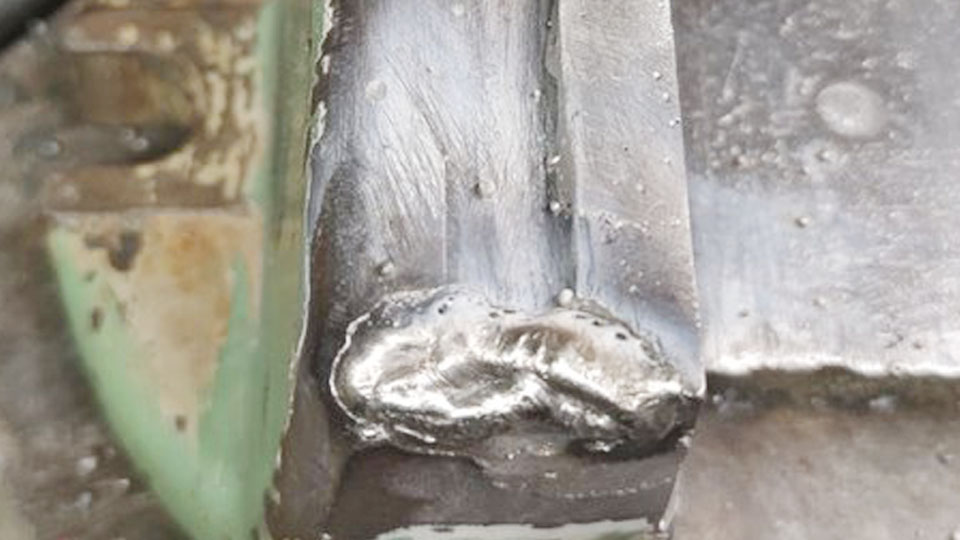
Cold welding is one of those fascinating processes that seems to defy the traditional concept of welding. When I first learned about it, I couldn’t believe that metals could be joined together without heat.
But it’s true, and cold welding has some impressive advantages, especially in certain industries and applications. Of course, like anything, it comes with its drawbacks too.

If you’ve been wondering about the pros and cons of cold welding and whether it’s the right method for your project, let me walk you through everything you need to know. By the end, you’ll have a clearer understanding of where cold welding shines and where it may not be the best option.
What is Cold Welding?
Before diving into the advantages and disadvantages, let’s quickly cover what cold welding is. Cold welding is a process where two metals are joined together without using heat.
Pressure is applied to bond the metals at an atomic level. To be successful, the surfaces of the metals need to be extremely clean and free of any oxide layers or contaminants.
When the metals are pressed together with enough force, the atoms of the materials bond, creating a solid weld. The lack of heat makes cold welding unique, and this process is most commonly used for softer metals like aluminum and copper.
Advantages of Cold Welding
Cold welding offers several benefits that make it an appealing choice for certain applications. Here are the key advantages that make it stand out.
No Heat Damage
One of the biggest advantages of cold welding is that there’s no risk of heat damage. In traditional welding methods, the high heat required can cause changes to the metal’s structure, leading to warping, distortion, or weakening of the material. This isn’t an issue with cold welding since no heat is involved.
If you’re working with materials that are sensitive to heat or can easily become damaged by high temperatures, cold welding is a great alternative. For example, metals like aluminum or copper are prone to heat-related damage, making cold welding a safer option.
Strong Bond for Similar Metals
Cold welding is particularly effective when joining similar metals, especially softer, ductile materials like aluminum, copper, and their alloys.
When done correctly, the bond formed in cold welding can be as strong as the original metal itself, which is impressive considering no melting occurs.
I’ve seen cold welding used in industries like electronics, where components need to be joined with minimal distortion, and the bond strength is critical. In these cases, cold welding delivers a strong and reliable bond without the downsides of heat-based methods.
Energy Efficient
Since cold welding doesn’t require an external heat source, it’s an incredibly energy-efficient process. There’s no need for the electricity or fuel typically used in other welding methods. This can result in significant cost savings, especially for large-scale operations where energy consumption is a concern.
If you’re looking for a more environmentally friendly welding process or just want to reduce energy costs, cold welding is worth considering. The only energy input comes from the pressure applied to the metals, so it’s much more efficient than traditional welding.
No Fumes or Sparks
Another major advantage of cold welding is the clean working environment it creates. Because no heat is used, there’s no risk of fumes, sparks, or slag that you would typically deal with in hot welding. This makes the process safer and less harmful to the environment and the workers.
In addition, cold welding doesn’t produce harmful gases, so there’s no need for specialized ventilation systems or protective gear to guard against toxic fumes. It’s a much cleaner and safer option, especially for indoor work or areas with limited ventilation.
No Post-Weld Cleanup
One of the things I appreciate about cold welding is the minimal cleanup required after the weld is complete. In hot welding methods, you often have to deal with slag, spatter, or heat distortion that requires additional grinding or polishing. Cold welding leaves no mess behind, saving time on post-weld finishing.
Disadvantages of Cold Welding
While cold welding has some impressive advantages, it’s not without its challenges. Here are the main disadvantages you should consider before choosing this method.
Requires Perfectly Clean Surfaces
One of the most significant drawbacks of cold welding is the need for perfectly clean and oxide-free surfaces. Even a tiny layer of oxidation or dirt can prevent the metals from bonding properly. This means surface preparation is critical, and it can be time-consuming.
Before attempting cold welding, the metal surfaces need to be cleaned meticulously, often using a combination of mechanical abrasion and chemical cleaning. This extra step can add to the overall time and cost of the process.
Limited to Similar Metals
Cold welding works best when joining similar metals, particularly those that are soft and ductile, like aluminum and copper. It’s not suitable for all types of metals, and it struggles with harder or brittle materials. If you need to join dissimilar metals or tougher materials, cold welding may not be the right option.
For projects that require the welding of dissimilar metals, traditional methods like arc welding or MIG welding might be a better choice.
Not Suitable for Thick Metals
Cold welding is most effective for thin, flat metals. The process relies on the pressure applied to the surfaces, and it becomes challenging to apply enough pressure for thicker materials. If you’re working with thick or large metal pieces, cold welding may not provide a strong enough bond.
In my experience, cold welding is better suited for small components or thin metal sheets. For larger or thicker materials, hot welding methods are typically more reliable.
Requires Specialized Equipment
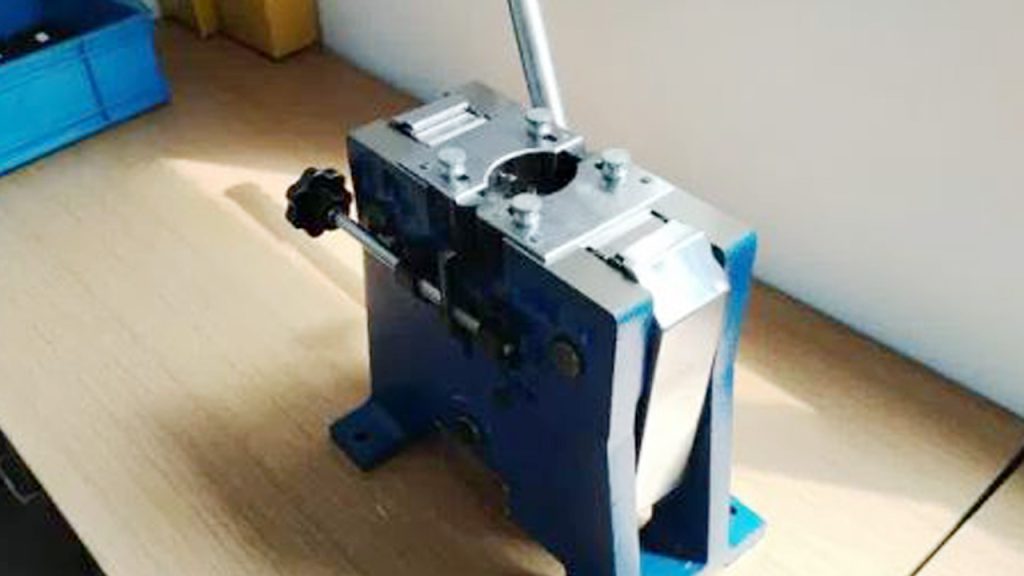
While cold welding doesn’t require the same level of energy or heat equipment as traditional welding, it does require specialized tools to apply the necessary pressure.
The equipment needed can vary depending on the size and thickness of the metals being joined. In some cases, this equipment can be expensive or difficult to obtain, especially if you’re working with larger components.
Limited Applications
While cold welding excels in specific industries like electronics, automotive, and aerospace, it has limited applications compared to traditional welding methods.
If your project requires joining metals in high-stress environments or involves dissimilar materials, you may need to consider other welding techniques.
Comparison of Cold Welding and Hot Welding
To help you better understand the differences between cold welding and traditional hot welding methods, here’s a simple comparison table:
| Feature | Cold Welding | Hot Welding |
|---|---|---|
| Heat Requirement | No heat required | Requires heat to melt the metals |
| Surface Preparation | Requires perfectly clean surfaces | More forgiving; can handle imperfections |
| Material Suitability | Works best with similar, soft metals | Can join a wide variety of metals |
| Thickness | Ideal for thin metals | Suitable for both thin and thick metals |
| Energy Efficiency | Highly energy-efficient | Requires significant energy |
| Post-Weld Cleanup | Minimal cleanup | May require grinding or polishing |
| Applications | Limited to specific industries | Widely used in many industries |
When to Use Cold Welding
Cold welding is ideal for certain scenarios where its advantages outweigh its limitations. Here are some instances when you might want to choose cold welding:
Electronics Manufacturing: Cold welding is commonly used in the electronics industry for bonding thin wires or creating strong, conductive joints without heat distortion.
Joining Aluminum and Copper: Cold welding excels at joining aluminum and copper, which are prone to heat damage in traditional welding methods.
Cleanroom Environments: Because cold welding produces no fumes or sparks, it’s an excellent choice for environments where cleanliness is essential, such as in aerospace or pharmaceutical manufacturing.
When to Avoid Cold Welding
On the other hand, cold welding might not be suitable in the following situations:
Thick or Hard Metals: If you’re working with thick metal components or harder materials like steel, cold welding may not provide the strength needed for the job.
Dissimilar Metals: Cold welding struggles with bonding dissimilar metals, so if your project involves different materials, you might want to explore other welding methods.
Surface Imperfections: Cold welding requires perfectly clean and oxide-free surfaces. If you can’t ensure pristine surface preparation, traditional welding methods might be more forgiving.
Final Thoughts
Cold welding is a fascinating and effective process, but like anything, it has its pros and cons. Personally, I think the idea of joining metals without heat is pretty cool, especially for industries where heat damage can be a big concern.
However, it’s not a one-size-fits-all solution. Cold welding shines when you need a strong bond between similar, soft metals, but it struggles with thick, hard, or dissimilar materials.
When deciding whether to use cold welding for your project, weigh the advantages—like energy efficiency and no heat damage—against the disadvantages, such as the need for meticulous surface preparation. Depending on your needs, cold welding could be the perfect solution or just not practical for your particular situation.
In my experience, it’s always helpful to understand both the strengths and limitations of a welding process before diving in. That way, you can ensure the best results for your specific project.