Hydrogen cracking is a problem that worries many welders, engineers, and factory owners. When you weld metals, sometimes cracks appear soon after the weld cools. These cracks are usually hidden inside the weld, and they can cause big failures later.
Hydrogen cracking is a silent enemy—it weakens structures, costs money, and even threatens safety. So, what causes hydrogen cracking in welding? Let’s explore the science, the mistakes, and the solutions. This article will help you understand the causes, spot early signs, and avoid costly mistakes.
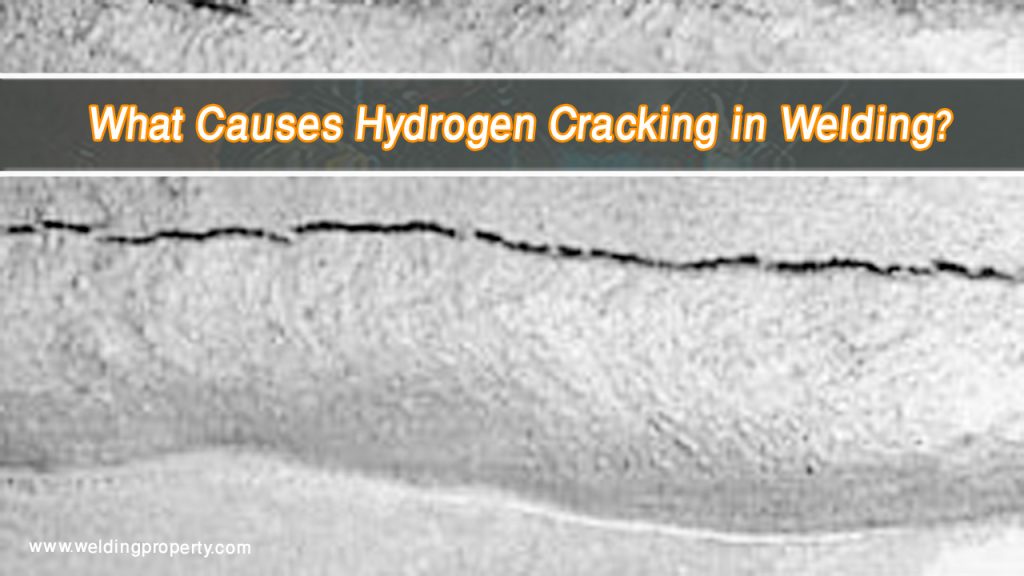
Image by researchgate
What Is Hydrogen Cracking In Welding?
Hydrogen cracking, also known as cold cracking, is a type of weld defect. It happens when hydrogen atoms enter the weld during welding and later form cracks as the weld cools.
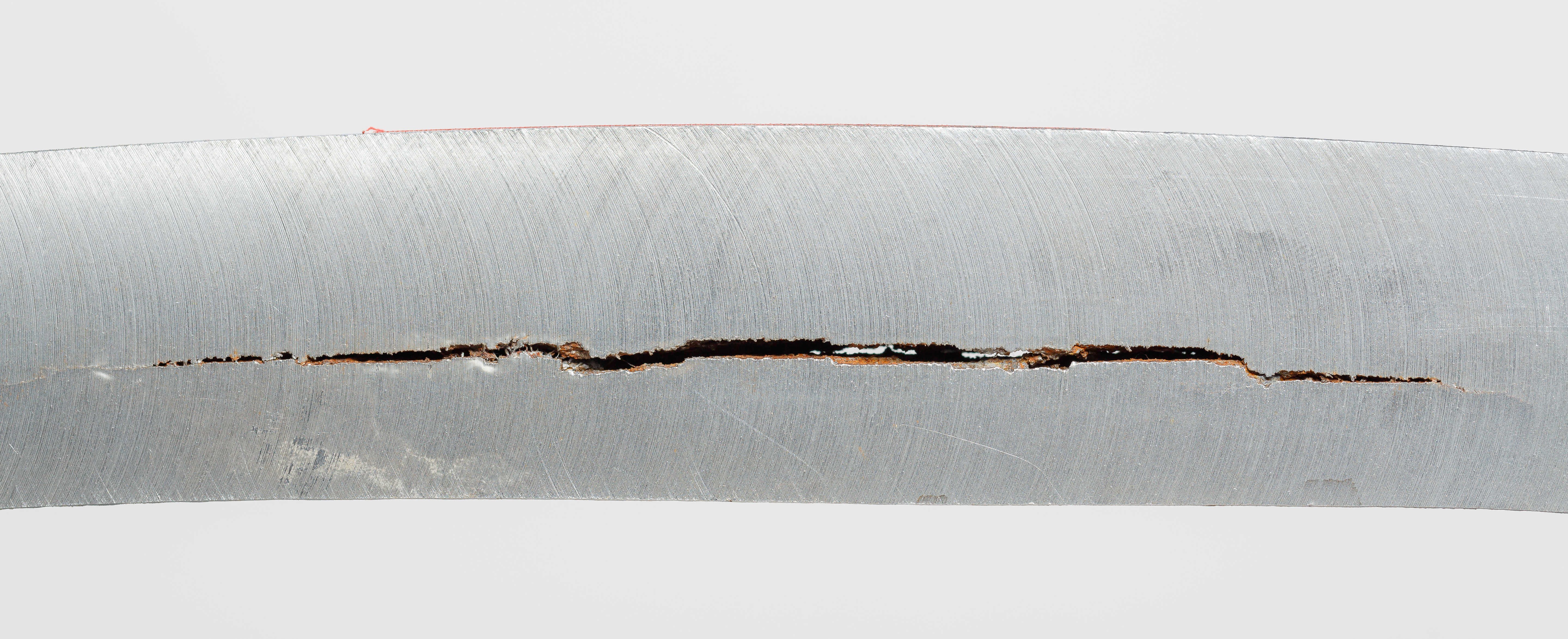
These cracks usually appear hours or days after welding, sometimes even weeks. The cracks are often hard to see with the naked eye, but they can make the weld weak.
Hydrogen cracking mostly affects high-strength steels, carbon steels, and sometimes low alloy steels. Stainless steel and aluminum are less affected. The cracks usually start inside the heat-affected zone (HAZ), right next to the weld metal.
Hydrogen cracks can cause sudden failures in bridges, pipelines, and pressure vessels. In most cases, the cracks run through the thickness of the metal, making them dangerous.
The Science Behind Hydrogen Cracking
When welding, the heat melts the metal and allows hydrogen atoms to enter. Hydrogen comes from moisture, oil, paint, or fluxes used during welding. At high temperatures, hydrogen dissolves in the molten metal. As the weld cools, the metal cannot hold much hydrogen, so it tries to push it out.
If the hydrogen cannot escape, it gets trapped and forms pressure inside the metal. This pressure can lead to cracks, especially if the metal is under stress.
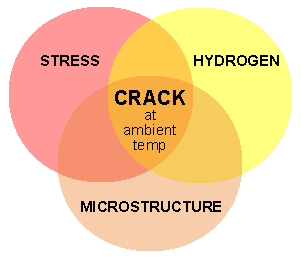
Three conditions must happen for hydrogen cracking:
- Source of hydrogen
- High stress in the weld
- Hard or brittle microstructure
If you remove any one of these, hydrogen cracking cannot happen.
Main Causes Of Hydrogen Cracking In Welding
Let’s look at the most important causes:
1. Presence Of Hydrogen
Hydrogen must be present for cracking to happen. Hydrogen comes from:
- Moisture in the welding rods or flux
- Water on the steel surface
- Oil, grease, or paint on the plate
- Contaminated shielding gas
- Humid air
Even a tiny amount of hydrogen can cause cracks. Studies show that levels as low as 2 parts per million can create problems in some steels.
2. High Weld Stress
Welding creates stress in the metal. When you heat and cool metal quickly, it shrinks and pulls. If the metal cannot relax, the stress stays trapped. High-stress areas are more likely to crack, especially near the weld toe or root. Stress can come from:
- Poor joint design
- Thick plates
- High restraint (fixed parts that cannot move)
- Fast cooling rates
For example, welding thick steel beams with no preheat can create high stress.
3. Brittle Microstructure
The microstructure of the weld metal and the heat-affected zone matters a lot. If the microstructure is hard and brittle (like martensite), it cannot bend or absorb hydrogen pressure. Brittle structures form when:
- The steel is high in carbon
- The weld cools quickly
- No preheat is used
If the weld is soft and ductile, it can absorb hydrogen without cracking.
4. Low Temperature During Cooling
Hydrogen cracking usually happens when the weld cools below 200°C (392°F). At this temperature, hydrogen cannot escape easily. The metal becomes harder and more brittle. Fast cooling makes the problem worse, especially in cold environments or thick plates.
5. Poor Welding Procedures
Bad welding practices can increase the risk. Common mistakes include:
- Using damp electrodes
- Not cleaning the plate before welding
- Skipping preheat steps
- Welding too quickly
- Using the wrong filler material
Many beginners miss the importance of electrode storage. Electrodes should be kept dry and warm.
6. High Carbon Or Alloy Content
Metals with high carbon or alloy levels are more sensitive to hydrogen cracking. High carbon makes the microstructure harder after welding. Low alloy steels with elements like chromium, molybdenum, and vanadium also increase hardness.
For example, AISI 4140 steel is much more sensitive than mild steel.
7. Thick Plate Size
Thick plates cool faster and trap more hydrogen. They also create higher stress because the weld cannot shrink easily. Plates thicker than 25 mm are much more likely to crack.
8. High Restraint
When the welded parts cannot move or flex, stress builds up. This is called high restraint. Joints in large structures, like bridges or pressure vessels, are often restrained. High restraint makes cracking more likely.
9. Contaminated Shielding Gas
For welding processes like MIG or TIG, the shielding gas must be pure. Moisture or contamination in the gas can add hydrogen to the weld. If the gas bottle is old or stored incorrectly, it can cause problems.
10. Welding In Humid Conditions
Humidity adds moisture to the weld area. If the air is humid, the plate surface can hold water. The electrodes can absorb moisture from the air. This hidden water is a major source of hydrogen.
11. Improper Preheat Or Postheat
Preheating the plate before welding helps drive out moisture and slows cooling. If preheat is skipped or not done correctly, hydrogen cracking is more likely. Postheat treatments help hydrogen escape after welding.
12. Incorrect Filler Material
Some filler materials are more sensitive to hydrogen than others. Using a filler with high carbon or alloy content can make cracks worse. Using low hydrogen electrodes (like E7018) reduces risk.
13. Fast Cooling Rates
Fast cooling rates create a hard microstructure and trap hydrogen. Cooling rates depend on plate thickness, ambient temperature, and welding speed. If the plate cools too quickly, cracks form.
14. Lack Of Ventilation
Poor ventilation can trap moisture and fumes near the weld. This increases hydrogen risk. Good ventilation is needed, especially in closed spaces.
15. Poor Surface Preparation
Dirty plates with oil, rust, paint, or scale add hydrogen to the weld. Cleaning the plate is vital. Many welders skip this step, but it is one of the main causes of cracks.
How Hydrogen Cracking Develops: Step-by-step Example
Let’s follow a real-world example. Suppose you weld a thick carbon steel plate using a damp electrode, no preheat, and fast cooling.
- The damp electrode adds hydrogen to the weld pool.
- Fast cooling creates a hard and brittle microstructure.
- The thick plate creates high stress and traps hydrogen.
- Hydrogen atoms cannot escape as the weld cools below 200°C.
- The pressure builds up inside the weld and the HAZ.
- Cracks appear a few hours later, often hidden inside the plate.
This sequence is common in field welding jobs, especially when welders are in a hurry or skip steps.
Types Of Hydrogen Cracks
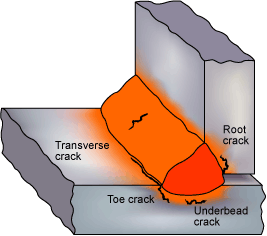
Hydrogen cracks are not all the same. They can appear in different places:
- Weld Metal Cracks: Inside the weld bead.
- Heat-Affected Zone Cracks: Just outside the weld, in the base metal.
- Fusion Line Cracks: At the line where weld metal and base metal meet.
Most hydrogen cracks are long and thin, running parallel to the weld. They can be surface cracks or hidden deep inside.
Spotting Hydrogen Cracking: Signs And Testing
Hydrogen cracks are hard to spot with the naked eye. Here are some ways to find them:
- Ultrasonic Testing: Sends sound waves into the weld to find cracks.
- Magnetic Particle Testing: Uses magnetic fields and iron powder to show cracks.
- Radiography (X-ray): Shows cracks inside thick plates.
- Visual Inspection: Sometimes cracks appear as thin lines or rust marks.
Early signs include:
- Sudden failure of welds
- Welds that break under low load
- Visible cracks near the weld toe
- Rust forming on the crack line
Credit: www.twi-global.com
Statistics And Data On Hydrogen Cracking
Hydrogen cracking is a leading cause of weld failures in heavy industry. According to studies:
- About 25% of weld failures in pipelines are due to hydrogen cracking.
- In shipbuilding, hydrogen cracking causes over 15% of costly repairs.
- Low hydrogen electrodes (like E7018) can reduce cracking risk by 90% compared to basic electrodes.
The cost of repairs can be high. For example, fixing hydrogen cracks in a pipeline can cost $50,000 to $100,000 per weld.
Factors Influencing Hydrogen Cracking Risk
Not all welds crack in the same way. Several factors change the risk:
| Factor | High Risk | Low Risk |
|---|---|---|
| Steel Type | High-strength steel | Mild steel |
| Plate Thickness | Over 25 mm | Under 10 mm |
| Welding Method | Manual arc, flux-cored | SAW, MIG with pure gas |
| Preheat | No preheat | Preheat used |
| Electrode Type | Basic, damp | Low hydrogen, dry |
Common Mistakes Leading To Hydrogen Cracking
Many welders make simple mistakes that increase risk:
- Using electrodes straight from the box without drying
- Welding on dirty or rusty plates
- Ignoring preheat instructions
- Welding too quickly or in cold weather
- Not checking for cracks after welding
One non-obvious insight: Even touching the weld area with sweaty hands can add moisture and hydrogen.
How To Prevent Hydrogen Cracking
Prevention is better than cure. Here are the most effective ways:
1. Use Low Hydrogen Electrodes
Low hydrogen electrodes, like E7018, produce less hydrogen. Store them in warm, dry ovens at 100–150°C.
2. Clean The Plate Thoroughly
Remove oil, paint, rust, and scale before welding. Use wire brushes, grinders, or solvents. Even small traces can cause cracks.
3. Preheat The Plate
Preheat drives out moisture and slows cooling. Typical preheat temperatures are 100–300°C, depending on steel type. Use thermometers to check.
4. Control Cooling Rate
Let the weld cool slowly. Use blankets or insulation for thick plates. Avoid welding outside in cold weather.
5. Use Correct Filler Material
Choose filler material matched to the steel type. Avoid high carbon or alloy fillers unless needed.
6. Improve Joint Design
Design joints to reduce stress and restraint. Avoid sharp corners and tight fits.
7. Check Shielding Gas Quality
For MIG/TIG, use pure gas and clean hoses. Store gas bottles upright and check for leaks.
8. Good Ventilation
Ventilate the welding area to remove moisture and fumes.
9. Follow Welding Procedures
Write and follow welding procedure specifications (WPS). Stick to recommended settings and steps.
10. Postheat Treatment
Heat the weld after welding to let hydrogen escape. Typical postheat is 250–350°C for 1–4 hours.
Comparison: Low Hydrogen Electrodes Vs Basic Electrodes
Here’s a quick comparison:
| Electrode Type | Hydrogen Content | Cracking Risk | Storage Needs |
|---|---|---|---|
| Low Hydrogen (E7018) | Under 4 ml/100g | Low | Dry oven, 100–150°C |
| Basic (E6013) | 10–15 ml/100g | High | Room temp, less strict |
Comparison: Preheat Temperatures For Different Steels
Here are typical preheat temperatures:
| Steel Type | Carbon Content | Preheat Temp (°C) |
|---|---|---|
| Mild Steel | 0.15% | 50–100 |
| Low Alloy Steel | 0.25–0.40% | 100–200 |
| High Strength Steel | Over 0.40% | 200–300 |
Credit: www.twi-global.com
Real-world Example: Pipeline Welding
In a large pipeline project, welders faced cracking problems. The steel was high strength, plates were 30 mm thick, and the climate was cold. After several failures, engineers changed procedures:
- Switched to low hydrogen electrodes
- Preheated plates to 250°C
- Cleaned plates with solvents
- Checked shielding gas purity
Cracking rates dropped from 18% to under 2%. This shows that prevention works.
Advanced Solutions And Industry Practices
Some industries use advanced methods:
- Hydrogen analyzers test welds for hydrogen content.
- Vacuum drying removes moisture from electrodes.
- Weld simulation software predicts cracking risk.
- Strict welding codes (like AWS D1.1) require low hydrogen procedures.
In nuclear and oil industries, welds must be tested and certified. Some companies use X-ray testing for every critical weld.
Two Insights Most Beginners Miss
- Electrode storage is vital: Many beginners think electrodes are ready to use. But even a few hours in humid air can ruin them.
- Preheat is not just for thick plates: Even thinner plates can benefit from preheat in cold or humid conditions.
Credit: en.wikipedia.org
Wrapping Up
Welding is both an art and a science. Understanding hydrogen cracking helps you make safer, stronger welds and avoid costly mistakes. Whether you’re a beginner or a pro, follow the right steps and stay alert for signs of trouble. The best welds are not just strong—they are free from hidden dangers like hydrogen cracking.
Frequently Asked Questions
What Is Hydrogen Cracking In Welding?
Hydrogen cracking is a weld defect caused by hydrogen atoms trapped in the weld, leading to cracks hours or days after welding. It is common in high-strength and carbon steels.
How Can I Prevent Hydrogen Cracking?
You can prevent cracking by using low hydrogen electrodes, cleaning the plate, preheating, and controlling cooling rates. Good welding procedures are key.
What Steels Are Most Sensitive To Hydrogen Cracking?
High-strength steels and steels with high carbon content are most sensitive. Mild steels are less affected.
Can Hydrogen Cracks Be Repaired?
Yes, but repairs need careful grinding out of cracks, rewelding with low hydrogen procedures, and sometimes postheat treatment.
Why Do Cracks Sometimes Appear Days After Welding?
Hydrogen cracks form as hydrogen atoms move inside the weld and build pressure. This process can take hours or even days, especially in thick plates.