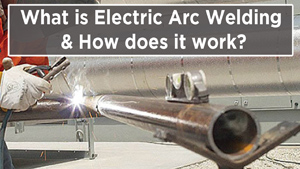
If you’re curious about carbon arc welding, you’re in the right place. Having used different welding techniques, I can tell you that carbon arc welding (CAW) offers a unique approach.

Image by theengineeringchoice
It’s one of the earliest welding methods and remains an effective way to join and cut metals. Let’s dive into how carbon arc welding works, the steps involved, and what makes it different from other welding types.
If you’re a beginner or an experienced welder looking to learn more, this guide should give you a solid understanding of the CAW process.
What is Carbon Arc Welding?
Carbon arc welding is an electric welding method that uses an arc generated between a carbon electrode and the metal workpiece. This arc creates the heat necessary to melt and fuse the metals.
Unlike other methods that use metal electrodes or filler materials, CAW employs a non-consumable carbon electrode. This allows for precise control, making CAW an ideal choice for working with thinner metals.
Basics of Carbon Arc Welding: How It Works
In simple terms, carbon arc welding creates an electric arc between a carbon electrode and the metal surface, heating the metal to its melting point. The electrode doesn’t melt; instead, it forms a high-temperature arc that fuses the metals.
Here’s a step-by-step breakdown of the process:
Set Up the Carbon Electrode: The welder places a carbon or graphite electrode in the holder, positioning it near the metal piece.
Start the Arc: By bringing the electrode close to the metal and activating the power source, an electric arc is created.
Control the Arc: The welder adjusts the length of the arc to control the heat output, focusing the energy on the specific area to be welded.
Welding or Cutting: Depending on the desired outcome, the welder can either join metals or use CAW as a cutting technique by controlling the arc length and angle.
Key Components of Carbon Arc Welding
To get a clear picture of how carbon arc welding works, let’s break down the main components involved:
Power Source
A reliable DC (direct current) power source is essential for CAW. The direct current ensures a steady, consistent arc that can sustain high temperatures. CAW usually works best with DC because it provides better arc stability and control, making it easier to work with various metals.
Carbon Electrode
The carbon or graphite electrode is a vital part of this welding process. Carbon has a very high melting point, which allows it to conduct the arc heat without melting itself. However, carbon electrodes do wear down over time, so they require replacement as part of regular maintenance.
The Workpiece
Carbon arc welding is well-suited to thin metals, including mild steel, stainless steel, aluminum, and copper. Because the heat is easier to control in CAW, it’s a preferred method when you want to avoid warping or distorting the metal. This makes CAW ideal for sheet metal and other delicate materials.
Types of Carbon Arc Welding Techniques
Now that we’ve covered the basics, it’s helpful to know that CAW can be performed in a few different ways, each with unique advantages. Here are the main types:
Single-Carbon Arc Welding
This is the simplest form of CAW, where a single carbon electrode is used to create the arc. It’s an ideal choice for basic repairs and small projects, especially when working with thin metals. The single-carbon arc method is also the easiest to set up, making it accessible for beginners.
Twin-Carbon Arc Welding
In this technique, two carbon electrodes are positioned close to each other, creating an arc between them. This setup allows for a more even heat distribution across the workpiece, reducing the chance of overheating a specific area. Twin-carbon arc welding is commonly used for sheet metal work, where even heat distribution is important.
Shielded Carbon Arc Welding
When working with reactive metals that are prone to oxidation, you might want to use shielding gas in CAW. Shielded carbon arc welding uses gases like argon or carbon dioxide to protect the weld from contaminants.
This shielding prevents oxidation and produces a cleaner weld, which is essential for projects requiring high-quality results.
Step-by-Step Guide to Carbon Arc Welding
- Choose Your Electrode and Power Source: For basic CAW, you’ll need a carbon or graphite electrode and a DC power source.
- Prepare the Workpiece: Ensure the metal surface is clean and free of rust, oils, or contaminants.
- Set the Arc Length: Start with a short arc length to initiate the weld, and adjust as necessary to control the heat.
- Apply the Weld: Use steady, controlled movements to guide the arc along the joint. You may need to add filler metal if you want a thicker weld.
- Inspect the Weld: Once completed, let the weld cool naturally, and check for any cracks or weak spots.
Advantages of Carbon Arc Welding
CAW has a few distinct benefits, particularly in applications where precision is needed. Here’s why it’s still a valuable welding method today:
- Cost-Effective: CAW doesn’t require expensive filler metals or shielding gases, so it’s often more affordable.
- Control over Heat: Since you can adjust the arc length, it’s easier to manage heat output, reducing the risk of metal warping.
- Versatile for Thin Metals: CAW works very well on thin metals without the risk of excessive distortion.
- Minimal Equipment: You don’t need a complex setup to start carbon arc welding, which makes it accessible for various skill levels.
Limitations of Carbon Arc Welding
Of course, CAW isn’t without its limitations:
Not Ideal for Thick Metals: The heat generated in CAW is suitable for thinner materials, so it’s not the best option for heavy-duty applications.
Carbon Electrode Wear: Carbon electrodes gradually wear down and need replacing, which can interrupt the workflow.
Requires Skill to Master: Although CAW can be simpler than some other techniques, mastering arc control takes practice.
Comparing Carbon Arc Welding to Other Welding Methods
It’s easier to understand CAW when you see it alongside other common welding techniques. Here’s a comparison to highlight where carbon arc welding fits in:
| Welding Type | Carbon Arc Welding (CAW) | Shielded Metal Arc Welding (SMAW) | Gas Tungsten Arc Welding (GTAW) |
|---|---|---|---|
| Electrode | Carbon/Graphite | Consumable Metal | Non-consumable Tungsten |
| Heat Control | Good for Thin Metals | Moderate | Excellent |
| Metal Thickness | Thin | Medium | Thin to Medium |
| Shielding | Optional | Flux Coating | Shielding Gas |
| Typical Use Cases | HVAC, Sheet Metal | Construction, Repairs | Precision Welding |
Applications of Carbon Arc Welding
Because of its versatility, CAW is often used in:
- HVAC Repair: Ideal for thin metals commonly used in HVAC systems, where precision is required.
- Sheet Metal Fabrication: CAW’s heat control makes it a good choice for sheet metal work.
- Automotive Repair: Often used in body shops for repairs to thin metal components.
Practical Tips for Carbon Arc Welding Success
Getting started with CAW can be smooth if you follow a few basic tips:
Master Arc Length: Proper arc length is key to effective heat control. Practice adjusting it to get comfortable with different materials.
Use the Right Electrode: Make sure you’re using a carbon electrode that’s appropriate for your power source and the thickness of your metal.
Keep the Workspace Clean: A clean workpiece is essential for a strong weld, so always remove any dirt, rust, or oils before you start welding.
Safety Considerations in Carbon Arc Welding
Carbon arc welding requires the usual welding safety precautions, with a few additional considerations:
- Eye Protection: The arc is bright and can damage your eyes, so always wear a welding helmet.
- Ventilation: CAW can produce toxic fumes, especially when working with certain metals, so ensure proper ventilation.
- Fire Safety: Have a fire extinguisher on hand and keep flammable materials clear of the welding area.
Final Thoughts
Carbon arc welding offers a straightforward, reliable way to work with thinner metals. Its precision, affordability, and ease of use make it an attractive option, especially if you’re focused on HVAC, automotive repair, or sheet metal work.
For thicker materials, you might find another welding technique more suitable, but if you’re working with lightweight metals, CAW could be a great fit.
In the end, CAW provides a balance between simplicity and control that’s hard to beat. With a bit of practice, you can master this technique and use it confidently in various projects. Hopefully, this guide has shed light on what carbon arc welding involves and how it could benefit your work.