
Pouring molten lead into a poorly made mold can go wrong faster than most beginners expect. If the mold surface isn’t smooth, the dimensions are off, or the material can’t handle heat properly, you end up with rough casts, trapped air pockets, or parts that don’t come out clean.
That’s why learning How to Make Lead Molds the right way matters before starting any casting project.
A good mold does more than shape molten lead—it controls consistency, improves safety, and saves a lot of frustration during repeated pours.
I’ve seen simple homemade molds produce excellent results when the layout, venting, and heat resistance were planned properly, while rushed setups often failed after only a few uses.
Whether you’re making fishing sinkers, small workshop parts, or custom casting pieces, understanding the basics can make the whole process smoother and safer.
I’ll walk through practical mold-making methods, common mistakes to avoid, and the key steps that help create cleaner and more reliable lead casts at home.
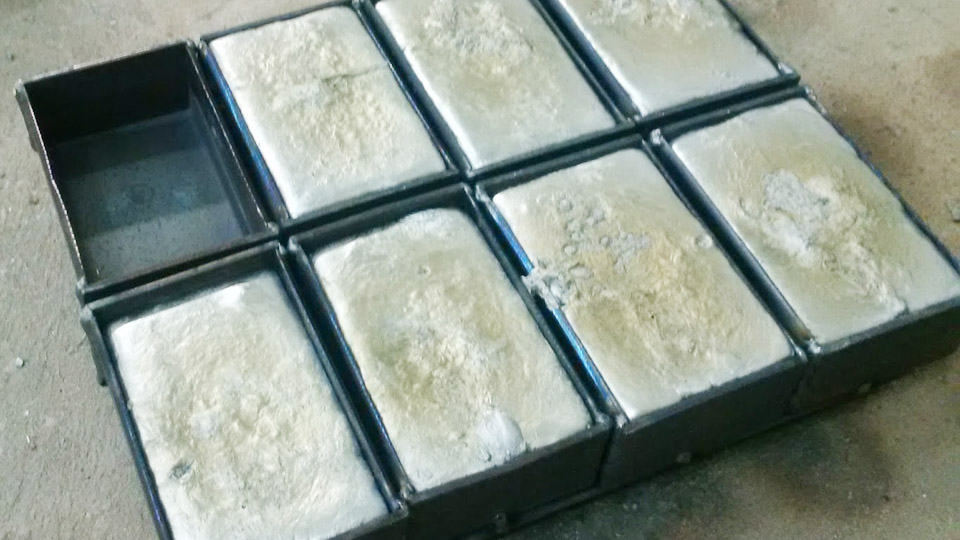
Image by chris-eigenheer
Why Make Your Own Lead Molds?
Commercial molds work fine for high-volume production, but they can be expensive and limited in size or shape. Fabricating your own gives you control over dimensions, cavity count, and material thickness tailored to your needs.
In a welding or fabrication shop, you’ll often have leftover angle iron, plate, or tubing. Turning that scrap into a functional mold beats letting it sit in the corner. Plus, you avoid distortion issues from uneven cooling and get better heat retention with thicker steel designs.
Safety always comes first with lead. Molten lead sits around 620–650°F, but fumes become a real concern above that. Work outdoors or with excellent cross-ventilation that pulls fumes away from you. Wear a proper respirator rated for particulates, gloves, and long sleeves.
Never eat, drink, or smoke in the area, and wash up thoroughly afterward. Keep kids and pets away. These aren’t suggestions—they’re non-negotiable if you want to stay healthy.
Choosing Materials for Durable Lead Molds
Steel is my go-to for most ingot and larger molds. Mild steel angle iron (1/4″ thick or better) or square tubing holds up well, retains heat nicely, and welds easily.
Aluminum works great for bullet-style molds because it’s easier to machine cavities into, but it requires more precision work and won’t take the abuse of a heavy steel weldment.
For quick one-off or prototype molds, high-temp silicone putty or RTV can capture fine details from masters, but these aren’t for high-volume or very hot pours without care. Wood or even sand can work for temporary jobs, but steel is king for repeatable shop use.
Avoid thin sheet metal—it warps easily. Thicker material (1/4″+) gives better results and lasts longer.
How to Build a Simple Welded Steel Ingot Mold
This is the most practical starting project for welders. It turns scrap into clean ingots for later remelting.
What it is and how it works: A basic open-top trough or multi-cavity mold made from angle iron or channel with welded end caps. Molten lead pours in, cools uniformly, and shrinks slightly for easy release.
When and why to use it: Perfect for recycling wheel weights, range scrap, or old batteries into manageable ingots. Use when you need bulk lead for future casting or ballast.
Step-by-step build:
- Gather materials: 1/4″ angle iron (e.g., 2-3″ legs), flat plate for ends, scrap for handles.
- Cut pieces to length. For a 4-6 cavity mold, aim for 12-20″ long sections.
- Tack everything together first—corners and seams. This prevents pulling as you weld. I learned this the hard way on an early build where the ends bowed.
- Weld the seams fully for a watertight (lead-tight) joint. Use 7018 or flux-core for mild steel. Keep heat input moderate to minimize distortion—skip weld if needed.
- Grind smooth inside if desired, but a slight draft (taper) helps release. Some guys coat the inside with high-temp paint or moly lube for easier ejection.
- Add handles from rebar or rod for safe handling when hot.
Test with a small pour first. Preheat the mold with a torch to reduce thermal shock and get better fill.
Practical tips: Lean the mold against your melting pot to keep it warm between pours. Have two molds so one cools while you fill the other. Expect 8-10 minutes set time for a decent-sized ingot.
Advanced Options: Multi-Cavity and Custom Shapes
For more cavities, weld parallel angles or channels side-by-side onto a base plate. Create V-bottoms or pyramid shapes by adjusting angles for easier release.
For fishing sinkers or simple weights, you can weld frames and use sand or investment for details, but machined aluminum blocks are better for precision.
If you’re set up for machining, aluminum 6061 blocks can be milled with ball end mills for bullet cavities, then aligned with pins. Welding isn’t central here, but you might TIG aluminum components or repair cracks.
Silicone and Putty Molds for Custom Lead Parts
Not everything needs welding. For one-off custom lures or odd shapes:
- Use two-part mold putty. Mix equal parts, form around your master, and let cure (often under 10 minutes).
- Press the master in to create the impression.
- These handle lead pours surprisingly well for low-volume work and capture fine details like screw threads for attachable weights.
Pros and cons comparison:
Welded Steel Ingot Molds
- Pros: Cheap with scrap, very durable, good heat retention, scalable.
- Cons: Limited detail, heavier, requires welding setup.
Machined Aluminum Bullet Molds
- Pros: Precise cavities, lightweight, excellent release with proper prep.
- Cons: Needs mill/lathe, higher initial time investment.
Silicone/Putty
- Pros: Fast, captures fine detail, inexpensive for prototypes.
- Cons: Shorter life with repeated hot pours, less precise for large items.
Melting and Pouring Lead: Shop-Tested Techniques
Use a dedicated lead pot or cast iron skillet on a propane burner. Old wheel weights or pure lead work well—add tin or antimony for hardness if casting bullets.
Preheat molds to around 200-300°F. This prevents cold shuts and improves flow. Pour steadily from a ladle or bottom-pour pot.
Common beginner mistake: Pouring into a cold mold. It causes uneven cooling, voids, or the lead sticking badly.
Pro mistake: Overheating the lead way above melting point. This increases dross and fumes. Keep it just molten.
For release, a light coat of candle soot, boron nitride spray, or even graphite works. Experiment on your setup.
Joint Prep, Settings, and Filler Notes for Mold Fabrication
When welding your steel mold:
- Clean thoroughly—grind off mill scale, rust, oil.
- For mild steel, 1/8″ 7018 rods at 90-130 amps (depending on machine and thickness) or .035″ flux core.
- SMAW or MIG both work fine in most shops.
- Maintain good penetration without excessive heat to avoid warping thin sections.
- Post-weld, check for leaks with a small test pour.
If modifying aluminum molds, TIG with 4043 filler is standard, but preheat and control heat carefully to prevent cracking.
Common Mistakes and How to Avoid Them
- Skipping tacks: Welds pull and crack seams.
- No draft/taper: Ingots lock in tight.
- Poor ventilation: Cumulative exposure adds up.
- Rushing cooling: Quenching can cause cracks in the casting or stress the mold.
- Using dirty scrap: Impurities cause porosity and weak castings.
Always have a fire extinguisher rated for metal fires nearby, though lead itself isn’t highly flammable.
Scaling Up: Repairing and Maintaining Molds
Weld repairs on damaged steel molds are straightforward. Grind out cracks, preheat if thick, and reweld. For aluminum, it’s trickier—use proper technique and maybe post-weld heat treatment for molds.
Keep molds clean and oiled when stored to prevent rust.
Real-World Applications in the Shop
I’ve used homemade ingot molds to recycle lead for counterweights on fabrication jigs and custom fishing gear for side jobs. One fabricator friend built a large channel mold for ship ballast pours—simple welded construction that paid for itself immediately.
In automotive or marine repair, custom lead weights or fillers still have their place, and a good mold makes the job cleaner.
Key Takeaways for Better Lead Casting
You now know how to turn shop scrap and basic welding into reliable molds, select materials, manage heat, and stay safe. Focus on sturdy construction, proper preheating, and consistent technique. Start simple with a welded angle iron ingot mold, then expand to what your projects demand.
One pro-level tip I’d give any welder getting into this: Always make your molds slightly oversized in the cavities and machine or grind a small draft angle. It saves frustration on stubborn releases and keeps your pours looking professional every time.
FAQ
How thick should steel be for a welded lead ingot mold?
Quarter-inch or thicker angle or plate is ideal. Thinner warps from the heat cycles. It also holds heat better for smoother pours.
Can I weld aluminum for bullet molds?
Yes, but machining cavities is usually the bigger challenge. TIG aluminum repairs or fabrications work with 4043 filler and careful heat control. Most hobby bullet molds are machined from solid blocks rather than welded.
What’s the safest way to melt lead at home or in the shop?
Outdoors with good wind flow carrying fumes away. Use a dedicated pot, wear PPE, and avoid overheating. Never use kitchen tools or work near living areas.
Why do my lead castings stick in the mold?
Cold mold, no draft, or lack of release agent. Preheat properly and add a light soot or commercial release coating.
Do silicone molds really work for lead?
They do for smaller, lower-volume pours and custom shapes. High-temp RTV or mold putty handles the heat surprisingly well but won’t last as long as metal for hundreds of pours. Great for prototypes.


