Running out of propane halfway through a heating job or backyard project is frustrating enough, but refilling a tank the wrong way can be downright dangerous.
A 20-pound propane cylinder may look simple on the outside, yet pressure, temperature, and fill limits all matter more than most people realize.
That’s exactly why learning How to Fill a 20 Pound Propane Tank properly is so important before attempting it yourself.
A lot of people assume you can just connect the tank, pump propane in, and call it good. In reality, overfilling, damaged valves, or poor connections can lead to leaks, wasted fuel, or serious safety risks.
I’ve seen tanks frost over, valves stick, and gauges give misleading readings when the filling process wasn’t handled carefully.
That’s why this guide matters for anyone using propane around the home, garage, or workshop. I’ll walk you through the correct filling process, the safety checks that actually matter, and the common mistakes that can turn a simple refill into a costly problem.
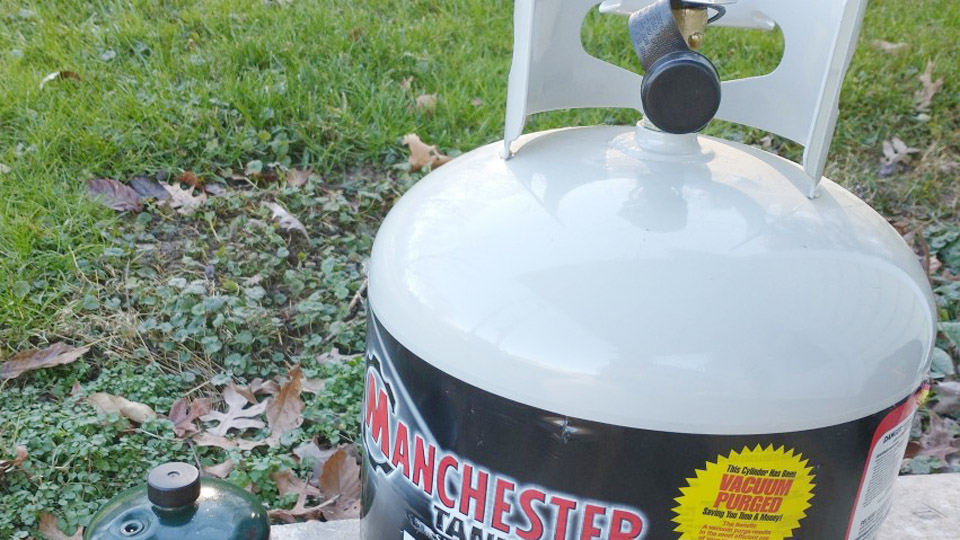
Image by hubpages
Why Proper Propane Tank Filling Matters in the Welding Shop
Propane expands significantly with temperature. A tank filled too full on a cool morning can become a bomb on a hot afternoon in the yard. For welders, this isn’t abstract. An overfilled or leaking tank near your arc or oxy-fuel setup turns a routine repair into a dangerous situation.
Underfilled tanks give weak, inconsistent flames that make brazing or heating uneven, leading to poor penetration or distortion issues on the workpiece. I’ve seen guys chase bad flame settings for hours when the real problem was low propane pressure.
In a USA shop, you also deal with DOT regulations, OPD valves, and requalification dates. Ignoring them can mean your supplier refuses service or you face fines during an inspection.
Key takeaway from experience: Treat every fill like you’re prepping for a critical weld. Safety, consistency, and cost savings all line up when you do it properly.
Understanding Your 20 lb Propane Cylinder
A standard 20-pound tank (often called a BBQ or grill cylinder) holds about 4.7 gallons of liquid propane by water capacity but is filled by weight. The “20 lb” refers to the net propane weight at proper fill.
Look for the collar markings:
- Tare weight (TW): Empty tank weight, usually 16–18 lbs.
- Water capacity (WC): Helps calculate max propane.
- Requalification date: Stamped on the collar or foot ring. Most portable cylinders need visual inspection and requal every 5–12 years depending on type.
Modern tanks have an Overfill Protection Device (OPD) — a triangular-handled valve that shuts off flow around 80% liquid level. Older tanks without it shouldn’t be filled.
Pro tip: Always check the date before heading out or setting up a transfer. Expired tanks are illegal to fill at certified stations.
Legal and Safety Rules Every Welder Should Know
In the US, propane handling falls under NFPA 58 and DOT rules. You can only fill tanks with current certification. Certified attendants at refill stations handle the actual pumping for good reason — they have scales, proper hoses, and training.
DIY transfers from larger tanks (like a 100–500 gallon home or shop tank) happen in many rural shops, but they come with serious caveats. It’s often legal if done correctly, but you assume all liability.
Non-negotiable safety rules:
- Work outdoors in a well-ventilated area, away from ignition sources.
- Wear gloves and eye protection—liquid propane causes instant frostbite.
- Never fill near your welding area or while smoking.
- Have a fire extinguisher rated for flammable gases nearby.
- Never overfill beyond 80% to allow for expansion.
Common beginner mistake: Assuming “full” means 20 lbs of propane plus tare equals a rock-solid number every time. Temperature matters. Fill on a cooler day or account for it.
Step-by-Step: Getting a 20 lb Tank Refilled at a Certified Station
This is the safest, most recommended method for most welders.
- Inspect the tank: Check for dents, rust pitting, valve damage, or expired requal date. Remove the dust cap.
- Weigh it first (optional but smart): Note current weight to know how much you need.
- Transport upright and secured: In the bed of your truck or with a proper holder. Never in a closed car trunk.
- At the station: Hand it to the attendant. They’ll purge if needed, weigh, and fill to spec.
- After fill: Check for leaks with soapy water on the valve. Listen for hissing.
Most shops I’ve worked in use exchange programs for convenience, but direct refill usually gives you more propane for the money.
DIY Transfer from a Larger Bulk Tank (Shop Reality Check)
Many fabricators with access to a bulk tank (home heating or dedicated shop supply) transfer propane themselves to save trips. I’ve done it, but only with proper setup and respect for the process.
What you need:
- Approved propane-rated transfer hose with proper fittings (liquid withdrawal).
- Scale for accurate weighing.
- Bleeder valve access on the 20 lb tank.
Basic process:
- Position the bulk tank higher if possible for gravity assist (or use pump).
- Connect to liquid withdrawal port on bulk tank (not vapor).
- Chill the 20 lb tank slightly if practical (colder propane accepts fill better).
- Open the bleeder screw on the 20 lb tank valve slightly to vent vapor and allow liquid in.
- Monitor weight constantly. Stop at tare + ~16 lbs propane (80% of 20).
- Close valves, bleed residual pressure safely, disconnect.
When I use this: For high-volume shop work or remote jobsites. Otherwise, I drive to the supplier.
Critical warning: Liquid propane is extremely cold. One slip and you’re dealing with severe burns. If you’re not confident, don’t do it.
Weighing and the 80% Rule — Your Most Important Calculation
Propane is sold and filled by weight, not volume. For a typical 20 lb tank:
- Tare weight (empty): ~17–18 lbs (check your collar).
- Max safe propane: ~20 lbs (80% liquid volume).
- Target full weight: Tare + 20 lbs ≈ 37–38 lbs total.
Use a reliable bathroom or platform scale. Place the tank on it during DIY fills. Watch the needle or digital readout as it climbs.
Common pro mistake: Filling by time instead of weight. Pressure and temperature vary. I once watched a guy overfill because he “knew how long it takes.” The relief valve popped later that afternoon. Not worth it.
Flame Performance and Torch Settings After a Proper Fill
A correctly filled tank gives you stable pressure and clean burning. For welding-related tasks:
- Brazing/silver soldering: Consistent medium flame, good for copper, brass, or mild steel joints.
- Preheating for welding: Larger rosebud tip needs strong, even heat without sputtering.
- Shrink straightening: Controlled flame to pull metal predictably.
Low propane shows as yellow, sooty flame or dropping pressure. Adjust your regulator accordingly, but fix the root cause—get more gas.
Material notes: Propane burns hotter than MAPP in some setups but requires proper torch and tip selection. Always match to your job—don’t force it on thick sections where oxy-acetylene would be better.
Common Mistakes Welders Make with Propane Tanks
- Ignoring the OPD valve and trying to force-fill old tanks.
- Storing tanks in direct sun or truck cabs where heat builds pressure.
- Using damaged hoses or regulators that leak during transfer.
- Over-relying on the tank gauge (they’re notoriously inaccurate).
- Filling in extreme cold without adjusting calculations (propane density changes).
I’ve seen students crack valves too fast and spray liquid everywhere. Slow and steady wins.
Tools and Setup Recommendations for Shop Use
- Digital scale accurate to 0.1 lb.
- Propane leak detector solution or soapy water mix.
- Spare OPD valves if you service your own (not for DIY swap on expired tanks).
- Proper storage: Upright, chained, away from weld spatter and flammables.
- Regulator and torch rated for propane.
For mobile welding rigs, mount tanks securely with good ventilation.
Comparing Refill Options: Station vs. DIY vs. Exchange
Certified Station Refill:
- Pros: Safe, accurate, legal, often includes inspection.
- Cons: Trip required, slightly higher per-pound cost.
DIY Bulk Transfer:
- Pros: Cheapest long-term, convenient if you have bulk.
- Cons: Higher risk, equipment investment, liability.
Tank Exchange:
- Pros: Fast, no weighing.
- Cons: Usually less propane than a proper fill, higher long-term cost.
For most one-man or small fab shops, a mix of station refills and careful bulk top-offs works best.
Maintaining Your Tanks for Long-Term Reliability
Clean the valve threads. Check for corrosion around the base. Keep dust caps on when not in use. Rotate stock—use oldest first.
In humid shop environments like coastal areas, rust creeps fast. Wipe tanks down and store off damp concrete.
Real-World Fabrication Examples
On a recent trailer repair job, I preheated 1/4″ plate with propane before welding to reduce distortion. Consistent flame from a properly filled tank made the difference between clean beads and rework.
For exhaust fabrication or custom brackets, a steady torch prevents cold laps in brazed joints. Low gas pressure leads to oxidation and weak bonds.
Final Shop Wisdom on Propane Management
After years of juggling gas for MIG, TIG, stick, and gas setups, the real skill is anticipation. Track your usage, keep a spare 20-pounder ready, and never let a fill become an afterthought.
The best welders I know treat consumables like extensions of their machine settings—they dial in everything, including the fuel source.
One pro-level tip I’d give any welder heading into the shop: Always do a quick soapy water leak test after every connection or fill, especially before striking an arc nearby. It takes 30 seconds and has saved more situations than I can count.
FAQ: Answering Real Welder Questions on Propane Tanks
How much does a 20 lb propane tank actually hold when full?
It holds approximately 20 pounds of propane by weight at the safe 80% fill level. Total gross weight will be around 37–38 pounds depending on your tank’s tare. Always verify with your specific markings and a scale.
Can I legally refill my own 20 lb tank from a home bulk tank?
It’s commonly done in private settings but carries risks and regulatory gray areas. Use proper liquid withdrawal equipment, never exceed 80%, and understand you’re responsible for safety. Many prefer certified stations for peace of mind and compliance.
Why does my torch flame sputter after a fresh fill?
Usually trapped air, improper purging, or liquid propane entering the line (from tipping the tank). Let it stabilize, purge the regulator gently, and ensure the tank stays upright. Check for leaks too.
How often do 20 lb propane tanks need inspection or requalification?
DOT cylinders typically require requalification every 5–12 years. Look for the stamped date. Expired tanks cannot be legally refilled at certified locations.
What’s the biggest safety mistake with propane in the welding shop?
Treating it casually near ignition sources or overfilling. Heat from welding or summer sun turns small errors into big problems fast. Respect the pressure and expansion properties every single time.
Final Thoughts
Mastering how to fill a 20 pound propane tank correctly keeps your projects moving, your costs down, and your shop safer. It’s one of those behind-the-scenes skills that separates hobbyists from guys who make money fabricating day in and day out. Keep your tanks in good shape, fill them smart, and your torch will always be ready when you need it.