When it comes to safe and effective metalwork or home DIY projects, understanding the characteristics of a neutral flame is essential. A neutral flame, often seen in oxy-acetylene torches, burns evenly without adding excess oxygen or carbon, making it ideal for precise heating, soldering, and brazing. For homeowners and DIY enthusiasts, recognizing a neutral flame can prevent surface damage, discoloration, or inefficient heating—issues that often frustrate even experienced hobbyists.
Just like knowing the right cleaning tips or stain removal techniques ensures spotless results without harsh chemicals, mastering flame control safeguards your projects while boosting efficiency. Whether you’re working on small repairs, metal accents, or learning basic welding skills, identifying and using a neutral flame ensures consistent, safe, and high-quality results every time.

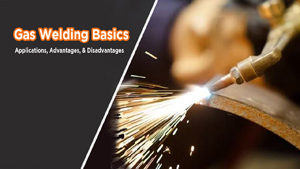
Image by yeswelder
What Is a Neutral Flame and How Do You Recognize It?
You’re in the shop, the torch is lit, and you’re adjusting the valves. A neutral flame is what you’re aiming for when the oxygen and acetylene are balanced perfectly—typically a 1:1 ratio. Visually, it’s a thing of beauty. You’ll see a well-defined inner cone that’s bright blue, with a sharp tip and no feathery edges. Surrounding it is a faint outer envelope, also blue but softer, with no yellow or green tinges.
Here’s what to look for:
- Inner cone: Sharp, bright blue, about 1/8 to 1/4 inch long (depending on tip size).
- Outer envelope: A softer blue, no hissing or roaring sound.
- No excess acetylene: No yellow feather or smoky haze.
- No excess oxygen: No pale, harsh cone or hissing noise.
I remember my first time trying to dial in a neutral flame. I kept cranking the oxygen too high, and the flame turned oxidizing—way too harsh for the thin steel I was welding. The result? Burn-through and a frustrated grunt.
The trick is to start with a slightly acetylene-heavy flame (you’ll see that yellow feather), then slowly add oxygen until the feather disappears, and the inner cone sharpens up. Practice this on scrap metal before tackling a real project—it’ll save you some headaches.
Why Is a Neutral Flame Important for Welding?
A neutral flame is your best friend because it burns at just the right temperature—around 5,600°F (3,100°C)—to melt the base metal and filler rod without altering the material’s properties. Too much oxygen (an oxidizing flame) can weaken your weld by introducing oxides or causing porosity. Too much acetylene (a carburizing flame) adds carbon to the weld, making it brittle. A neutral flame avoids both pitfalls, giving you a clean, strong weld that holds up under stress.
From a safety standpoint, it’s a game-changer. A neutral flame minimizes unburned fuel, reducing the risk of flashbacks or explosions in your torch. Plus, it’s efficient—you’re not wasting gas or overheating your workpiece, which saves time and money. I’ve seen pros on job sites swear by neutral flames for everything from pipe welding to sheet metal work because it’s versatile and reliable.
For DIYers and students, mastering this flame means fewer mistakes and less rework. For pros, it’s about delivering consistent quality, whether you’re fabricating a custom gate or repairing heavy equipment. And for hobbyists, it’s the key to making those welds look as good as they perform.
How to Set Up a Neutral Flame on Your Torch
Let’s walk through the process of setting up a neutral flame. I’m assuming you’re using a standard oxyacetylene rig, like a Victor or Harris setup common in the US. If you’re new to this, don’t skip the safety checks—they’re non-negotiable.
Step-by-Step Guide to Achieving a Neutral Flame
Check Your Equipment: Ensure your torch, hoses, and regulators are in good shape. Look for leaks by brushing soapy water on connections—bubbles mean trouble. Wear your safety gear: shaded goggles (shade 5 or 6), gloves, and a flame-resistant jacket.
Set Initial Pressures: For most welding tips (size 0–2), set your acetylene regulator to 5–7 PSI and oxygen to 5–10 PSI. Check your torch manual for exact settings, as tip sizes vary.
Open Acetylene First: Crack the acetylene valve on the torch (usually the bottom one) until you get a steady flow. Light the torch with a striker—never a lighter. You’ll see a yellow, smoky flame.
Add Oxygen Gradually: Slowly open the oxygen valve (usually the top one). Watch the flame as it changes. The yellow feather will shrink, and the inner cone will form.
Dial It In: Keep adding oxygen until the feather disappears, and the inner cone is sharp and bright blue. If the flame hisses or the cone turns pale, you’ve gone too far—back off the oxygen slightly.
Test It: Hold the flame near a piece of scrap steel. It should heat the metal evenly without excessive sparking or popping.
If you’re struggling to get it right, listen to the flame. A neutral flame is quiet—no hissing or roaring. I once spent 20 minutes fiddling with a torch because I didn’t realize the regulator was faulty, throwing off my pressures. Double-check your gear before you start swearing at the flame.
Common Mistakes When Setting a Neutral Flame
- Rushing the Adjustment: Take your time. Small tweaks to the oxygen valve make a big difference.
- Ignoring Tip Size: A larger tip needs higher pressures. Check your torch manual.
- Skipping Safety Checks: A leaky hose or flashback can ruin your day—or worse.
- Overlooking Lighting Technique: Always use a striker. Matches or lighters can cause burns or ignite stray gas.
When to Use a Neutral Flame in Welding
A neutral flame is your go-to for most oxyacetylene welding jobs, especially on mild steel, stainless steel, and cast iron. It’s ideal for:
- Thin materials: Sheet metal or thin-walled pipes where burn-through is a risk.
- Precision work: Intricate welds on sculptures or custom fabrications.
- General fabrication: Building frames, gates, or structural components.
- Brazing and soldering: The controlled heat prevents overheating the base metal.
I’ve used a neutral flame for everything from patching a tractor frame to welding a custom motorcycle exhaust. It’s versatile because it provides enough heat to fuse the metal but not so much that you’re fighting distortion or warping. For hobbyists, this is great for small projects like building a fire pit or repairing lawnmower parts. For pros, it’s a must for meeting welding codes like AWS D1.1, which demand clean, defect-free welds.
Neutral Flame vs. Other Flame Types
Not all flames are created equal. Let’s break down how a neutral flame stacks up against carburizing and oxidizing flames, so you know why it’s often the best choice.
| Flame Type | Characteristics | Best For | Drawbacks |
|---|---|---|---|
| Neutral | Equal oxygen and acetylene, sharp blue inner cone, no feather or hiss | Mild steel, stainless, cast iron, brazing | Requires precise adjustment |
| Carburizing | Excess acetylene, yellow feather, softer flame | Hardfacing, some aluminum alloys | Adds carbon, can weaken welds |
| Oxidizing | Excess oxygen, pale cone, hissing sound | Cutting, some bronze welding | Causes oxidation, porosity |
A carburizing flame is useful when you need a softer, cooler flame, like for hardfacing or welding certain aluminum alloys. But for most steel welding, it’s a no-go—it’ll make your weld brittle. An oxidizing flame is great for cutting but terrible for welding; it burns too hot and introduces defects. I learned this the hard way when I accidentally used an oxidizing flame on a stainless steel pipe—ended up with a porous, ugly weld that had to be ground out.
Practical Tips for Using a Neutral Flame
Here’s some shop wisdom I’ve picked up over the years:
Match Your Tip Size: Use a smaller tip (size 0 or 1) for thin materials to keep the flame focused. For thicker steel, go up to a size 2 or 3.
Prep Your Joints: Clean the metal with a wire brush or grinder to remove rust, oil, or paint. A neutral flame won’t compensate for a dirty joint.
Control Your Torch Angle: Hold the torch at a 45-degree angle to the workpiece, with the inner cone about 1/16 inch from the metal.
Use the Right Filler Rod: For mild steel, RG45 or RG60 rods work well with a neutral flame. For stainless, match the rod to the base metal (e.g., 308L for 304 stainless).
Watch Your Puddle: The molten pool should be smooth and shiny, not bubbly or erratic. If it’s acting up, check your flame or joint prep.
One time, I was welding a trailer hitch and didn’t clean the joint properly. The neutral flame was perfect, but the weld looked like a lumpy mess because of surface contaminants. A quick pass with a wire brush fixed it, and the next weld was smooth as butter. Lesson learned: prep work is half the battle.
Safety Considerations for Oxyacetylene Welding
A neutral flame is safer than its cousins, but oxyacetylene welding is no joke. Here’s how to stay safe:
- Ventilation: Work in a well-ventilated area to avoid inhaling fumes. I keep a fan running in my shop to clear out acetylene haze.
- Flashback Arrestors: Install these on both oxygen and acetylene lines to prevent backfires from reaching the tanks.
- Proper Shutdown: Close the acetylene valve first, then oxygen, to avoid popping or leaving unburned gas.
- Storage: Keep cylinders upright and secured, away from heat sources. I’ve seen a tipped-over cylinder cause a near-disaster on a job site.
Neglecting safety can lead to burns, explosions, or worse. I once saw a newbie skip the leak check and end up with a small fire on his workbench. Luckily, we had an extinguisher handy, but it was a wake-up call.
Applications of a Neutral Flame in Real-World Welding
A neutral flame shines in a variety of projects. Here are some examples:
- Automotive Repair: Welding exhaust systems or patching body panels.
- Farm Equipment: Fixing plow blades or tractor frames.
- Art and Sculpture: Creating smooth, clean welds for aesthetic pieces.
- Piping: Joining steel or stainless pipes for plumbing or HVAC systems.
For DIYers, a neutral flame is perfect for small projects like building a metal workbench or repairing a gate hinge. For pros, it’s essential for meeting code on structural welds or pressure vessels. Students, pay attention—this is the flame you’ll practice most in welding school because it’s the foundation for good technique.
Conclusion
Mastering the characteristics of a neutral flame is like learning to drive a stick shift—it takes practice, but once you’ve got it, you’re in control. A neutral flame gives you the perfect balance of heat and precision, making it ideal for everything from DIY projects to professional fabrication.
By understanding its visual cues, setting it up correctly, and using it with the right techniques, you’re set to produce strong, clean welds that hold up under scrutiny. Whether you’re a hobbyist welding a custom grill or a pro tackling a structural job, this flame is your ticket to quality work.
Always keep a piece of scrap metal nearby to test your flame before starting a weld. It’s a quick way to confirm you’ve nailed the neutral flame and avoid costly mistakes.
FAQ
What does a neutral flame look like?
A neutral flame has a sharp, bright blue inner cone with a faint blue outer envelope. There’s no yellow feather or hissing sound, indicating a perfect balance of oxygen and acetylene.
Can I use a neutral flame for all welding?
It’s ideal for most oxyacetylene welding on mild steel, stainless, and cast iron. For specialized tasks like hardfacing or cutting, you might need a carburizing or oxidizing flame.
How do I know if my flame is too oxidizing?
An oxidizing flame has a pale, short inner cone and a hissing sound. It burns too hot and can cause porosity or weak welds. Reduce the oxygen to get back to neutral.
What’s the best filler rod for a neutral flame?
For mild steel, use RG45 or RG60. For stainless, match the rod to the base metal, like 308L for 304 stainless. Always check compatibility with your material.
Why does my neutral flame keep popping?
Popping usually means a dirty tip, incorrect pressures, or a loose connection. Clean the tip with a tip cleaner, check your regulator settings, and ensure all fittings are tight.