
Working on old corrugated steel can test your patience fast. The surface is usually covered with rust, old coatings, dirt trapped in the grooves, and thin spots that seem ready to burn through the moment heat hits them.
That’s exactly why learning How to Weld Rusted Corrugated Steel properly matters before striking an arc.
In real repair and fabrication work, rusted corrugated panels behave very differently from clean flat steel. The uneven surface makes it harder to maintain a steady puddle, while hidden corrosion can weaken the metal more than it appears from the outside.
I’ve seen welds look solid at first, only to crack or fail later because the prep work wasn’t thorough enough.
The good news is that rusted corrugated steel can still be repaired successfully with the right approach. I’ll walk through practical cleaning methods, heat control tips, and welding techniques that help you avoid burn-through, weak joints, and wasted material.
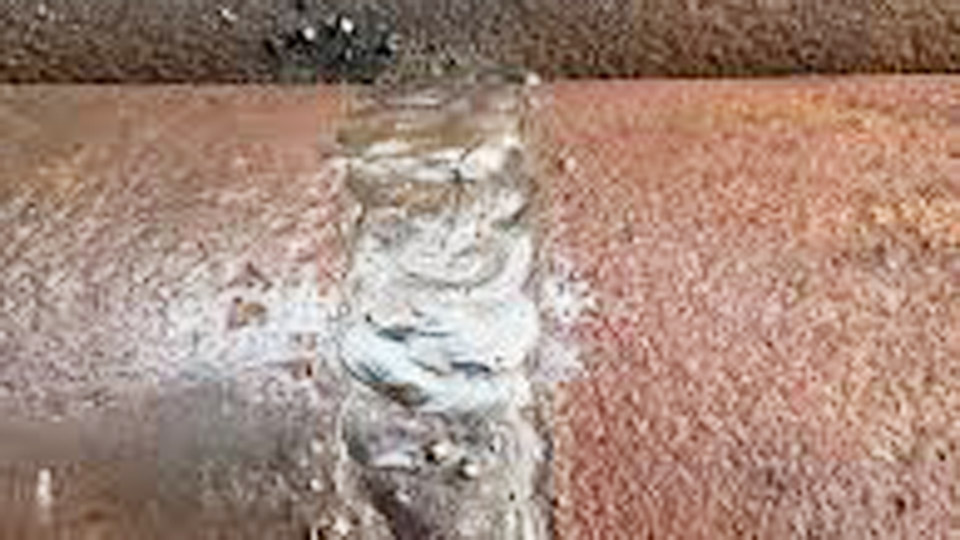
Image by Metal Fabrication Tips
Why Proper Technique Matters on Rusted Corrugated Steel
Rushing this leads to real headaches. Poor welds on rusty material trap slag or oxides, creating inclusions that fail under vibration or weather.
On thin corrugated sheets, excessive heat causes distortion, warping the ribs and ruining fit-up. In outdoor repairs, you deal with wind, moisture, and sometimes galvanized coatings that release fumes.
I’ve seen beginners grind too aggressively and thin the metal further, or pros skip prep and rely on “weld-through” rods only to get porosity. Getting this right means stronger repairs, less grinding, and welds that pass visual and sometimes structural checks.
Assessing the Material and Job Before You Strike an Arc
Start by evaluating the rust level and steel thickness. Light surface rust is manageable. Heavy scale, pitting, or through-rust means you may need to cut out sections and patch with fresh material.
Measure thickness with a caliper or gauge. Corrugated steel is often 0.024″–0.030″ in roofing applications—thin enough that one wrong pass blows through. Check for galvanization; many sheets have a zinc coating that must be removed or handled carefully to avoid toxic fumes and cracking.
Practical tip: Use a magnet to confirm it’s steel, not aluminum. Knock off loose rust with a wire brush or hammer. If the metal flakes away easily, plan to replace that section rather than weld over it.
Best Preparation Methods for Rusted Corrugated Steel
Clean metal is king, but on real jobs you rarely get perfect conditions. Aim for “weldable” rather than mirror-finish.
Step-by-Step Joint and Surface Prep
Remove loose debris — Wire wheel or flap disc on an angle grinder to knock off heavy scale and paint. Work with the corrugation direction to avoid digging grooves.
Degrease — Wipe with acetone or brake cleaner. Oil and grease ruin welds more than light rust.
Grind or sand the joint area — Remove rust 1–2 inches back from the weld zone on both sides. For lap joints common on corrugated sheets, focus on the overlapping edges.
Address galvanization — Grind or burn off zinc coating in the weld area. Zinc fumes are hazardous—use good ventilation and a respirator.
Common mistake: Over-grinding thin metal. Stop when you see bright steel; don’t chase every pit. On corrugated ribs, preserve as much original thickness as possible.
For field repairs where full cleaning isn’t feasible, focus on the actual weld path. A good ground clamp on clean metal nearby improves arc stability.
Choosing the Right Welding Process for Rusted Corrugated Steel
Different processes shine in different scenarios.
SMAW (Stick Welding) – The Go-To for Dirty Field Work
Stick welding excels on rusty material. The flux aggressively cleans contaminants and pushes slag out.
Recommended electrodes:
- 6010 or 6011: Excellent for rusty steel. Digging arc burns through light rust and scale. 6010 on DC+, 6011 works on AC or DC.
- 7018: For cleaner sections or final passes, but less forgiving on heavy rust.
Amperage ranges (for 1/8″ rods on thin material, dial down):
- 3/32″ 6010/6011: 40–80 amps
- 1/8″ 6010/6011: 75–125 amps, but start lower (60–90A) on corrugated to avoid burn-through.
Technique: Short arc length, drag or whip slightly. Move steadily without dwelling. On thin corrugated, use stitch welding or skip welding to control heat.
Pros: Portable, cheap, wind-resistant, handles rust well.
Cons: More cleanup, slower on production.
I’ve used 6010 on old barn siding many times— it bites through surface rust reliably when prepped minimally.
Flux-Cored Arc Welding (FCAW) – Gasless MIG for Outdoor Repairs
Self-shielded flux core wire is forgiving on dirty metal and great for shop or field.
Use 0.030″ or 0.035″ flux core wire. Settings on a typical 120–220V machine: wire speed 150–250 IPM, voltage 18–22V depending on machine. Lower settings for thin metal.
Tips: Keep stick-out around 3/4″. Weld in short bursts on thin sections. The slag protects against porosity from rust.
MIG (GMAW) with Gas
Solid wire MIG gives clean beads but demands better prep. Use short-circuit transfer for thin material. 0.023″ or 0.030″ ER70S-6 wire with 75/25 Ar/CO2. Lower voltage (16–19V) and wire speed to prevent burn-through.
TIG (GTAW)
Best for precision on clean metal. Requires thorough rust removal— not ideal for heavy rust or quick field fixes.
Comparison Table: Processes for Rusted Corrugated Steel
| Process | Rust Tolerance | Thin Metal Control | Portability | Cleanup Needed | Best For |
|---|---|---|---|---|---|
| Stick (SMAW) | High | Good (with skill) | Excellent | High | Field repairs, dirty jobs |
| Flux Core | High | Good | Excellent | Medium | Outdoor, quick patches |
| MIG (Gas) | Medium | Excellent | Good | Low | Shop, cosmetic repairs |
| TIG | Low | Excellent | Fair | Very Low | Precision, clean metal |
Step-by-Step Guide: Welding a Patch on Rusted Corrugated Steel
Here’s how I approach a typical roof or trailer patch.
- Cut out bad section — Use aviation snips or plasma for clean edges following the corrugation if possible.
- Fabricate patch — Cut new or salvaged corrugated to overlap by at least 1–2 inches. Match the profile.
- Fit-up — Clamp securely. Use temporary screws or magnets. Leave slight gap for penetration on laps.
- Tack welds — Place small tacks every few inches. Check alignment after each.
- Weld sequence — Alternate sides to balance heat. Use short stitches (1″ weld, 2″ skip) on thin material. Let cool between passes.
- Post-weld — Remove slag, inspect for cracks or porosity. Grind high spots if needed for paint or sealant.
Machine settings example (Lincoln or Miller style machine):
- Stick 6011 3/32″: 50–70A DC+
- Flux core 0.030″: Voltage 17–19, WFS adjusted for steady arc without burn-through.
Watch your puddle. On rusty steel it may look “dirtier”—adjust travel speed to let flux do its job.
Common Mistakes and How to Avoid Them
- Too much heat — Causes warping and holes. Use lower amps, faster travel, or pulse if available.
- Poor ground — Arc wanders on rusty surfaces. Clean clamp area thoroughly.
- Ignoring galvanization — Leads to weak welds and health risks. Remove it.
- Continuous long beads — Distorts panels. Stitch or skip weld.
- No post-weld protection — New welds rust fast. Prime and paint immediately.
Beginners often push too hard with the rod or gun, digging into thin metal. Pros learn to let the process work—short arc, steady hand.
Safety Considerations for Welding Rusted and Galvanized Steel
Ventilation is critical—zinc and rust fumes irritate lungs. Use a powered respirator outdoors or proper exhaust. Wear leather gloves, jacket, and glasses. Secure sheets to prevent movement. Keep fire watch nearby; corrugated often has debris in valleys.
Material Compatibility and Filler Metals
Stick with ER70S-6 or equivalent for mild steel. For repairs matching original strength, overmatch slightly if the base is weathered. Avoid mixing stainless fillers unless necessary—thermal expansion differences cause cracking later.
Advanced Tips from the Shop Floor
- For very thin rusty sections, back with copper or aluminum backing bars to prevent blow-through.
- Pre-heat isn’t usually needed on thin corrugated, but warming slightly in cold weather helps.
- On vertical or overhead corrugated repairs, 6010 vertical-up with a slight weave works well.
- Test your settings on scrap of similar rust and thickness first—every machine and batch of rods varies.
Real-World Applications and Examples
In farm repairs, I often weld new corrugated patches over rusted silo or barn sections using 6011. For trailer floors, flux core handles road grime better. Structural fixes on equipment frames need more thorough prep and possibly multi-pass welds.
One memorable job involved an old Quonset hut with decades of rust. Minimal grinding, 6010 root, 7018 cap—held strong through seasons.
Key Takeaways: Clean what you can, choose forgiving processes like stick or flux core for rust, control heat on thin material, and protect the finished weld. With practice, you’ll handle these jobs confidently without frustration or rework.
On rusted corrugated steel, patience with heat input beats power every time. A series of controlled small welds will outlast one heroic bead that warps the panel or leaves hidden defects. Take your time, read the puddle, and the repair will last years instead of months.
FAQs
Can you weld directly over rust on corrugated steel without cleaning?
Sometimes with 6010/6011 stick or flux core, but results vary. Light surface rust works okay; heavy scale or pitting usually causes porosity or weak fusion. Always clean the weld zone as much as practical for reliable joints.
What amperage should I use for 1/8″ rod on thin rusted corrugated?
Start around 60–80 amps for 3/32″ rods and adjust by watching the puddle. Too hot and you’ll burn through the valleys; too cold and you get lack of fusion. Test on scrap.
Is MIG or stick better for outdoor rusty corrugated repairs?
Stick or gasless flux core wins outdoors. They handle wind and contamination better than gas MIG. TIG is rarely practical here.
How do I prevent warping when welding long seams on corrugated sheets?
Use skip welding, alternate sides, and clamp or brace the panel. Allow cooling time between segments. Back-stepping technique helps too.
Should I remove galvanization before welding rusted corrugated metal?
Yes—grind or wire brush it off in the joint area. It prevents zinc contamination in the weld and reduces fume hazards.


