
A stainless steel surface can lose its shine faster than most people expect. Heat marks after welding, water spots, fingerprints, and stubborn discoloration can leave even high-quality stainless looking dull and neglected.
That’s when the question How Do You Clean Tarnished Stainless Steel becomes more than a cosmetic concern—it’s the key to restoring both its appearance and long-term performance.
Not every stain needs a harsh chemical cleaner, and using the wrong product can sometimes do more harm than good. I’ve seen stainless surfaces scratched by abrasive pads or permanently discolored because the cleaning method wasn’t matched to the type of tarnish. A little care and the right technique make a huge difference.
I’ll show you the safest and most effective ways to remove tarnish, restore the finish, and keep stainless steel looking clean without damaging the surface.
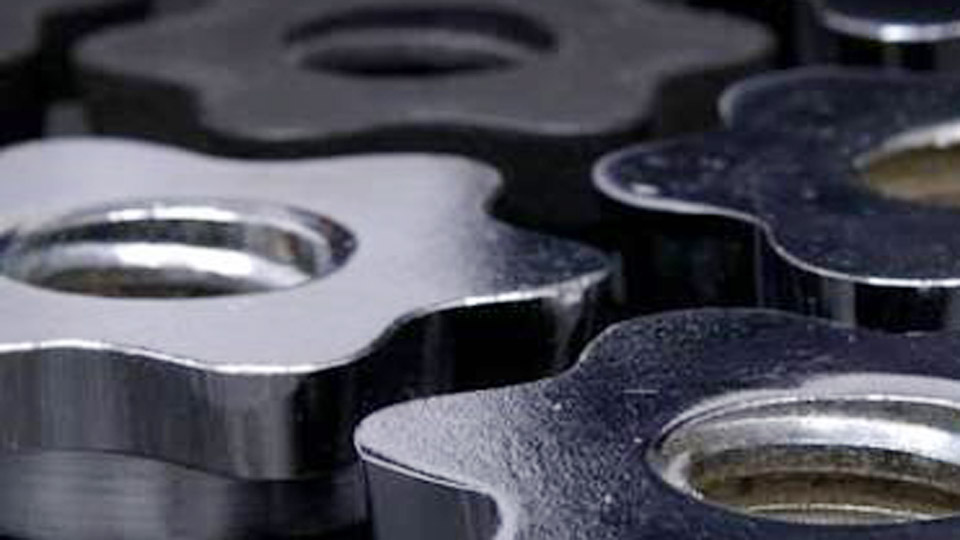
Image by stainlesseurope
Why Tarnish Forms on Stainless Steel and Why It Matters for Welding
Tarnish on stainless steel usually shows up as discoloration—yellow, brown, blue, or purple heat tint—after exposure to heat, oxygen, or contaminants. During welding, the intense arc heat breaks down the passive layer, leaving behind oxides that look like rainbow bands around the bead.
This isn’t cosmetic. Contaminated surfaces lead to lack of fusion, inclusions, and reduced corrosion performance. In food-grade or marine applications, even minor pitting can cause rejection.
I’ve seen hobbyists lose entire projects because they skipped thorough cleaning and ended up with rust creeping from the heat-affected zone (HAZ) months later.
Proper cleaning restores the passive layer through passivation, where chromium reacts with oxygen to form a thin, self-healing protective film. Do it right, and your welds look clean, perform better, and last longer.
Pre-Weld Cleaning: Preparing Tarnished Stainless Steel Surfaces
Before striking an arc, your base metal must be spotless. Fingerprints, oils, mill scale, or old tarnish will contaminate the puddle fast.
Start with degreasing. I wipe everything down with acetone or a dedicated stainless-safe solvent on a clean rag. Avoid anything with chlorine, as it can pit the surface. For heavier oils or shop grime, a two-step wipe with a degreaser followed by isopropyl alcohol works well.
Next, tackle the tarnish mechanically. Use a dedicated stainless steel wire brush—never carbon steel, which embeds iron particles and causes rust later. For stubborn oxidation, a flap disc or Scotch-Brite pad in the correct grit removes material without gouging.
I prefer non-woven abrasives for stainless because they leave a smoother finish and reduce the chance of embedding contaminants.
On pipe or tube jobs, I go further. A dedicated stainless wire wheel on a grinder cleans the inside and outside effectively. Always brush in the direction of the grain if visible, and vacuum or blow off all debris immediately.
Practical Tip: For heavily tarnished material that sat outside, I sometimes use a citric acid solution soak before mechanical cleaning. It’s milder than stronger acids and effective for light surface rust without aggressive etching.
Common beginner mistake: Rushing the prep. I’ve trained guys who thought a quick wipe was enough. The weld might look okay initially, but corrosion shows up later. Take the extra 10-15 minutes upfront.
How to Remove Heat Tint and Tarnish After Welding
Post-weld cleaning is where most of the magic (and frustration) happens. Heat tint varies by process—TIG produces cleaner, narrower bands than stick or MIG.
Mechanical Methods
Grinding or brushing is the most accessible. Use a fine-grit flap disc or a clean stainless wire brush right after the weld cools slightly. Brushing while warm helps dislodge oxides easier, but don’t overdo it on thin material to avoid distortion.
For a polished look, progress from coarser to finer abrasives, finishing with Scotch-Brite. On sanitary tubing, this gives a uniform appearance without chemicals. Pros: Cheap, no special PPE beyond normal grinding safety. Cons: Time-consuming on large jobs, and aggressive grinding removes material, potentially thinning the wall.
I’ve used this on exhaust systems where appearance matters but full passivation isn’t required. It works, but for critical corrosion resistance, pair it with another method.
Chemical Pickling and Passivation
Pickling paste is a shop staple for removing heat tint and restoring the passive layer. Products like Wonder Gel or similar nitric/hydrofluoric acid blends are brushed on, left for 5-45 minutes depending on thickness and tint, then rinsed thoroughly.
It works by dissolving the oxides and allowing the chromium to reform the passive film. I use it on pipe welds, tanks, and any food-contact or outdoor fabrication.
Safety is non-negotiable. Wear full PPE—gloves, goggles, apron, and work in a ventilated area. Neutralize with baking soda solution after rinsing, and dispose of waste properly per local regs.
When to Use It: Anytime corrosion resistance is critical—pressure vessels, marine hardware, architectural railings. It’s more thorough than mechanical alone for deep tints.
Electrochemical (Electrolytic) Cleaning
This is my go-to for efficiency on bigger jobs. A weld cleaning machine or brush applies an electrolyte and low-voltage current to clean and passivate in one step. It’s fast, produces minimal fumes compared to paste, and works well even outdoors.
Dip or brush the electrode with electrolyte, apply to the weld, and watch the tint disappear. Follow with a rinse and neutralization. Machines vary in power, but even entry-level ones handle daily shop use.
Pros: Quick, consistent results, safer than strong acids. Cons: Upfront cost for the unit and fluid.
I’ve switched many projects to this after dealing with paste mess. It cuts cleaning time dramatically while delivering better passivation.
Step-by-Step Guide: Cleaning Tarnished Stainless Steel for TIG Welding
TIG is common for stainless, so here’s a detailed workflow I use:
- Inspect and Degrease: Wipe with acetone. Check for deep scratches or pits that need repair first.
- Mechanical Prep: Brush or abrade lightly to remove heavy tarnish. Vacuum debris.
- Tack and Weld: Use proper settings— for 1/8″ 304, around 90-120 amps DCEN with 2% thoriated or lanthanated tungsten, argon at 15-20 CFH.
- Post-Weld Clean: Let cool, then apply your chosen method—mechanical for quick jobs, pickling or electrolytic for quality.
- Final Passivation and Rinse: Ensure neutral pH, dry thoroughly to prevent water spots.
For thicker sections or SMAW, adjust amperage higher and use larger electrodes, but cleaning principles stay similar. Always match filler to base—ER308L for 304/304L.
Comparing Cleaning Methods for Stainless Steel Welds
| Method | Best For | Speed | Cost | Safety Notes | Corrosion Resistance |
|---|---|---|---|---|---|
| Mechanical (Brush/Grind) | Quick cosmetic cleanup | Medium | Low | Dust, eye protection | Good if thorough |
| Pickling Paste | Critical applications | Slow | Low-Med | Acids, ventilation, PPE | Excellent |
| Electrolytic | Production/shop volume | Fast | Higher initial | Mild electrolyte, good | Excellent |
Choose based on job requirements. For a one-off hobby project, mechanical plus light acid might suffice. In a professional shop, electrolytic pays for itself quickly.
Material-Specific Considerations and Filler Compatibility
Not all stainless is the same. 304 and 316 are common, but 316 has better corrosion resistance due to molybdenum. Clean 316 the same way, but be extra diligent in chloride environments.
For duplex or high-alloy grades, consult specific procedures—stronger acids or longer dwell times may be needed.
Filler metals: Use low-carbon variants (L grades) to prevent sensitization. Clean the wire or rod too—wiping with alcohol prevents porosity.
Joint prep: Bevel properly, maintain consistent gap. For butt welds on pipe, back purge with argon to prevent sugaring (oxidation inside), which is another form of tarnish that’s hard to clean later.
Common Mistakes Welders Make with Tarnished Stainless
- Using carbon steel tools: Embeds iron, leading to rust.
- Insufficient rinsing after acids: Leaves residue that causes haze or pitting.
- Over-grinding: Weakens material and creates stress risers.
- Skipping degrease: Oil in the puddle causes porosity.
- Rushing cool-down: Heat tint sets harder if allowed to age.
- Ignoring ventilation: Fumes from pickling are nasty.
I’ve made most of these myself early on. Learn from them—test on scrap first.
Safety and Shop Practices for US Welders
Always follow OSHA guidelines. Have eyewash stations, proper gloves (nitrile for acids), and respirators when needed. In the US, check SDS sheets for every chemical.
Store stainless separately from carbon steel to avoid cross-contamination. Use dedicated abrasives and brushes marked for stainless only.
For machine settings: On a Miller or Lincoln TIG rig, start conservative on amperage and use pulse if available for better control on thin stuff. Gas lens cups improve shielding and reduce post-weld cleanup.
Advanced Tips for Professional Results
On high-visibility jobs, combine methods: Light mechanical to knock down heavy tint, then electrolytic for passivation. For mirror finishes, progress through polishing compounds after cleaning.
For repairs on existing equipment, citric acid-based cleaners are great for milder tarnish without heavy acids.
In cold shops, warm the material slightly before welding to reduce condensation-related issues.
Track your processes. On repeat jobs, note what amperage, travel speed, and cleaning combo gave the best results.
Real-World Examples from the Shop Floor
I once built a custom stainless sink unit for a restaurant. The material arrived with light mill scale. Thorough acetone wipe, stainless brush, and TIG with back purge gave perfect beads. Post-weld electrolytic cleaning made it look factory-new and pass health inspections easily.
Another time, repairing a dairy tank with stick welding on thicker plate: Higher amps (around 100-140 depending on electrode diameter, 3/32″ or 1/8″), careful slag removal, then heavy pickling paste application. The customer was impressed with the corrosion-free result years later.
Hobbyists restoring old stainless exhausts often struggle with thin metal distortion. I recommend low heat input TIG, minimal grinding, and chemical cleaning to preserve thickness.
Taking Your Stainless Work to the Next Level
Mastering how to clean tarnished stainless steel transforms your welding from functional to exceptional. You’ll produce welds with superior corrosion resistance, better appearance, and fewer failures in service.
Remember the fundamentals: Clean before, control heat during, clean thoroughly after. Match your method to the material, application, and required service life. Avoid shortcuts—they cost more in the long run.
Invest in a good electrolytic cleaner if you do stainless regularly. It’s the closest thing to a magic wand for consistent, fast results while keeping you safer in the process. Your future self—and your customers—will thank you every time a job comes out looking pristine and performing perfectly.
FAQ
How long should I leave pickling paste on stainless welds?
It depends on the product and tint severity—usually 5-30 minutes. Check the label, test on scrap, and rinse thoroughly. Heavier tints need longer, but don’t let it dry out.
Can I use vinegar or household cleaners for stainless weld tarnish?
Mild citric or white vinegar solutions help with light tarnish, especially for DIY. They’re safer but less effective than dedicated pickling paste for dark heat tint. Great for maintenance between professional cleanings.
What’s the best way to prevent tarnish during stainless welding?
Minimize heat input with proper settings and pulse, use good shielding gas coverage, back purge pipes, and clean the material thoroughly beforehand. Clean tools and filler also help.
Is electrolytic cleaning better than pickling paste?
For most shop situations, yes—it’s faster, produces less hazardous waste, and passivates effectively in one step. Paste is still useful for spot repairs or when you don’t have the machine.
Does cleaning affect the strength of my stainless weld?
Proper cleaning enhances long-term performance by restoring corrosion resistance. Over-aggressive grinding can reduce thickness and strength, so balance is key. Always inspect for defects after cleaning.


