Welding cast iron is a job many dread. Cracks, repairs, or joining old parts often lead to frustration, unexpected failures, and confusion about which fill rod to use. You’ve probably asked yourself why it never goes as smoothly as steel—and why there are so many types of rods.
It’s easy to get lost in technical jargon or to pick a rod that’s wrong for your repair. There are trade-offs: some rods are softer, easier to machine, but not as strong. Others resist cracking but are harder to work with. The right choice depends on your specific cast iron, the job, and how much finish work you want to do.
This guide cuts through the confusion. It’ll help you see which fill rods actually fit your needs, and what really matters when welding cast iron.
What Matters Most When Choosing A Fill Rod For Cast Iron
- Think about the cast iron type—gray, ductile, or mixed with steel.
- Consider if you need machinable results or high-strength repairs.
- Decide if crack resistance is your top concern.
- Don’t let price alone drive your choice—cheap rods can cause more trouble than they save.
Common Mistakes Buyers Make
- Assuming all nickel rods are equal—they aren’t.
- Ignoring rod diameter and length for the job at hand.
- Choosing based only on brand or cost, not on repair type.
The products below were chosen for their suitability for cast iron welding—each fits a different situation or repair style. Read on to find which fill rod matches your needs and avoids the usual pitfalls.
Fox Alloy Pure Nickel Welding Rods
The Best Fill Rod for Welding Cast Iron, this set offers machinable welds for reliable repairs and joins.

This Fox Alloy Pure Nickel Welding Rod set contains six 12-inch electrodes, designed for joining and repairing cast iron. If you need to fix broken cast iron parts or perform casting rectification, these rods make the process more manageable. Their ENi-CI pure nickel composition ensures the welds are soft and easy to machine, which is crucial for detailed repair work.
Using these rods feels straightforward, especially when working on thin sections or cold material. The weld pool is forgiving, letting you focus on accurate placement rather than fighting the material. You gain confidence from knowing the filler is formulated for cast iron, so there’s less guesswork and fewer surprises mid-job.
Why These Rods Stand Out
- Excellent for repairing and joining cast iron parts
- Weld metal is soft and easily machinable
- Works well on cold or slightly preheated cast iron
- Conforms to AWS and ISO standards for reliability
- Suitable for thin sections and broken parts
- Supported by experienced welding engineers
Consider Before Choosing
- Only includes six rods per pack
- Pure nickel rods can be pricier than standard alternatives
- Not intended for materials other than cast iron
Where This Shines
If you need to repair cracked or broken cast iron with minimal hassle, the Fox Alloy Pure Nickel Welding Rods are made for you. They take out the stress of working with unpredictable welds, thanks to their easy machinability and cold welding compatibility.
These rods are especially helpful if you’re fixing thin sections or require a soft, adjustable weld.
For best results, make sure the cast iron is clean and, if possible, only slightly preheated. Having the Fox Alloy support team available adds peace of mind—you won’t be left guessing if you hit a snag. I’d suggest keeping a few on hand for unexpected repairs, as their reliability means fewer surprises on the job.
| Best for | Why |
|---|---|
| Repairing broken cast iron machinery | Soft, machinable welds allow precise fixes |
| Joining thin cast iron sections | Performs well on cold or slightly preheated parts |
| Rectifying casting defects | Formulated for easy touch-up and repair |
| When machinability is a priority | Weld metal can be shaped or drilled as needed |
Fox Alloy Nickel-iron Cast Iron Welding Rods
The Best Fill Rod for Welding Cast Iron for those needing crack-resistant performance and reliable repairs on gray or nodular cast iron parts.

These Fox Alloy Nickel-Iron Welding Rods are designed for repairing and joining cast iron, especially gray and nodular varieties. The rods help prevent solidification cracking and make fixing broken cast iron parts more dependable. Meeting strict professional welding standards, they offer stable performance for maintenance and industrial jobs.
Using these rods feels reassuring for anyone working on heavy-duty cast iron repairs. The welds stay strong and consistent, reducing the worry of cracks after finishing. The electrodes handle high currents and are easy to work with, making the job smoother whether you’re fixing castings or restoring broken components.
Advantages For Cast Iron Repair Work
- Crack-resistant welds for gray and ductile cast iron
- Handles high currents for stronger joints
- Reliable performance for industrial and maintenance tasks
- Meets multiple international welding standards
- Suitable for cast iron-to-steel joining
- Professional support available from Fox Alloy engineers
Points To Consider Before Buying
- Intended mainly for cast iron, not general-purpose welding
- Requires some welding experience to achieve best results
- No bundled accessories; rods only
Who This Fits Best
If you regularly repair cast iron parts or work in heavy-duty maintenance, these rods are a solid match. They remove the stress of unexpected cracking and make the process more predictable. You won’t have to guess if your weld will hold—the rods are formulated to handle demanding jobs.
For best results, keep the work area clean and follow recommended current settings. This tip helps maximize performance and reduces surprises. Fox Alloy’s technical support adds peace of mind, so you’re not left troubleshooting alone. I appreciate how these rods simplify cast iron fixes and restore confidence in repairs.
| Best for | Why |
|---|---|
| Repairing gray cast iron components | Crack-resistant welds and high strength |
| Fixing nodular/ductile iron parts | Stable performance and reliable joints |
| Joining cast iron to steel | Nickel-iron formulation is suitable for dissimilar metals |
| Heavy-duty maintenance and casting defect correction | Professional-grade rods for industrial use |
Fox Alloy Nickel 55 Cast Iron Welding Rods
For those seeking the Best Fill Rod for Welding Cast Iron, this set excels at repairing and joining cast irons with reliable strength.

The Fox Alloy Nickel 55 Cast Iron Welding Rods are designed specifically for welding and repairing high-strength gray and nodular cast irons. This rod solves the common issues of cracking and weak joints that can happen with standard electrodes, offering a nickel-iron blend that boosts weld metal strength and reduces solidification cracking.
In daily use, these rods provide consistent results and strong, reliable welds, giving peace of mind when working with cast iron repairs or joining cast iron to steel. The rods feel dependable and remove the guesswork from tricky repairs, so you can focus on the job without worrying about unexpected failures.
They’re suitable even if you’re not an expert, thanks to the support available from Fox Alloy’s welding engineers.
Why This Rod Makes Projects Smoother
- Engineered for cast iron repairs and joining to steel
- Nickel-iron composition reduces solidification cracking
- Stronger weld metal than standard nickel electrodes
- Consistent current-carrying capacity
- Complies with AWS and ISO welding standards
- Pack of seven rods suits small to medium jobs
- Access to technical support from experienced engineers
Points To Consider Before Buying
- Designed mainly for cast iron; not ideal for general steel or aluminum
- Pack size may not be enough for large repairs
- Requires compatible TIG or arc welding equipment
Where This Shines
This rod is best for welders who need a reliable way to repair or join cast iron parts, especially where strength and resistance to cracking are critical. It takes away the stress of dealing with brittle or unpredictable welds, making it easier to achieve dependable results even if cast iron isn’t your everyday material.
A quick tip: keep the work area clean and preheat heavy castings for even better outcomes.
With clear standards and proven formulation, you can trust that repairs will hold over time, minimizing surprises and rework. If you want a welding solution that’s straightforward and backed by knowledgeable support, this rod makes sense. I appreciate the confidence it brings to challenging cast iron jobs.
| Best for | Why |
|---|---|
| Repairing cracked gray cast iron | Nickel-iron blend minimizes cracking and gives strong welds |
| Joining cast iron to steel | Formulated to handle dissimilar metals with confidence |
| Small-scale automotive or machinery fixes | Seven rods in a pack cover typical repair needs |
| Users needing standards-compliant electrodes | Certified to AWS A5.15 and ISO requirements |
Fox Alloy Pure Nickel Cast Iron Welding Rods
For anyone seeking the Best Fill Rod for Welding Cast Iron, this Fox Alloy set delivers reliable repairs and easy machinability on gray and ductile iron.
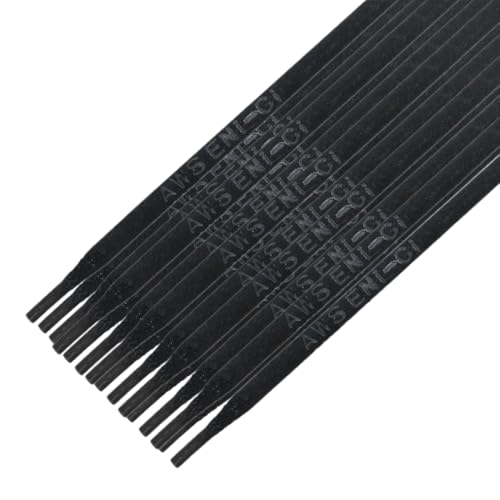
This pack of Fox Alloy pure nickel welding rods is designed specifically for cast iron repairs. It solves the common issues of crack repair and casting correction, letting you join gray and ductile iron parts with confidence. The rods meet strict standards, making them suitable for industrial and maintenance use.
Using these rods feels straightforward, especially when tackling thin sections or tricky fixes. The welds are soft and easy to machine, so you spend less time grinding or adjusting after the repair. Consistency and professional support mean you can trust your results every time.
Key Benefits For Cast Iron Welding
- Highly machinable welds reduce finishing work
- Works well for cold or low-temperature preheat repairs
- Ideal for joining, crack fixing, and casting correction
- Certified to major welding standards for peace of mind
- Ready for both industrial and workshop tasks
- Backed by Fox Alloy’s expert support
Consider Before Buying
- Rod size may be too small for heavy section repairs
- Pure nickel rods can be pricier than basic iron alternatives
- No bundled welding accessories included
Who This Fits Best
If you regularly fix gray or ductile cast iron—like engine parts, machinery, or tools—these rods will make life easier. They take the guesswork out of welding repairs, helping you avoid brittle or hard-to-machine welds that can slow you down.
You’ll appreciate the soft deposit and easy post-weld machining, especially on thin or delicate iron. For best results, keep the workpiece clean and try a low-temperature preheat, which helps minimize stress and cracking. Knowing the rods are certified and professionally supported offers real peace of mind, especially for critical repairs.
I find the straightforward welding experience reassuring, with fewer surprises and reliable results every time.
| Best for | Why |
|---|---|
| Gray cast iron repairs | Soft weld metal and machinability reduce post-weld hassle |
| Crack correction on machinery | Certified rod ensures reliable, lasting repairs |
| Thin-section welding | Low-temperature deposition minimizes distortion and stress |
| Workshop maintenance tasks | Pack of 15 rods supports ongoing repairs and quick fixes |
Weldcote Nickel 99 Cast Iron Electrode
As the Best Fill Rod for Welding Cast Iron, this electrode is ideal for dependable repair jobs where cast iron strength matters most.

This fill rod from Weldcote Metals is made for arc welding repairs on cast iron. It’s a nickel 99 electrode designed to tackle cracks, breaks, and restoration work where cast iron parts need reliable fixes. The 1/8″ diameter and 1 lb.
Pack size suit small to medium jobs in automotive, machinery, and restoration settings.
In use, the electrode offers steady performance, helping you fill gaps and restore parts with confidence. The rod’s consistent flow makes welding less stressful and helps produce cleaner, stronger joints. Whether you’re new to cast iron repair or experienced, it simplifies the process and saves time on tough projects.
Why This Electrode Stands Out
- Engineered specifically for cast iron repairs
- Nickel 99 formula helps minimize cracking
- Good size for most repair tasks
- Easy to handle during arc welding
- Trusted brand for welding supplies
- Suitable for restoration and maintenance work
What To Keep In Mind
- Not intended for aluminum or steel welding
- No bundled accessories included
- Best for single-purpose jobs (cast iron only)
Who This Fits Best
This electrode is a solid choice for anyone repairing cast iron engine blocks, machinery parts, or restoring vintage items. It’s made for welders who want less guesswork and more reliability in their repairs. The nickel 99 composition helps prevent brittle welds, so you can feel secure about long-term strength.
If you’re tired of patching cast iron with generic rods, this is a smart upgrade. One tip: always prep the surface well and use a controlled heat to get smoother results and fewer surprises. I like that it takes the stress out of tricky repairs and helps avoid repeat fixes.
| Best for | Why |
|---|---|
| Cast iron engine block repairs | Designed to reduce cracks and improve strength |
| Machinery part restoration | Reliable for filling breaks and gaps |
| Vintage cast iron item fixes | Helps preserve original integrity |
| Maintenance shops needing single-purpose rods | Saves time with easy, consistent performance |
Buying Cast Iron Welding Rods: What Matters Most
Choosing Nickel Vs. Nickel-iron
Pure nickel rods offer softer, machinable welds and are best for gray cast iron and thin repairs. Nickel-iron blends provide stronger welds and higher crack resistance, especially for heavy-duty or ductile iron jobs.
Quantity And Packaging
Consider how many repairs you plan. Small packs suit occasional fixes, while larger sets are better for ongoing maintenance or multiple projects.
Compatibility With Your Equipment
Check rod diameter and length. Make sure your welding machine can handle these sizes. Standard 3/32″ rods fit most common setups.
Certifications And Quality
Look for rods meeting AWS, ISO, or other standards. This ensures predictable performance and safer results.
Common Mistakes With Cast Iron Welding Rods
- Skipping preheat or cooling steps, causing cracks.
- Choosing the wrong rod type for the iron grade.
- Using excessive welding current, leading to brittle welds.
- Ignoring rod storage, which can cause moisture problems.
Care And Storage Tips
- Store rods in a dry, sealed container to prevent moisture pickup.
- Handle gently—dropping can damage the coating and affect arc stability.
- Use unused rods within recommended shelf life for best results.
Faqs
Can I Use These Rods For Cast Iron-to-steel Repairs?
Nickel-iron rods are suitable for joining cast iron to steel. Pure nickel rods are not recommended for mixed metal joints.
Do I Need To Preheat Cast Iron Before Welding?
Preheating is often advised, especially for thick or stressed parts. It reduces the risk of cracking.
Are These Rods Compatible With Tig Welders?
Some nickel rods are designed for TIG use, but most are for stick welding. Check product specifics before buying.
How Do I Avoid Weld Cracking?
Use proper rod type, control heat input, and follow recommended cooling procedures. Avoid fast cooling.
What Should I Do If The Weld Is Hard To Machine?
Pure nickel rods produce softer, machinable welds. If machinability is important, avoid nickel-iron blends.
Can These Rods Be Used On Ductile Iron?
Nickel-iron rods work well for ductile iron repairs. Pure nickel rods are best for gray cast iron.
Summary: Making Your Choice
Cast iron welding rods differ mainly in material and weld characteristics. Think about the iron type, project size, and whether machinability or crack resistance is your priority. Quality certifications help you avoid surprises. Careful storage and correct welding technique will maximize your results.