
Cutting out a bad weld isn’t always as simple as grabbing a grinder. Some repairs need more precision, especially when you have to remove defective metal without damaging the surrounding material. That’s where what is gouging in welding becomes an important question for anyone who wants to repair welds efficiently and prepare joints the right way.
Gouging is one of those techniques that doesn’t get as much attention as MIG or TIG welding, but it’s used every day in fabrication shops, repair work, and heavy industries.
When done correctly, it saves time, improves joint preparation, and makes rewelding much easier. When done poorly, it can leave uneven grooves, excessive heat damage, and extra cleanup that slows the entire job.
Learning how gouging works can make a noticeable difference in the quality of your repairs and fabrication projects. I’ll explain what gouging is, the different methods used by professionals, where it fits into the welding process, and the practical tips that help you get clean, accurate results every time.
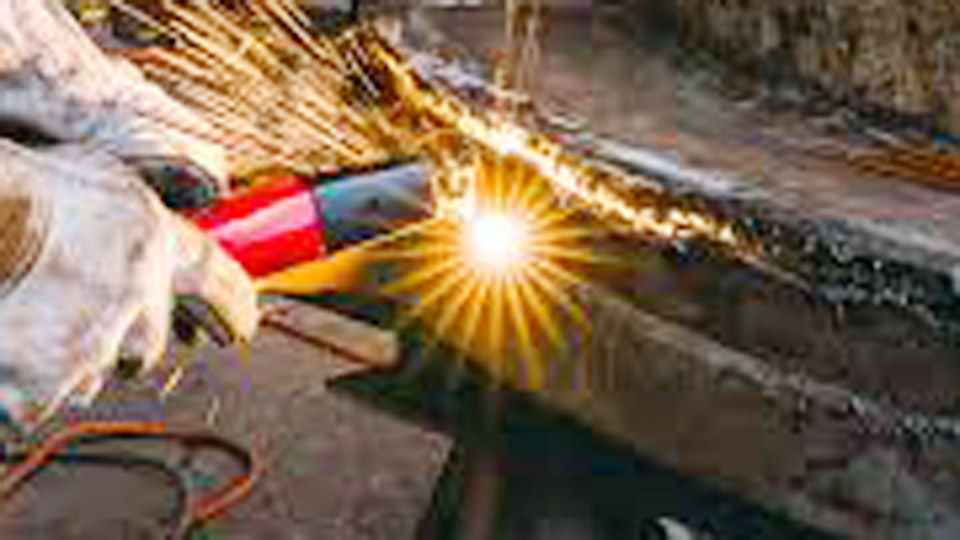
Image by red-d-ar
What Is Gouging in Welding? Methods, Uses & Key Benefits
Gouging removes metal by creating a groove or channel using intense heat to melt the material, then ejecting the molten puddle. Unlike cutting, which severs through the piece, gouging shapes or cleans surfaces while leaving the surrounding metal intact for rewelding.
The most common method in US shops is air carbon arc gouging (CAC-A), also called air arc gouging. You strike an arc between a carbon electrode and the workpiece. The arc melts the metal, and a jet of compressed air blows the molten material away, leaving a clean groove. It’s fast, portable, and works on many metals.
Other methods exist—plasma gouging for cleaner cuts on thinner materials or stainless, and oxy-fuel gouging for carbon steels—but air arc remains the go-to for versatility in most fabrication and repair scenarios.
How Does Air Carbon Arc Gouging Work?
You clamp a copper-coated carbon electrode into a specialized torch connected to your welding machine and an air compressor. Set the machine to DC electrode positive (DCEP) for most work. Turn on the air, strike the arc by touching the electrode to the metal, and push forward at an angle.
The arc generates temperatures high enough to melt the base metal quickly. The air jet, usually at 80-100 psi, blasts right behind the arc, sweeping the molten metal out of the way before it resolidifies. This creates a smooth, U-shaped groove ready for new weld metal.
The process relies on three things working together: electrical current for heat, the carbon electrode for the arc, and compressed air for removal. Unlike grinding, which produces dust and heat buildup, gouging removes material in chunks efficiently.
When and Why Should You Use Gouging?
Use gouging when you need to:
- Back-gouge a weld for complete penetration in critical joints, like pressure vessels or structural beams.
- Remove defective welds, cracks, or porosity without excessive base metal loss.
- Prepare joints by beveling edges or removing old weld metal for repairs.
- Eliminate backing bars, weld tabs, or temporary attachments.
- Repair castings or heavy fabrications where mechanical removal is too slow.
It shines in field repairs on heavy equipment or when access is tight. Grinding works for small jobs, but gouging handles larger volumes faster with less fatigue. On thick plate or multi-pass welds, it prevents distortion by removing material quickly without overheating large areas.
Why it beats alternatives: You save the base material for reuse, reduce grinding time, and achieve better cleanliness for the next weld pass. In a busy shop, that means fewer hours on rework and stronger final welds.
Choosing the Right Equipment for Gouging in Your Shop
Most US welders use a constant current (CC) machine capable of 200-600+ amps, depending on electrode size. Popular options include Miller, Lincoln, or ESAB machines with gouging modes. You need a dedicated gouging torch with air ports, like those from Arcair.
Compressed air is non-negotiable—aim for at least 80-100 psi with good volume (60+ CFM for sustained work). A decent compressor or shop air system handles it. For portable rigs, pair with an engine-driven welder that has strong output.
Electrode selection: Copper-coated carbons are standard. Sizes range from 1/8″ for precision to 3/8″ or larger for heavy removal. Match the electrode to your machine’s capability and job needs.
Amperage Ranges, Electrode Diameters, and Machine Settings
Settings make or break your gouge quality. Too low, and you’ll jab the electrode and get a rough surface. Too high, and you risk undercutting or excessive melt.
Typical ranges (DC electrode positive):
- 1/8″ (3.2 mm) electrode: 60-90 amps — great for light work or thin material.
- 5/32″ (4.0 mm): 90-150 amps.
- 3/16″ (4.8 mm): 200-250 amps — a sweet spot for many shop jobs.
- 1/4″ (6.4 mm): 300-400 amps — aggressive removal on thicker steel.
- Larger sizes up to 3/8″ or more for heavy plate, pushing 450-600+ amps.
Start in the middle of the range and adjust based on travel speed and sound. A steady “hiss” indicates good settings. Use DCEP for best results on steel. For aluminum or other metals, polarity and electrodes may vary—test on scrap first.
Air pressure: 80-100 psi. Keep the electrode extension 3-7 inches from the torch head for stability.
Step-by-Step Guide to Air Arc Gouging
- Prep the area: Clean the surface of rust, paint, oil, or scale. Mark your gouge line with soapstone for straightness.
- Safety up: Full PPE—welding helmet with dark shade (12-14), leather jacket, gloves, ear protection (it’s loud), and safety glasses. Clear the area of flammables; molten metal flies.
- Set up equipment: Connect torch to machine (positive) and ground clamp. Hook up air line. Insert electrode with about 4-6 inches protruding, air jets directed at the arc zone.
- Strike the arc: Turn on air first, then touch electrode to workpiece at a 35-45° push angle. Maintain a short arc by keeping steady forward pressure without forcing.
- Travel: Push steadily, letting the air do the work. Multiple shallow passes beat one deep, wavy gouge. Oscillate slightly for wider grooves.
- Clean up: Remove any residual carbon or slag with a wire brush or grinder before welding.
Practice on scrap to get the feel—angle, speed, and pressure are key.
Gouging Different Materials: Steel, Stainless, Aluminum, and More
Carbon steel responds best to standard air arc gouging. For stainless, it works well but watch for carbon contamination—grind lightly afterward if needed for high-purity applications. Aluminum requires adjustments: lower amps, specific electrodes, and careful cleaning to avoid porosity in the final weld.
Cast iron or high-alloy materials may need slower speeds and post-gouge inspection for cracks. Always match filler metal compatibility to the base after gouging—use low-hydrogen rods for structural steel repairs.
Joint prep tips: After gouging, the groove should have a smooth contour. Bevel edges properly for the welding process (SMAW, MIG, TIG, etc.). Remove any hardened layer or dross.
Common Mistakes Beginners and Pros Make
- Jabbing instead of pushing: Low amperage or poor angle causes sticking and uneven grooves. Increase amps or improve technique.
- Going too deep in one pass: Results in wavy, undercut surfaces needing extra grinding. Use multiple light passes.
- Insufficient air pressure: Molten metal redeposits, creating inclusions. Check your compressor.
- Wrong polarity: Leads to unstable arc and excessive electrode consumption.
- Poor cleanup: Leaving carbon residue causes weld defects. Always brush or grind.
- Ignoring heat input: On thin material or repairs, excessive gouging distorts the piece. Plan your passes and use clamps.
Pros sometimes rush on production—slow down for quality, especially on code work.
Safety Considerations Every Welder Must Know
Gouging throws sparks and molten droplets everywhere. Wear proper clothing, use screens, and protect bystanders. The noise level demands ear plugs or muffs. Fumes can be heavy—ensure ventilation or use a respirator, especially on coated steels or stainless.
Electrical safety: Inspect cables and torch. Ground properly. Compressed air hazards include hose whip—secure connections.
In US shops, follow OSHA guidelines for PPE and fire watch on hot work.
Pros and Cons of Air Arc Gouging
Pros:
- Fast material removal compared to grinding.
- Portable and works with standard welding machines.
- Versatile across thicknesses and positions.
- Cost-effective for repairs—saves base metal.
- Good for back gouging to achieve full penetration welds.
Cons:
- Noisy and messy (spatter and noise).
- Requires good air supply and power.
- Potential for carbon contamination on sensitive alloys.
- Learning curve for smooth results.
- Not ideal for very thin materials without care.
Compared to plasma gouging (cleaner, less noise) or mechanical methods (slower), air arc balances speed and capability for most applications.
Comparison of Gouging Methods
| Method | Best For | Speed | Cleanliness | Noise/Spatter | Equipment Needs | Cost |
|---|---|---|---|---|---|---|
| Air Carbon Arc | Steel, heavy removal | Very Fast | Good (post-clean) | High | Welder + Compressor | Low |
| Plasma Gouging | Stainless, precision | Fast | Excellent | Moderate | Plasma System | Higher |
| Oxy-Fuel Gouging | Carbon steel only | Medium | Fair | Moderate | Gas setup | Low |
| Grinding/Chipping | Small areas, finish | Slow | Excellent | Low | Grinder/Tools | Low |
Choose based on your shop setup and job requirements.
Practical Tips from the Shop Floor
- Keep a steady rest hand for overhead or vertical gouging.
- Use a push technique—never drag.
- For straight lines, mark with chalk and practice dry runs.
- On repairs, gouge slightly wider than the defect to ensure full removal.
- Monitor electrode consumption; replace before it gets too short.
- For SMAW follow-up, low-hydrogen electrodes pair well after proper cleaning.
- Test settings on scrap matching your material thickness.
In fabrication, combine gouging with proper joint design for multipass welds that pass inspection every time.
Integrating Gouging into Your Workflow
Whether back-gouging a V-groove for a pressure vessel or repairing cracked brackets on machinery, sequence it right: Gouge, clean, inspect, then weld with appropriate parameters. For MIG or flux-cored, ensure the groove allows good access and fusion.
Students and hobbyists: Start small on mild steel plate. Pros: Use it to salvage expensive components on tight deadlines.
Reflection on Mastering Gouging
After hundreds of hours gouging in real jobs, the technique separates good welders from great ones. You understand processes like SMAW integration, select correct amperage and electrodes, prepare joints thoroughly, and avoid pitfalls that cause failures.
You’re now equipped to handle gouging confidently—removing defects efficiently, preparing strong joints, and minimizing downtime. The next time a cracked weld or incomplete penetration shows up, you’ll know exactly how to fix it right.
Always gouge a little extra and grind the final surface lightly before welding. That small step prevents inclusions and gives you X-ray quality results more often than not.
FAQ: Common Questions About Gouging in Welding
How deep can you gouge in one pass?
Typically 1/8″ to 1/4″ comfortably, depending on electrode size and settings. Multiple passes for deeper grooves prevent rough surfaces. Control travel speed for consistency.
Can I use my regular stick welder for gouging?
Yes, if it delivers enough amperage (200+ amps recommended for practical work) and supports DC+. Add a gouging torch and air supply. Check your machine’s duty cycle for sustained use.
What’s the best way to clean after gouging?
Wire brush vigorously, then grind any carbon residue or dross. For critical welds, use a flap disc or grinder to achieve a bright, clean surface.
Is gouging safe on stainless steel?
It works, but minimize carbon pickup by prompt cleaning and grinding. Some prefer plasma for stainless to reduce contamination risk.
What air pressure and CFM do I need?
80-100 psi with adequate volume. For 1/4″ electrodes, 60+ CFM prevents slag buildup. Test your setup to avoid weak ejection.


