
Figuring out the biggest gap you can fill in welding is one of the most common questions for DIYers and metalworking enthusiasts. Filling gaps correctly isn’t just about strength—it ensures your welds are clean, precise, and long-lasting. Whether you’re repairing metal furniture, building custom projects, or tackling home improvements, understanding gap filling can prevent weak spots, cracks, and costly mistakes.
Much like effective bathroom cleaning or stain removal keeps your home in top shape, mastering proper welding techniques safeguards the quality and durability of your work. With the right filler material and technique, you can create strong, professional-looking welds that stand the test of time.
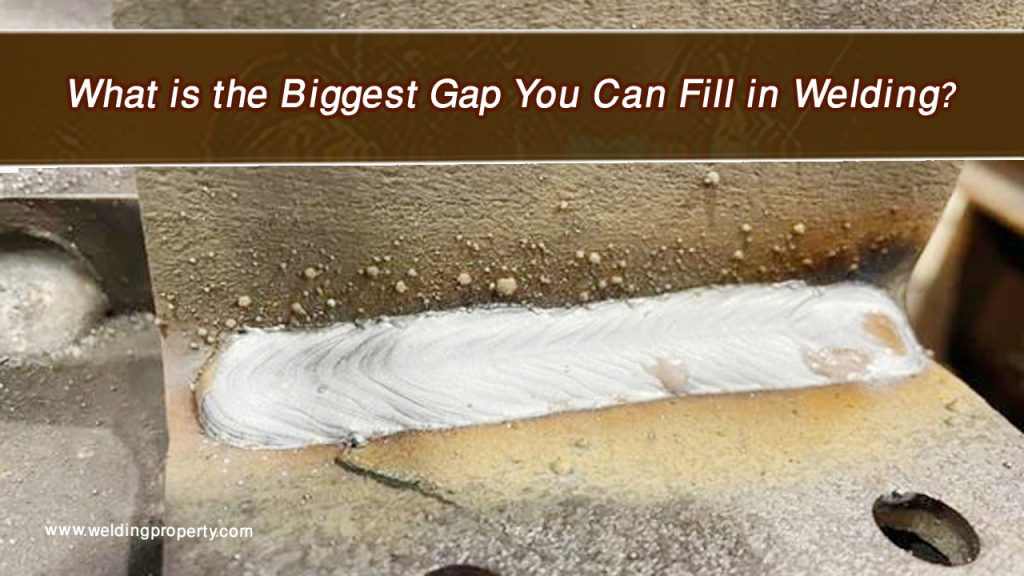
Image by reddit
Why Gaps Matter in Welding
Gaps happen for all sorts of reasons: poor fit-up, material warping, or just working with old, uneven metal. As welders, we care about gaps because they affect weld integrity, structural strength, and safety. A poorly filled gap can lead to cracks, weak joints, or leaks in critical applications like pressure vessels or pipelines. Plus, wasting time and filler metal on bad welds eats into your budget and reputation.
I once had a client bring me a trailer frame with gaps over 1/4 inch due to sloppy cutting. Filling those gaps took patience, the right technique, and a lot of rod, but it taught me how to handle big gaps without compromising strength. Let’s break down what you need to know to do the same.
Weld Imperfections and Gaps
A gap in welding is the space between two pieces of metal you’re trying to join. Gaps can be intentional (designed into the joint for penetration) or accidental (from poor prep or fit-up). The biggest gap you can fill depends on your welding process, material thickness, filler type, and skill level. Here’s the deal:
- Small gaps (up to 1/16 inch): These are common and usually easy to bridge with most welding processes like MIG, TIG, or stick.
- Medium gaps (1/16 to 1/8 inch): These require more filler and technique but are manageable with proper prep.
- Large gaps (1/8 to 1/4 inch): These push the limits of standard welding and often need backing strips, multiple passes, or specialized techniques.
- Huge gaps (over 1/4 inch): These are rare and tough, often requiring backing, buttering, or even rethinking the joint design.
In my shop, I’ve filled gaps up to 3/16 inch with MIG welding on mild steel, but anything bigger usually needs a backing strip or a complete redo of the fit-up. Let’s dive into how different welding processes handle gaps.
MIG Welding for Gap Filling
MIG (GMAW) is my go-to for filling gaps in the shop because it’s fast, versatile, and forgiving. With MIG, you can bridge gaps up to 1/8 inch without too much trouble, and up to 1/4 inch with some tricks. Here’s how I do it:
Joint prep: Bevel the edges of thicker metal (over 1/8 inch) to a 30-45 degree angle for better penetration. Clean the surfaces with a wire brush and degreaser to avoid contamination.
Machine settings: For a 1/8-inch gap on 1/4-inch mild steel, I set my MIG welder to 18-20 volts and 150-200 amps, depending on the wire size (0.035-inch ER70S-6 is my go-to). Use a push technique for better coverage.
Technique: Weave the torch side-to-side to deposit filler across the gap. Keep the arc short to avoid burn-through. For bigger gaps, make multiple passes, building up the weld pool gradually.
Backing strips: For gaps over 1/8 inch, I use a copper or steel backing strip to support the weld pool. Copper doesn’t stick to the weld, making it ideal.
Pro Tip: If the gap’s too wide, tack a piece of scrap metal behind it as a temporary backing. I’ve done this on old farm equipment repairs, and it saves time and rod.
Common Mistake: Don’t crank the voltage too high thinking it’ll fill the gap faster—you’ll just get spatter and burn-through. I learned this the hard way on a thin sheet metal job that ended up looking like Swiss cheese.
TIG Welding for Precision Gap Filling
TIG (GTAW) is perfect for precise work on thinner metals or critical applications like stainless steel or aluminum. It’s slower than MIG but gives you control to fill gaps up to 1/8 inch cleanly. Here’s my approach:
Joint prep: Clean the metal thoroughly with acetone and a stainless steel brush. For gaps over 1/16 inch, bevel the edges slightly for better filler flow.
Machine settings: For 1/8-inch stainless steel with a 1/16-inch gap, I set my TIG welder to 60-80 amps (DCEN) with a 1/16-inch tungsten electrode (2% thoriated or lanthanated). Use a 308L filler rod for stainless.
Technique: Feed the filler rod manually into the weld pool, using a tight weave or walking-the-cup motion to bridge the gap. Keep the arc focused to avoid overheating.
Back-purging: For stainless or aluminum, back-purge with argon to prevent oxidation and ensure a clean weld.
I once filled a 1/8-inch gap on an aluminum boat hull with TIG, and the key was patience—slow, steady filler additions and a clean setup made it look seamless. TIG’s not ideal for huge gaps (over 1/8 inch) unless you’re using a backing strip, as the process is too slow for heavy filler deposition.
Common Mistake: Don’t rush TIG welding on gaps. I’ve seen newbies try to speed through and end up with incomplete fusion or a lumpy weld. Take your time—it’s worth it.
Stick Welding for Rugged Gap Filling
Stick welding (SMAW) is a beast for filling gaps in tough conditions—like outdoor repairs or thick steel. You can bridge gaps up to 1/4 inch with the right rod and technique. Here’s how I handle it:
Joint prep: Grind or bevel the edges for better penetration. Remove rust, paint, or oil with a wire brush or grinder.
Rod choice: For mild steel, I use E7018 rods for their strength and low-hydrogen properties. For gaps over 1/8 inch, E6011 rods are great for deep penetration.
Machine settings: On 1/4-inch steel with a 1/8-inch gap, I set my stick welder to 100-130 amps for a 1/8-inch E7018 rod. Adjust up or down based on material thickness.
Technique: Use a wide weave or step technique to fill the gap, pausing to slag off between passes. For larger gaps, build up the weld with multiple passes.
I’ve filled 1/4-inch gaps on heavy equipment repairs with E7018 rods, and while it’s not pretty, it’s strong. For anything bigger, I’d recommend a backing strip or switching to MIG for speed.
Common Mistake: Don’t use too small a rod for big gaps—it’ll burn up fast and leave a weak weld. I made this mistake on a structural beam repair and had to grind it out and start over.
Comparing Welding Processes for Gap Filling
Here’s a table comparing MIG, TIG, and stick for gap filling, based on my experience:
| Process | Max Gap Size | Best For | Pros | Cons |
|---|---|---|---|---|
| MIG | 1/4 inch | General shop work, mild steel | Fast, versatile, good for multi-pass | Can be messy, less precise |
| TIG | 1/8 inch | Stainless, aluminum, thin metals | Precise, clean welds | Slow, not ideal for large gaps |
| Stick | 1/4 inch | Outdoor repairs, thick steel | Rugged, deep penetration | Slag cleanup, less aesthetic |
Pro Tip: If you’re unsure which process to use, start with MIG for most gaps—it’s forgiving and fast. Reserve TIG for precision or food-grade work, and stick for heavy-duty or field jobs.
Backing Strips and Buttering for Large Gaps
For gaps over 1/4 inch, you’re pushing the limits of standard welding. This is where backing strips and buttering come in. Here’s how I do it:
Backing strips: Place a strip of copper, ceramic, or steel behind the gap to support the weld pool. Copper’s my favorite because it doesn’t fuse to the weld. Tack it in place, weld, then remove it.
Buttering: Apply layers of filler metal to both sides of the gap to build up the edges before joining them. I’ve used this on pipeline repairs with gaps up to 3/8 inch, using MIG with ER70S-6 wire.
Settings: For buttering with MIG, I lower the voltage (16-18 volts) to control the bead size and avoid burn-through.
I once repaired a cracked machine base with a 1/2-inch gap by buttering both sides with stick welding (E7018) and then bridging with a final pass. It was time-consuming but saved the client from replacing the part.
Common Mistake: Don’t skimp on buttering layers—thin layers lead to weak welds. I learned this on a structural repair that cracked under load because I rushed the buildup.
Safety Considerations for Gap Filling
Filling large gaps means more heat, filler, and time, which ups the safety risks. Here’s what I keep in mind:
Wear PPE: Always use a welding helmet (shade 10-12 for MIG/stick, 8-10 for TIG), gloves, and a flame-resistant jacket. I’ve got burn scars from skipping gloves early in my career—don’t repeat my mistake.
Ventilation: Welding large gaps produces more fumes, especially with stick or MIG. Use a fume extractor or work in a well-ventilated area.
Fire hazards: Molten metal from gap filling can drip and ignite nearby flammables. Keep a fire extinguisher handy and clear the area of rags or oil.
Follow codes: For structural or pressure vessel work, check AWS D1.1 or ASME standards to ensure your welds meet safety requirements.
Real-World Applications: Gaps in Different Projects
Gaps show up in all kinds of welding jobs, and the approach depends on the project. Here’s how I’ve tackled them:
Automotive repairs: Gaps in car frames or exhausts (up to 1/8 inch) are common due to rust or poor fit-up. MIG with ER70S-6 wire works great for quick, strong welds.
Structural steel: Gaps in beams or columns (up to 1/4 inch) often need stick welding with E7018 rods for deep penetration and code compliance.
Pipelines: Large gaps in pipe joints (up to 3/16 inch) require TIG for precision or stick for field repairs, often with backing or buttering.
DIY projects: Hobbyists building trailers or furniture might deal with gaps from uneven cuts. MIG with a backing strip is forgiving for beginners.
I once helped a buddy fix a motorcycle frame with a 1/8-inch gap from a bad cut. We used MIG with a copper backing strip, and the weld held up through years of rough riding.
Step-by-Step Guide to Filling a Large Gap
Here’s my go-to process for filling a 1/4-inch gap on 1/4-inch mild steel using MIG:
- Prep the joint: Bevel both edges to 30 degrees, clean with a wire brush, and degrease with acetone.
- Set up a backing strip: Tack a copper strip behind the gap to catch the weld pool.
- Set your welder: Use 0.035-inch ER70S-6 wire, 18-20 volts, 150-200 amps.
- Tack weld: Place small tacks at both ends of the gap to hold the pieces in place.
- First pass: Weave the torch side-to-side, filling the gap halfway. Keep the arc short to avoid burn-through.
- Second pass: Build up the weld with another weave pass, ensuring full coverage.
- Clean and inspect: Wire brush the weld, check for cracks or porosity, and grind if needed for a smooth finish.
- Final pass: Add a cap pass for strength and aesthetics.
This process saved me on a trailer repair with a messy fit-up. The client couldn’t tell the gap was ever there.
Conclusion
Filling gaps in welding is all about choosing the right process, prepping the joint, and using the proper technique. Whether you’re bridging a 1/16-inch gap with TIG for a clean stainless weld or tackling a 1/4-inch gap with MIG and a backing strip, you’ve got the tools to make it work. MIG is your best bet for speed and versatility, TIG for precision, and stick for rugged jobs. Always prep thoroughly, match your filler to the metal, and prioritize safety to avoid costly mistakes.
You’re now ready to handle gaps like a seasoned welder. Next time you’re in the shop, take a moment to assess the gap, pick the right process, and weld with confidence. Your projects will be stronger, safer, and better-looking for it.
FAQ
What’s the biggest gap you can weld without a backing strip?
For most processes, 1/8 inch is the practical limit without a backing strip. MIG and stick can handle up to 1/4 inch with multiple passes, but anything larger risks weak welds or burn-through unless you use backing or buttering.
Can you fill gaps with TIG welding?
Yes, TIG is great for gaps up to 1/8 inch, especially on stainless or aluminum. Use a tight weave and proper filler (like 308L for stainless) for clean, strong welds. Larger gaps need backing or are too slow for TIG.
What’s the best filler rod for filling gaps in steel?
For mild steel, E7018 (stick) or ER70S-6 (MIG) are top choices for their strength and versatility. For stainless, match the filler to the base metal (308L for 304, 316L for 316). Always check material compatibility.
How do you avoid burn-through when filling large gaps?
Use lower amps, a short arc, and a weaving technique to control heat. A backing strip (copper or steel) catches molten metal and prevents burn-through. Multiple passes also help build up the weld gradually.
Why do my gap-filled welds crack?
Cracks often come from poor prep, overheating, or mismatched filler. Clean the joint thoroughly, use low heat, and match the filler to the base metal. For large gaps, buttering or backing prevents stress cracks.


