If you’re familiar with spot welding, then seam welding will feel somewhat similar. Seam welding is a process where two pieces of metal are joined together by applying heat and pressure along a continuous line or “seam.” Instead of individual weld spots, this method creates a smooth, continuous weld that looks more like a stitched line or seam, which is where it gets its name. This method is common in industries like automotive, manufacturing, and even home appliances.

Image by thevidboss
So, how does seam welding work, and where would you use it? Let’s take a deeper look into what makes this welding technique unique and why it’s so widely used.
How Does Seam Welding Work?
Seam welding is based on the principle of resistance welding, where an electric current is used to generate heat between two metal surfaces. Here’s a quick breakdown of the key steps and components involved in seam welding.
Basics of the Process
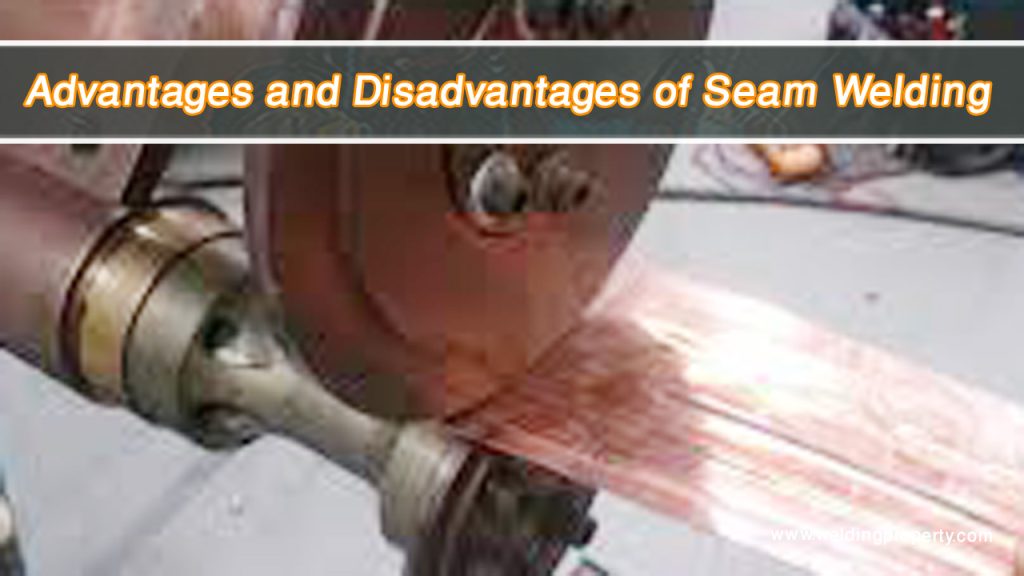
In seam welding, two wheel-shaped electrodes roll over the edges of the metal pieces to be joined. As they roll, an electrical current passes through the wheels and into the metals. The combination of pressure from the wheels and the heat generated by the current causes the metal to melt and fuse, forming a strong, continuous weld along the joint.
Types of Seam Welding
There are a couple of common types of seam welding that are worth knowing about. Each has its own specific uses and benefits:
Roll Spot Seam Welding
This type of seam welding creates a series of overlapping spot welds. It’s a good choice when you want the strength of a continuous weld but don’t need a fully airtight seam.
Continuous Seam Welding
As the name suggests, this method creates a solid, continuous line of weld without gaps. This type is ideal for applications where airtight or watertight seals are needed. Let’s take a closer look at the individual elements that make seam welding possible.
Components of Seam Welding
Seam welding relies on a few essential components to function correctly. Understanding these will help you appreciate how each part contributes to a strong, uniform weld.
Wheel Electrodes
The wheel electrodes are the stars of the seam welding process. Unlike regular electrodes, these are circular wheels that roll along the joint. They serve two purposes: applying pressure to the metal and conducting the electric current that generates heat. The wheels’ continuous motion allows for smooth, even welds.
Power Supply
A reliable power supply is crucial for seam welding. The power supply generates the electrical current needed to create the heat for welding. In most cases, seam welding uses alternating current (AC), which helps maintain a consistent temperature and weld quality along the seam.
Cooling System
Seam welding generates a lot of heat, so an effective cooling system is essential to prevent overheating. The electrodes and the workpieces can get extremely hot during welding, and without proper cooling, they could become damaged. Typically, water cooling is used to keep everything at a safe temperature.
Workpiece
The metals being joined are the “workpieces” in the seam welding process. Not all metals can be seam welded, but many common industrial metals, like steel, aluminum, and stainless steel, are compatible with this method. The workpieces need to be prepped and cleaned to ensure a solid weld, as contaminants can weaken the final product.
Advantages of Seam Welding
Seam welding has some clear advantages, especially for applications requiring a strong, consistent weld. Here are a few key benefits that make it a go-to choice in many industries:
Strong, Consistent Welds
One of the biggest strengths of seam welding is the consistency it provides. Since the electrodes roll along in a continuous motion, the result is a smooth, even weld. This consistency is particularly important in industries where the welds need to withstand heavy use or pressure, like in automotive manufacturing.
Suitable for Airtight and Watertight Seals
Continuous seam welding can create fully airtight and watertight seals. This makes it ideal for applications where the finished product needs to hold liquid or air, such as fuel tanks, radiators, and certain types of containers.
Efficient and High-Speed
Seam welding can be done quickly, especially compared to manual welding methods. The rolling electrodes keep the process moving, making it possible to weld large seams in a short amount of time. This efficiency is a big advantage in mass production environments.
Minimal Distortion
Since seam welding applies pressure and heat in a controlled, localized way, it minimizes warping and distortion of the workpieces. This is particularly useful when working with thinner metals or materials that are prone to deformation under high heat.
Disadvantages of Seam Welding
While seam welding has many advantages, it also has limitations that may make it less suitable for certain projects. Here are a few of the main disadvantages:
Limited to Certain Materials and Thicknesses
Seam welding works best with certain metals, especially those that conduct electricity well, like steel and aluminum. It can struggle with very thin or very thick materials. Thin metals can burn through, while thick metals may not heat evenly, leading to weak welds.
Requires Precise Setup
Seam welding requires a highly precise setup. The welding electrodes, cooling system, and power supply all need to be carefully calibrated. If something is off, it can lead to weak or inconsistent welds. This precision setup can add to the time and cost of the process.
Equipment Cost
The specialized equipment required for seam welding, particularly the rolling electrodes and cooling systems, can be expensive. This higher upfront cost may make seam welding less accessible for smaller projects or businesses.
Comparison of Advantages and Disadvantages of Seam Welding
To make things a bit clearer, here’s a comparison of the advantages and disadvantages of seam welding:
| Advantages | Disadvantages |
|---|---|
| Strong, consistent welds | Limited to certain materials and thicknesses |
| Suitable for airtight and watertight seals | Requires precise setup |
| Efficient and high-speed | High equipment cost |
| Minimal distortion | This table should give you a quick snapshot of what to expect from seam welding. |
Applications of Seam Welding
Given its unique properties, seam welding has found its way into various industries. Here are a few of the most common applications where this welding method shines.
Automotive Manufacturing
In the automotive industry, seam welding is often used for creating fuel tanks, exhaust systems, and other components that need to be strong, airtight, or watertight. The consistency and speed of seam welding make it ideal for high-volume production lines.
Home Appliances
Seam welding is used in manufacturing many household appliances, such as washing machines and dishwashers. These products often have metal components that need strong, reliable seals to function correctly.
Food and Beverage Containers
Seam welding is also popular in the food and beverage industry, where it’s used to create cans and containers that need airtight seals. This method ensures that the contents stay fresh and uncontaminated.
Radiators and Heat Exchangers
In both automotive and industrial applications, radiators and heat exchangers need to be watertight to prevent leaks. Seam welding provides the reliability and strength required to keep these components functioning efficiently.
Types of Welding Compared: Seam Welding vs Spot Welding
While seam welding and spot welding share some similarities, there are a few key differences between the two:
| Feature | Seam Welding | Spot Welding |
|---|---|---|
| Weld Type | Continuous weld | Individual spot welds |
| Speed | Generally faster | Slower, depending on setup |
| Applications | Airtight/watertight seals, large seams | Joining thin sheets, smaller areas |
| Distortion | Minimal | May cause slight warping |
| Precision | Requires precise setup | Easier to set up |
Understanding these differences can help you decide which welding method is better suited to your project.
Final Thoughts on Seam Welding
Seam welding is a powerful, efficient method that’s ideal for projects needing a strong, continuous weld. It’s widely used across industries for its ability to create airtight and watertight seals, making it perfect for applications like fuel tanks, radiators, and food containers.
However, seam welding isn’t for every job. It requires precise equipment and setup, and it’s best suited for certain metals and thicknesses. But when you need a smooth, reliable, and consistent weld, seam welding can be an excellent choice.
So, If you’re in automotive, manufacturing, or even just curious about how your household appliances are made, knowing how seam welding works can give you a better appreciation for the strength and quality it brings to countless products.