
Mounting a weed wacker engine onto a bicycle sounds simple when you first lay the parts out in the garage. But once you start figuring out throttle control, engine mounting, and how to transfer power to the rear wheel without everything rattling loose, you quickly realize there’s more to it than bolting on a motor.
That’s why learning How to Put a Weed Wacker Motor on a Bike takes a bit of planning, patience, and practical problem-solving.
Small engines can turn a regular bike into a fun DIY project, but they also bring challenges with balance, vibration, and reliability. I’ve seen homemade setups run surprisingly well—and others fail after a short ride because the mounting brackets or drive system weren’t secure enough.
Understanding the right way to approach the build matters for both performance and safety. In this guide, I’ll walk through the basic setup process, common mistakes to avoid, and the practical tips that make these small motorized bike projects work more smoothly.
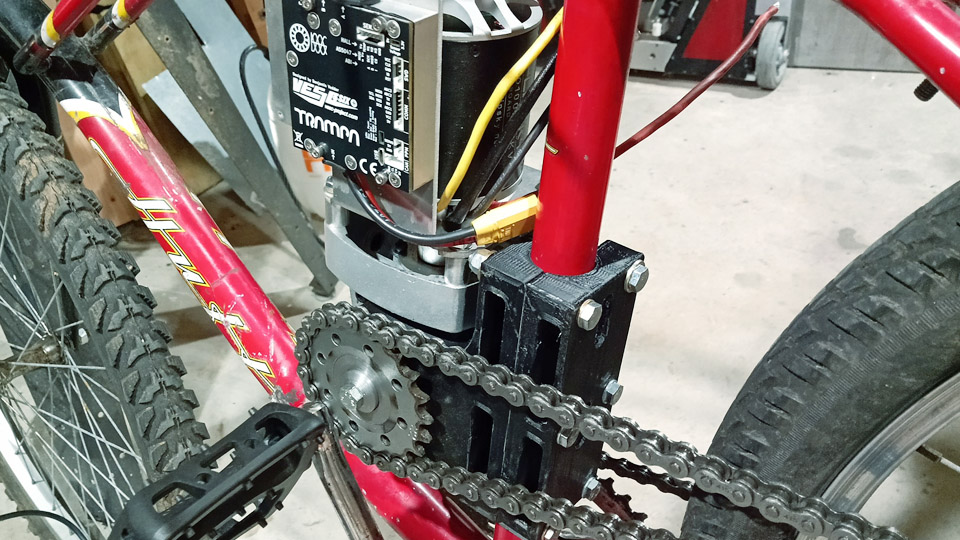
Image by etotheipiplusone
Why Welders and Fabricators Love This Project
Weed wacker motors are everywhere—yard sales, scrap piles, Craigslist for $10-30. They’re compact two-stroke powerplants with built-in centrifugal clutches on many models. The challenge lies in securely mating that lightweight engine to a bike frame that flexes under load.
Proper welding prevents the motor from shaking loose at speed, maintains drive tension, and avoids cracking the frame. Skip solid joint prep and you’ll spend more time fixing than riding.
This project hits sweet spots for SMAW, MIG, or TIG users looking for real-world practice on thin tubing, angle iron, and dissimilar materials.
Choosing the Right Weed Wacker Motor and Bike
Start with a 25-38cc two-stroke engine. Avoid four-strokes unless you want extra complexity with oiling and lower power-to-weight. Look for ones with a functional centrifugal clutch—it disengages at idle so you can stop without killing the motor.
Engine Prep Tips:
- Strip unnecessary plastic shrouds and the long drive shaft.
- Inspect the crankshaft end. Many need a bike peg or custom sprocket/roller welded or bolted on for friction or chain drive.
- Clean the carb, replace fuel lines and primer bulb, and freshen the spark plug.
For the bike, pick a sturdy steel-frame cruiser or BMX with 26-inch wheels. Avoid aluminum or carbon—steel welds reliably and handles vibration. Beach cruisers offer good geometry for rear mounting. Check head tube and down tube strength; you’ll be adding loads they weren’t designed for.
Common Beginner Mistake: Grabbing a tiny 20cc unit or a weak-framed kids bike. It either won’t move you or vibrates itself to death.
Designing and Welding Motor Mounts
This is the heart of the build and where your welding skills shine. Most successful mounts use 1/8″ or thicker angle iron, flat bar, or square tubing.
Friction Drive vs. Chain Drive:
- Friction Drive (simplest): Engine roller or peg presses directly against the tire. Easy but wears tires faster and slips in wet conditions.
- Chain Drive: Requires sprockets and jackshaft for better power transfer and less tire wear. More fabrication.
How to Fabricate Strong Welded Motor Brackets
Measure twice. Position the engine so the drive contacts the rear tire (or chain aligns) with room for tension adjustment. I prefer mounting low and centered over the rear wheel for balance.
Step-by-Step Fabrication:
- Cut angle iron or plate to create two main supports that bolt to existing engine holes (former shaft or handle mounts).
- Create a pivot or slotted adjustment for tension—use a turnbuckle or sliding mount.
- Tack weld the brackets to the bike frame first. This lets you test fit, adjust angles, and ensure the drive lines up without binding.
- Full weld after testing. Use multiple passes on high-vibration areas.
Joint Prep and Welding Process Recommendations:
For mild steel bike tubing and angle iron:
SMAW (Stick): Great for outdoor or dirty shop work. Use 3/32″ or 1/8″ 6011 or 7018 rods. Amperage: 60-90A for 3/32″, 90-120A for 1/8″. Clean rust and paint thoroughly—grind to bright metal. Bevel joints slightly for better penetration on thicker material.
MIG (Flux Core or Gas): My go-to for speed. 0.030″ wire, 18-22V, 150-200 IPM wire speed depending on machine. Short-circuit transfer works well on thin bike tubing to minimize burn-through. Shielding gas (75/25) reduces spatter on visible joints.
TIG: Best for clean, strong, low-distortion welds on thin sections. Use 1/16″ filler rod, ~80-100A DC. Perfect if you’re showing off the bike later.
Material Compatibility Notes: Bike frames are usually mild steel (low carbon). Match filler to base metal. Preheat thick sections if welding to cast engine parts (rare but possible). Watch heat input—excessive heat warps thin tubing and weakens the frame.
Pro Tip from the Shop: Add gussets or triangular supports on brackets. Vibration is brutal; a pretty weld that cracks after 10 miles wastes your time.
Mounting the Engine: Practical Techniques
Friction Drive Setup
Grind or turn a flat on the crankshaft if needed, then press or weld on a rubber bike peg or custom roller. Mount the engine so you can apply downward pressure via spring or adjustable arm. Too much pressure and the tire wears fast; too little and it slips.
Weld a sturdy cross member or use U-bolts for no-weld options, but welded is stronger long-term. Many builders bolt angle iron then weld tabs.
Chain Drive Conversion
This requires more precision. Weld or bolt a small sprocket to the engine output. Add a jackshaft with bearings if ratios need tweaking. Align sprockets perfectly—use a straightedge or laser. Misalignment destroys chains and bearings quickly.
Tensioner Design: A simple slotted mount or idler pulley welded in place lets you adjust chain slack. Aim for about 1/2″ deflection.
Throttle, Kill Switch, and Controls
Route a throttle cable from the engine carb to a bike brake lever. Many weed wacker throttles adapt directly. Weld or clamp a small tab for the kill switch near the handlebar. Keep wiring short and secured—vibration loosens everything.
Fuel tank: Reuse the original or mount a small bottle with zip ties and brackets. Gravity feed works if positioned higher than the carb.
Safety Considerations Every Welder Should Know
These bikes aren’t DOT legal in most places for road use, but treat them seriously:
- Wear a helmet, gloves, and eye protection.
- Add a chain guard or tire guard—fingers and chains don’t mix.
- Test in a controlled area first. Brakes on stock bikes are marginal with added speed.
- Fire extinguisher nearby—two-strokes leak and spill fuel.
- Balance and handling change dramatically. Practice low-speed maneuvers.
Welding Safety: Proper PPE, ventilation for two-stroke fumes and welding gases, and secure work—engines can kick during starting tests.
Common Mistakes and How to Avoid Them
- Weak Mounts: Thin material or single-pass welds fail. Use gussets and multi-pass technique.
- Poor Alignment: Causes vibration, noise, and premature wear. Tack, test, then weld.
- Overheating Engine: Inadequate cooling after stripping shrouds. Add simple deflectors.
- Ignoring Maintenance: These small engines need fresh fuel mix (usually 50:1 or 40:1), clean filters, and regular spark plugs.
- No Tension Adjustment: Drive slips or binds as tires wear or components settle.
Pros sometimes overcomplicate with fancy suspension or gearing. Keep it simple for your first build.
Tools and Materials Checklist
- Angle iron, flat bar, U-bolts
- Grinder, cutoff wheel, drill
- Welder of choice with settings noted above
- Measuring tools, clamps, level
- Bike-specific: sprockets, chain, pegs, cables
Comparison Table: Drive Types
| Aspect | Friction Drive | Chain Drive |
|---|---|---|
| Complexity | Low | Medium-High |
| Cost | Lowest | Higher (sprockets, chain) |
| Tire Wear | High | Low |
| Efficiency | Good in dry | Better overall |
| Welding Needed | Moderate (mounts) | Higher (alignment critical) |
| Best For | Beginners, quick builds | Longer rides, reliability |
Tuning and First Ride
Mix fuel properly, start the engine off the bike first. Adjust carb for smooth idle and throttle response. On the road, engage gradually. Listen for unusual noises—vibration often signals loose mounts.
Expect to tweak. My first one needed bracket reinforcement after initial test rides. That’s normal.
Real-World Performance: A well-built 30cc friction drive easily cruises at 15-20 mph on flat ground with a 180lb rider. Hills require pedaling assist. Fun for short commutes or just messing around the shop neighborhood.
Taking It Further: Upgrades and Variations
Once comfortable, consider disc brake upgrades, better seating, or larger fuel tanks. Some fabricators integrate small cargo racks welded to the rear. The skills transfer directly to go-kart builds, mini bikes, or repair jobs.
Key Takeaways for Strong, Reliable Builds
You’ve seen the processes: thorough joint prep, correct amperage and rod/wire selection, tacking before final welding, and iterative testing. Materials matter—stick with compatible mild steels and account for vibration. Avoid the traps of weak brackets, poor alignment, and skipped maintenance.
The best advice a seasoned welder can give: Build it adjustable at first. Tack everything critical, ride it, then weld it solid once you’re happy. A rigid failure is far more frustrating than a quick adjustment.
Your welds will hold, the motor will spin true, and you’ll have a grin-inducing ride that proves your shop skills. Now get out there, fire up the welder, and turn that yard tool into transportation.


