
Cutting flexible metal conduit sounds simple—until the spiral starts fraying, the cut comes out jagged, and the fitting won’t seat properly. What should’ve been a quick job turns into extra cleanup and wasted material. That’s exactly where knowing How Do You Cut Flexible Metal Conduit the right way makes all the difference.
On the job, a clean cut isn’t just about looks—it affects how well connectors fit, how secure the run is, and whether you end up fighting sharp edges during installation. I’ve seen rushed cuts lead to loose fittings and even damaged wires because the conduit wasn’t prepped correctly.
Using the right tool and technique can save time, reduce frustration, and give you a safer, more professional result. I’ll walk you through the easiest and most reliable ways to cut flexible metal conduit cleanly, without the common mistakes that slow you down.
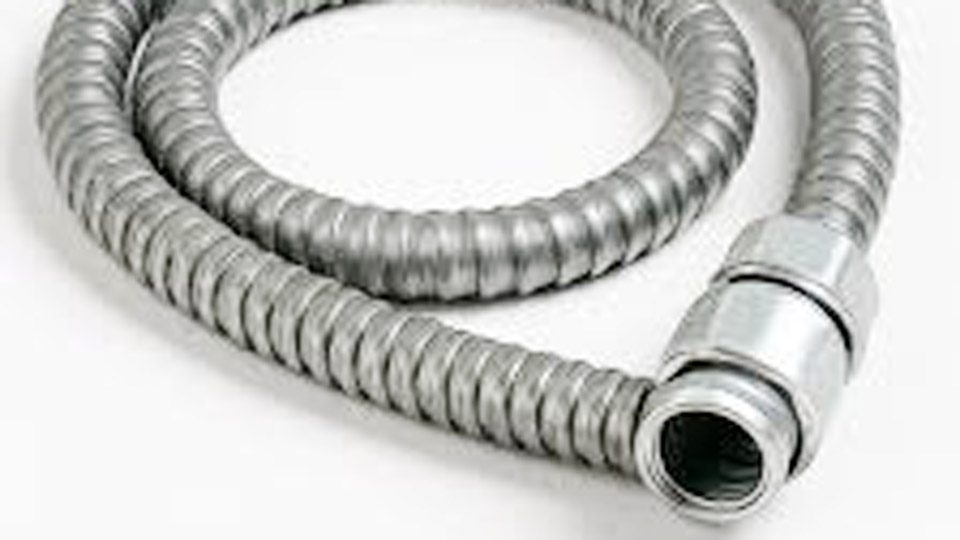
Image by shieldenstrut
Why Proper FMC Cutting Matters in Welding and Fabrication Shops
Flexible metal conduit protects wiring in environments where rigid conduit would crack or where vibration and movement are constant—think around welding machines, on mobile equipment, or in tight machinery enclosures.
A sloppy cut creates burrs that chafe wire insulation over time, leading to shorts, downtime, or code violations under NEC Article 348.
Poor cuts also waste material and time. You end up fighting to get connectors on, or worse, nicking the conductors inside. In a fabrication setting, that can mean pulling new wire or dealing with an electrical inspector who flags your work. Done right, the cut is square, clean, and ready for a fitting in seconds.
Understanding Flexible Metal Conduit Types
Before you pick up a tool, know what you’re cutting. FMC is the interlocking steel or aluminum spiral armor without the inner conductors (unlike MC or BX cable which has wires inside). Common sizes in shops run 3/8″ to 3/4″ or larger for bigger feeds.
Steel FMC is tougher and more common for industrial use. Aluminum is lighter but can be trickier because the convolutions snap differently. Liquidtight flexible metal conduit (LFMC) has a plastic jacket—treat the armor the same but account for the jacket when measuring.
Always check the print line on the conduit for specs and confirm it meets your local NEC requirements for your application.
Tools for Cutting Flexible Metal Conduit: What Actually Works
Rotary Armor Cutters (My Go-To for Production Work)
These specialized tools, like the Roto-Split or similar crank-style cutters, are worth every penny if you cut FMC regularly. Clamp the conduit in the tool, adjust the depth stop so you don’t nick the inside, and crank. The blade follows the spiral and gives a clean break with minimal burrs.
Pros: Fast, consistent, safer on the wires.
Cons: Upfront cost; not ideal for one-off jobs or very tight spaces.
In my shop, we keep one in the electrical cart. It pays for itself after a few jobs.
Hacksaw Method: Reliable Shop Standard
A good 32-teeth-per-inch blade in a standard hacksaw still gets the job done everywhere. Secure the conduit in a vise or use a cutting vise if you have one. Cut at a slight angle across one convolution—about 60 degrees works well. Don’t try to cut straight perpendicular; it binds.
Apply steady pressure and let the blade do the work. Stop as soon as you’re through the armor to protect anything inside.
Tip from the bench: Use a bi-metal blade. They last longer on the steel and flex less.
Other Shop-Friendly Options
- Angle grinder with thin cutoff wheel: Quick for bigger sizes or when you’re already grinding nearby. Wear gloves—edges are razor sharp. Great for fabricators who have the tool in hand.
- Multi-tool with carbide blade: Surprisingly effective for awkward angles.
- Diagonal cutters or side cutters: For small jobs, bend sharply to snap a convolution, then snip and unwind. Not my favorite for clean work but useful in a pinch.
Avoid tubing cutters meant for rigid EMT or copper—they crush the spiral.
Step-by-Step: How to Cut Flexible Metal Conduit Cleanly
Measure twice. Add a little extra length—FMC needs proper support and bend radius, so short cuts cause headaches during installation.
Mark your cut clearly with a tape and Sharpie.
Secure the work. Clamp it or hold firmly. Movement leads to angled, messy cuts.
Make the cut using your chosen method. For hacksaw, go slow on the final strokes.
Separate the pieces. Twist and pull apart at the cut. The spiral should unwind cleanly if you didn’t go too deep.
Deburr aggressively. Use a file, utility knife, or dedicated deburring tool on both inside and outside edges. Run your finger carefully (with gloves) to check for sharpness. This step prevents wire damage and makes fittings slide on easily.
Inspect the conductors (if present in MC) for nicks. Any damage means cutting back further.
That’s it. A good cut takes under a minute once you’re practiced.
Common Mistakes and How to Avoid Them
Beginners often cut too perpendicular and bind the blade, or they rush and nick the insulation. Pros sometimes get lazy with deburring on the last few cuts of the day—that’s when injuries happen.
Another big one: not accounting for the fitting. The connector needs to butt cleanly against the cut end. A jagged or angled cut means the whole assembly sits crooked.
Over-bending to snap without proper support can kink the conduit or create weak spots. And always power off and test for live wires before cutting installed runs.
Safety First: Shop-Proven Practices
Flexible conduit edges are vicious. Cut-resistant gloves are non-negotiable—I’ve seen nasty slices from seemingly minor contact. Eye protection, long sleeves, and proper ventilation if you’re grinding.
When working near live panels or machinery, lockout/tagout as required. In welding shops, watch for hot work permits if sparks could ignite nearby materials.
Store cut pieces with ends protected—cap them or tape if they’ll sit around.
Fitting and Installation Tips After the Cut
Once cut, install the right connector—set-screw or squeeze types for FMC. Hand-tighten first, then use a wrench for the final quarter-turn. Ensure the bushing or anti-short protector is in place if required for the cable type.
Support runs every 4.5 feet or per code, and maintain minimum bend radius (usually 12 times the diameter for larger sizes). In vibration areas common around welders, use strain relief properly.
Comparing Cutting Methods Side by Side
| Method | Best For | Speed | Cleanliness | Cost | Skill Level |
|---|---|---|---|---|---|
| Rotary Cutter | Daily shop use | Very Fast | Excellent | Medium-High | Low |
| Hacksaw | Occasional or field work | Medium | Good | Low | Medium |
| Angle Grinder | Fabricators with tool out | Fast | Good (with care) | Low | Medium |
| Snap & Snip | Quick repairs | Fast | Fair | Very Low | Medium |
Choose based on volume. For most welding shops doing occasional runs, a good hacksaw plus deburring tools covers 90% of needs.
Material-Specific Notes
Steel FMC cuts predictably but leaves sharper edges—deburr extra. Aluminum is softer and can be bent to snap more easily, but watch for crushing. Jacket on LFMC? Slice the plastic carefully first or it bunches up in the cut.
For stainless or specialty flexible conduit in food-grade or corrosive areas, stick to manufacturer recommendations—sometimes a bandsaw is better.
When to Choose FMC Over Other Conduit Types
Use flexible metal conduit where movement, vibration, or tight bends are expected. Rigid EMT or IMC for straight runs in protected areas. In welding environments, FMC shines for final drops to machines because it absorbs vibration that would fatigue rigid pipe.
Troubleshooting Bad Cuts
If the end is mangled, cut back to a good section—don’t force a fitting on a bad cut. For sharp burrs inside, a round file or stepped reamer works wonders. If wires are nicked, replace the damaged section.
Building Better Habits on the Job
Track your cuts. After a few jobs, you’ll know exactly how much length the fitting and box entry consume. Keep your blades sharp and tools organized. In a busy fab shop, the small efficiencies add up fast.
Takeaway: Cutting FMC well isn’t glamorous, but it separates clean, professional installs from frustrating ones that fail inspection or cause callbacks. Master these techniques and you’ll save hours over a year of projects.
The one pro tip I give every trainee: Always deburr like your wires depend on it—because they do. A extra 30 seconds there prevents hours of troubleshooting down the road when insulation wears through.
FAQs
What’s the fastest way to cut flexible metal conduit in the field?
A rotary armor cutter if you have it, or a sharp hacksaw with a 32 TPI blade. For true speed on multiple cuts, the rotary tool wins every time.
Can I use a pipe cutter on FMC?
Not recommended. Standard pipe cutters crush the spiral instead of slicing it cleanly. Save them for rigid conduit.
How do I prevent nicking the wires inside?
Use a depth-stop tool like a Roto-Split, cut carefully with a hacksaw at an angle, and always inspect after separating. Cut-resistant gloves help you handle it safely while checking.
Do I need to deburr every cut?
Yes. Sharp edges will cut gloves, hands, and especially wire insulation over time. It’s the difference between a code-compliant, long-lasting install and one that fails prematurely.
What’s better for welding shop use—steel or aluminum FMC?
Steel for durability and grounding in most industrial settings. Aluminum where weight is a concern and corrosion isn’t an issue. Match the material to your environment and follow NEC for grounding requirements.


