
Seam welding is a widely used technique in various industries, especially when it comes to joining metal sheets together. It’s a process where two overlapping sheets are welded continuously along a seam using rotating wheel-shaped electrodes. As someone who’s been around welding for a while, I haee had the chance to see its strengths and weaknesses firsthand.
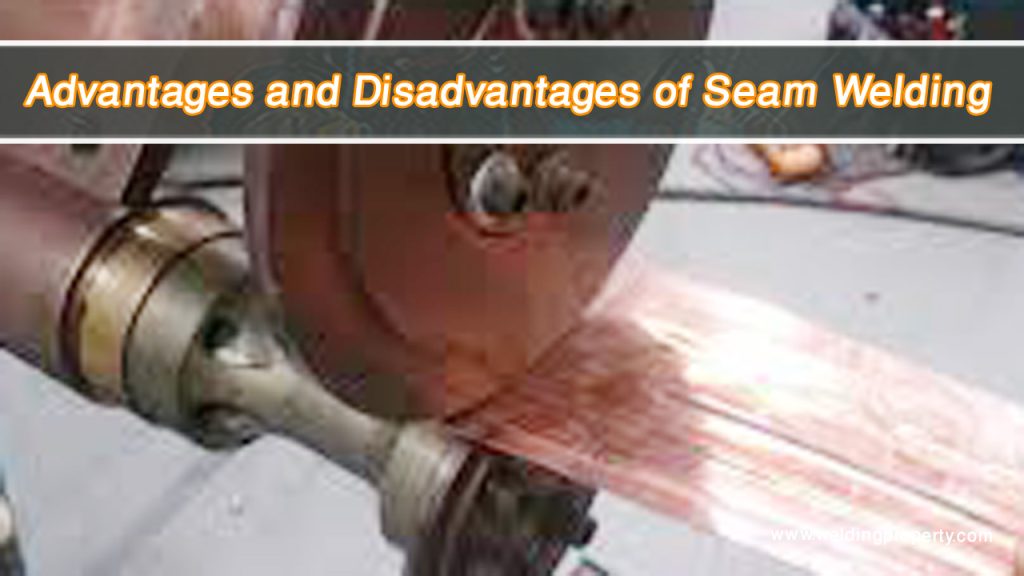
If you’re considering using seam welding for your next project, let’s dive into the good and the not-so-good sides of this method to help you make a more informed decision.
What Is Seam Welding, Exactly?
Before we get into the pros and cons, let’s quickly recap what seam welding is. Essentially, it’s a welding process that uses rotating electrodes to apply pressure and electrical current to the sheets of metal.
The electric current generates heat due to the resistance between the sheets, causing them to fuse together as the wheel rolls along the joint. It’s like spot welding but continuous, creating a leak-proof and durable seam.
Advantages of Seam Welding
Let’s start with the positives because, believe me, there are many. There’s a reason why seam welding is a go-to for so many industries.
Consistent and Strong Welds
One of the biggest advantages of seam welding is the consistency it offers. When done correctly, it creates uniform welds along the entire length of the seam. This consistency ensures that the welds are strong and reliable, which is especially important in industries where safety is a concern, such as automotive and aerospace.
When I first tried seam welding, I was impressed by how smoothly the welds came out compared to other methods like spot welding.
High Production Speed
Seam welding is great for mass production because the process can be automated, allowing for high-speed welding. If you’re working in a factory setting where time is money, seam welding can significantly speed up the workflow.
I’ve seen production lines where seam welding is used to join sheet metal for things like radiators and fuel tanks, and the speed is something else. It can be done much faster than other welding techniques, reducing overall production time.
Leak-Proof Seams
Since seam welding forms a continuous weld along the joint, it’s ideal for applications where a leak-proof seal is necessary. Think about things like fuel tanks, containers, or even refrigerators.
In these cases, a gap or a flaw in the weld could cause big problems, but with seam welding, you can achieve a seal that’s virtually airtight or watertight.
Ease of Automation
Another big win for seam welding is how easily it can be automated. Because the process involves rotating electrodes that move along the metal, it’s well-suited for robotic automation.
This makes it perfect for industries that rely on mass production. With the right setup, you can program a machine to handle the entire welding process, reducing the need for manual labor and minimizing errors.
Suitable for Thin Materials
Seam welding works particularly well with thin materials. If you’re dealing with sheet metal, it’s one of the most efficient ways to create a continuous and strong weld.
This is especially true in automotive applications where thin metals are often used to keep the weight of the vehicle down. I’ve found that with thicker materials, it can be a bit tricky, but for thinner sheets, it’s fantastic.
Disadvantages of Seam Welding
Of course, like anything, seam welding isn’t without its downsides. Here are some of the challenges I’ve noticed along the way.
Not Ideal for Thick Materials
While seam welding excels with thin sheets, it struggles with thicker materials. The process relies on electrical resistance, and with thicker metals, you might not get the heat distribution needed to make a strong weld.
I’ve run into this issue when trying to weld thicker components, and sometimes, it just doesn’t hold up as well as other techniques like MIG or TIG welding.
High Initial Equipment Cost
The equipment for seam welding can be expensive, especially if you want to automate the process. The wheel-shaped electrodes, the power supply, and the machinery required to hold everything in place can add up.
This isn’t the kind of setup you’d want if you’re a small shop with a tight budget. The initial investment is something to consider, even if it might pay off in the long run with high production speed.
Potential Heat Distortion
Seam welding involves a continuous application of heat, which can lead to heat distortion, especially in thin or heat-sensitive materials. When the metal gets too hot, it can warp or bend, which affects the final product’s quality.
I’ve had situations where I had to go back and fix distorted seams, and it can be quite a hassle. You need to have good control over the welding parameters to minimize this issue.
Limited Flexibility with Shapes
Because the process uses rotating wheels, seam welding works best on straight or slightly curved seams. If you’re trying to weld complex shapes, corners, or irregular joints, seam welding might not be the best choice.
I’ve found that while you can get around some limitations by adjusting the machine or using specialized electrodes, it’s not as versatile as other welding methods for intricate designs.
Requires Precise Setup
To get the best results from seam welding, the setup has to be just right. The pressure, speed, and current need to be perfectly balanced to achieve a strong and consistent weld.
Any slight deviation can affect the quality, which means a lot of time might be spent setting up and testing before actual production can begin. It’s not a big issue if you have a dedicated team for quality control, but for smaller operations, it can be a bit of a headache.
Comparison of Advantages and Disadvantages
To help visualize these pros and cons, I’ve laid them out in a table. This might give you a clearer picture of whether seam welding is a good fit for your needs.
| Advantages | Disadvantages |
|---|---|
| Consistent and strong welds | Not ideal for thick materials |
| High production speed | High initial equipment cost |
| Leak-proof seams | Potential for heat distortion |
| Ease of automation | Limited flexibility with complex shapes |
| Suitable for thin materials | Requires precise setup and parameter control |
Should You Use Seam Welding?
The decision really depends on what you’re trying to achieve. If you need a quick and consistent way to weld thin sheets of metal, seam welding could be just the thing for you. The high production speed and leak-proof results are perfect for mass production, especially in industries like automotive or manufacturing.
Plus, if you’re dealing with materials that need to stay sealed (like fuel tanks or radiators), seam welding is a natural choice.
But if your project involves thick materials, complex shapes, or if you’re on a tight budget, you might want to look into other methods. MIG or TIG welding might offer better flexibility and control for those situations.
Also, keep in mind that if the setup is off or the parameters aren’t just right, you could end up spending more time fixing welds than actually welding.
My Experience with Seam Welding
From my own experience, I’ve had plenty of success with seam welding in the right settings. When I worked on projects that required joining thin sheets with minimal leaks, seam welding came through every time.
But I’ve also faced the occasional struggle with heat distortion, especially on thinner metals, and I had to spend a lot of time perfecting the setup.
It’s definitely a method worth considering if you’re in a production environment where speed and consistency are key. I’ve learned not to rely on it for every single task. The nature of the project often dictates whether seam welding is the right tool for the job.
Final Thoughts
Seam welding is a fantastic option for certain applications, offering speed, consistency, and leak-proof joints. But it also comes with some limitations, like difficulties with thick materials and high initial costs.
Weighing these advantages and disadvantages can help you decide if it’s the best welding method for your needs. I hope sharing my insights has helped you get a better understanding of what to expect.
If you’re still unsure, try experimenting on a small scale first. That way, you can get a feel for whether it will meet your project’s requirements without making a big upfront investment. The best way to learn is by getting your hands on the tools and seeing how they perform in real-world situations!


