
Running out of compressed air in the middle of a job is never convenient. Whether you’re inflating tires, powering a nail gun, or blowing debris off a freshly welded project, an empty portable air tank can bring everything to a stop.
That’s why knowing how to fill up a portable air tank correctly is an essential skill for any DIYer, mechanic, or workshop owner.
Filling an air tank may seem as simple as connecting a hose and opening a valve, but there’s more to it than that. Using the wrong pressure, skipping a quick safety check, or overfilling the tank can shorten its lifespan and create unnecessary risks. A few simple steps make all the difference in keeping your equipment safe and ready for the next job.
But the process is quick once you understand the basics. I’ll walk you through how to fill a portable air tank safely, the equipment you’ll need, common mistakes to avoid, and a few practical tips to help your tank last for years.
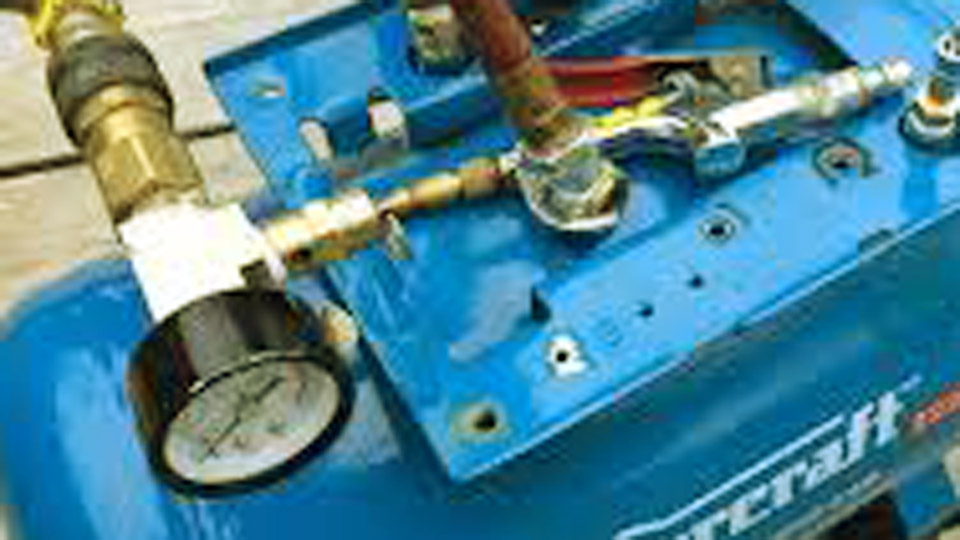
Image by instructables
Why Portable Air Tanks Matter in Welding Work
In a busy welding setup, your main compressor might be tied up running a plasma cutter or providing constant air to a booth. A portable tank—typically 5 to 11 gallons—lets you carry pressurized air to the workpiece without dragging hoses everywhere or waiting for the big tank to recover.
I’ve used them to blow out mill scale before MIG welding, power air tools for beveling edges on thick plate, and even quick-clean joints during multi-pass stick welding. The key is having it filled correctly so pressure doesn’t drop mid-job, which kills productivity and can lead to poor weld prep or tool stalling.
Common ratings hover around 125-150 PSI max working pressure. Exceeding that risks rupture. Under-filling leaves you short on jobs that need sustained air flow, like extended grinding sessions on stainless or carbon steel repairs.
Understanding Your Portable Air Tank and Compatible Compressors
A basic portable air tank has a pressure gauge, a safety relief valve, a drain valve at the bottom, and usually a 1/4-inch quick-connect fitting or Schrader-style valve. Some come with a manifold for multiple outlets.
In US shops, you’ll pair these with pancake compressors, wheelbarrow units, or larger stationary rigs common in fabrication. A 6-gallon pancake at 150 PSI works great for topping off a 5-gallon portable. Larger shop compressors (20-60 gallon) fill them faster but require careful regulation.
What it is: A steel or aluminum pressure vessel designed to store compressed air for intermittent tool use.
How it works: Air from a compressor is forced in, increasing internal pressure. When you connect a tool, the stored air expands to drive the tool until pressure drops.
When and why to use: On job sites without power for a full compressor, for mobility in tight spaces, or to supplement a small unit during high-demand tasks like air-arc gouging cleanup or using pneumatic bevelers.
Practical tip: Check the tank’s ASME stamp or manufacturer rating plate before every fill. Rusty or dented tanks get retired immediately in my shop—no exceptions.
Step-by-Step: How to Fill Up a Portable Air Tank Safely
Here’s the exact process I teach apprentices. Do this every time.
Inspect the tank thoroughly. Look for dents, deep rust, bulges, or leaks around welds and valves. Drain any condensate first by opening the bottom valve—water buildup leads to internal corrosion fast in humid shop environments.
Position safely. Place the tank on a stable, flat surface away from welding arcs or sparks. Wear safety glasses and gloves. Never fill near flammable gases or while welding.
Choose your air source. Use a compressor with a regulator. Set it no higher than the tank’s max PSI (usually 125-150). Gas station compressors are okay in a pinch but often unregulated and can overfill.
Connect properly. Use a quality air hose with matching fittings. For quick fills, many welders make a male-to-male quick-connect adapter. Attach to the tank’s inlet, open the tank’s valve if it has one, then start the compressor.
Monitor and fill. Watch the gauge closely. Fill to 80-90% of max rating for safety margin—say 110-125 PSI on a 150 PSI tank. The compressor should cut out automatically if regulated right.
Disconnect carefully. Close valves, bleed residual pressure from the hose first, then disconnect. Always disconnect the compressor side last to avoid whipping hoses.
This whole process takes minutes once you’re practiced and prevents the common “hiss and guess” method that wastes air and risks damage.
Common Mistakes Beginners (and Even Pros) Make When Filling Portable Tanks
I’ve seen it all. New guys crank the compressor wide open and walk away, only to hear the safety valve popping like fireworks. Or they ignore moisture, leading to a tank that rusts out in a year.
Biggest errors:
- Over-pressurizing beyond rated PSI.
- Filling without draining condensate first.
- Using damaged or incompatible fittings that leak or fail.
- Storing tanks full in extreme heat or cold, which affects pressure and safety.
- Relying on the built-in gauge alone—many are inaccurate after a few seasons. Carry a separate test gauge.
In welding, these mistakes compound. A tank that loses pressure mid-grind means stopping to refill, contaminating your weld area with dust, or rushing a joint prep.
Regulator Settings, Pressure Management, and Tool Compatibility
Set your compressor’s regulator to match or slightly below the portable tank’s needs. For most air tools used around welding—die grinders, impact wrenches, scalers—90-120 PSI delivers best performance without bogging down.
Amperage analogy for welders: Think of pressure like voltage and CFM (cubic feet per minute) like amperage. You need enough “flow” (CFM) to keep tools happy, not just static pressure.
For a typical 5-gallon tank:
- Fills from empty to 125 PSI in 2-5 minutes with a decent 150 PSI compressor.
- Provides 5-15 minutes of continuous tool run time depending on demand.
Tip from the shop floor: Install an inline regulator at the tank outlet for finer control when running delicate tools like air files for weld blending.
Material and Environmental Considerations for Welding Shops
Portable tanks see tough duty—dust from grinding, weld spatter, temperature swings from outdoor repairs to indoor heat.
Choose tanks with sturdy handles and rubber feet. Galvanized or powder-coated exteriors resist rust better in humid climates common in coastal US fab shops.
In winter, cold air holds less moisture but pressure readings drop. Always let tanks acclimate and drain before filling. In summer heat, don’t leave full tanks in direct sun—pressure can spike dangerously.
For stainless or aluminum fab work, use oil-free compressors or good filters to avoid contaminating surfaces before TIG welding.
Advanced Techniques: Faster Fills and Custom Setups
Experienced fabricators build custom adapters. A simple double-male quick connect between compressor hose and tank valve allows fast, hands-free filling. Some add check valves so air doesn’t backflow.
For high-volume shops, consider a larger receiver tank setup, but for portable use, keep it simple. I’ve modded Harbor Freight tanks with better valves and gauges for reliability on long repair jobs.
Pros of proper filling practices:
- Consistent tool performance
- Extended tank and tool life
- Reduced downtime
- Better safety
Cons of shortcuts:
- Risk of explosion or injury
- Premature equipment failure
- Inconsistent air supply ruining workflow
Safety First: Non-Negotiables in Any Welding Environment
Compressed air isn’t just “air.” At 125 PSI it can penetrate skin, launch debris, or cause tanks to become projectiles if they fail.
Always:
- Use eye and hearing protection.
- Never point air guns at people.
- Inspect hoses for cracks.
- Bleed tanks before transport or storage.
- Follow OSHA guidelines for pressure vessels in commercial shops.
In student or hobby setups, treat every fill like a pro would—methodically.
Maintaining Your Portable Air Tank for Years of Service
After filling, drain moisture daily. Check fittings monthly. Test safety valves periodically by gently lifting the ring (with the tank empty or low pressure). Annual hydrostatic testing for code tanks in commercial use is smart.
Store horizontally or upright in a cool, dry spot. Avoid dropping them—internal damage isn’t always visible.
Real-World Welding Applications and Examples
On a structural repair job, I fill a portable tank to run a needle scaler for hours removing old weld metal without dragging a compressor up scaffolding. For trailer fab, it powers a cutoff tool for trimming tube while the main unit runs the MIG machine.
In mobile welding trucks, these tanks are lifesavers for quick air needs at farms or construction sites.
Comparing Portable Tank Options for Welders
| Tank Size | Typical Fill Time | Best For | Max PSI Common | Weight Empty |
|---|---|---|---|---|
| 5 Gallon | 2-4 min | Job site mobility, light grinding | 125-150 | 15-20 lbs |
| 8-11 Gallon | 4-8 min | Extended tool use, multiple tasks | 150 | 25-35 lbs |
| Larger Wheelbarrow Style | 8+ min | Shop backup | 175+ | 50+ lbs |
Choose based on your truck capacity and typical jobs. Smaller is more portable for climbing around equipment.
Troubleshooting Low Pressure or Filling Issues
Tank won’t hold pressure? Check for leaks with soapy water on fittings. Gauge not reading right? Verify with a calibrated tester. Compressor not building? Could be intake filter clogged with shop dust—common in welding areas.
If using at gas stations, many limit to 80-90 PSI now, so plan accordingly or invest in your own small compressor.
I’ve learned these lessons the hard way over hundreds of projects—from building custom gates to heavy equipment repairs. Getting how to fill up a portable air tank right streamlines everything downstream.
The real takeaway? Treat your air system with the same respect you give your welding machine. Consistent pressure means better prep, cleaner welds, and fewer frustrations. Next time you’re in the shop, take five minutes to set up a reliable filling routine—you’ll thank yourself on the next big job.
Always keep a spare quick-connect set and a small bottle of thread sealant in your tank bag. When that fitting starts leaking at 3 PM on a Friday, you’ll be back to work in minutes instead of scrambling.
FAQ
How long does it take to fill a portable air tank from empty?
With a standard 150 PSI pancake compressor, a 5-gallon tank fills to 125 PSI in about 2-5 minutes. Larger tanks or weaker compressors take longer. Monitor the gauge—don’t walk away.
Can I fill a portable air tank at a gas station?
Yes, but many modern stations limit pressure and charge fees. It’s convenient for emergencies, but your shop compressor is better for control and cost. Always watch the pressure closely.
What’s the safe maximum PSI for most portable air tanks used in welding?
Stick to 125 PSI for general use on tanks rated 150 PSI max. Never exceed the manufacturer’s stamped rating. Overfilling is the fastest way to destroy a tank.
Why is my portable tank losing pressure quickly after filling?
Usually a leaking valve, fitting, or hose. Use soapy water to find bubbles. Drain and inspect the safety valve too. Cold weather can also make readings seem low.
Do I need a regulator when filling from a large shop compressor?
Absolutely. Set it to the tank’s safe limit. Large compressors can easily over-pressurize small portables if unregulated.


