You can have a solid MIG machine sitting in your shop, but the moment you pull the trigger without the right setup, things go sideways fast—spatter everywhere, uneven beads, and a weld that just doesn’t hold.
That’s why learning How to Operate a MIG Welding Machine properly is one of the most important steps for any beginner or even someone upgrading their skills.
In real workshop conditions, MIG welding isn’t just point-and-shoot like it looks. Wire speed, voltage, gas flow, and torch angle all need to work together, or you’ll spend more time grinding than welding. I’ve seen simple projects turn into rework jobs just because one setting was off.
Getting this right matters for both safety and quality. A properly set MIG machine gives you cleaner welds, stronger joints, and a lot less frustration. I’ll walk you through the process step by step—from setup to running your first clean bead—so you can weld with confidence instead of guesswork.
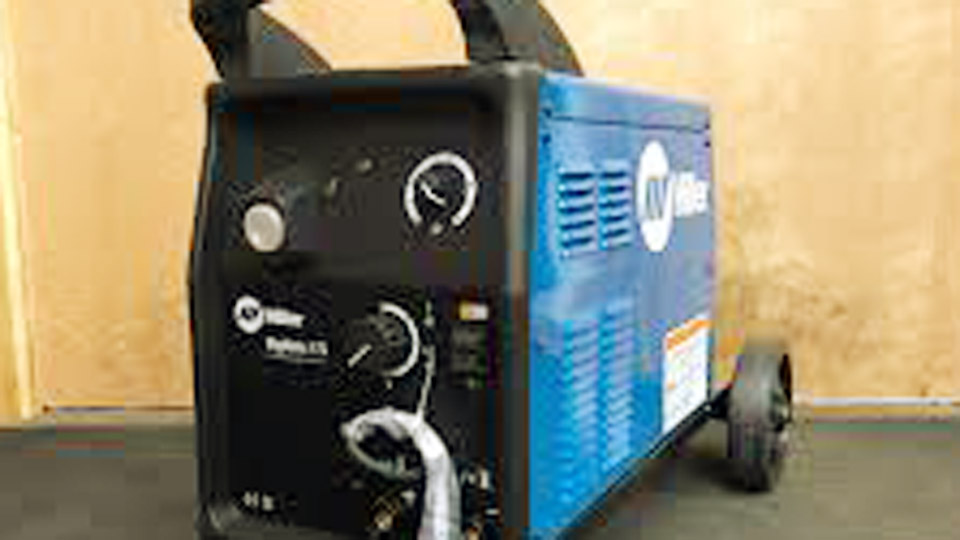
Image by WeldersChoice
What Is MIG Welding and How Does It Work?
MIG stands for Metal Inert Gas, officially called Gas Metal Arc Welding (GMAW). A continuous solid wire electrode feeds through a gun while shielding gas protects the molten puddle from oxygen and contaminants. The wire carries current, melts into the joint, and fuses with the base metal.
Unlike SMAW (stick) welding, where you stop to change electrodes, MIG runs nonstop as long as you hold the trigger. The power source maintains a constant voltage, and the wire feed speed controls amperage. Shielding gas—usually a 75% argon/25% CO2 mix for mild steel—flows from the gun to blanket the arc.
In practice, this setup shines for its forgiving nature on clean metal and all-position capability with the right technique. The arc self-regulates somewhat: if you move too slow, the puddle grows; too fast, and it narrows. Understanding this balance separates clean, penetrating welds from messy ones.
Why Proper MIG Operation Matters in Real Shop Situations
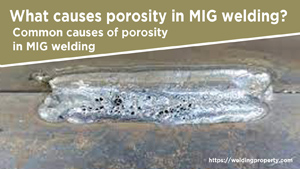
In my experience, bad MIG operation shows up fast on the job. On thin auto body panels, excessive heat causes warping or burn-through. On structural steel, insufficient penetration leads to cracks under stress. Outdoor wind can disrupt gas coverage, causing porosity that weakens the weld.
Correct operation controls heat input to minimize distortion, ensures good fusion without excessive spatter, and keeps costs down by reducing wire waste and post-weld cleanup. It also directly impacts safety—stable arcs and proper gas flow mean fewer fumes and less chance of arc flash issues.
For hobbyists building trailers or repairing farm equipment, it means stronger, better-looking results without constant grinding. For students and entry-level workers, it builds muscle memory that transfers across machines, from small 110V units in home garages to industrial 220V/240V models common in US shops.
Essential Safety Considerations Before You Start
Safety isn’t optional—it’s the foundation. Always wear a welding helmet with proper shade (usually 10-13 for MIG), flame-resistant jacket, gloves, and boots. Clear the area of flammables, and use a fire watch if needed.
Ventilation matters hugely. MIG produces fumes, especially with CO2 mixes, so position a fume extractor or work in a well-ventilated space. Never weld in confined areas without proper airflow.
Check your ground clamp connection—poor grounding causes erratic arcs and can damage your machine. Inspect cables for frays, and ensure the gas cylinder is secured upright with a chain. Open the cylinder valve slowly while standing to the side, never in front of the regulator.
I always tell trainees: treat every setup like it’s your first. Rushing leads to forgotten steps and injuries I’ve seen too many times.
Setting Up Your MIG Welding Machine Step by Step
Start with a clean workspace. Place the machine on a stable surface near your work area but away from sparks.
Connect the shielding gas
Secure the regulator to the cylinder. For most mild steel work in US shops, use a 75/25 argon/CO2 mix. Set flow to 15-25 cubic feet per hour (CFH) depending on conditions—start at 20 CFH indoors. Crack the cylinder valve to purge, then fine-tune.
Install the wire
Choose the right spool—0.023″ or 0.030″ for thinner materials, 0.035″ for heavier stuff. Load it on the hub, thread the wire through the drive rollers (match groove size to wire diameter), and into the liner. Use the gun trigger to feed it through until it protrudes from the contact tip. Snip it to about ¼ inch stickout initially.
Select drive rollers and tension
Too loose, and the wire slips or bird-nests. Too tight, and it deforms. Adjust tension so the wire feeds smoothly without slipping when you push the gun against wood.
Power and polarity
Most MIG runs on DC electrode positive (DCEP). Plug in, flip the switch, and verify settings match your material.
Test the trigger
Gas should flow, wire should feed, and the arc should strike cleanly on scrap. Many US machines like Miller or Lincoln models have built-in charts inside the cover—use them as starting points.
Choosing the Right Wire, Gas, and Settings for Your Material
Wire diameter and type drive everything. For mild steel, ER70S-6 handles rust and mill scale better than ER70S-3. Use 0.023″ for sheet metal under 1/8″, 0.030″ for general fabrication, and 0.035″ for thicker plates.
Shielding gas affects arc stability and bead shape. 75/25 argon/CO2 gives a smooth arc with good penetration on steel. For stainless, try 98% argon/2% CO2 or tri-mix. Pure argon works for aluminum but requires a spool gun or push-pull system to prevent bird-nesting.
Voltage and wire feed speed basics: Voltage controls arc length and bead width—higher voltage flattens and widens the bead. Wire feed speed (WFS) primarily sets amperage and deposition rate. They work together: increase WFS and you usually bump voltage slightly to maintain balance.
A practical rule I’ve used for years on mild steel with 75/25 gas: aim for about 1 amp per 0.001″ of material thickness as a starting point, then fine-tune. Always test on scrap of the same thickness and joint type.
Here’s a simplified starting chart for mild steel (approximate—always verify with your machine manual and test):
- 20 gauge (~0.035″): 0.023″ wire, 14-16V, 100-150 IPM wire speed
- 1/8″ (0.125″): 0.030″ wire, 17-19V, 150-250 IPM
- 3/16″ (0.187″): 0.030″ or 0.035″ wire, 18-20V, 200-300 IPM
- 1/4″ (0.250″): 0.035″ wire, 19-22V, 250-350 IPM
For stainless, drop voltage and amperage slightly (10-15% less heat). Aluminum needs higher wire speed, pure argon, and often pulsed settings on advanced machines to control heat.
Joint Preparation and Material Handling Tips
Clean metal is non-negotiable. Grind or wire-brush off rust, paint, oil, and mill scale. Even light surface contamination causes porosity or lack of fusion. On thicker material, bevel edges for better penetration on butt joints.
Fit-up counts. Gaps wider than 1/16″ often need multiple passes or cause burn-through. Clamp pieces securely to control distortion—tack frequently on long seams and alternate sides.
For repairs, especially on vehicles or equipment, remove coatings far back from the joint. On galvanized steel, beware of toxic fumes—grind it off or weld outdoors with extra ventilation.
I’ve fixed too many “quick” jobs where skipping cleanup led to ugly, weak welds that had to be redone.
Mastering MIG Welding Technique
Hold the gun at a 10-15° push angle (forehand) for better gas coverage and penetration on most joints. Drag (backhand) works sometimes for deeper penetration but can trap slag or contaminants.
Maintain consistent stickout—¼” to ⅜” for short-circuit transfer. Too long, and the arc gets unstable with excess spatter. Too short, and you risk burning the contact tip.
Travel speed should keep the puddle controlled. Watch the puddle shape: a nice tear-drop indicates good speed. Whip or weave techniques help on wider joints or vertical-up welds.
Start the arc on the workpiece, pause briefly to establish the puddle, then move steadily. Listen for that steady “frying bacon” sound—too fast and it’s erratic; too slow and it hisses loudly with big spatter.
For vertical welds, push uphill with a slight weave. Overhead requires tighter control and shorter stickout to fight gravity.
Common Beginner and Pro Mistakes (and How to Fix Them)
Beginners often ignore material prep, leading to dirty welds full of holes. They also chase the puddle instead of leading it, or hold too long a stickout, causing weak arcs.
Voltage too low creates a “stubbing” sound and poor fusion. Too high, and the arc hisses with a wide, shallow bead and lots of spatter. Wire speed mismatches cause similar issues—test and adjust in small increments.
Pros sometimes get complacent with gas flow in windy shops or forget to trim the wire between passes. Inconsistent travel speed produces humped beads or undercut.
Fix by always running a test bead first. If the weld looks convex and piled up, increase voltage or slow down. If it’s concave or undercut, reduce voltage or increase speed. Clean the nozzle regularly—spatter buildup disrupts gas flow.
Another big one: poor ground. If the arc wanders or starts hard, check clamp placement and cable condition.
MIG Settings and Techniques for Different Materials
Mild Steel
Easiest starting point. Use short-circuit mode on thinner stuff for low heat. On thicker sections, spray transfer (higher voltage) gives smoother beads but needs good fit-up.
Stainless Steel
Requires cleaner prep and specific gas. Lower heat input prevents sensitization and distortion. Expect a slightly different arc sound—more fluid puddle.
Aluminum
Challenging due to high thermal conductivity. Use 100% argon, larger contact tips, and often a spool gun. Push technique aggressively for oxide cleaning. Settings run hotter on wire speed but watch for burn-through.
For flux-cored wire (gasless), the process flips—it’s self-shielded, great outdoors, but produces slag you must chip. Many machines switch polarity for flux core.
Pros and Cons of MIG Welding Compared to Other Processes
MIG excels in speed and ease for production or repetitive work. Cleaner than stick or flux-cored, with minimal post-weld cleanup. It handles thin to medium thicknesses well and works in all positions.
Downsides: Sensitive to wind and contaminants. Requires gas bottles and regulators, adding cost and logistics. Not ideal for very thick material without multiple passes or switching to flux-cored.
Compared to TIG, MIG is faster but less precise for critical cosmetic work. Stick offers portability and works on dirty metal but is slower with more cleanup.
In US fabrication shops, MIG often wins for balance of productivity and quality on steel projects.
Troubleshooting Common MIG Welding Problems
Porosity: Usually gas coverage or dirty metal. Increase flow, check for leaks in hoses, or improve prep.
Excessive spatter: Wrong voltage/WFS balance or long stickout. Shorten stickout and tweak settings.
Burn-through: Too much heat or poor fit-up. Lower voltage/WFS, increase travel speed, or add backing.
Lack of penetration: Increase voltage slightly or slow travel. Ensure proper joint angle.
Wire feeding issues: Bird-nesting often means wrong drive tension or liner problems. Clean or replace the liner regularly.
Keep a notebook of successful settings for your common jobs—it saves time later.
Advanced Tips for Better MIG Operation
Use synergic or auto-set modes on modern machines for quick starts, but learn manual adjustment for full control. Pulse MIG on capable units reduces heat on thin or stainless material while maintaining deposition.
For long seams, back-step welding or clamping with heat sinks controls distortion. On repairs, build up worn areas in layers rather than one heavy pass.
Maintain your equipment: Clean drive rolls, replace contact tips at the first sign of wear, and check gas diffusers. A well-kept machine runs smoother and lasts years longer.
Final Thoughts
After running MIG for years across garage projects, professional fabrication, and repair calls, the real payoff comes from understanding how voltage, wire speed, gas, and technique interact on the metal in front of you. Clean prep, tested settings, consistent gun control, and attention to material differences turn frustrating sessions into reliable, strong welds.
You’re now equipped with practical knowledge that goes beyond theory—settings that work in real shops, mistakes to dodge, and techniques that deliver results on everyday jobs.
Whether you’re welding mild steel frames, stainless components, or aluminum panels, these fundamentals reduce trial-and-error and build confidence fast. Always keep your contact tip clean and trimmed wire short, and treat every weld like it’s going on a customer’s piece. Attention to those small details separates okay welds from ones that hold up for decades.
FAQ’s
How do I set voltage and wire speed on a MIG welder for the first time?
Start with your machine’s chart or a standard reference for your wire size and material thickness. Set wire feed speed first based on thickness (higher for thicker metal), then adjust voltage until the arc sounds steady and the bead looks flat with good tie-in. Test on scrap and tweak—listen for the bacon sizzle, not popping or hissing.
What gas should I use for MIG welding mild steel?
A 75% argon / 25% CO2 mix is the go-to in most US shops. It provides stable arc, good penetration, and minimal spatter. For pure CO2, expect more spatter but deeper penetration on thicker material. Always set flow around 15-25 CFH.
Why is my MIG weld full of spatter and how do I fix it?
Common causes include incorrect voltage/wire speed balance, long stickout, dirty metal, or low gas flow. Shorten stickout to ¼-⅜”, clean the base material, increase voltage slightly if the arc is too cold, and verify gas coverage isn’t blocked by wind or a clogged nozzle.
Can I use a MIG welder outdoors?
Yes, but wind easily disrupts shielding gas, causing porosity. Use flux-cored wire instead for true outdoor work without gas. If sticking with solid wire MIG, set up wind screens and increase gas flow temporarily.
What’s the best wire size for general MIG welding?
0.030″ diameter handles most hobby and light fabrication jobs on material from 22 gauge up to ¼”. It’s versatile with good feedability. Switch to 0.023″ for very thin sheet to reduce heat, or 0.035″ for heavier structural work needing higher deposition.