
Watching an electric arc jump between an electrode and a piece of steel is one of those moments that makes welding seem almost like magic. A bright arc appears, the metal begins to melt, and within seconds two separate pieces become a single, solid joint.
But behind that process is a machine doing far more work than most beginners realize. Understanding How an Arc Welding Machine Works is the key to making sense of everything that happens between pulling the trigger and laying down a strong weld.
Many new welders focus on technique while overlooking what the machine is actually doing. Voltage, amperage, current flow, and arc control all work together to generate the heat needed to melt metal safely and efficiently. When you understand these basics, troubleshooting common welding problems becomes much easier.
Whether you’re learning to weld for the first time or simply want to understand the equipment in your workshop better, knowing how an arc welding machine operates can improve both your skills and confidence. I’ll break down the process in simple terms and show how each component contributes to creating a stable, reliable weld.
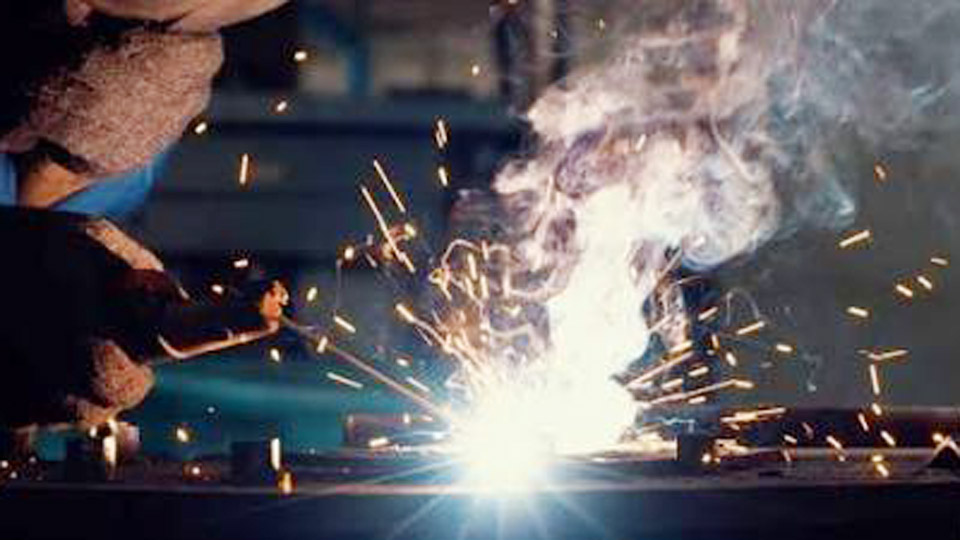
Image by weldman
What Is Arc Welding and Why Does the Machine Matter?
Arc welding machines deliver controlled electrical current to create and sustain an arc between a consumable electrode (the “stick”) and the base metal. The machine is usually a constant current (CC) power source—either AC or DC—because it maintains stable amperage even as voltage fluctuates with arc length.
The electrode has a metal core and a flux coating. When you strike the arc, the core melts into the joint as filler, while the flux burns to produce shielding gas and forms slag that protects the cooling weld from oxygen and nitrogen.
This self-shielding nature makes SMAW incredibly portable—no gas bottles needed—which is why it’s still king for field repairs, outdoor work, and many DIY projects in the US.
When to use it: Stick welding shines on thicker materials (1/8 inch and up), dirty or rusty metal, and situations where you need all-position capability. It’s forgiving on wind and works in tight spots where MIG guns won’t fit.
Practical tip: Start with a decent inverter welder (like a 200-amp machine) if you’re serious. They run cooler, weigh less than old transformers, and handle 6010, 6011, and 7018 rods reliably on 120V or 220V household power.
How Does the Arc Actually Form and Create the Weld?
Here’s the sequence I explain to every beginner:
- Power flows: The machine sends current through the electrode holder (stinger) to the rod.
- Contact and lift: Touch the rod tip to the clean metal, then pull back slightly (about 1/8 inch for most rods). Electrons jump the gap, ionizing the air and creating the arc.
- Heat generation: The arc reaches temperatures over 6,000°F, melting the rod core and a small area of the base metal into a molten pool.
- Deposition and protection: Filler metal transfers across the arc in droplets. Flux vaporizes into shielding gas, and molten slag floats on top of the pool.
- Solidification: As you move the rod, the pool cools, the slag hardens, and you chip it off later.
The key is arc length. Too long and you get a wandering, unstable arc with poor penetration and spatter. Too short and the rod sticks. Aim for that crisp, frying-bacon sound.
Choosing the Right Arc Welding Machine for Your Shop
For most US hobbyists and small shops, a DC inverter welder gives the best control and easier starts, especially with 7018 rods. AC machines work fine for basic 6011 or 6013 on mild steel and cost less upfront.
Look for duty cycle ratings—something like 60% at 150 amps means you can weld 6 minutes out of every 10 before it needs a cooldown. For home use, 140-200 amp output covers most jobs up to 1/2-inch plate.
Real-world insight: On repair jobs, I grab my multi-process machine that does stick, TIG, and MIG. But when the power is sketchy or I’m out in the field, pure stick is what I trust.
Electrode Basics: Rods, Diameters, and When to Use Them
Electrodes are classified by the AWS system—first two digits give tensile strength (60 = 60,000 psi), next tells position and coating type.
- 6010/6011: Deep penetration, fast-freeze, great for root passes, dirty metal, and all positions. Run them on DC+ or AC.
- 6013: Easier arc, smoother bead, good for thin material and sheet metal.
- 7018: Low-hydrogen, strong, ductile welds for structural work. Needs dry storage.
Electrode diameter and amperage guide (starting points for mild steel—adjust by feel):
| Metal Thickness | Electrode Diameter | Amperage Range (approx.) |
|---|---|---|
| Up to 1/8″ | 3/32″ (2.4mm) | 40-90A |
| 1/8″ – 1/4″ | 1/8″ (3.2mm) | 75-125A |
| 1/4″ – 3/8″ | 5/32″ (4.0mm) | 110-160A |
| Over 3/8″ | 3/16″ (4.8mm) | 140-200A+ |
Rule of thumb I use: Match rod diameter roughly to metal thickness in sixteenths. A 1/8″ rod for 1/8″ plate is a solid start.
Common mistake: Using oversized rods on thin stuff. It leads to burn-through and warpage. Another big one: Running 7018 with too much amperage—it gets hot and loses its low-hydrogen advantage.
Step-by-Step: How to Strike an Arc and Run Your First Bead
Clean your metal first—grind or wire brush to bright metal. Remove paint, rust, oil, and mill scale. Poor prep is the top reason for porosity and weak welds.
Set your machine to the recommended amperage. Insert the rod in the holder, ground clamp on clean metal close to the weld area.
Striking the arc:
- Drag method (easiest for beginners): Tilt the rod 10-15° in the travel direction and drag it across the plate like striking a match.
- Tap method: Tap and lift quickly.
Once the arc lights, maintain a short arc length—about the diameter of the rod core. Travel speed should let the puddle follow you without getting ahead or leaving cold laps.
For a flat bead: 10-20° travel angle, 70-90° work angle. Pause slightly at the edges on wider beads to tie in.
Joint Preparation and Techniques That Matter in Real Jobs
Butt joints: Square edges up to 1/4″, V-groove for thicker. Leave a small root gap (1/16″) for penetration.
T-joints and lap joints: Clean thoroughly. Fillet welds are common—build them in multiple passes if thick.
Vertical and overhead: Use smaller diameter rods (3/32″ or 1/8″) and lower amps. Whip or weave technique helps control the puddle.
On a farm repair last year, I had to weld a cracked loader bucket in-place. Proper joint prep with a grinder and back-gouging the root made the difference between a one-time fix and repeated failures.
Amperage Settings, Polarity, and Fine-Tuning for Different Materials
DC Electrode Positive (DCEP or reverse polarity) gives deeper penetration for most rods. DCEN for some thinner work or specific electrodes.
Adjust by sound and puddle: Too cold—rod sticks, narrow bead, poor fusion. Too hot—excessive spatter, undercut, burn-through, and a big, runny puddle.
For stainless or cast iron, match filler carefully and often use lower heat to control distortion. Aluminum? Stick isn’t ideal—switch to TIG if possible.
Pro tip on settings: Start in the middle of the range and dial in 5-10 amps at a time on scrap. Watch the slag— it should peel off easily when cool.
Safety Considerations Every Welder Must Nail
Electricity, intense UV light, sparks, and fumes aren’t forgiving. Always wear a proper helmet with the right shade (10-13 for stick), leather gloves, flame-resistant jacket, and boots. Work in a well-ventilated area or use fume extraction.
Keep your workspace clear of flammables. Ground properly to avoid stray currents. Never weld on containers that held flammable liquids without proper purging.
I’ve seen too many guys skip the shade or cuffs and pay for it with burns or flash. Respect the process.
Common Mistakes and How to Fix Them Fast
- Long arc: Causes spatter, porosity, and weak welds. Shorten it.
- Wrong travel speed: Too fast leaves undercut and lack of fusion. Too slow causes overlap and excess heat.
- Poor electrode angle: Leads to slag inclusions or uneven beads.
- Damp rods: Especially 7018—causes hydrogen cracking. Store in a rod oven or heated box.
- Inadequate cleaning between passes: Slag inclusions kill strength.
Pros sometimes rush on production and skip tacks or proper preheat on thick or high-carbon steel. Take the extra minute—it prevents cracks.
Comparing Arc Welding to Other Processes
Stick excels in portability and versatility but is slower than MIG and requires slag cleanup. MIG is faster and cleaner for production on clean metal indoors. TIG gives the best appearance on thin or critical work but needs more skill and setup.
For a hobbyist repairing a trailer or building a gate, stick is often the most practical starting point. Many pros keep a stick machine handy even if they run wire most days.
Pros of SMAW:
- Inexpensive equipment
- Works outdoors in wind
- Handles dirty/rusty metal
- All-position capable
- Simple to learn basics
Cons:
- Slower deposition
- Slag removal required
- More spatter
- Electrode changes interrupt flow
- Higher skill ceiling for beautiful welds
Advanced Tips for Better Beads and Stronger Joints
Practice stringer beads first, then controlled weaves. On multipass welds, clean each pass thoroughly. Use whipping motion on vertical-up for better control.
For distortion control: Tack frequently, weld alternately on both sides of a joint, or use back-step technique.
Filler metal compatibility is critical—mismatch tensile strength or chemistry and your weld becomes the weak link.
Building Confidence Through Practice
Start on flat scrap mild steel. Cut coupons, weld them, then break or bend test to see penetration and fusion. Join a local welding group or take a community college class—nothing beats hands-on feedback.
I’ve watched apprentices go from sticking every rod to laying consistent beads in a few weekends of deliberate practice.
After years of welding, the fundamentals of how the arc welding machine works still guide every decision I make on a job—current type, rod choice, heat input, travel speed. Master these and you’ll handle repairs, fabrication, and custom work with confidence.
The biggest pro-level tip I can give? Slow down on the setup and prep. A clean joint, right rod, dialed amperage, and patient technique will give you welds that look good and hold forever. Rushing the beginning always costs more time at the end.
FAQ: Real Questions from Welders Like You
How do I stop my electrode from sticking constantly?
Shorten your arc length and increase amperage slightly if you’re at the low end. Use a quick snap or drag technique. Fresh, dry rods help tremendously. Practice on scrap until the motion feels natural.
What amperage should I run for 1/8″ rod on mild steel?
Usually 75-125 amps depending on the specific rod (6011 vs 7018) and position. Start around 90-110A on flat and adjust for penetration and puddle control. Test on similar thickness scrap.
Can I use stick welding on rusty or painted metal?
Yes, that’s one of its strengths, but grind the joint area to bright metal for best results. 6010 or 6011 rods handle contamination better than low-hydrogen types.
Why is my weld porous and full of holes?
Contaminated base metal, damp electrodes, long arc length, or drafts blowing away shielding gas. Clean thoroughly, store rods dry, and keep a short arc.
Is stick welding good for thin sheet metal?
It’s possible with small rods (3/32″) and low amps, but MIG or flux-core is often easier and cleaner for auto body or thin fabrication to avoid burn-through.


